Explore films connected to The Basketball Diaries through Addiction, Friendship and betrayal, Lost potential. Choose the qualities you want to carry into your next watch.
What should feel similar?
Find your next favourite
9 films · Closest overall matches
Hide films you’ve seen or don’t want. Saved on this device.
No matches for this combination yet.
Try another option or reset your choices to see more films.
Based on recorded story, mood and style. Your preferences can change the order.
What changes The Basketball Diaries: coming-of-age decline and episodic collapse. The Lost Weekend: weekend spiral and hospital crisis.
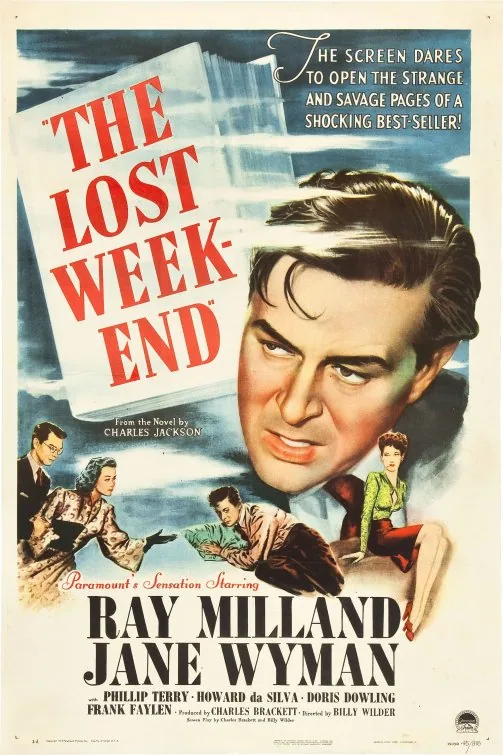
Writer Don Birnam tries to leave New York for a drinking trip, but his brother Wick and girlfriend Helen keep attempting to support him. A delayed departure and a lost bottle pull Don back into a cycle of drinking, lies and missed chances to write. As he moves through bars, his apartment and a hospital ward, the film shows how addiction damages his relationships and distorts his sense of time and possibility. Billy Wilder’s adaptation of Charles R. Jackson’s novel treats alcoholism as the central drama rather than a side plot to Don’s artistic ambitions.
Based on recorded story, mood and style. Your preferences can change the order.
Coming of age
What changes The Basketball Diaries: coming-of-age decline and episodic collapse. Hillbilly Elegy: present crisis intercut with childhood, performance-led scenes and family confrontation.
Law student J. D. Vance is pulled back to his Ohio hometown when his mother Bev experiences a crisis, interrupting his attempt to build a life far from his family. The story moves between his childhood in a turbulent household and the present, showing how his grandparents, sister, and mother shaped his sense of responsibility. Adapted from Vance's memoir, the drama treats family loyalty and addiction through a personal account of class, memory, and the difficult idea of escape.
Based on recorded story, mood and style. Your preferences can change the order.
Coming of age
What changes The Basketball Diaries: coming-of-age decline and episodic collapse. Dope: fast-moving, caper-like and comic escalation.
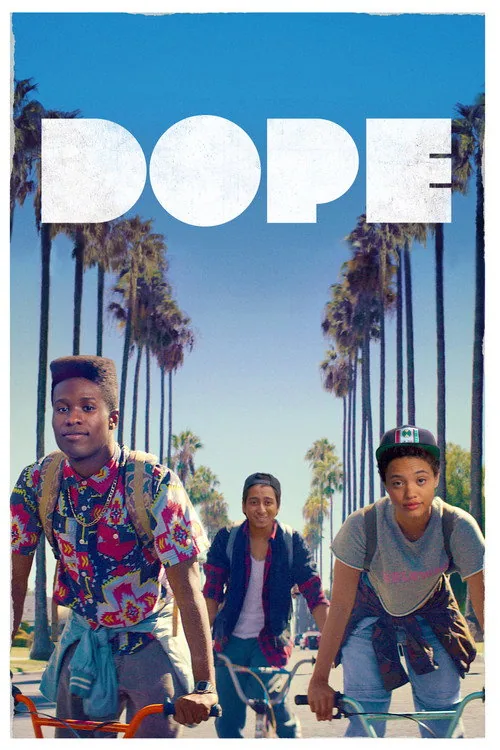
High-school senior Malcolm and his friends Jib and Diggy live in Inglewood and share an interest in 1990s hip-hop, skateboarding, and outsider culture. After a party is interrupted by gunfire, drugs and a weapon end up in Malcolm’s backpack, drawing him into a dangerous effort to protect himself and his college prospects. He and his friends use their technical skills to sell the drugs online while navigating school, neighborhood expectations, and shifting loyalties. Rick Famuyiwa’s comedy-drama mixes teen coming-of-age with crime caper elements.
Based on recorded story, mood and style. Your preferences can change the order.
What changes The Basketball Diaries: coming-of-age decline and episodic collapse. Shot Caller: a sentence for a fatal mistake reshapes jacob into someone whose gang expects continued service..
After a fatal driving accident sends former stockbroker Jacob Harlon to prison, he learns that survival inside depends on alliances and carefully observed rules. He joins a white supremacist gang, adopts the name Money, and becomes a trusted enforcer, but the identity that protects him in prison also shapes the life he faces outside. Ric Roman Waugh’s crime thriller follows the years of that transformation and the violent choices that make release feel less like freedom than another test.
Based on recorded story, mood and style. Your preferences can change the order.
What changes The Basketball Diaries: coming-of-age decline and episodic collapse. Once Upon a Time in America: epic and measured.
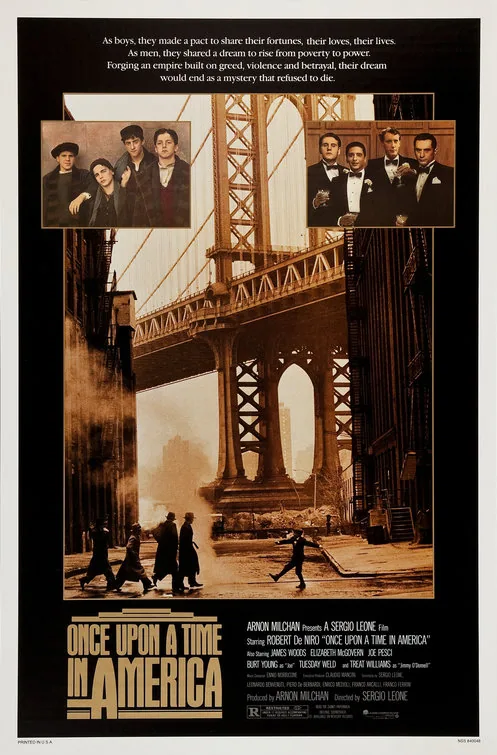
An ageing gangster returns to New York after decades away, responding to signs that the betrayals he believed settled may conceal another history. Memories move between childhood alliances, Prohibition-era success and damaged relationships with women whose lives his ambitions repeatedly violate. The shifting chronology makes loyalty difficult to disentangle from possessiveness and regret, while the return asks whether recovering the past can offer anything more stable than another self-serving story.
Based on recorded story, mood and style. Your preferences can change the order.
Coming of age
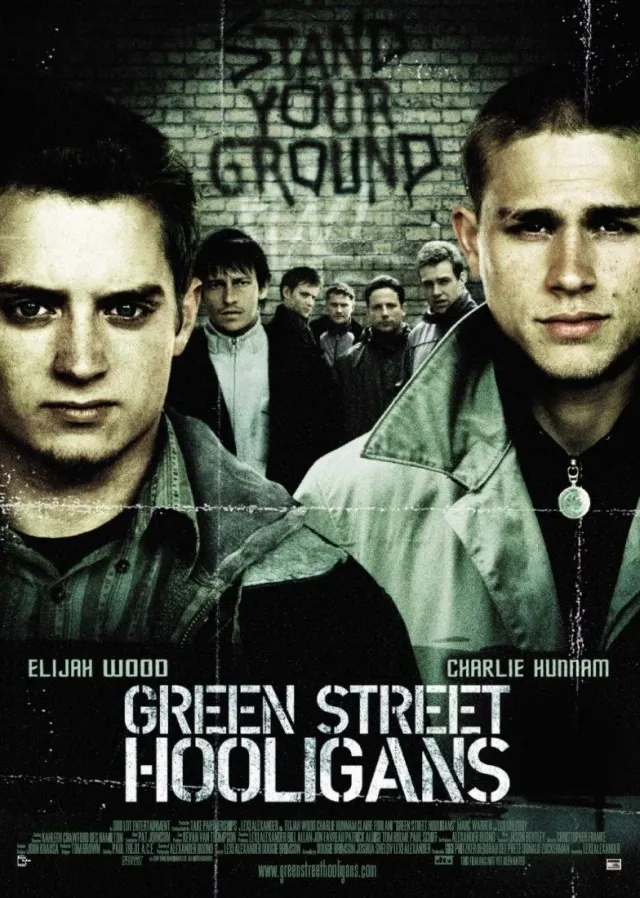
What changes The Basketball Diaries: coming-of-age decline and episodic collapse. Green Street: escalating and physical.
After leaving Harvard, Matt is drawn into the world of football hooliganism in London through his sister’s brother-in-law. The belonging and status he finds in the Green Street Elite come with escalating violence and pressure to prove loyalty. The drama follows an outsider learning a group’s codes, then confronting the harm those codes authorize, combining a coming-of-age structure with a rough portrait of masculine identity and tribal affiliation.
Based on recorded story, mood and style. Your preferences can change the order.
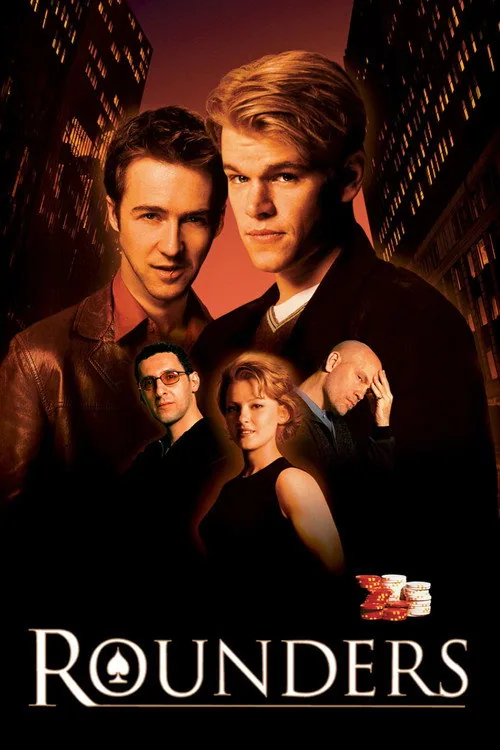
What changes The Basketball Diaries: coming-of-age decline and episodic collapse. Rounders: table-game tension between quieter stretches.
New York law student Mike McDermott dreams of winning the World Series of Poker, but loses his entire bankroll in a game run by Russian gangster Teddy KGB. Mike promises his girlfriend Jo he will quit, until his childhood friend Worm returns from prison with debts and a talent for cheating. The crime drama sets poker skill against loyalty and self-deception as Mike risks his studies and relationship to help Worm.
Based on recorded story, mood and style. Your preferences can change the order.
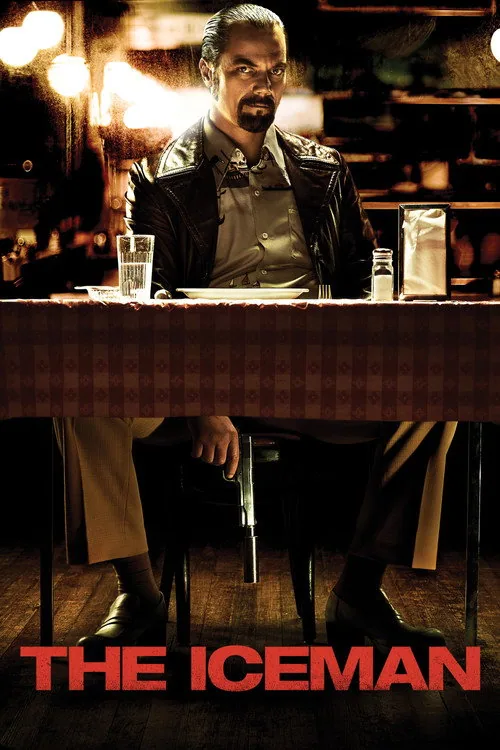
What changes The Basketball Diaries: coming-of-age decline and episodic collapse. The Iceman: chronological rise and fall, tense and crime-driven.
Richard Kuklinski maintains the image of a successful family man while secretly becoming a contract killer for organized crime. His work grows more dangerous as he forms uneasy partnerships and conceals his violent life from his wife and daughters. When gang disputes and law-enforcement pressure close in, the gap between his household persona and his criminal identity becomes harder to sustain. Loosely based on Kuklinski’s life, the biographical crime drama follows decades of violence and secrecy, with attention to the damage his crimes inflict on the family he claims to protect.
Based on recorded story, mood and style. Your preferences can change the order.
Coming of age
What changes The Basketball Diaries: coming-of-age decline and episodic collapse. Animal Kingdom: slow-burn tension, shifting family alliances and procedural pressure.
After his mother dies, eighteen-year-old J Cody moves in with his grandmother, Smurf, and discovers that her home is the center of a Melbourne crime family. His uncles are involved in armed robbery and drugs, while police surveillance and rivalries make the household increasingly dangerous. J watches the family's loyalties shift and learns that affection can coexist with manipulation and threat. David Michôd's Australian crime drama follows his transition into this world with a tense, observant style, treating family as both shelter and the mechanism that traps him.
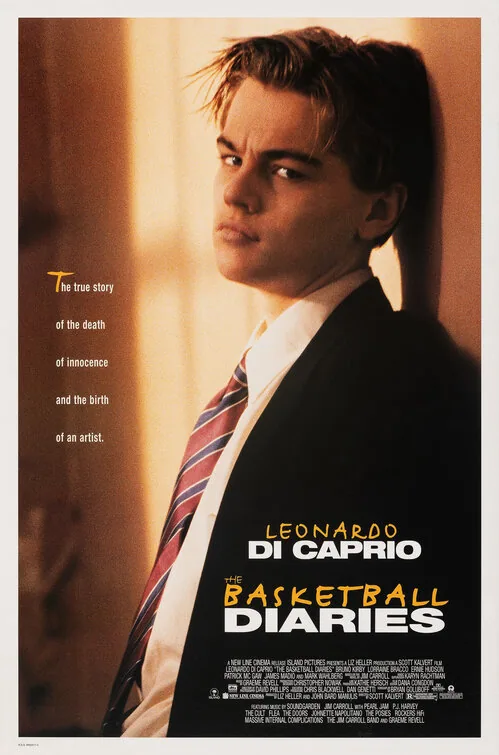
High-school basketball player Jim Carroll also writes poems and keeps a private journal with friends Pedro, Mickey and Neutron. After his close friend Bobby dies of leukemia, Jim's grief deepens into heroin use, and he is removed from the team and school. He leaves home and becomes involved in street crime as his addiction grows. A prison sentence interrupts the spiral, but release does not immediately resolve it. Jim later returns to writing and performs his work publicly, facing a choice when an old friend offers him drugs again. The story traces talent and friendship alongside self-destruction.
What drives the story
Bobby's death is the turning point after which Jim's grief and heroin use begin reinforcing one another, displacing basketball, school and the writing that once steadied him.
The people at its centre
Neutron tries to confront Jim while the group fractures, and the film follows Jim's isolation without presenting one dramatic rescue as a complete cure.
What it feels like
Voiceover, journal imagery and street-level scenes contrast Jim's poetic inner life with the increasingly dangerous routines of addiction.
Worth knowing
Choose it for bleak addiction drama rooted in adolescent loss and artistic ambition. The film relocates Jim Carroll’s 1960s memoir into a 1990s setting and takes substantial liberties, so it is a dramatic adaptation rather than a literal diary transcription; drug use, sexual abuse and violence make it far from a sports comeback film.
AddictionFriendship and betrayalLost potential
Mood
Bleak · Raw · Intimate
Pacing
Coming-of-age decline · Episodic collapse
Visual style
Urban realism · Subjective memory sequences
Storytelling
Teen athlete · Heroin dependency · Diaries and memory