Explore films connected to The Dresser through Performance and identity, Aging and dependence, Work and devotion. Choose the qualities you want to carry into your next watch.
What should feel similar?
Find your next favourite
9 films · Closest overall matches
Hide films you’ve seen or don’t want. Saved on this device.
No matches for this combination yet.
Try another option or reset your choices to see more films.
Based on recorded story, mood and style. Your preferences can change the order.
Music and performance
What changes The Dresser: theatrical build, character-led, crisis before opening and performance as culmination. Birdman: intense.
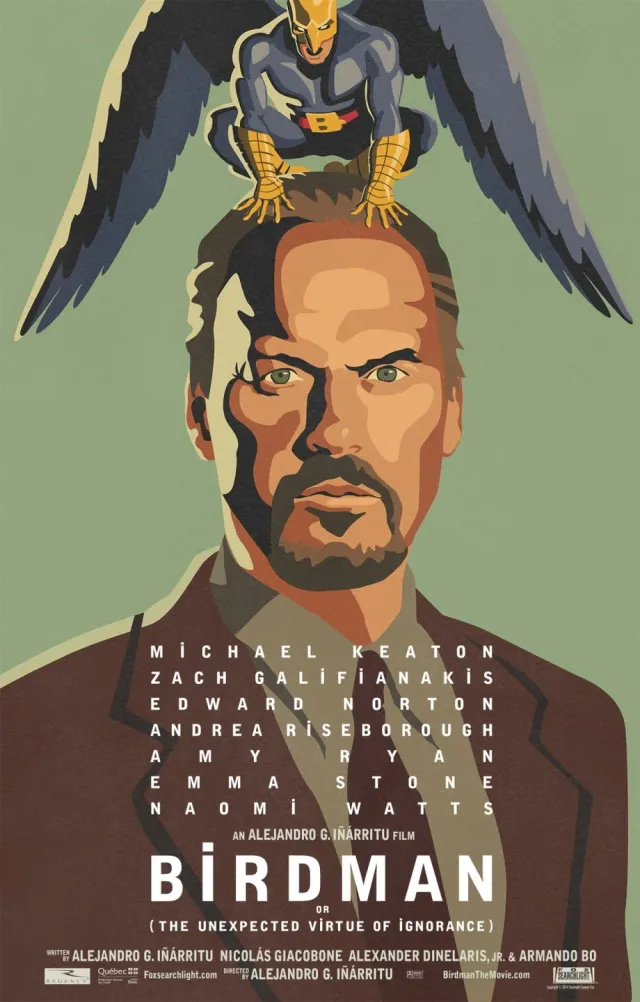
An actor best known for a superhero role mounts a Broadway production to prove that he still matters as an artist. Rehearsal problems, family strain and a volatile colleague repeatedly interrupt his attempt to control the public story of his return. A derisive inner voice and experiences that may be fantasies make professional ambition feel inseparable from an unstable need to be admired on his own terms.
Based on recorded story, mood and style. Your preferences can change the order.
Power and authority · Social hierarchy
What changes The Dresser: theatrical build, character-led, crisis before opening and performance as culmination. The Draughtsman's Contract: measured, conversation-led, patterned repetition and unresolved final turns.
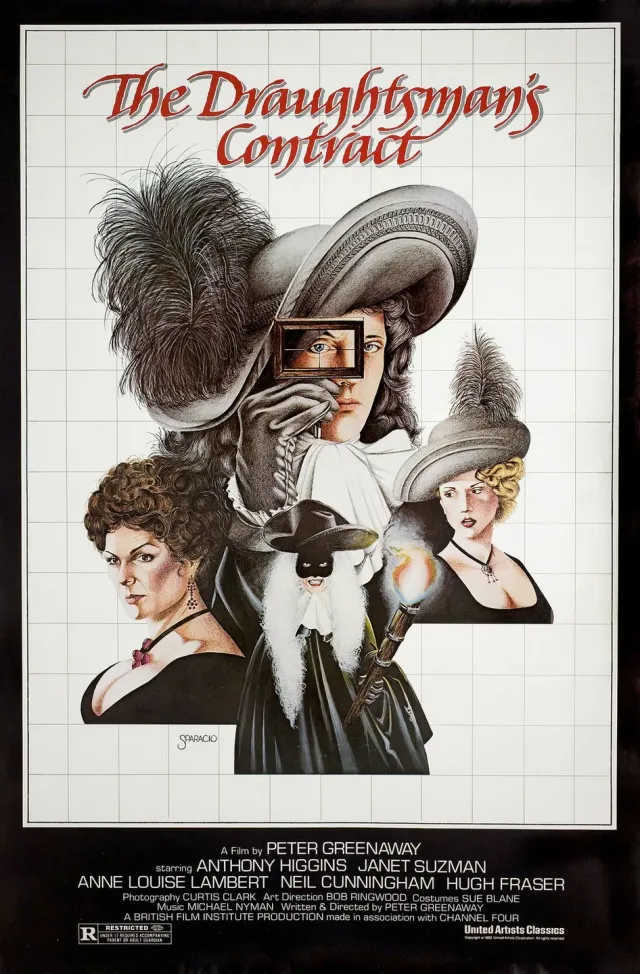
Mr Neville, a confident draughtsman, agrees to make twelve views of the Herbert estate while its owner is away. His contract with Mrs Virginia Herbert includes sexual access, and her daughter Mrs Talmann later arranges a competing bargain of her own. Neville studies the grounds and buildings as if careful observation could make them fully knowable, but the people around him interpret the drawings as records that can be used or withheld. When Mr Herbert’s body is found and Neville returns to produce an additional image, the estate’s rivalries turn his work into a source of suspicion and danger.
Based on recorded story, mood and style. Your preferences can change the order.
Music and performance
What changes The Dresser: theatrical build, character-led, crisis before opening and performance as culmination. Broadway Danny Rose: a client favor becomes an escalating predicament.
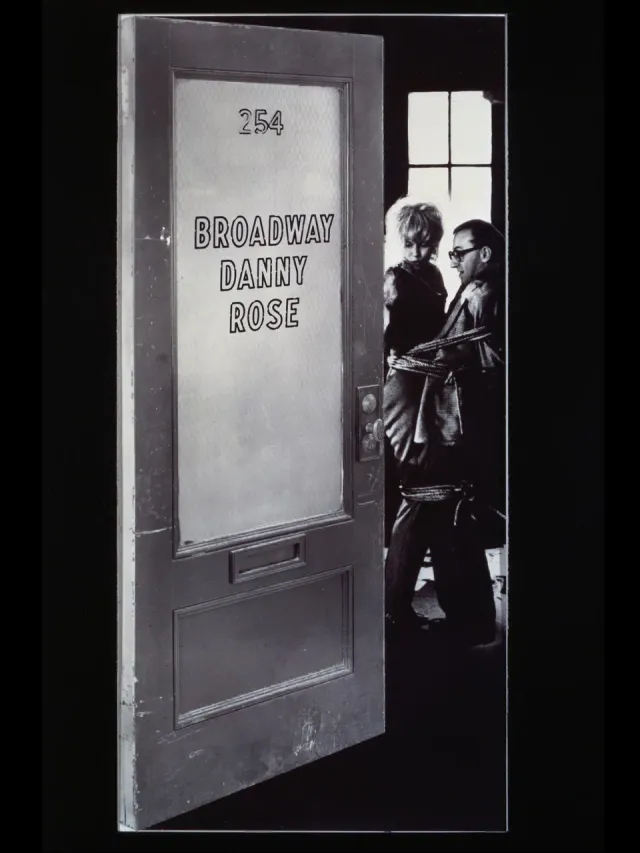
Danny Rose is a small-time New York talent agent who faithfully manages eccentric performers whose careers rarely take off. When one singer's romantic entanglement pulls Danny into a scheme involving a jealous mobster, his loyalty becomes a liability. Woody Allen tells the story through fellow agents' reminiscences, making the comedy as much about a vanished theatrical community as one misadventure.
Based on recorded story, mood and style. Your preferences can change the order.
Social hierarchy · Work and ambition
Expect observant and world-weary, with episodic and character-led pacing.
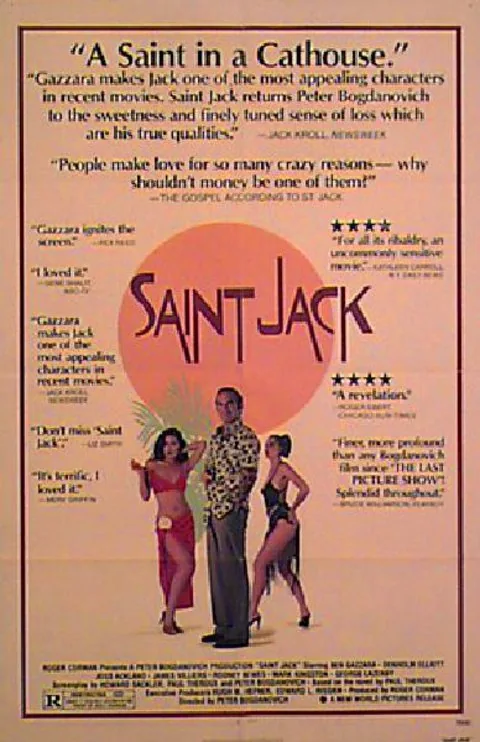
Jack Flowers is an American expatriate living by his wits in 1970s Singapore, where he manages sex work and moves easily through the city’s foreign-business and criminal circles. He presents himself as a reliable intermediary for a powerful local businessman and takes on an assignment involving British accountant William Leigh. Jack tries to be both hustler and host, introducing Leigh to expatriate nightlife while privately looking for a more respectable foothold. His plans repeatedly meet the limits of his position, and the film follows his improvisations through a city where colonial privilege, local power, and personal survival overlap.
Based on recorded story, mood and style. Your preferences can change the order.
Music and performance
What changes The Dresser: theatrical build, character-led, crisis before opening and performance as culmination. Shakespeare in Love: steady.
A young playwright struggling to complete a promised production finds inspiration in a merchant's daughter who longs to act despite women being excluded from the stage. Disguised as a male performer, she joins his company, and their affair begins to reshape the work being rehearsed. Financial pressures, theatrical rivalries and her arranged marriage make the performance a temporary space in which desire can flourish without controlling the world outside.
Based on recorded story, mood and style. Your preferences can change the order.
What changes The Dresser: theatrical build, character-led, crisis before opening and performance as culmination. The King: deliberate and campaign-driven.
Prince Hal prefers taverns and the company of Falstaff to the court, but his father’s death forces him onto the English throne. As Henry V, he faces rebellion at home and a campaign in France while confronting the burdens of authority and the consequences of choosing whom to trust. David Michôd gives the Shakespeare-inspired history a somber, muddy visual texture and a restrained account of a young ruler becoming a wartime king.
Based on recorded story, mood and style. Your preferences can change the order.
What changes The Dresser: theatrical build, character-led, crisis before opening and performance as culmination. Sullivan’s Travels: episodic and shifting tone.
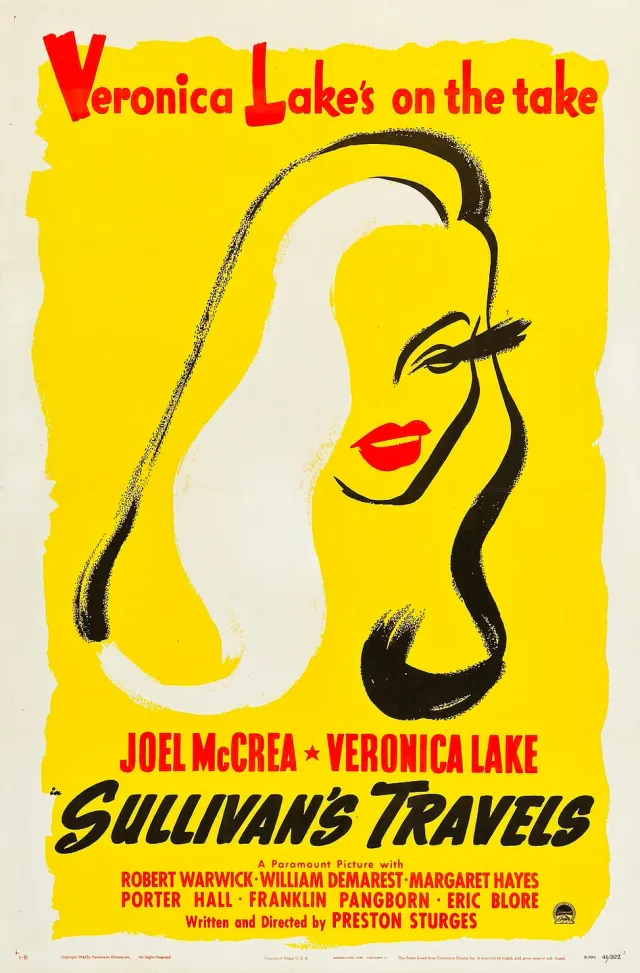
Successful Hollywood comedy director John Sullivan wants to make a serious film about hardship, but his studio doubts that he understands poverty. Disguised as a drifter, he takes to the road and meets an aspiring actress who joins him. His journey moves from staged research into genuine danger, forcing him to reconsider the people and entertainment he had underestimated.
Shared characteristics
Mood: Wry
Genre: Comedy
Genre: Drama
Poster: Film rights holders; original promotional poster documented by Wikipedia · Image source
Based on recorded story, mood and style. Your preferences can change the order.
Music and performance
Expect wry and reflective, with gradual and character-led pacing.
A successful comedian learns that he has a serious illness and hires a younger performer to help write jokes, creating an unlikely working friendship. As treatment changes his outlook, he revisits former relationships and considers what success has cost him. The drama-comedy links performance to mortality, showing how the ability to make an audience laugh can coexist with loneliness and the need to repair personal connections.
Based on recorded story, mood and style. Your preferences can change the order.
What changes The Dresser: theatrical build, character-led, crisis before opening and performance as culmination. The King's Man: historical intrigue and action escalation.
During the First World War era, British aristocrat Orlando Oxford and his son Conrad are drawn into a secret conflict surrounding a network of conspirators known as the Shepherd. Orlando has built an intelligence operation with his household staff, Shola and Polly, after promising his wife he would keep Conrad away from war. Conrad wants to serve and sees direct action as a way to honor his family, while Orlando tries to protect him through espionage and influence. The film threads invented agents and plots through historical figures and events, including the crisis around Archduke Franz Ferdinand. Its central conflict is not only who is manipulating Europe, but whether protection can become another form of control.
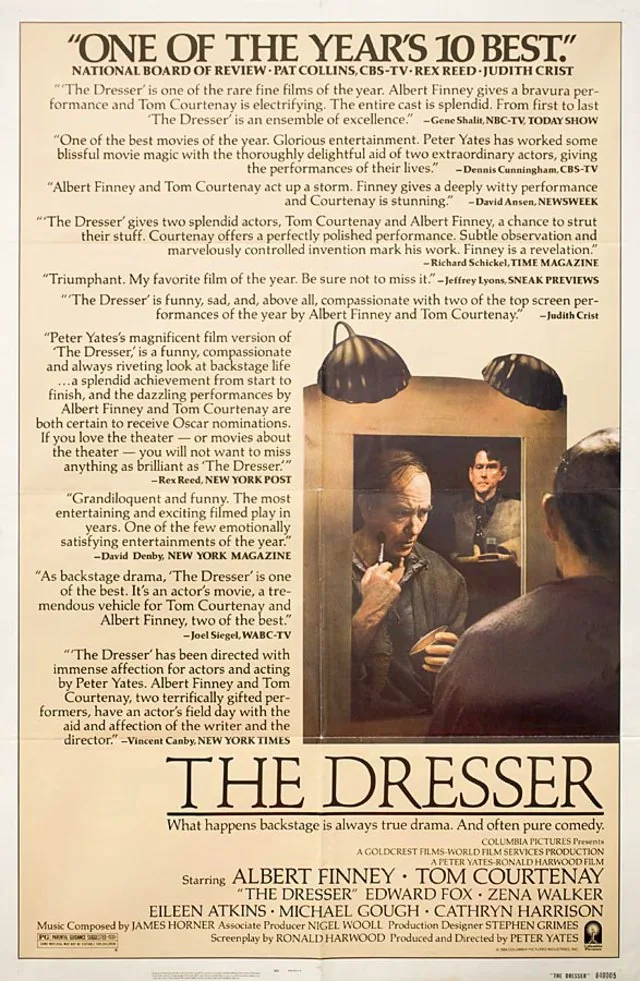
During the Second World War, a touring Shakespeare company travels through provincial Britain under the leadership of an aging actor-manager known only as Sir. Norman, his dresser of sixteen years, anticipates his needs, keeps costumes and cues in order and manages the outbursts that threaten each performance. Before a production of King Lear, Sir’s health and grip on the role begin to fail. Norman becomes caretaker, organizer and witness, trying to preserve the company’s work while protecting the man whose life has become bound to the stage. Their backstage dependence is affectionate but unequal, and a performance becomes a test of loyalty and control.
What drives the story
The next performance gives the film a deadline as Sir’s familiar routines stop providing reliable control.
The people at its centre
Norman’s careful service is devotion and leverage within a relationship built on long dependence.
What it feels like
The movement between public performance and private backstage care makes theatrical language part of everyday life.
Worth knowing
This is an actor-and-dresser relationship drama within a touring company, not a film focused on Shakespeare’s play alone.
Performance and identityAging and dependenceWork and devotion
Mood
Intimate · Wry · Melancholy · Tense
Pacing
Theatrical build · Character-led · Crisis before opening · Performance as culmination
Visual style
Crowded backstage spaces · Costume and prop detail · Theatre lighting · Stage contrasted with dressing room
Storytelling
Backstage drama · Actor-manager and dresser · Touring company · Performance under wartime pressure