Explore films connected to Saint Jack through Exile and belonging, Social hierarchy, Work and ambition. Choose the qualities you want to carry into your next watch.
What should feel similar?
Find your next favourite
9 films · Closest overall matches
Hide films you’ve seen or don’t want. Saved on this device.
No matches for this combination yet.
Try another option or reset your choices to see more films.
Both share themes of loneliness, plus an observant and wry atmosphere.
Why this matches +
Genres: Drama / Comedy
Shared film traits
Based on recorded story, mood and style. Your preferences can change the order.
Expect wry and melancholy, with measured and character-led pacing.
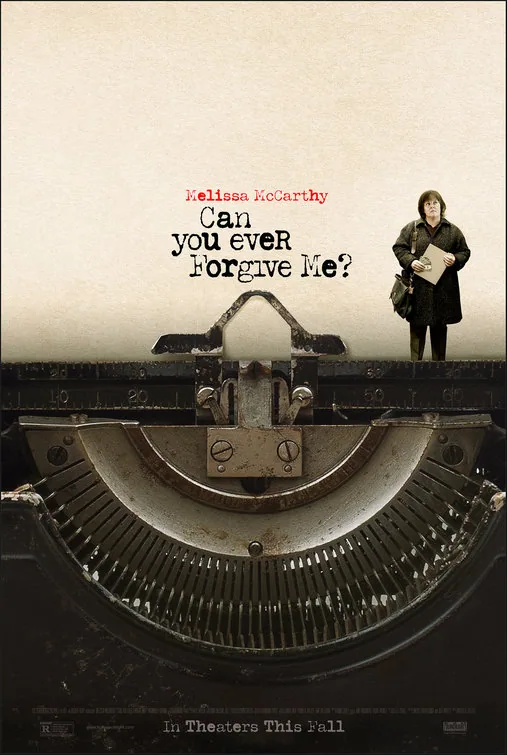
In early-1990s New York, struggling biographer Lee Israel faces money problems, a stalled career and few remaining professional options. She discovers that forged letters attributed to famous writers can earn money and begins selling them through book dealers, with her friend Jack Hock joining the scheme. Marielle Heller shapes the crime story as a character-led portrait of loneliness, literary ambition and compromised survival, anchored by dry humor rather than glamour.
Based on recorded story, mood and style. Your preferences can change the order.
Criminal underworld · Work and ambition
What changes Saint Jack: episodic, character-led, unhurried and observational. The Pick-up Artist: meet-cute episodes, parallel family duty, escalating criminal conflict and romantic resolution.
Jack Jericho is a charming New York teacher who treats meeting women as a game, until he becomes interested in Randy Jensen, who is entangled with nightclub people and a dangerous mobster. Their first encounters are driven by Jack’s practiced lines and Randy’s unwillingness to be impressed. As their connection grows, Jack’s responsibilities to his grandmother, his unpaid rent and the threats around Randy complicate his easygoing routine. He finds himself caught in conflicts that cannot be solved by flirtation alone. The film uses the language of a romantic comedy to examine the difference between performance and genuine care, giving its breezy city courtship a crime-story undercurrent.
Based on recorded story, mood and style. Your preferences can change the order.
Expect wry and compassionate, with episodic and shifting tone pacing.
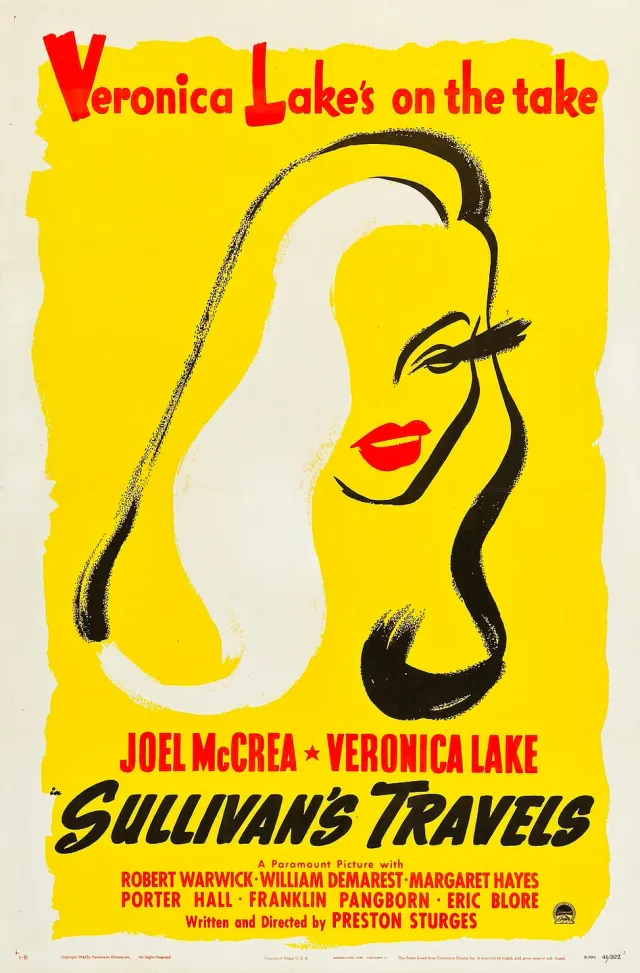
Successful Hollywood comedy director John Sullivan wants to make a serious film about hardship, but his studio doubts that he understands poverty. Disguised as a drifter, he takes to the road and meets an aspiring actress who joins him. His journey moves from staged research into genuine danger, forcing him to reconsider the people and entertainment he had underestimated.
Shared characteristics
Mood: Wry
Pacing: Episodic
Genre: Comedy
Genre: Drama
Poster: Film rights holders; original promotional poster documented by Wikipedia · Image source
Based on recorded story, mood and style. Your preferences can change the order.
What changes Saint Jack: episodic, character-led, unhurried and observational. Boogie Nights: variable.
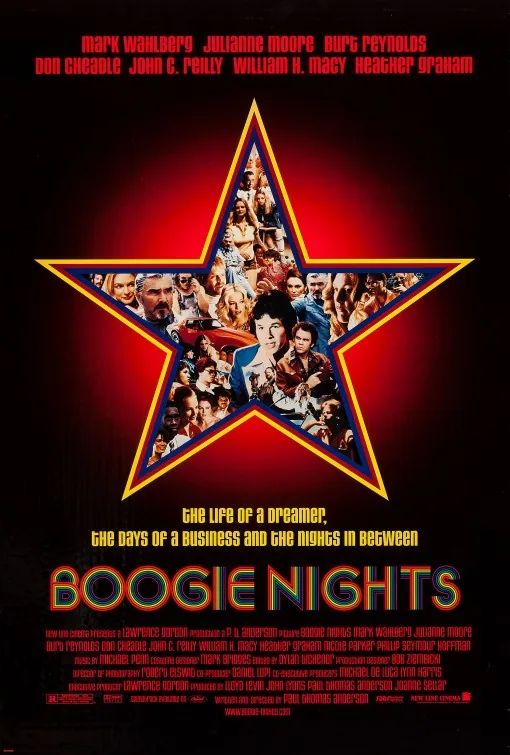
Eddie Adams leaves a damaging home for Jack Horner's adult-film circle, where a new name, a marketable body and a found-family welcome turn early success into a promise of permanence. The ensemble shares work and care, but belonging is intertwined with sexual labor, money and Jack's paternal authority. When drugs, personal failures and the shift from theatrical film to video change the business, those who built identities around its boom discover that affection cannot guarantee security or equal power.
Based on recorded story, mood and style. Your preferences can change the order.
Expect wry and reflective, with conversational and episodic pacing.
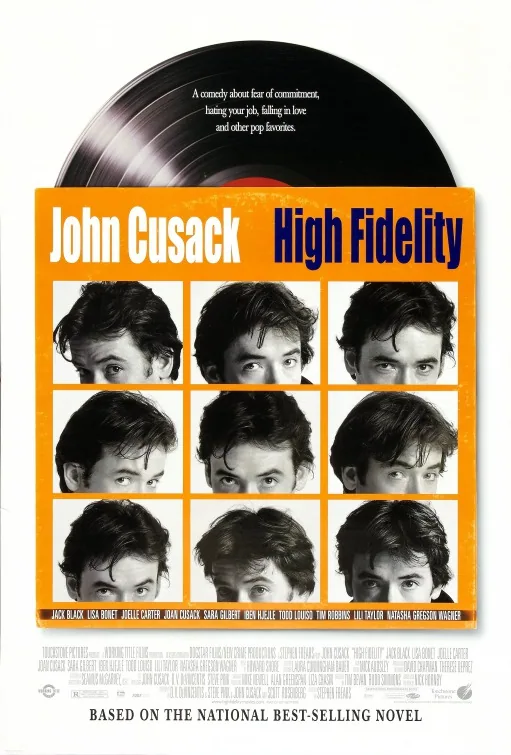
Record-store owner Rob revisits five past relationships while trying to understand why romance keeps ending badly. His breakup with Laura sends him back through old grievances, friendships and the music lists he uses to organize experience. The film treats pop taste as a vocabulary for self-invention, while showing how clever explanations can postpone accountability. Direct address and a record-shop ensemble give the romantic comedy an informal rhythm shaped by songs and argument.
Based on recorded story, mood and style. Your preferences can change the order.
Expect nostalgic and loose, with episodic and meandering pacing.
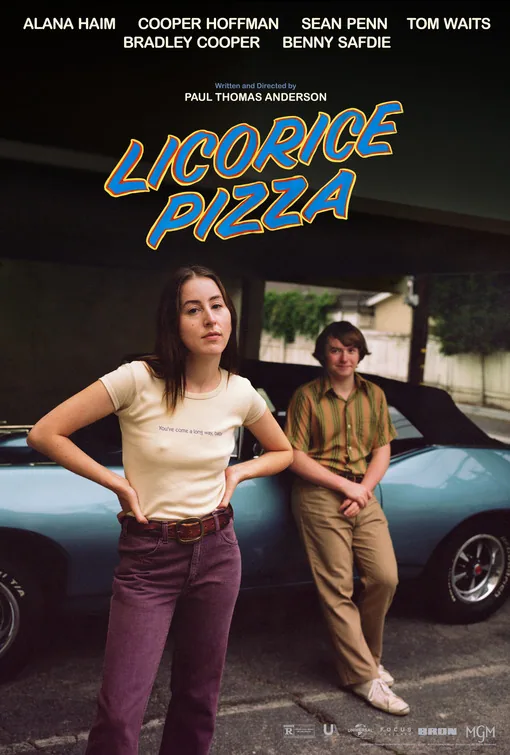
In 1970s San Fernando Valley, teenage actor Gary and young Alana move through jobs, friendships and chance encounters while trying to decide what adulthood should look like. Their closeness keeps changing shape, and the surrounding adults drift in and out of their plans. The film favors wandering episodes and period atmosphere over a conventional romance plot, treating growing up as uneven and improvisational.
Based on recorded story, mood and style. Your preferences can change the order.
What changes Saint Jack: episodic, character-led, unhurried and observational. Jackass Forever: a variety-show succession of bits escalates through surprise and reaction.
Johnny Knoxville and the Jackass ensemble return for a collection of stunts, pranks, and staged comic ordeals. The film makes risk and bodily vulnerability its main spectacle, while talking-head interludes foreground the performers’ long familiarity with one another. Newer participants extend the group dynamic, and the result considers aging and endurance through a deliberately chaotic format rather than a conventional narrative arc.
Based on recorded story, mood and style. Your preferences can change the order.
What changes Saint Jack: episodic, character-led, unhurried and observational. Empire Records: single-day ensemble structure, interwoven character stories and music-led scene transitions.
On a single day at an independent Delaware record store, a group of young employees face the possibility that their shop will be absorbed by a large chain. Lucas’s overnight attempt to protect the business creates a financial problem, while an in-store appearance by pop star Rex Manning adds pressure and draws customers. Allan Moyle’s ensemble comedy-drama follows the staff’s work, friendships, romances, and personal crises as they decide whether Empire Records is worth saving together.
Based on recorded story, mood and style. Your preferences can change the order.
Criminal underworld
Expect wry and romantic, with episodic and character-led pacing.
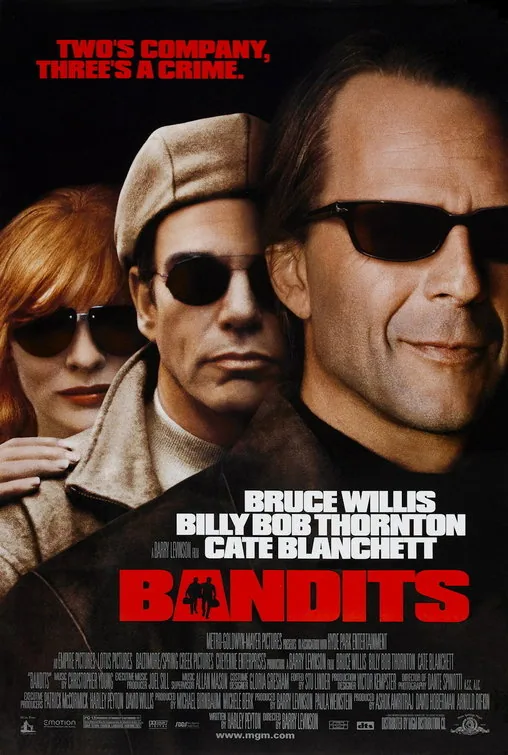
Two escaped convicts become unlikely bank robbers, using a hostage-friendly approach that makes them folk heroes and draws the police into pursuit. Their partnership changes when a restless woman joins them and both men begin to care for her. The film mixes criminal escapades with romantic uncertainty, asking whether the trio can maintain its unconventional freedom once affection, jealousy and public attention alter the terms of their arrangement.
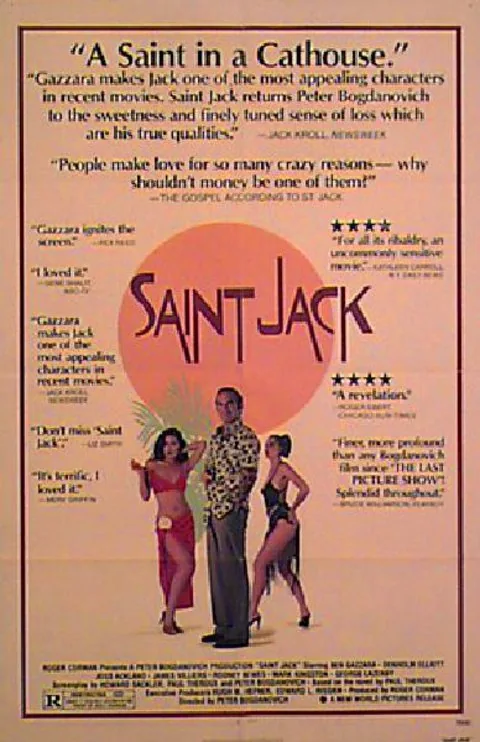
Jack Flowers is an American expatriate living by his wits in 1970s Singapore, where he manages sex work and moves easily through the city’s foreign-business and criminal circles. He presents himself as a reliable intermediary for a powerful local businessman and takes on an assignment involving British accountant William Leigh. Jack tries to be both hustler and host, introducing Leigh to expatriate nightlife while privately looking for a more respectable foothold. His plans repeatedly meet the limits of his position, and the film follows his improvisations through a city where colonial privilege, local power, and personal survival overlap.
What drives the story
Jack’s confidence helps him move between expatriates and local power brokers, but it also disguises how little control he has over his future.
The people at its centre
His relationship with William Leigh turns an ordinary assignment into a test of hospitality, obligation, and each man’s self-image.
What it feels like
The film’s scenes accumulate as a portrait of a city and its transient communities rather than a tightly plotted rise to power.
Worth knowing
This is a character study of an American outsider in Singapore’s nightlife and underworld, not a conventional crime thriller.
Exile and belongingSocial hierarchyWork and ambition