Explore films connected to Empire Records through Youth and self-discovery, Independent culture, Workplace friendship. Choose the qualities you want to carry into your next watch.
What should feel similar?
Find your next favourite
9 films · Closest overall matches
Hide films you’ve seen or don’t want. Saved on this device.
No matches for this combination yet.
Try another option or reset your choices to see more films.
Based on recorded story, mood and style. Your preferences can change the order.
Music and performance
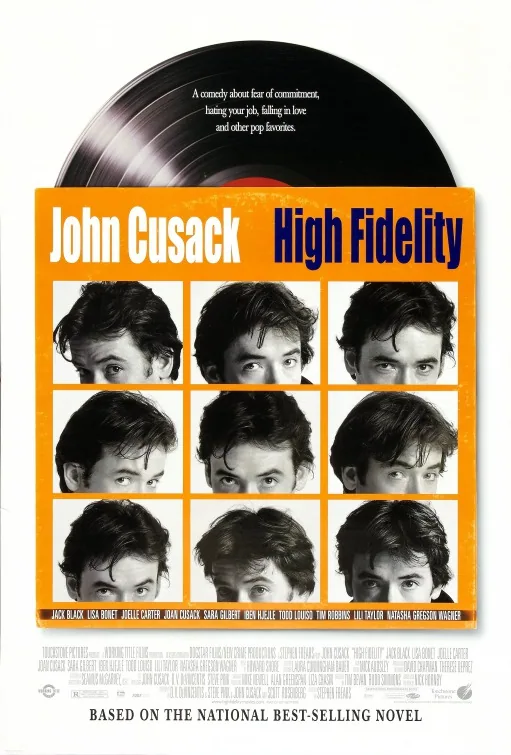
What changes Empire Records: single-day ensemble structure, interwoven character stories and music-led scene transitions. High Fidelity: conversational and episodic.
Record-store owner Rob revisits five past relationships while trying to understand why romance keeps ending badly. His breakup with Laura sends him back through old grievances, friendships and the music lists he uses to organize experience. The film treats pop taste as a vocabulary for self-invention, while showing how clever explanations can postpone accountability. Direct address and a record-shop ensemble give the romantic comedy an informal rhythm shaped by songs and argument.
Based on recorded story, mood and style. Your preferences can change the order.
Music and performance
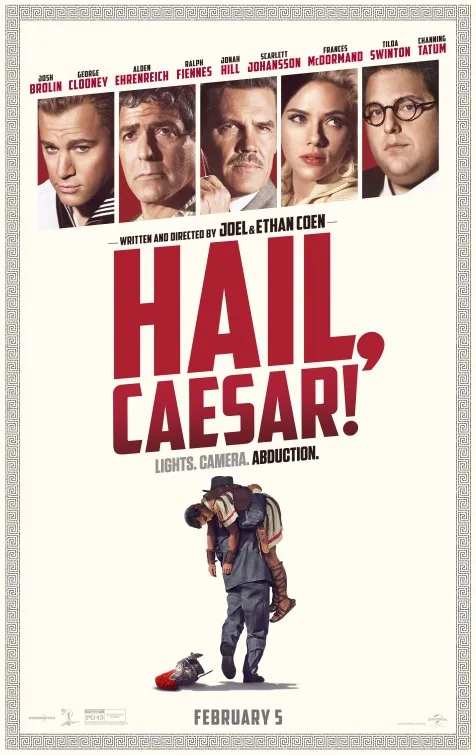
What changes Empire Records: single-day ensemble structure, interwoven character stories and music-led scene transitions. Hail, Caesar!: episodic.
A studio fixer moves among productions, scandals and performers whose public images require constant maintenance. The kidnapping of a major star adds a ransom problem to a workday already filled with miscasting, concealed pregnancy and aggressive gossip reporting. An alternative career offers escape from these recurring crises, yet the apparent disorder also reveals the collective labor behind popular illusion. The ensemble comedy treats movie-making as absurd, compromised work that can still command an unexpectedly sincere form of devotion.
Based on recorded story, mood and style. Your preferences can change the order.
Music and performance
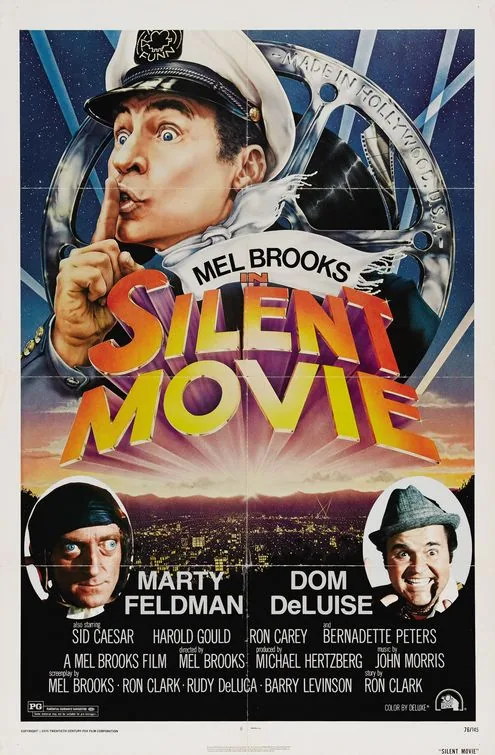
What changes Empire Records: single-day ensemble structure, interwoven character stories and music-led scene transitions. Silent Movie: rapid, sketchlike and escalating.
Mel Funn, a once-successful director recovering from alcoholism, proposes an all-silent feature to save a studio from a hostile corporate takeover. With his associates Marty and Dom, he tries to recruit major stars while adapting to a sound-era world that no longer expects silent comedy. A parade of celebrity appearances, visual gags and production mishaps becomes the film's argument for physical comedy, capped by an unexpected cameo with a single spoken word.
Based on recorded story, mood and style. Your preferences can change the order.
Coming of age
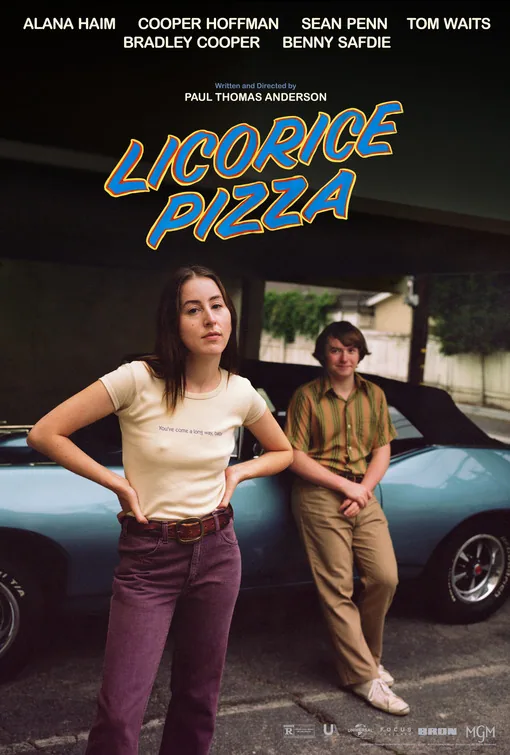
What changes Empire Records: single-day ensemble structure, interwoven character stories and music-led scene transitions. Licorice Pizza: episodic and meandering.
In 1970s San Fernando Valley, teenage actor Gary and young Alana move through jobs, friendships and chance encounters while trying to decide what adulthood should look like. Their closeness keeps changing shape, and the surrounding adults drift in and out of their plans. The film favors wandering episodes and period atmosphere over a conventional romance plot, treating growing up as uneven and improvisational.
Based on recorded story, mood and style. Your preferences can change the order.
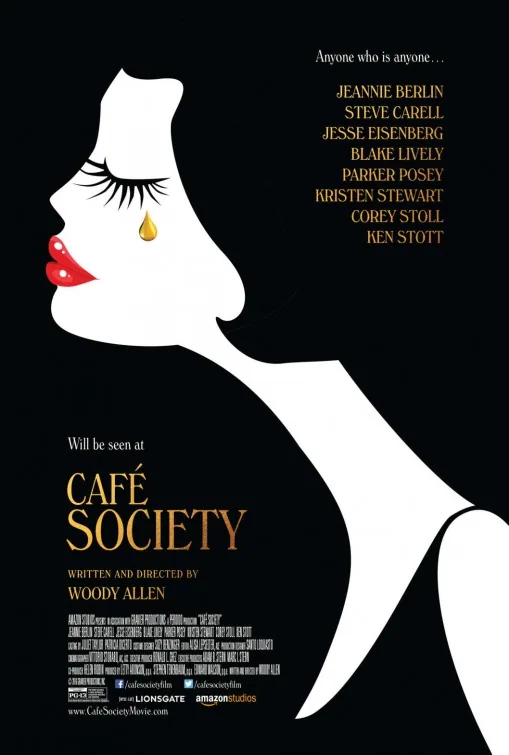
What changes Empire Records: single-day ensemble structure, interwoven character stories and music-led scene transitions. Café Society: episodic and measured.
In the 1930s, young New Yorker Bobby Dorfman travels to Hollywood hoping to work for his powerful uncle, a talent agent. He falls for Vonnie, the uncle's secretary, and later returns east to help his brother's nightclub as his romantic and professional choices take new shape. Woody Allen's period comedy-drama moves between Hollywood and New York, observing ambition, family ties and the afterlife of first love.
Based on recorded story, mood and style. Your preferences can change the order.
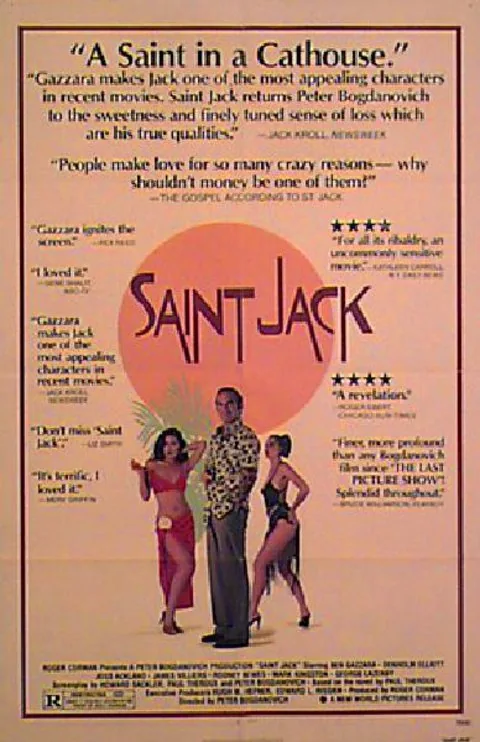
What changes Empire Records: single-day ensemble structure, interwoven character stories and music-led scene transitions. Saint Jack: episodic, character-led, unhurried and observational.
Jack Flowers is an American expatriate living by his wits in 1970s Singapore, where he manages sex work and moves easily through the city’s foreign-business and criminal circles. He presents himself as a reliable intermediary for a powerful local businessman and takes on an assignment involving British accountant William Leigh. Jack tries to be both hustler and host, introducing Leigh to expatriate nightlife while privately looking for a more respectable foothold. His plans repeatedly meet the limits of his position, and the film follows his improvisations through a city where colonial privilege, local power, and personal survival overlap.
Based on recorded story, mood and style. Your preferences can change the order.
Music and performance
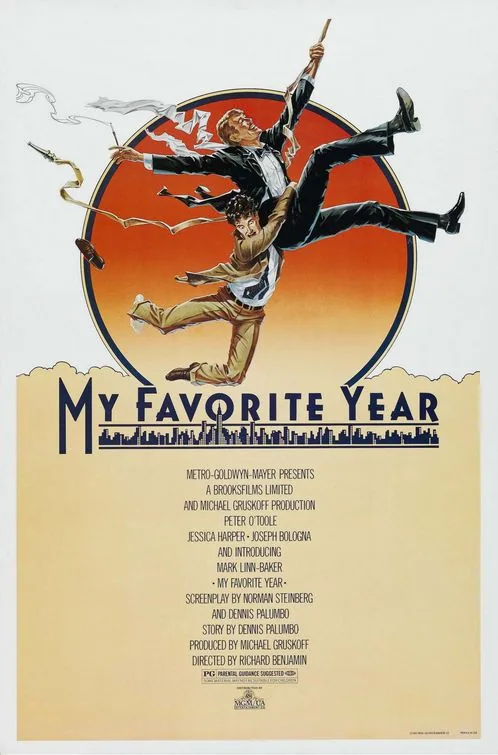
What changes Empire Records: single-day ensemble structure, interwoven character stories and music-led scene transitions. My Favorite Year: one-day build and backstage farce.
A young writer at a live television comedy program is assigned to escort a celebrated but unreliable movie star through New York before a broadcast. The star's appetite for drink and distraction threatens the episode, while the writer discovers a more complicated person beneath the public image. The comedy draws on backstage chaos and a mentor-like connection between a novice and a performer.
Based on recorded story, mood and style. Your preferences can change the order.
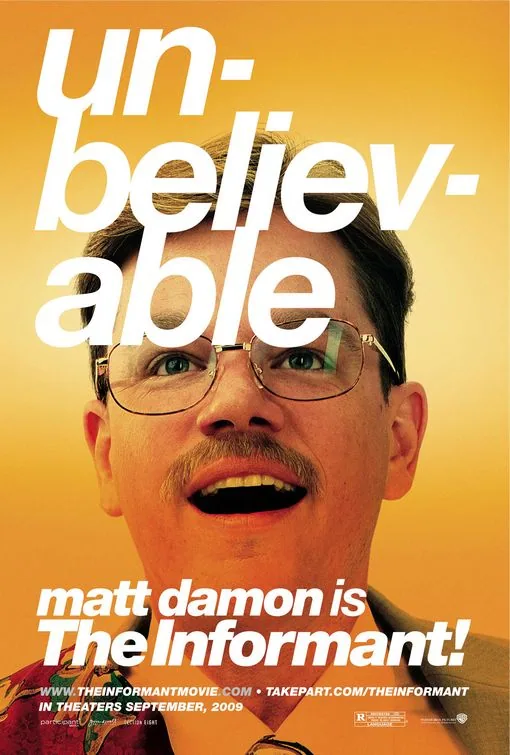
What changes Empire Records: single-day ensemble structure, interwoven character stories and music-led scene transitions. The Informant!: episodic and measured.
A mid-level executive approaches federal investigators claiming that his company is involved in price-fixing, positioning himself as a valuable insider. The inquiry grows more complicated as his accounts shift and his own conduct becomes a subject of scrutiny. The film uses deadpan humor and an unreliable central perspective to explore self-justification, corporate misconduct and the gap between a person’s public explanation and private motives.
Based on recorded story, mood and style. Your preferences can change the order.
Music and performance
What changes Empire Records: single-day ensemble structure, interwoven character stories and music-led scene transitions. Babylon: frenetic and measured.
In late-1920s Hollywood, ambitious newcomers and established performers chase work inside an industry changing from silent pictures to sound. Manny's rise, Nellie's volatile stardom and Jack Conrad's established career each meet a different form of obsolescence; sound reorganizes not only technique but which voices and bodies studios will tolerate. Parties and huge productions display the industry's appetite for spectacle while the people who make it absorb humiliation and risk. Damien Chazelle's fictional ensemble is a feverish, often abrasive meditation on cinema's capacity to preserve images while discarding workers.
On a single day at an independent Delaware record store, a group of young employees face the possibility that their shop will be absorbed by a large chain. Lucas’s overnight attempt to protect the business creates a financial problem, while an in-store appearance by pop star Rex Manning adds pressure and draws customers. Allan Moyle’s ensemble comedy-drama follows the staff’s work, friendships, romances, and personal crises as they decide whether Empire Records is worth saving together.
What drives the story
The staff must protect Empire Records from a corporate takeover while coping with a costly mistake and a high-profile store event.
The people at its centre
Young clerks navigate friendship, attraction, insecurity, and responsibility within a shared workplace that feels like their community.
What it feels like
A lively ensemble comedy-drama moves across one day with a defining 1990s soundtrack and an affectionate record-store setting.
Worth knowing
It is a single-day workplace ensemble about an independent music shop, not a story centered on a touring band.
Youth and self-discoveryIndependent cultureWorkplace friendship
Mood
Energetic · Wry · Nostalgic
Pacing
Single-day ensemble structure · Interwoven character stories · Music-led scene transitions
Visual style
1990s record-store interiors · Bright youth-culture styling · Music performance and soundtrack cues
Storytelling
One workday at independent record store · Staff tries to prevent corporate sale · Personal crises unfold around in-store event