A discouraged songwriter and a fallen producer build a record together in the streets of New York.
Why this matches +
A talkative adult's romantic self-image is tested by friendship, past mistakes and ordinary emotional responsibility.
Genres: Drama / Music
Shared film traits
Based on recorded story, mood and style. Your preferences can change the order.
Music and performance
What changes High Fidelity: conversational and episodic. Begin Again: song-led and steady.
After a record executive loses his job and a songwriter is hurt by her partner's sudden success, the two meet in a New York bar and imagine making an album outside the usual studio system. They recruit musicians to record across the city, turning streets and rooftops into temporary performance spaces. John Carney's musical drama links creative renewal to collaboration, friendship and the willingness to start without certainty.
Retrospective narration revisits a romance through a self-questioning performance that can explain a relationship more easily than recover it.
Why this matches +
A talkative adult's romantic self-image is tested by friendship, past mistakes and ordinary emotional responsibility.
Genres: Drama / Romance
Shared film traits
Based on recorded story, mood and style. Your preferences can change the order.
What changes High Fidelity: conversational and episodic. Annie Hall: measured.
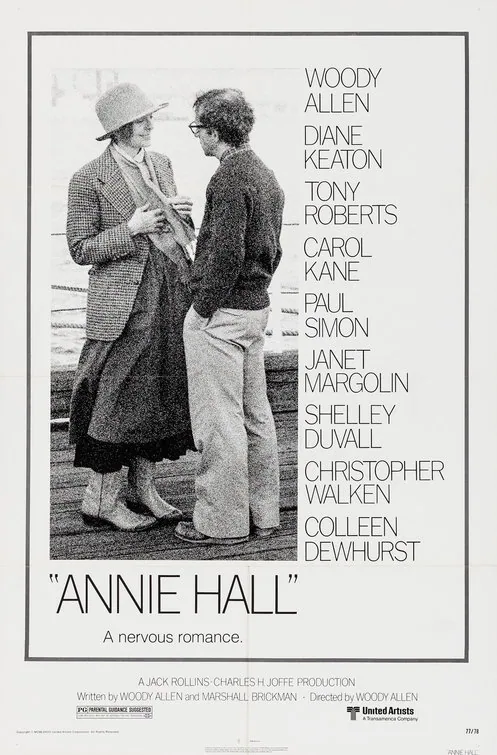
A New York comedian looks back over a failed relationship with a woman whose interests and confidence changed during their time together. Shared routines, sexual anxiety and professional opportunity become material for an account that repeatedly interrupts itself to argue with memory and the audience. His attempt to explain the breakup exposes both affection and the limits of a personality more practised at analysing dissatisfaction than making room for another person's independence.
A long friendship changes as repeated encounters and failed relationships challenge two people's theories about intimacy.
Why this matches +
A talkative adult's romantic self-image is tested by friendship, past mistakes and ordinary emotional responsibility.
Genres: Romance / Comedy
Shared film traits
Based on recorded story, mood and style. Your preferences can change the order.
What changes High Fidelity: conversational and episodic. When Harry Met Sally: measured.
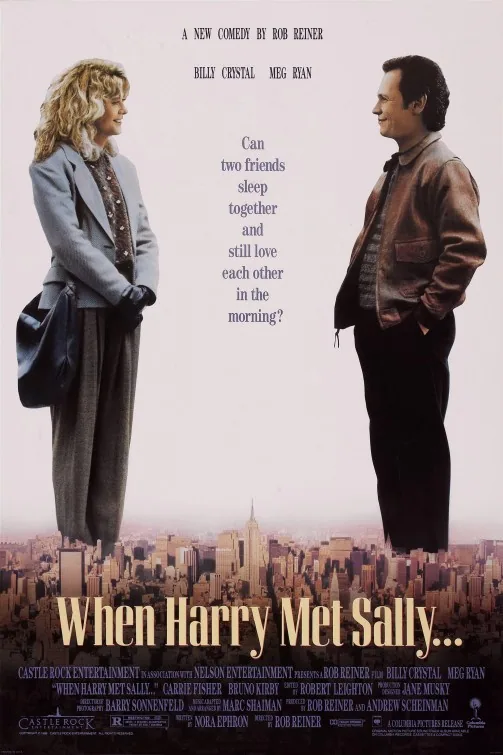
Two people who initially dislike each other repeatedly cross paths over the years and eventually become close friends. Their arguments about attraction, compatibility and whether friendship can remain separate from sex are tested by changing relationships and shared vulnerability. Familiarity gradually makes their connection harder to categorise, placing the safety of friendship against the risk of asking for more.
Recording music gives two strangers a shared project without pretending it can solve every practical problem.
Why this matches +
A talkative adult's romantic self-image is tested by friendship, past mistakes and ordinary emotional responsibility.
Genres: Musical
Shared film traits
Based on recorded story, mood and style. Your preferences can change the order.
Memory and identity · Music and performance
What changes High Fidelity: conversational and episodic. Once: gentle and song-linked.
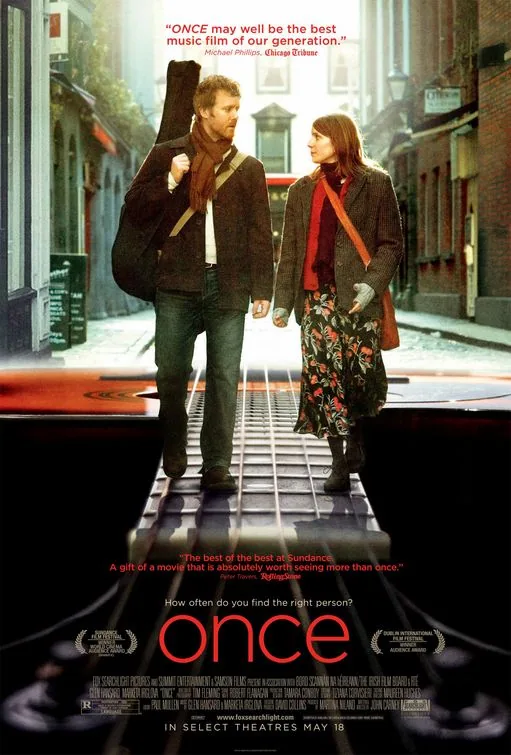
A Dublin street musician meets a Czech immigrant who recognizes his songs and encourages him to record them. Their collaboration creates a brief, emotionally close partnership shaped by music, practical responsibilities and lives that are already committed elsewhere. The independent musical keeps performance and everyday labor intertwined, using original songs not as decorative breaks but as the language through which two people express feelings they cannot comfortably turn into a conventional romance.
A musician's repeated attempts to secure work and shelter expose a pattern that talent alone cannot resolve.
Why this matches +
A talkative adult's romantic self-image is tested by friendship, past mistakes and ordinary emotional responsibility.
Genres: Drama / Music
Shared film traits
Based on recorded story, mood and style. Your preferences can change the order.
Music and performance
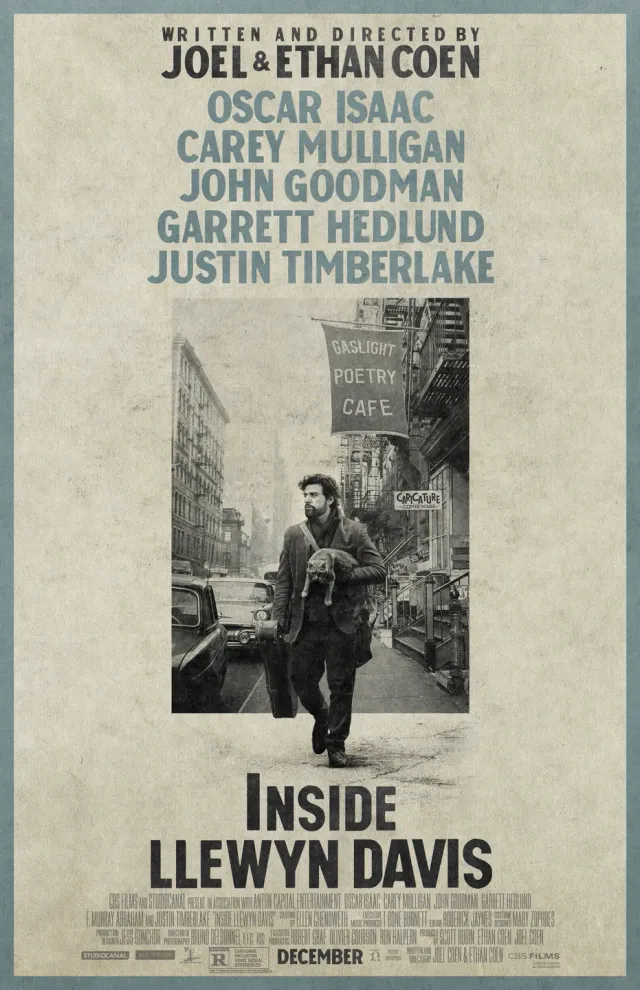
What changes High Fidelity: conversational and episodic. Inside Llewyn Davis: measured.
A struggling folk singer moves between borrowed sofas, uncertain gigs and failed professional opportunities in an early-1960s music scene. Small obligations and self-defeating encounters interrupt every attempt to gain momentum. Grief and pride remain difficult for him to articulate, leaving his artistry at odds with the practical and emotional cooperation that a sustainable life might require.
Eva’s new friendship and romance overlap, making private judgments increasingly difficult to separate from direct experience.
Why this matches +
A talkative adult's romantic self-image is tested by friendship, past mistakes and ordinary emotional responsibility.
Genres: Romance / Comedy
Shared film traits
Based on recorded story, mood and style. Your preferences can change the order.
What changes High Fidelity: conversational and episodic. Enough Said: conversational and gradual relationship development.
Eva, a divorced massage therapist and mother, begins a tentative relationship with Albert, a warm, soft-spoken father whose daughter is about to leave for college. At the same time, Eva becomes friends with a new client, Marianne, who talks openly about her former husband without Eva realizing that he is Albert. Secondhand stories begin to color Eva’s view of the man she is getting to know. Nicole Holofcener’s romantic comedy-drama follows adults navigating intimacy, insecurity, and parenting with gentle humor and careful attention to everyday conversation.
A friendship's changed practical arrangements expose a precarious creative career, turning repeated moves into a test of whether adaptation can occur without interpreting every change as abandonment.
Why this matches +
A talkative adult's romantic self-image is tested by friendship, past mistakes and ordinary emotional responsibility.
Genres: Drama / Comedy
Shared film traits
Based on recorded story, mood and style. Your preferences can change the order.
Expect wry and reflective, with episodic pacing.
A dancer in New York assumes that the life she shares with her closest friend can continue while each moves toward a creative future. Changes in housing, money and the friend's relationship expose how much stability that imagined partnership has supplied. Drifting through temporary rooms and impractical gestures, Frances must distinguish preserving an attachment from requiring it to keep confirming an identity her working life no longer supports in the same way.
declining career raising the question of life beyond the road
Why this matches +
A talkative adult's romantic self-image is tested by friendship, past mistakes and ordinary emotional responsibility.
Genres: Drama / Music
Shared film traits
Based on recorded story, mood and style. Your preferences can change the order.
Music and performance
What changes High Fidelity: conversational and episodic. Crazy Heart: measured and reflective.
A once-successful country singer performs in modest venues while alcohol and a drifting life erode his work and relationships. A journalist’s interest and a bond with her young son offer a reason to imagine change, but recovery requires choices romance cannot make for him. The drama follows an aging musician through music, regret and accepting responsibility for his future.
A young reporter's privileged access creates attachments that threaten the honesty of the article through which he hopes to become a professional.
Why this matches +
A talkative adult's romantic self-image is tested by friendship, past mistakes and ordinary emotional responsibility.
Genres: Drama / Comedy
Shared film traits
Based on recorded story, mood and style. Your preferences can change the order.
Music and performance
What changes High Fidelity: conversational and episodic. Almost Famous: steady.
A teenage aspiring music writer receives an assignment to follow a rising rock band on tour. Access brings mentorship, excitement, and a precarious sense of belonging, but intimacy with the musicians and their companions makes honest reporting feel like betrayal. As professional ambition and adolescent attachment converge, he must decide whether being welcomed inside the story is compatible with describing how its glamour distributes care and harm.
A mutually chosen separation becomes adversarial when distance, career choices and lawyers make custody a proxy for unresolved marital grievances.
Why this matches +
A talkative adult's romantic self-image is tested by friendship, past mistakes and ordinary emotional responsibility.
Genres: Drama / Romance
Shared film traits
Based on recorded story, mood and style. Your preferences can change the order.
What changes High Fidelity: conversational and episodic. Marriage Story: measured.
Theatre director Charlie and actor Nicole try to separate without turning their life with young son Henry into a legal contest. Nicole takes a television role in Los Angeles and returns to her family there, while Charlie's work and home remain in New York. Their attempt to use a mediator breaks down; lawyers turn private disappointments into strategic claims over custody and money. A bitter argument makes years of resentment audible, but practical care and shared history remain after the marriage ends. They reach an arrangement that lets Nicole and Henry stay in California while Charlie keeps an active role.
A brief reunion creates a deadline for Jesse and Celine to decide what their shared past means now.
Why this matches +
An unusual encounter or speculative disruption forces an adult to reconsider the relationships they have taken for granted.
An adjacent discovery: a related idea with a different viewing experience.
Genres: Drama / Romance
Shared film traits
Based on recorded story, mood and style. Your preferences can change the order.
Memory and identity
What changes High Fidelity: conversational and episodic. Before Sunset: unhurried and dialogue-led.
Nine years after meeting as young travelers, Jesse and Celine unexpectedly reunite in Paris and spend the afternoon walking and talking before his departure. Their conversation revisits the intimacy and choices that shaped their separate lives, revealing attraction alongside regret and responsibility. The film lets time, dialogue and a real-time deadline carry the drama, asking whether recognition can change the direction of adulthood.
A voluntary interruption to two journeys creates a brief interval in which strangers can test connection without knowing its eventual cost.
Why this matches +
An unusual encounter or speculative disruption forces an adult to reconsider the relationships they have taken for granted.
An adjacent discovery: a related idea with a different viewing experience.
Genres: Drama / Romance
Shared film traits
Based on recorded story, mood and style. Your preferences can change the order.
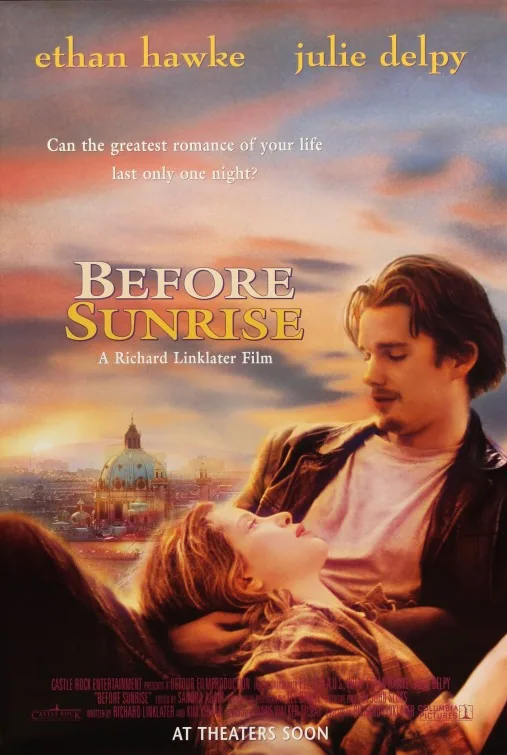
What changes High Fidelity: conversational and episodic. Before Sunrise: measured.
An American traveller persuades a French student he meets on a train to spend an evening walking with him through Vienna before his departure. With no shared past and little immediate accountability, conversation moves quickly between flirtation, embarrassment and competing ideas about adulthood. The approaching train gives ordinary encounters and pauses a temporary intensity, making the possibility of intimacy inseparable from the knowledge that the meeting may not become a continuing life.
An anonymous correspondence creates emotional closeness between people whose public roles place them on opposite sides of a commercial threat.
Why this matches +
An unusual encounter or speculative disruption forces an adult to reconsider the relationships they have taken for granted.
An adjacent discovery: a related idea with a different viewing experience.
Genres: Romance / Comedy
Shared film traits
Based on recorded story, mood and style. Your preferences can change the order.
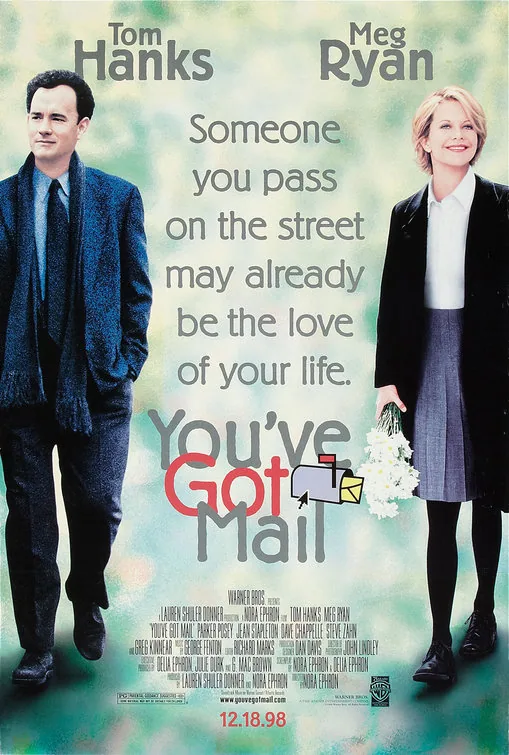
What changes High Fidelity: conversational and episodic. You've Got Mail: seasonal progression.
Kathleen Kelly runs a small children’s bookstore in Manhattan and resents the arrival of a large chain store owned by Joe Fox. Offline, they are professional rivals; online, they exchange anonymous emails and form a warm friendship without realizing who the other person is. Their digital intimacy grows as the bookstore competition threatens Kathleen’s livelihood, so the romance must confront a real imbalance in power rather than treating the rivalry as a misunderstanding alone. Nora Ephron updates The Shop Around the Corner for late-1990s email culture and a changing retail landscape. Their online friendship grows around shared tastes and the possibility of being known without first impressions.
The auditor’s effort to find the narrator turns a literary device into a practical investigation of his own agency.
Why this matches +
An unusual encounter or speculative disruption forces an adult to reconsider the relationships they have taken for granted.
An adjacent discovery: a related idea with a different viewing experience.
Genres: Comedy / Drama
Shared film traits
Based on recorded story, mood and style. Your preferences can change the order.
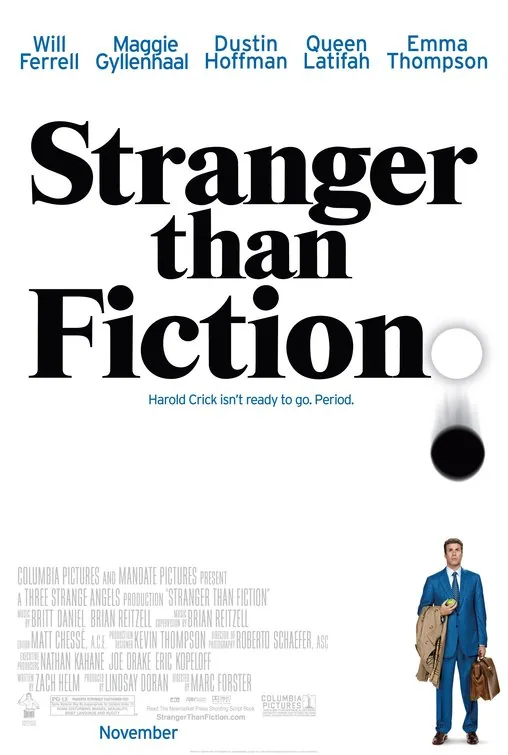
Expect wry and reflective, with measured and conversational pacing.
An IRS auditor begins hearing a narrator describe his actions and becomes convinced that his life is being written toward an ending. He seeks help from a literary scholar while his routines bring him into contact with a baker he is auditing. The comedy uses a self-aware premise to ask whether a person can alter a story without losing the relationships and responsibilities that give life meaning.
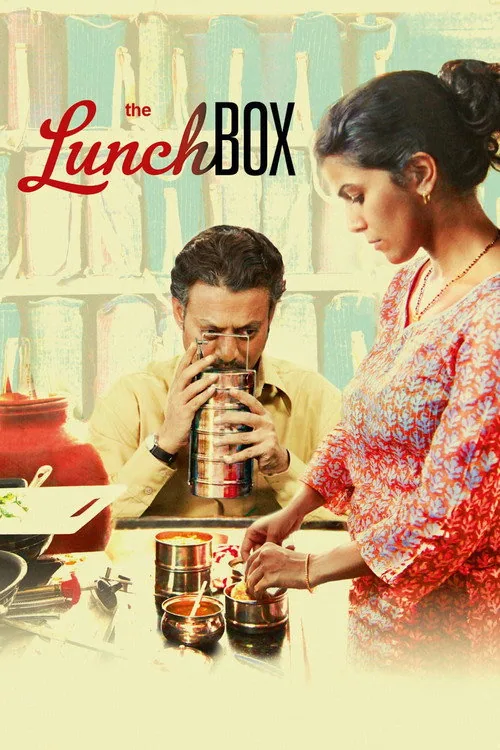
The misdelivered meal gives Ila and Saajan a private channel through which ordinary routines turn into personal conversation.
Why this matches +
An unusual encounter or speculative disruption forces an adult to reconsider the relationships they have taken for granted.
An adjacent discovery: a related idea with a different viewing experience.
Genres: Drama / Romance
Shared film traits
Based on recorded story, mood and style. Your preferences can change the order.
What changes High Fidelity: conversational and episodic. The Lunchbox: slow and intimate and episodic letters and meals.
A meal prepared by Ila for her inattentive husband is mistakenly delivered to Saajan, a lonely widower nearing retirement in Mumbai. When the error goes unnoticed, Ila and Saajan begin exchanging notes through the lunchbox, sharing disappointments and hopes that they rarely express to people around them. Ritesh Batra’s Hindi-language drama follows this correspondence alongside the rhythms of the city’s delivery system, finding intimacy in food, routine, and small acts of attention. Its emotional movement is quiet and open-ended rather than driven by a conventional romantic resolution.
Emily's illness interrupts a breakup before Kumail and her parents have reconciled, changing a private romance into an awkward shared experience of care.
Why this matches +
An unusual encounter or speculative disruption forces an adult to reconsider the relationships they have taken for granted.
An adjacent discovery: a related idea with a different viewing experience.
Genres: Romance / Comedy
Shared film traits
Based on recorded story, mood and style. Your preferences can change the order.
What changes High Fidelity: conversational and episodic. The Big Sick: romantic comedy interrupted by illness and hospital family drama.
Stand-up comic Kumail meets graduate student Emily after one of his performances, and their casual relationship deepens despite family expectations he has not told her about. When Emily becomes seriously ill and is placed in a medically induced coma, Kumail stays in the hospital and meets her parents, Terry and Beth. Their uneasy connection grows into an unexpected family bond while Kumail's own parents keep trying to arrange his marriage. The film brings illness, cultural pressure and career ambition together as Kumail has to decide whether honesty can repair what secrecy has damaged.
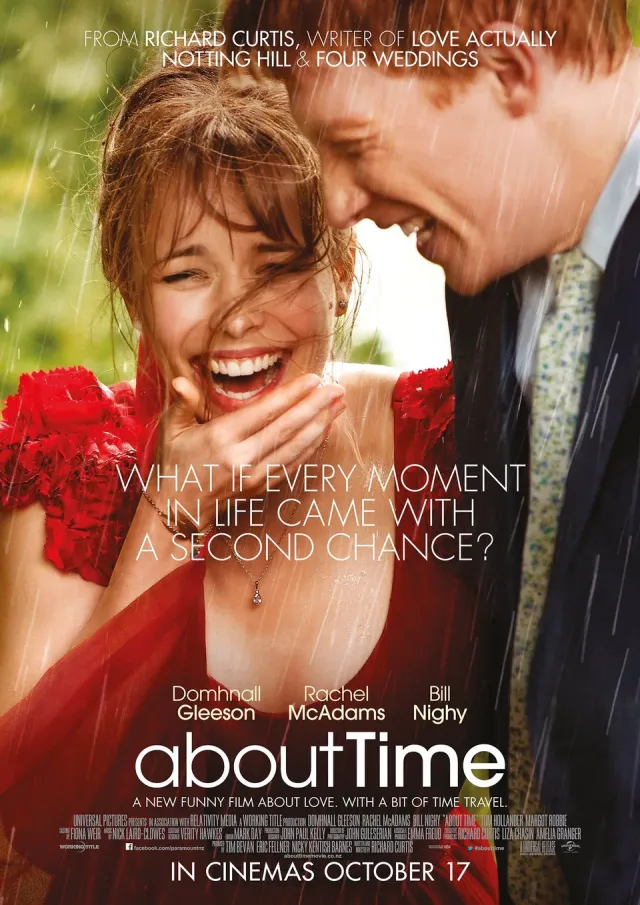
Time travel begins as a means of improving dates and mistakes, but its family consequences place limits on what Tim can revise without changing the people he loves. The film favors emotional consequence over a fully consistent mechanics puzzle.
Why this matches +
An unusual encounter or speculative disruption forces an adult to reconsider the relationships they have taken for granted.
An adjacent discovery: a related idea with a different viewing experience.
Genres: Comedy / Drama
Shared film traits
Based on recorded story, mood and style. Your preferences can change the order.
What changes High Fidelity: conversational and episodic. About Time: measured.
On his twenty-first birthday, Tim learns from his father that the men in their family can travel back through their own lives by entering a dark place and concentrating on a moment. He first uses the ability to repair awkward encounters, then pursues Mary while concealing how much he can revise their shared past. Family life makes the power harder to treat as a private advantage: changes can alter who is born, and returning to earlier moments cannot restore every later attachment. The romantic comedy gradually becomes a story about accepting ordinary days and the grief no perfect revision can remove.
A deliberate erasure process becomes an internal attempt to preserve the relationship it was meant to remove.
Why this matches +
An unusual encounter or speculative disruption forces an adult to reconsider the relationships they have taken for granted.
An adjacent discovery: a related idea with a different viewing experience.
Genres: Science fiction / Romance
Shared film traits
Based on recorded story, mood and style. Your preferences can change the order.
Memory and identity
What changes High Fidelity: conversational and episodic. Eternal Sunshine of the Spotless Mind: measured.
A withdrawn man discovers that his former partner has undergone a procedure erasing their relationship and elects to do the same. While the treatment moves through his memories, moments he wanted to escape become experiences he tries to protect. Their intimacy is revisited in unstable order, exposing both the pain of incompatibility and the attachments that cannot be reduced to a clean decision to forget.
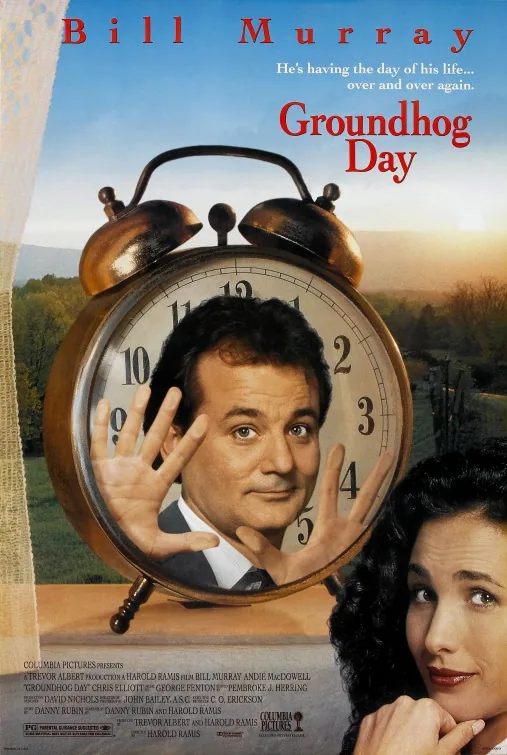
A repeating day removes ordinary consequences while leaving the protagonist with the accumulated emotional cost of how he chooses to spend unlimited attempts.
Why this matches +
An unusual encounter or speculative disruption forces an adult to reconsider the relationships they have taken for granted.
An adjacent discovery: a related idea with a different viewing experience.
Genres: Science fiction / Fantasy
Shared film traits
Based on recorded story, mood and style. Your preferences can change the order.
What changes High Fidelity: conversational and episodic. Groundhog Day: steady.
A television weather presenter sent to cover a small-town ritual finds himself repeating the same day while everyone around him begins each morning without remembering the previous one. Attempts to exploit the situation expose the limits of pleasure, manipulation and private knowledge as answers to an apparently endless life. Attention gradually shifts from finding the right technique for escape towards developing forms of care and skill whose value does not depend on the other people knowing how many attempts preceded them.
An emotionally sustaining relationship becomes unstable as its participants develop at different speeds and scales.
Why this matches +
An unusual encounter or speculative disruption forces an adult to reconsider the relationships they have taken for granted.
An adjacent discovery: a related idea with a different viewing experience.
Genres: Science fiction / Romance
Shared film traits
Based on recorded story, mood and style. Your preferences can change the order.
What changes High Fidelity: conversational and episodic. Her: measured.
A lonely letter writer going through divorce begins speaking with an adaptive operating system whose attention develops into an intimate relationship. The new connection gives him confidence while exposing assumptions about availability, embodiment and emotional exclusivity. As both participants change, comfort becomes inseparable from the uncertainty of loving someone whose experience cannot remain organised around one person's needs.
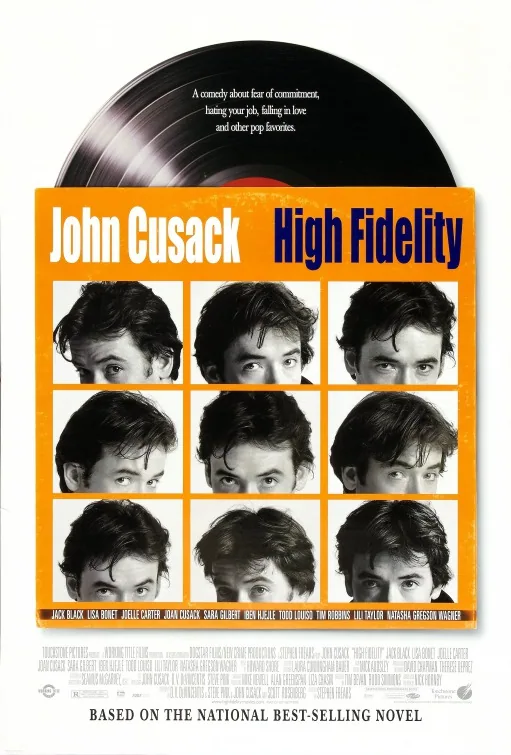
Record-store owner Rob revisits five past relationships while trying to understand why romance keeps ending badly. His breakup with Laura sends him back through old grievances, friendships and the music lists he uses to organize experience. The film treats pop taste as a vocabulary for self-invention, while showing how clever explanations can postpone accountability. Direct address and a record-shop ensemble give the romantic comedy an informal rhythm shaped by songs and argument.
What drives the story
Rob’s lists and recollections give him a way to narrate heartbreak, but each return to the past exposes how nostalgia can disguise his part in a breakup.
The people at its centre
Rob cares for Laura yet keeps interpreting her through his private catalogue of romantic failures; his record-store friends form a chorus that is funny and sometimes enabling.
What it feels like
Direct address, music references and conversational scenes make the comedy feel like an argument with a record collection, moving by digression as much as by plot.
Worth knowing
a music-driven relationship comedy rather than a conventional courtship built on idealized compatibility