Both share bereavement, plus themes of grief and care.
Why this matches +
Genres: Drama / Romance
Shared film traits
Based on recorded story, mood and style. Your preferences can change the order.
What changes The Friend: measured, character-led and quietly cumulative. We Bought a Zoo: gentle escalation and ensemble.
After his wife’s death, Benjamin Mee tries to give his children a fresh start by buying a rural property that includes a neglected zoo. The decision brings him into daily partnership with the keepers, especially head keeper Kelly, as they repair enclosures and prepare for an inspection that will determine whether the animals can stay. Benjamin’s son Dylan resists the move, while daughter Rosie responds more readily to the new home. The family’s grief remains present as the zoo’s restoration gives them a shared task and a possible future. The keepers' knowledge makes the animals depend on a team, not a buyer's optimism. The inspection deadline forces Benjamin to turn grief into a shared plan.
Based on recorded story, mood and style. Your preferences can change the order.
What changes The Friend: measured, character-led and quietly cumulative. Marmaduke: episodic comic adventures.
A Great Dane named Marmaduke moves with the Winslow family from Kansas to California, where a new neighborhood and dog-park hierarchy provide fresh comic trouble. His attempts to fit in, impress another dog and navigate human family life create parallel social mishaps. The family comedy adapts the comic-strip character through talking-animal humor, treating acceptance and loyalty as lessons within a light, episodic adventure.
Based on recorded story, mood and style. Your preferences can change the order.
Family and care · Romance and intimacy
What changes The Friend: measured, character-led and quietly cumulative. The Beach Bum: episodic drift, improvised encounters and loose comic progression.
Moondog is a celebrated but undisciplined poet who drifts through the Florida Keys, writing when inspiration strikes and spending freely on an indulgent lifestyle. His wealthy wife Minnie, their daughter Heather, and Moondog’s literary agent all want different things from him. After a crisis disrupts the arrangement that has supported him, he wanders through a series of loose encounters while trying to finish his book.
Both share themes of friendship, plus an affectionate atmosphere.
Why this matches +
Genres: Drama / Comedy
Shared film traits
Based on recorded story, mood and style. Your preferences can change the order.
Family and care · Romance and intimacy
What changes The Friend: measured, character-led and quietly cumulative. Now and Then: present-day reunion frames episodic memories that build toward a shared childhood discovery.
In 1995, four women return to their Indiana hometown and remember the summer they spent together as twelve-year-olds in 1970. Samantha, Teeny, Roberta and Chrissy each faced different questions about family, growing up and the people they hoped to become. Their childhood plan to build a tree house gives the summer a shared purpose, while a local mystery draws them toward the story of a boy who died years earlier. Adult conversation and flashbacks connect the friends’ present lives with the bonds and discoveries that shaped them, showing how their memories remain a part of who they are.
Based on recorded story, mood and style. Your preferences can change the order.
Memory and identity
What changes The Friend: measured, character-led and quietly cumulative. A Dog's Purpose: episodic lifetimes gather into a reunion arc.
A dog is reborn into several lives, forming different bonds with people while trying to understand the purpose of its repeated returns. Each life changes the animal’s surroundings and relationships, but its capacity for care connects the episodes. The family drama uses a fantastical viewpoint to reflect on loyalty, grief and the ways companionship shapes a human life.
Based on recorded story, mood and style. Your preferences can change the order.
Family and care · Romance and intimacy
What changes The Friend: measured, character-led and quietly cumulative. Muriel's Wedding: comic embarrassment and musical enthusiasm give way to consequences that test the central friendship.
Muriel Heslop dreams of escaping Porpoise Spit, her dreary hometown, and the ridicule of her former friends. An ABBA devotee, she imagines marriage as a route to a more glamorous life. After reconnecting with schoolmate Rhonda, Muriel moves to Sydney and tries to remake herself, adopting a new name and pursuing a marriage that would give her the future she wants. Their friendship offers a more genuine source of confidence, but it is tested when Rhonda becomes seriously ill and Muriel becomes absorbed in her own plans. The comedy follows her movement from desperate imitation toward a clearer sense of responsibility and self-respect.
Based on recorded story, mood and style. Your preferences can change the order.
Family and care · Romance and intimacy
What changes The Friend is tagged gentle and melancholy; The Skeleton Twins is tagged bittersweet and wry.
Maggie is preparing to take her own life when she learns that her estranged twin brother Milo has made a similar attempt in Los Angeles. He comes to stay with her and her husband in their New York hometown, and the siblings resume a closeness that has been interrupted for years. Their old habits and shared history surface as they face present-day dissatisfaction, hidden truths and the different ways they have tried to move forward.
Both share themes of grief and care, plus an affectionate and reflective atmosphere.
Why this matches +
Genres: Comedy / Drama
Shared film traits
Based on recorded story, mood and style. Your preferences can change the order.
Family and care · Romance and intimacy
Expect warm and comic, with character-led and episodic pacing.
After her husband’s death, Marnie Minervini leaves New Jersey for Los Angeles to be closer to her daughter Lori, a screenwriter whose own life has stalled after a breakup. Marnie’s constant calls and practical help overwhelm Lori, so she redirects her energy toward people she meets around the city. A friendship with retired police officer Zipper and several new commitments give Marnie a life that is not organized solely around her daughter.
Based on recorded story, mood and style. Your preferences can change the order.
Family and care · Romance and intimacy
What changes The Friend: measured, character-led and quietly cumulative. The Broken Hearts Gallery: breakup and job loss, creative idea takes shape, gallery grows through visitors and romantic and professional payoff.
Lucy works at a New York art gallery and collects keepsakes from past relationships, until a breakup costs her both her boyfriend and her job. She meets Nick, an aspiring hotelier renovating an old property, and turns her collection into a public gallery where people can leave objects connected to heartbreak. The project gives Lucy a new creative purpose and draws in friends and strangers who recognize themselves in the exhibits. Natalie Krinsky’s romantic comedy follows emotional recovery through friendship, art, and a shared space built from the things people could not throw away.
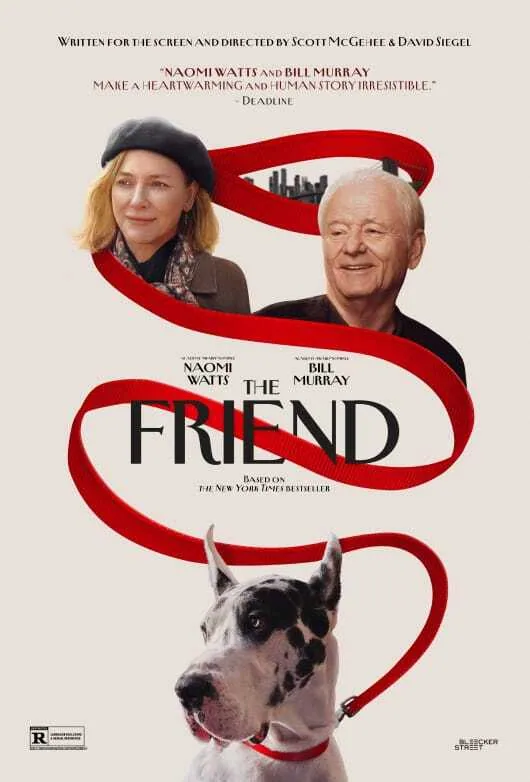
Writer Iris inherits a large Great Dane named Apollo after the death of her close friend and mentor Walter. The dog's needs disrupt her solitary life in a New York apartment where pets are not permitted, while grief makes it difficult for her to ask for help. As Iris and Apollo adjust to one another, their daily routines become a way to face loss and reconsider the relationships she has kept at a distance.
What drives the story
A grieving writer takes in her late friend's Great Dane and reorganizes her life around his care.
The people at its centre
Iris resists dependence while Apollo's needs draw her into contact with neighbors and old memories.
What it feels like
The dog's presence creates practical routines that make grief part of everyday life.
Worth knowing
Its animal-centered companionship complements a restrained portrait of an adult friendship.
griefcompanionshipfriendship
Mood
gentle · melancholy · affectionate · reflective
Pacing
measured · character-led · quietly cumulative
Visual style
New York apartment details · intimate animal performance · subdued city imagery
Storytelling
writer portrait · bereavement · dog companionship · urban domestic drama