Both share themes of family, plus a warm and affectionate atmosphere.
Why this matches +
Genres: Comedy / Drama
Shared film traits
Based on recorded story, mood and style. Your preferences can change the order.
What changes We Bought a Zoo: gentle escalation and ensemble. The Wedding Banquet: brisk, dialogue-driven and ensemble-balanced.
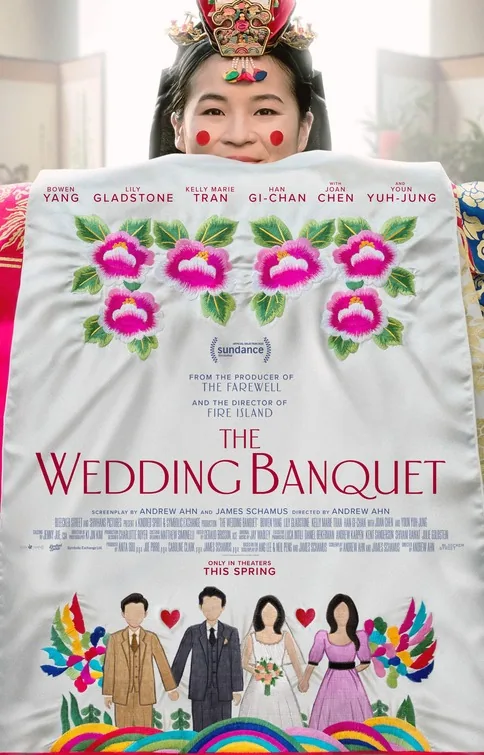
Min and Angela are a couple whose plans for their future become complicated when family expectations and immigration concerns enter the picture. A proposed marriage arrangement brings Min's friend Chris and his partner Lee into a negotiation that touches love, caregiving and chosen family. Andrew Ahn reimagines Ang Lee's earlier story for a contemporary ensemble, using comic misunderstandings to ask how people can honor family obligations while defining relationships on their own terms.
Both share bereavement, plus themes of grief and care.
Why this matches +
Genres: Drama / Comedy
Shared film traits
Based on recorded story, mood and style. Your preferences can change the order.
What changes We Bought a Zoo: gentle escalation and ensemble. The Friend: measured, character-led and quietly cumulative.
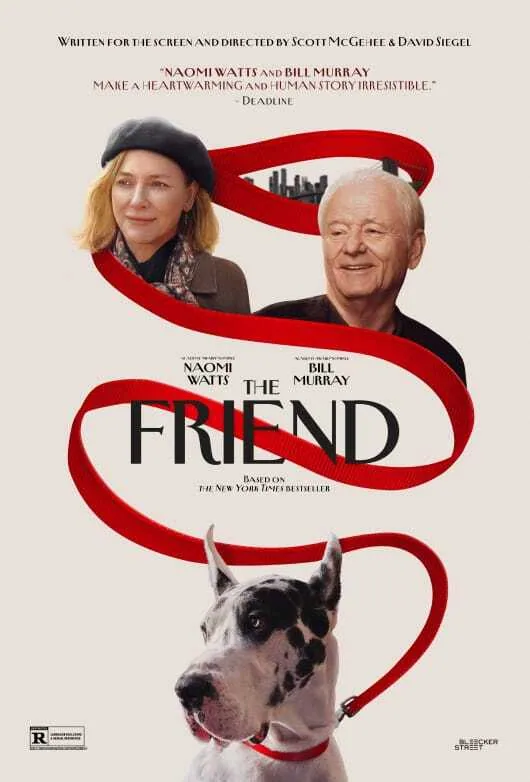
Writer Iris inherits a large Great Dane named Apollo after the death of her close friend and mentor Walter. The dog's needs disrupt her solitary life in a New York apartment where pets are not permitted, while grief makes it difficult for her to ask for help. As Iris and Apollo adjust to one another, their daily routines become a way to face loss and reconsider the relationships she has kept at a distance.
Based on recorded story, mood and style. Your preferences can change the order.
What changes We Bought a Zoo: gentle escalation and ensemble. Dolittle: episodic and quest-driven.
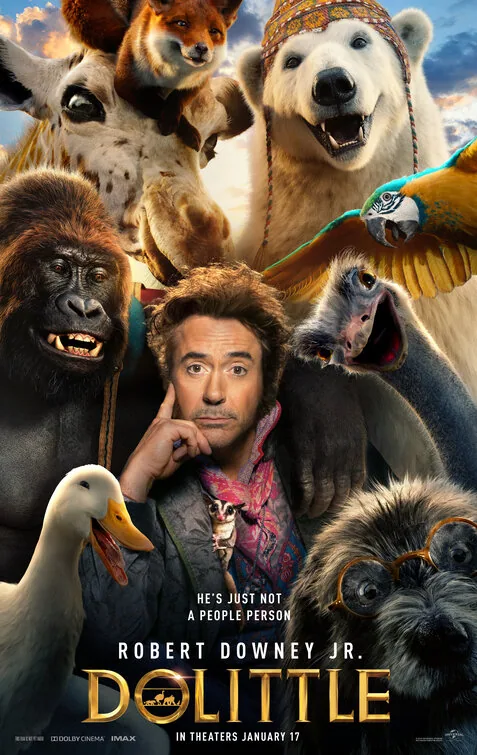
A veterinarian able to speak with animals has withdrawn from human company after losing his wife. When the queen becomes seriously ill, he must leave his sanctuary to search for a rare cure, accompanied by his animal household and a young would-be apprentice. The voyage reconnects professional care with personal grief, mixing comic disputes among creatures with an adventure about allowing others into a protected life.
Both share bereavement, plus themes of grief and family.
Why this matches +
Genres: Drama / Romance
Shared film traits
Based on recorded story, mood and style. Your preferences can change the order.
What changes We Bought a Zoo: gentle escalation and ensemble. Someone Like You: gentle, emotional and relationship-led.
After his best friend London dies unexpectedly, architect Dawson Gage tries to comfort London's grieving family and remains closely involved in their lives. He meets London's twin sister, Andi, who was separated from her sibling before birth, and becomes drawn into a search for her origins. The romantic drama links grief and faith to questions about identity and family, as Dawson and Andi build a relationship while carrying different forms of loss and uncertainty.
Both centre on family restoration and care partnership.
Why this matches +
Genres: Family / Comedy
Shared film traits
Based on recorded story, mood and style. Your preferences can change the order.
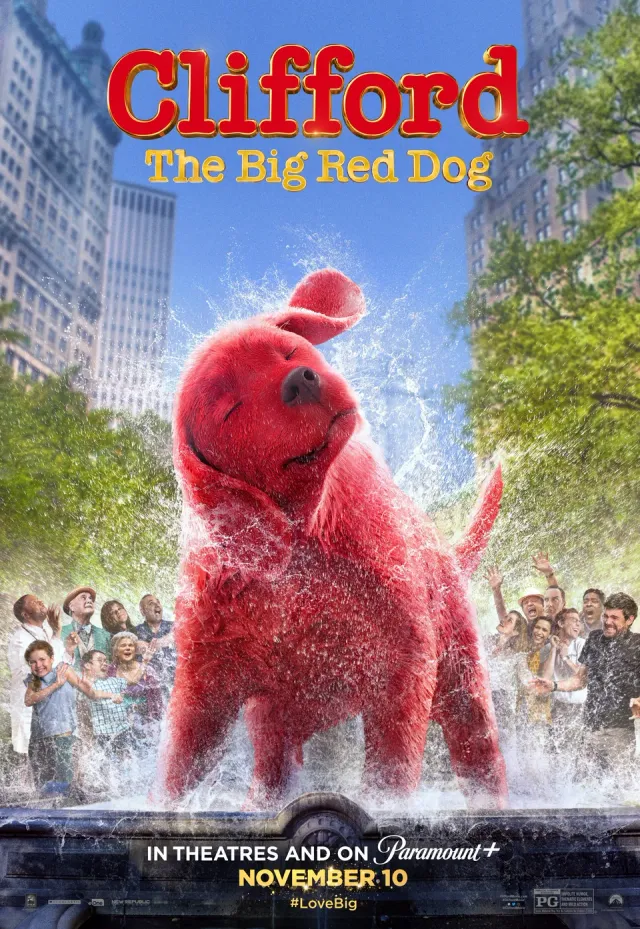
What changes We Bought a Zoo: gentle escalation and ensemble. Clifford the Big Red Dog: light and adventure-led.
Young Emily Elizabeth receives a small red puppy from an unusual animal rescuer, Mr. Bridwell, and finds that the dog grows enormously when he is loved. She and her uncle Casey try to protect Clifford as the giant pet attracts attention across New York City. When a biotechnology company sees a business opportunity in Clifford’s unusual size, the family must keep him safe while helping him find his place in the neighborhood.
Based on recorded story, mood and style. Your preferences can change the order.
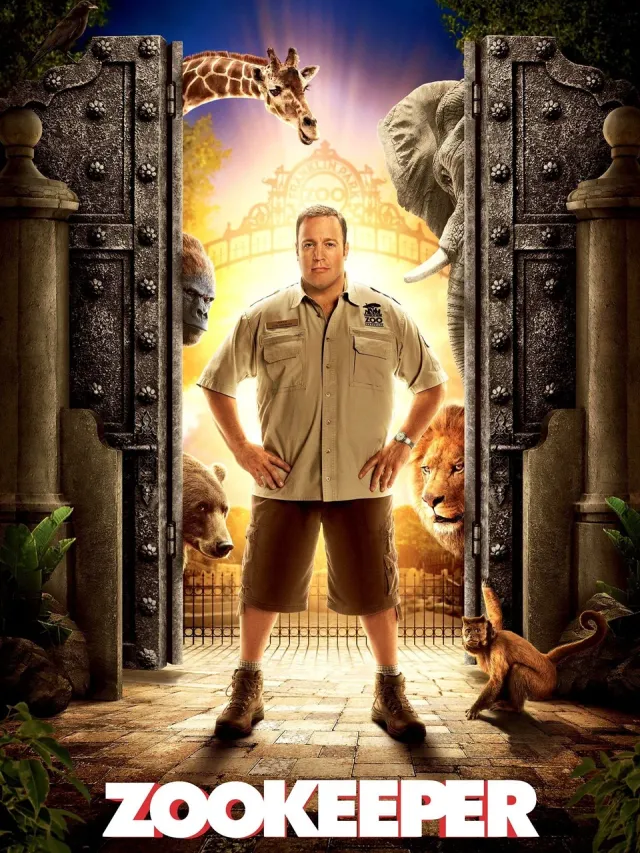
What changes We Bought a Zoo: gentle escalation and ensemble. Zookeeper: episodic and set-piece driven.
A kind-hearted zookeeper decides that his romantic failures mean he should leave the work he loves. The zoo animals, who have secretly understood human speech all along, break their silence to coach him through courtship using advice drawn from their own peculiar instincts. Their meddling sends the story between animal-comedy set pieces and a mild lesson about confidence and authenticity.
Based on recorded story, mood and style. Your preferences can change the order.
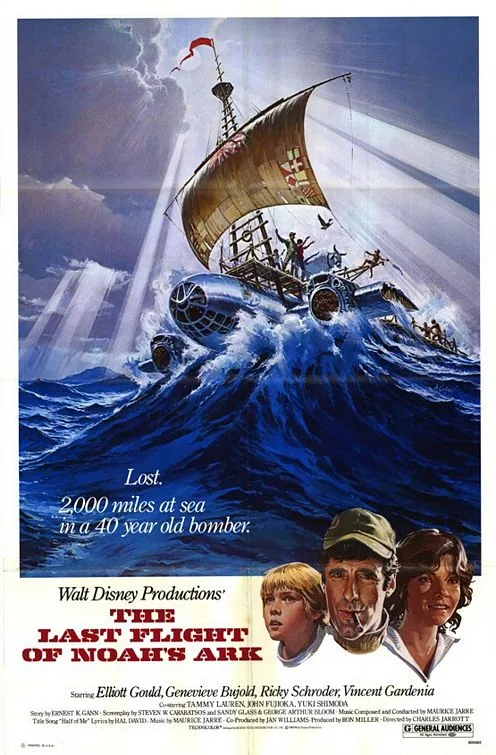
What changes We Bought a Zoo: gentle escalation and ensemble. The Last Flight of Noah's Ark: travel-led, crisis-driven, family adventure and gentle resolution.
Noah Dugan is a debt-ridden pilot hired to fly a worn B-29 and a cargo of animals to a remote South Pacific island. Missionary Bernadette Lafleur is traveling with him, along with two children from the orphanage she serves; the children secretly board the plane because they fear for the animals. A mechanical problem forces the group down far from their destination, where the survivors must improvise shelter, supplies, and a way home. Noah’s impatience and Bernie’s idealism gradually give way to cooperation as adults, children, and animals depend on one another.
Based on recorded story, mood and style. Your preferences can change the order.
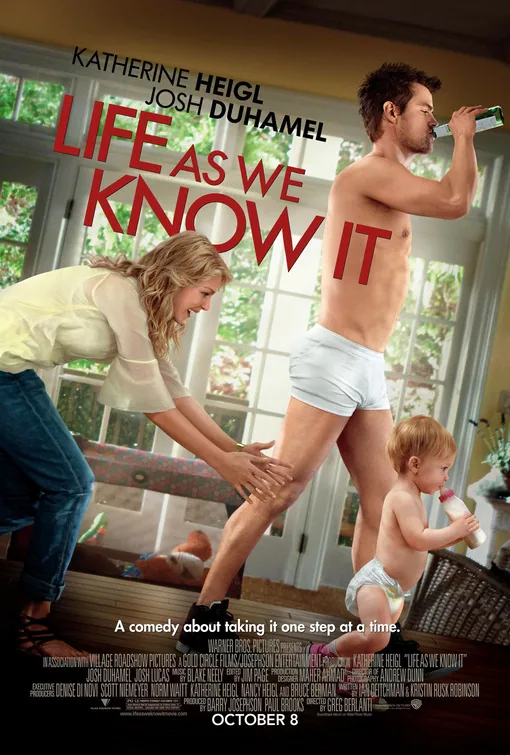
What changes We Bought a Zoo: gentle escalation and ensemble. Life as We Know It: character-led and comic escalation.
After their closest friends die in an accident, Holly Berenson and Eric Messer discover that the couple named them guardians of their infant daughter. The two adults have little in common and initially struggle to share a home, work schedules and childcare. Daily practical demands gradually create a partnership, while grief and responsibility make clear that a new family can form without erasing the people who are gone.
Based on recorded story, mood and style. Your preferences can change the order.
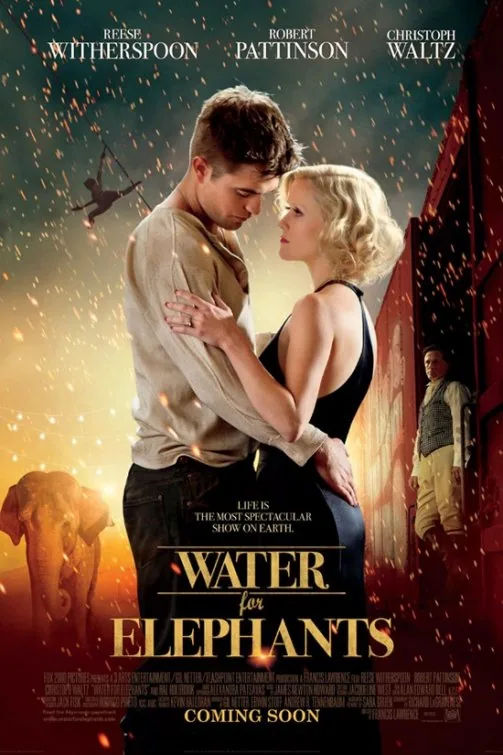
What changes We Bought a Zoo: gentle escalation and ensemble. Water for Elephants: measured and period melodrama.
During the Great Depression, veterinary student Jacob Jankowski joins a traveling circus after the death of his parents disrupts his plans. He cares for the animals and grows close to Marlena, a performer married to the controlling ringmaster August. The circus offers spectacle and an improvised community, but its fragile finances and August's temper create danger behind the show, putting Jacob's affection and compassion to a test.
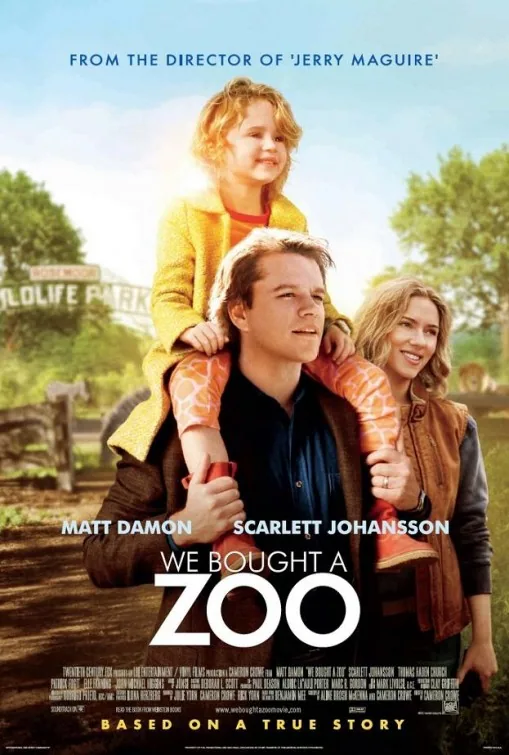
After his wife’s death, Benjamin Mee tries to give his children a fresh start by buying a rural property that includes a neglected zoo. The decision brings him into daily partnership with the keepers, especially head keeper Kelly, as they repair enclosures and prepare for an inspection that will determine whether the animals can stay. Benjamin’s son Dylan resists the move, while daughter Rosie responds more readily to the new home. The family’s grief remains present as the zoo’s restoration gives them a shared task and a possible future. The keepers' knowledge makes the animals depend on a team, not a buyer's optimism. The inspection deadline forces Benjamin to turn grief into a shared plan.
What drives the story
Reopening the zoo supplies a concrete deadline and a communal project through which a bereaved family can begin living together again.
The people at its centre
Benjamin’s urge to fix the property sometimes masks his uncertainty as a parent; Kelly’s professional commitment and Dylan’s withdrawal challenge his choices from different directions.
What it feels like
The movie balances animal-care scenes, family arguments and light romance in a warm, accessible drama rather than a high-pressure rescue story.
Worth knowing
A fit for hopeful family dramas about grief, rebuilding and finding purpose through care. The animals and renovation provide a gentler engine than wilderness survival or hard-edged workplace drama.