Both share themes of family, plus a warm and witty atmosphere.
Why this matches +
Genres: Comedy / Romance
Shared film traits
Based on recorded story, mood and style. Your preferences can change the order.
Work and ambition · Family and care
Expect witty and polished, with dialogue-driven and light pacing.
Zara works as an assistant to movie star Chris Cole and feels that her labor is taken for granted. When Chris becomes romantically involved with Zara's widowed mother Brooke, work and family boundaries collapse into an awkward new arrangement. The three characters must confront assumptions about age, celebrity and independence as private feelings become visible in public. The romantic comedy centers the complications of adult relationships and a daughter's changing place in her family.
Based on recorded story, mood and style. Your preferences can change the order.
Work and ambition
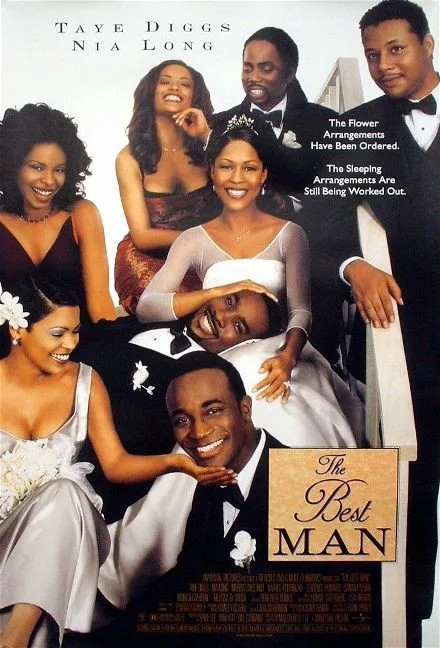
What changes The Wedding Banquet: brisk, dialogue-driven and ensemble-balanced. The Best Man: bachelor-party events and private conversations raise the pressure on harper to tell lance the truth.
Writer Harper Stewart travels to New York for the wedding of his college friend Lance, bringing an unpublished secret into a weekend with their old circle. Jordan has circulated an advance copy of Harper’s novel, which draws from their shared past and threatens to expose Harper’s one-night encounter with the bride, Mia. The wedding gathering revives old loyalties, rivalries and questions about commitment as Harper weighs honesty against the damage a confession could cause. The friends’ celebration becomes a reckoning with who they were and what they owe one another now.
Based on recorded story, mood and style. Your preferences can change the order.
What changes The Wedding Banquet: brisk, dialogue-driven and ensemble-balanced. The Invite: conversation-driven and escalating discomfort.
With their marriage on thin ice, Joe and Angela invite their enigmatic upstairs neighbors to dinner. What begins as a social evening moves into unexpected territory, forcing the couple to confront what has gone unsaid between them and whether the encounter might renew their connection or deepen their problems. The story makes one gathering the stage for intimacy, awkwardness and shifting boundaries.
Based on recorded story, mood and style. Your preferences can change the order.
What changes The Wedding Banquet: brisk, dialogue-driven and ensemble-balanced. Happiest Season: travel reveal and family arrival, comic holiday misunderstandings and public confrontation and reconciliation.
Abby plans to propose to her girlfriend Harper during a Christmas visit with Harper's family, but learns on the drive that Harper has not come out to her conservative parents. Asked to pose as a straight roommate until after the holiday, Abby enters an elaborate family performance shaped by a mayoral campaign, sibling rivalry, and old relationships. The festive comedy keeps the couple's private commitment in tension with public concealment, asking what honesty and acceptance require from partners and families.
Based on recorded story, mood and style. Your preferences can change the order.
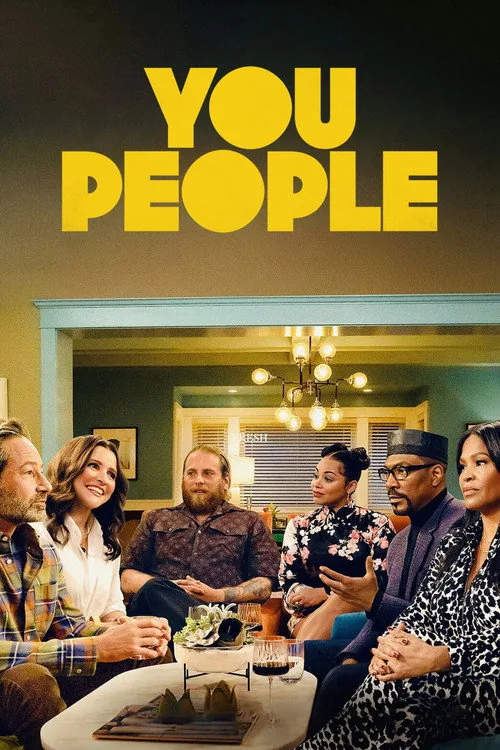
What changes The Wedding Banquet: brisk, dialogue-driven and ensemble-balanced. You People: conversation-driven and episodic family encounters.
Ezra and Amira fall in love in Los Angeles, but their relationship quickly brings them into contact with families who hold different cultural, religious, and generational expectations. As the couple moves toward marriage, parents and relatives clash over identity, history, and what they think a successful relationship should look like. Kenya Barris’s romantic comedy uses the meeting of two families as its central comic engine, balancing awkward social encounters with questions about how couples negotiate difference without letting their relatives define the relationship for them.
Based on recorded story, mood and style. Your preferences can change the order.
What changes The Wedding Banquet: brisk, dialogue-driven and ensemble-balanced. What's Your Number?: breezy, episodic and romance-led.
After losing her job and ending a relationship, Bostonian Ally Darling reads a magazine claim that women with more than twenty past partners struggle to marry. Worried about the implication for her own romantic history, she revisits former boyfriends to see whether one might be a lasting match. Her neighbor Colin, a musician who avoids commitment, helps her track them down in exchange for a place to hide from his latest romantic entanglements. Their search gradually turns into a reconsideration of what makes a relationship work.
Both share themes of family, plus a warm atmosphere.
Why this matches +
Genres: Drama / Comedy
Shared film traits
Based on recorded story, mood and style. Your preferences can change the order.
Work and ambition · Family and care
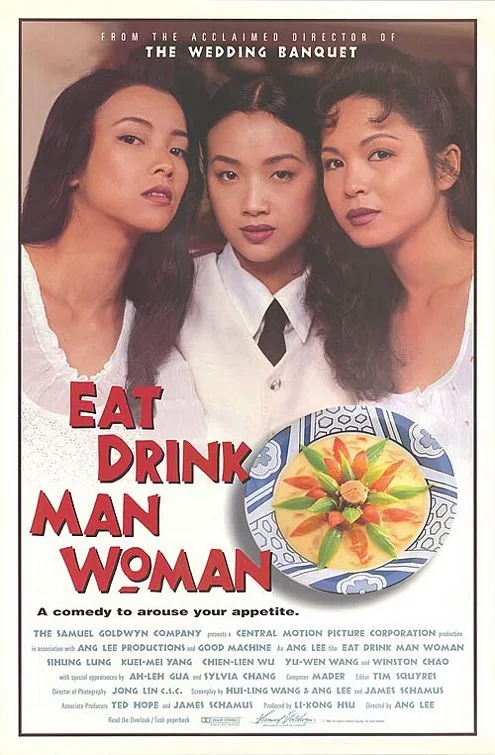
What changes The Wedding Banquet: brisk, dialogue-driven and ensemble-balanced. Eat Drink Man Woman: repeated sunday meals frame separate storylines as each family member makes an unexpected change.
Semi-retired Taipei chef Chu prepares an elaborate Sunday dinner for his three adult daughters, whose lives are moving in different directions. Jia-Jen is a chemistry teacher and Christian; Jia-Chien is an airline executive with a suppressed love of cooking; and Jia-Ning is a college student working at a fast-food restaurant. The family meal gives each woman a place to announce changes, while Chu’s own decisions unsettle the household’s assumptions about him. Across repeated dinners, food becomes both an expression of care and a way to avoid difficult conversation. Ang Lee’s ensemble drama observes how changing relationships can renew a family’s connection.
Both share themes of family, plus a warm and affectionate atmosphere.
Why this matches +
Genres: Drama / Romance
Shared film traits
Based on recorded story, mood and style. Your preferences can change the order.
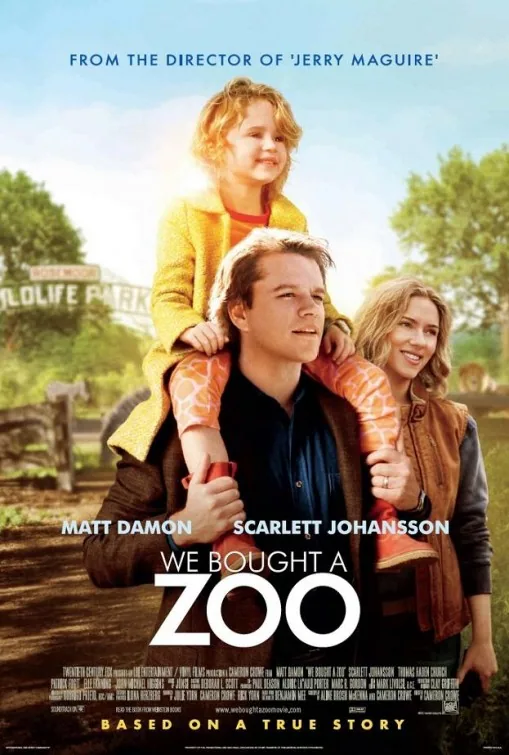
What changes The Wedding Banquet: brisk, dialogue-driven and ensemble-balanced. We Bought a Zoo: gentle escalation and ensemble.
After his wife’s death, Benjamin Mee tries to give his children a fresh start by buying a rural property that includes a neglected zoo. The decision brings him into daily partnership with the keepers, especially head keeper Kelly, as they repair enclosures and prepare for an inspection that will determine whether the animals can stay. Benjamin’s son Dylan resists the move, while daughter Rosie responds more readily to the new home. The family’s grief remains present as the zoo’s restoration gives them a shared task and a possible future. The keepers' knowledge makes the animals depend on a team, not a buyer's optimism. The inspection deadline forces Benjamin to turn grief into a shared plan.
Based on recorded story, mood and style. Your preferences can change the order.
Family and care
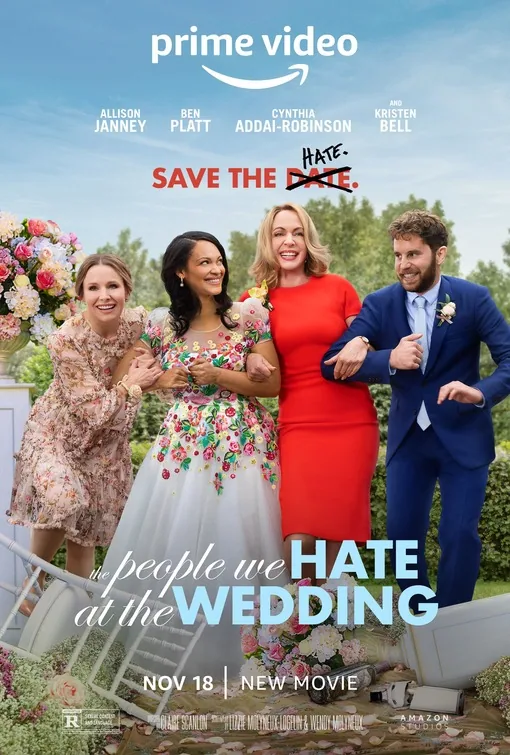
What changes The Wedding Banquet: brisk, dialogue-driven and ensemble-balanced. The People We Hate at the Wedding: fast, farce-driven, ensemble-led and emotionally resolving.
American siblings Alice and Paul travel with their mother to the English countryside for the wedding of their wealthy half-sister Eloise. Old resentments and new embarrassments follow them into the wedding week, where each family member is managing a different version of what reconciliation should look like. The comedy uses an upscale celebration to bring strained relationships into close quarters and give the siblings a chance to reconsider how they treat one another.
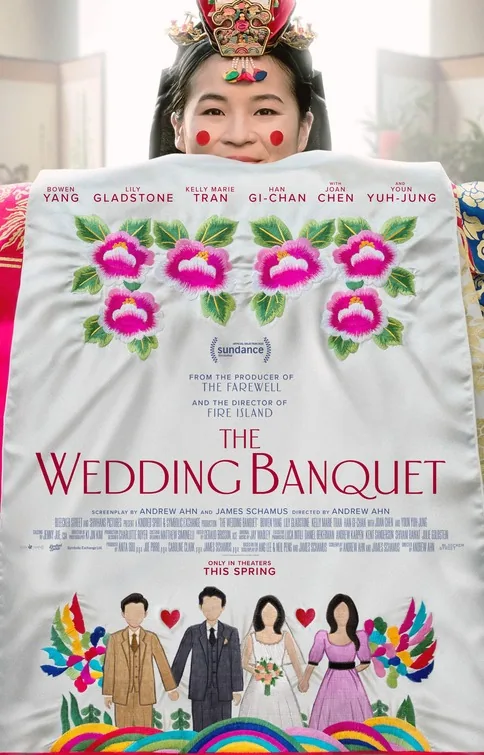
Min and Angela are a couple whose plans for their future become complicated when family expectations and immigration concerns enter the picture. A proposed marriage arrangement brings Min's friend Chris and his partner Lee into a negotiation that touches love, caregiving and chosen family. Andrew Ahn reimagines Ang Lee's earlier story for a contemporary ensemble, using comic misunderstandings to ask how people can honor family obligations while defining relationships on their own terms.
What drives the story
Two couples consider a marriage arrangement as family expectations complicate their plans.
The people at its centre
Min, Angela, Chris and Lee negotiate care and commitment without agreeing on a single model of family.
What it feels like
Comic social situations make abstract obligations personal and immediate for both couples.
Worth knowing
The remake updates a familiar premise through an ensemble of queer relationships and chosen family.
lovefamilyqueer identity
Mood
warm · witty · affectionate · thoughtful
Pacing
brisk · dialogue-driven · ensemble-balanced
Visual style
contemporary city imagery · lively family gatherings · intimate couple scenes
Storytelling
remake · relationship ensemble · marriage arrangement · queer family comedy