Both share themes of integrity, plus a wry atmosphere.
Why this matches +
Genres: Drama / Comedy
Shared film traits
Based on recorded story, mood and style. Your preferences can change the order.
What changes The Front: dialogue-driven, building and ensemble. The Rum Diary: episodic and uneven.
Journalist Paul Kemp leaves New York for a newspaper job in Puerto Rico, where the newsroom, local politics and expatriate culture prove unstable. He becomes involved with Sanderson, a wealthy American property developer, and his fiancée Chenault, while colleagues navigate pressure and temptation. Bruce Robinson adapts Hunter S. Thompson's novel as a period story about journalistic integrity, escape and the uneasy lure of money.
Based on recorded story, mood and style. Your preferences can change the order.
What changes The Front: dialogue-driven, building and ensemble. Get Hard: escalating and setup-driven.
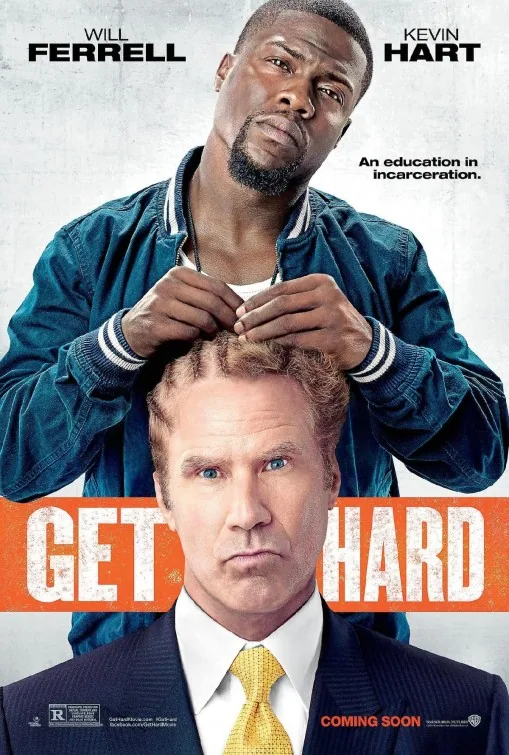
Wealthy financier James King is convicted of fraud and faces a prison sentence, but he has little idea how to prepare for life behind bars. He hires Darnell, the owner of a small car-washing business, assuming Darnell’s background makes him an expert in prison survival. Darnell challenges James’s assumptions while accepting the money, and their bargain becomes a comedy built around racial stereotypes, fraud and the distance between confidence and experience.
Based on recorded story, mood and style. Your preferences can change the order.
Work and ambition
What changes The Front: dialogue-driven, building and ensemble. The Pope of Greenwich Village: compact setup, escalating complications, sudden violence and uneven reprieves.
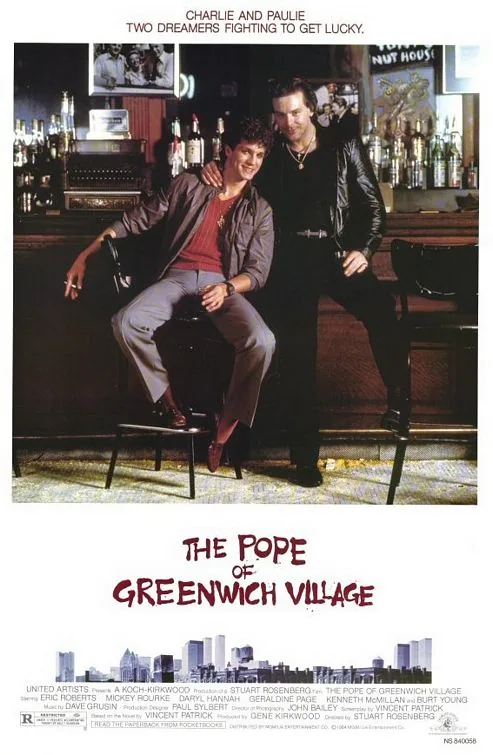
Charlie Moran and his cousin Paulie are waiters in an Italian-American Greenwich Village neighborhood, with expensive tastes and ambitions larger than their pay. After Paulie is caught skimming checks, both lose their jobs, and Charlie faces debts, alimony and the needs of his pregnant girlfriend. Paulie proposes a safe-breaking scheme that promises enough money to help them start over. A locksmith joins the plan, but the robbery goes wrong and the cash belongs to mobster Eddie Grant. The cousins are pulled into a web of pressure and betrayal as the mob seeks names and repayment. Charlie’s hopes of owning a restaurant collide with the consequences of the theft and his efforts to protect the people around him.
Both share themes of art, plus a wry and satirical atmosphere.
Why this matches +
Genres: Crime / Drama
Shared film traits
Based on recorded story, mood and style. Your preferences can change the order.
What changes The Front: dialogue-driven, building and ensemble. The Player: meandering and slowly tightening.
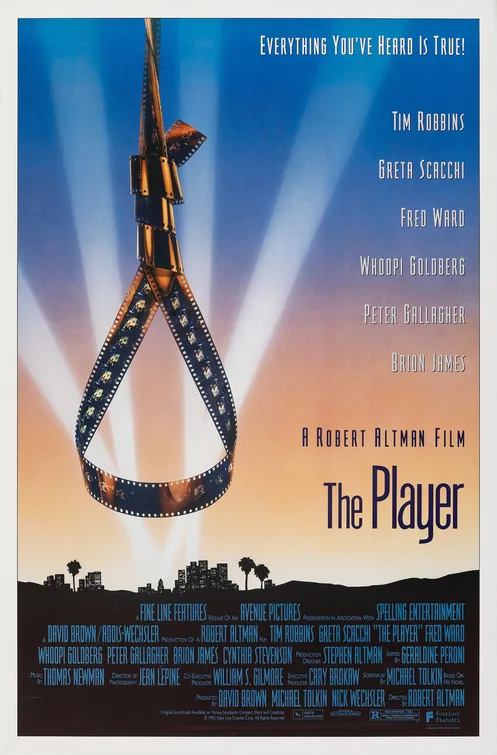
A powerful Hollywood studio executive begins receiving threatening messages from an unemployed writer and tries to identify who is sending them. The search soon becomes entangled with a murder and with the industry's culture of pitches, favors, and self-protection. As the studio's leaders keep performing confidence for one another, the investigation exposes a business where stories are constantly discussed and the people telling them are easily discarded.
Both share themes of identity, plus a satirical atmosphere.
Why this matches +
Genres: Comedy / Action
Shared film traits
Based on recorded story, mood and style. Your preferences can change the order.
Political resistance
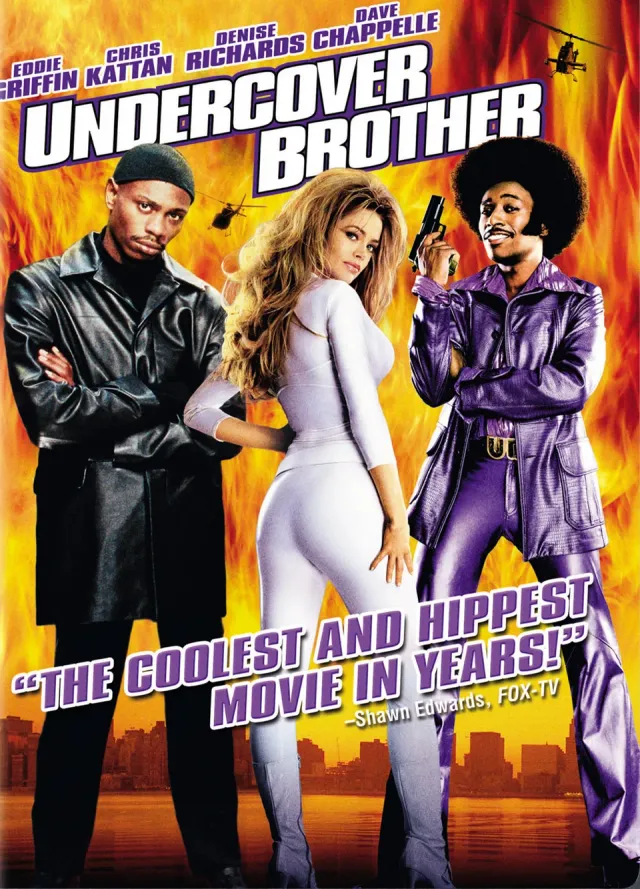
What changes The Front: dialogue-driven, building and ensemble. Undercover Brother: fast and action-driven.
An undercover operative joins a secret organization to investigate a corporation whose leadership is working to weaken Black cultural influence. The mission draws on a parody of 1970s spy and blaxploitation conventions, with the hero's style and confidence treated as part of the joke and the strategy. The comedy uses exaggerated villains and pop-cultural references to satirize corporate control and the way images can be used to shape public identity.
Based on recorded story, mood and style. Your preferences can change the order.
Political resistance
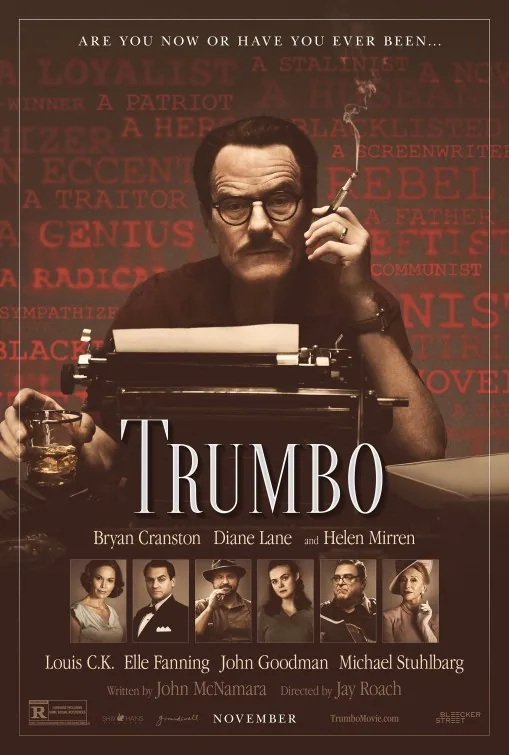
What changes The Front: dialogue-driven, building and ensemble. Trumbo: chronological and character-led.
Screenwriter Dalton Trumbo's career is interrupted when political suspicion puts him among Hollywood's blacklisted writers. He continues writing through pseudonyms while facing pressure from industry leaders, political figures and the strain his work places on family life. Jay Roach builds the biographical drama around authorship, public identity and professional survival, showing how a creative life continues when a person is denied credit for the work he produces.
Both share themes of art and identity, plus a wry atmosphere.
Why this matches +
Genres: Drama / Comedy
Shared film traits
Based on recorded story, mood and style. Your preferences can change the order.
Memory and identity
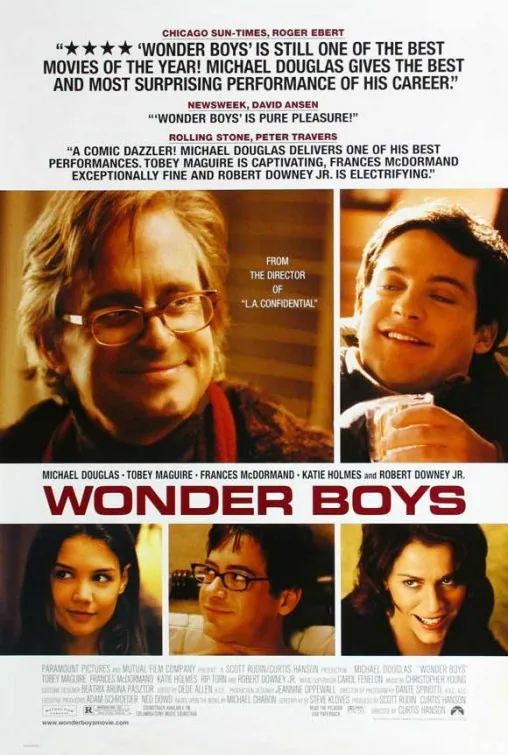
What changes The Front: dialogue-driven, building and ensemble. Wonder Boys: episodic and conversation-led.
At a Pittsburgh university, a blocked novelist faces a chaotic weekend involving an ambitious student, a missing manuscript and the demands of people who expect him to keep performing success. The comedy treats stalled creativity as a problem of habits and responsibility. Its loose, conversational shape lets professional embarrassment and private affection complicate one another.
Based on recorded story, mood and style. Your preferences can change the order.
Memory and identity
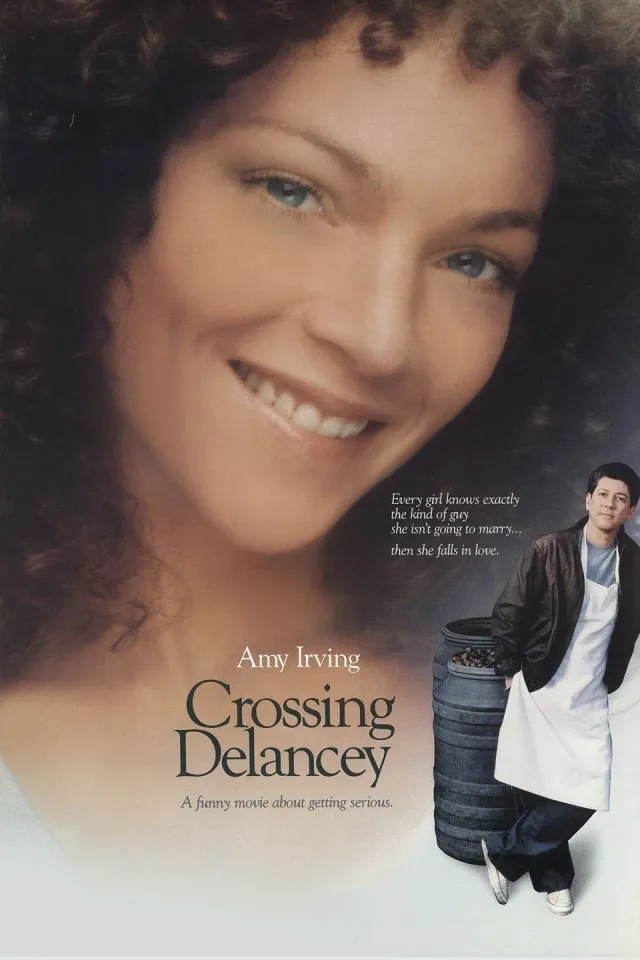
What changes The Front: dialogue-driven, building and ensemble. Crossing Delancey: slow relationship development.
Bookshop worker Isabelle Grossman enjoys her independent life in Manhattan, but her grandmother arranges a match with Sam, a pickle seller from the Lower East Side. Isabelle's attraction to a more polished author complicates her response to Sam and to the cultural expectations her grandmother represents. The romantic comedy observes neighborhood identity and intimacy through everyday conversation, food and family matchmaking.
Both share themes of identity, plus a satirical and tense atmosphere.
Why this matches +
Genres: Crime / Drama
Shared film traits
Based on recorded story, mood and style. Your preferences can change the order.
What changes The Front: dialogue-driven, building and ensemble. BlacKkKlansman: steady.
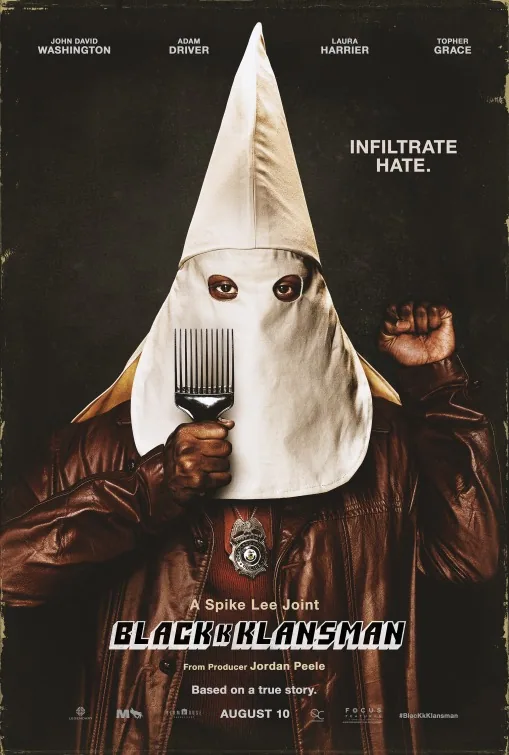
In 1970s Colorado Springs, Black police officer Ron Stallworth contacts the Ku Klux Klan by phone while a white Jewish colleague appears in person as the same undercover recruit. Their split performance exposes how access changes with the body attached to the same voice, while Ron's relationship with student activist Patrice raises questions about what police work can do against racist power. The operation achieves exposure but cannot settle the difference between an individual sting and the institution that employs it. Spike Lee combines comedy and suspense with a contemporary ending that deliberately breaks period distance; some events are heightened or invented.
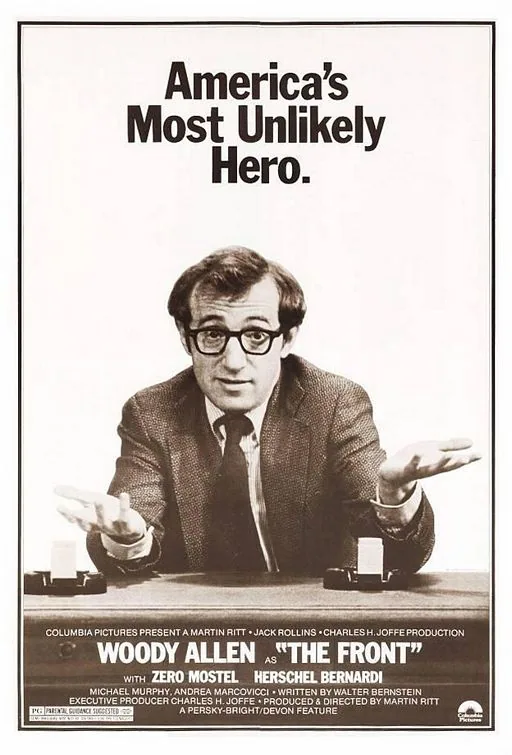
During the 1950s blacklist, New York cashier and small-time bookie Howard Prince agrees to put his name on scripts written by his blacklisted friend Alfred Miller. The arrangement becomes profitable and brings more writers to Prince, while their work earns him a reputation he did not create. As he grows close to script editor Florence Barrett and actor Hecky Brown becomes a target for investigators, Howard must decide whether the convenient disguise is worth the risk to the people behind it.
What drives the story
Howard's success as a front brings blacklisted writers work but draws him into a system of surveillance and political pressure.
The people at its centre
Friendship with Alfred, affection for Florence and concern for Hecky pull Howard beyond the modest bargain he first accepted.
What it feels like
The comedy of Howard's accidental reputation carries a serious emotional undercurrent as the real writers face professional erasure.
Worth knowing
Rather than a procedural about hearings, it shows political persecution through everyday work, friendship and public compromise.
CensorshipPolitical conformityIntegrity
Mood
Wry · Tense · Compassionate · Satirical
Pacing
Dialogue-driven · Building · Ensemble
Visual style
Naturalistic · Period television studios · Urban · Restrained
Storytelling
Blacklisting drama · Workplace comedy · Moral dilemma · Political satire