Keeping the circus running is a practical and emotional task: rivalries, fatigue and an escaped criminal threaten the company from within.
Why this matches +
Selected for the central appeal: Musicals about assembling performers, creating spectacle and navigating the cost of fame.
Genres: Drama
Shared film traits
Based on recorded story, mood and style. Your preferences can change the order.
Music and performance
What changes The Greatest Show on Earth depicts a circus company balancing spectacular performances and backstage loyalties.
Behind the ringmaster’s spectacle, a travelling circus depends on its performers, animals, crews and railway workers to keep a vast operation moving. Manager Brad Braden’s professional commitment is tested by personal rivalries, especially after aerialist Holly becomes caught between her ambitions and two men competing for her attention. A criminal hiding among the performers adds a separate threat, while a catastrophic train crash puts the entire company in danger. Cecil B. DeMille uses the circus as both workplace and show, combining backstage melodrama with documentary-style glimpses of performers and elaborate set pieces.
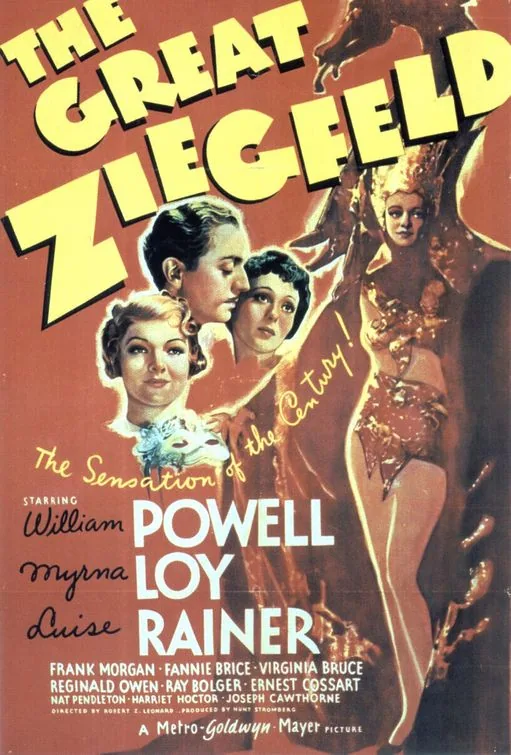
Ziegfeld’s desire to outdo competing impresarios drives a succession of productions whose scale grows with his reputation and financial risk.
Why this matches +
Selected for the central appeal: Musicals about assembling performers, creating spectacle and navigating the cost of fame.
Genres: Drama / Biography
Shared film traits
Based on recorded story, mood and style. Your preferences can change the order.
Music and performance
What changes The Great Ziegfeld follows a showman building lavish productions while ambition complicates his relationships.
Florenz Ziegfeld arrives in New York determined to build a theatrical spectacle grander than his rival Jack Billings can offer. His career moves through lavish productions, romantic relationships and financial setbacks, with performers and collaborators helping turn his ambitions into the Follies. The film presents Ziegfeld as an impresario whose work depends on both extravagance and the people he assembles. Its enormous musical numbers are central to the experience, while the biographical story simplifies real lives and events into a studio-era celebration of showmanship.
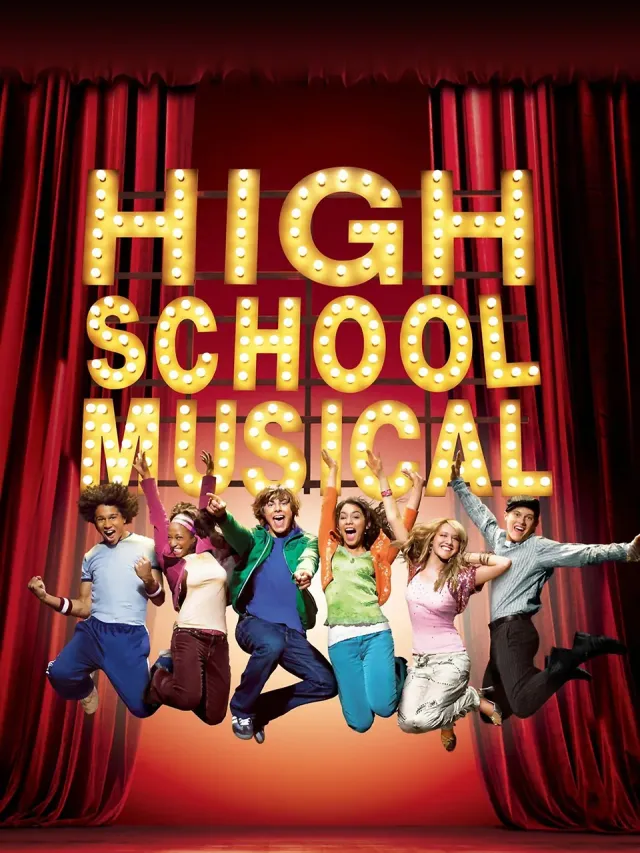
A cross-clique audition triggers social sabotage and a scheduling conflict that forces the school community to reconsider its rigid allocation of talent.
Why this matches +
These offer a related experience with a meaningful difference in story, tone, or presentation.
An adjacent discovery: a related idea with a different viewing experience.
Genres: Musical / Comedy
Shared film traits
Based on recorded story, mood and style. Your preferences can change the order.
Music and performance
What changes High School Musical brings a diverse group together through performance and the pursuit of belonging.
A basketball captain and an academically successful new student discover that they enjoy singing together. Auditioning for the school musical threatens the identities their friends and teachers rely on, and an effort to steer them back into their assigned groups creates a false betrayal. When sporting, academic and theatrical commitments collide, collaboration must replace the assumption that one talent cancels another. The television musical makes romantic attraction a route into broader permission to participate without surrendering existing friendships or abilities.
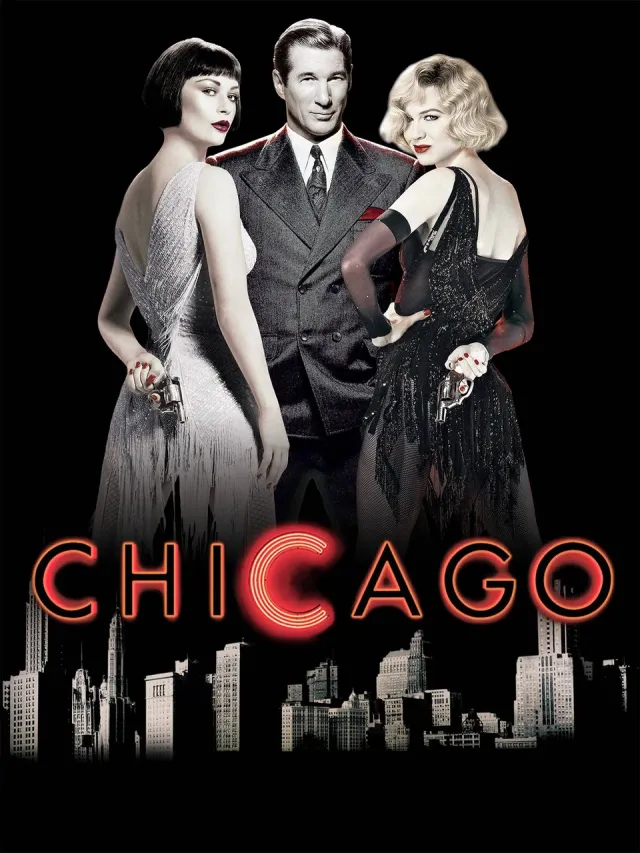
A defendant converts a criminal case into a publicity opportunity while competing for the limited attention on which her apparent value depends.
Why this matches +
These offer a related experience with a meaningful difference in story, tone, or presentation.
An adjacent discovery: a related idea with a different viewing experience.
Genres: Drama / Comedy
Shared film traits
Based on recorded story, mood and style. Your preferences can change the order.
Music and performance
What changes Chicago combines dazzling show-business numbers with a satirical view of fame and public attention.
An aspiring performer jailed after a killing discovers that publicity may be more useful to her future than innocence or professional ability. Competition with another notorious prisoner unfolds through a lawyer and a media environment willing to package violence as entertainment. Fantasies staged as musical performances turn legal strategy, sexual reputation and public attention into elements of the same transaction, exposing how little sustained recognition depends on truth.
Jon tries to complete a musical before a workshop while deciding what kind of adult life he can sustain.
Why this matches +
These offer a related experience with a meaningful difference in story, tone, or presentation.
An adjacent discovery: a related idea with a different viewing experience.
Genres: Drama / Musical
Shared film traits
Based on recorded story, mood and style. Your preferences can change the order.
Music and performance
What changes Tick, Tick... Boom! follows an artist whose ambition and creative work strain personal relationships.
In the weeks before his thirtieth birthday, composer and playwright Jon is trying to finish a musical while working at a New York diner and wondering whether his artistic ambitions have cost him the life he wants. Friends face their own choices about stability, love, and a changing city, and a workshop deadline sharpens the pressure. Lin-Manuel Miranda’s adaptation turns Larson’s autobiographical stage piece into a song-driven portrait of creative urgency, with performance and memory shaping its movement.
P. T. Barnum builds a New York entertainment business by gathering performers excluded from conventional society and presenting them to paying crowds. As the show grows, Barnum chases elite approval and risks the trust of the troupe and his family, while singer Jenny Lind offers a new route to respectability. The musical uses that conflict to celebrate performance and belonging, but its bright, romanticized portrait substantially simplifies Barnum’s historical career and the exploitation of people he displayed. Its emotional appeal and its treatment of the real subjects should be kept distinct.
What drives the story
Barnum’s drive to turn a popular show into social legitimacy pulls him away from the performers whose work made his success possible.
The people at its centre
The troupe’s solidarity and demand for recognition challenge Barnum’s tendency to use inclusion as part of a business strategy. His family offers another measure of what he is risking.
What it feels like
Original pop-oriented songs and polished spectacle turn the circus into a celebration of self-acceptance. The historical setting is reshaped to serve an upbeat musical arc.
Worth knowing
A fit for viewers who want energetic, inspirational musical spectacle. It is a fictionalized Barnum fantasy, not a dependable biography; its celebratory framing omits exploitation central to the real history.