Explore films connected to The House of the Devil through trust and exploitation, isolation and vulnerability, occult danger. Choose the qualities you want to carry into your next watch.
What should feel similar?
Find your next favourite
9 films · Closest overall matches
Hide films you’ve seen or don’t want. Saved on this device.
No matches for this combination yet.
Try another option or reset your choices to see more films.
Based on recorded story, mood and style. Your preferences can change the order.
Survival · Escape and pursuit
What changes The House of the Devil: extended atmospheric setup, gradual reveal and sudden horror climax. When a Stranger Calls: slow-building and escalating.
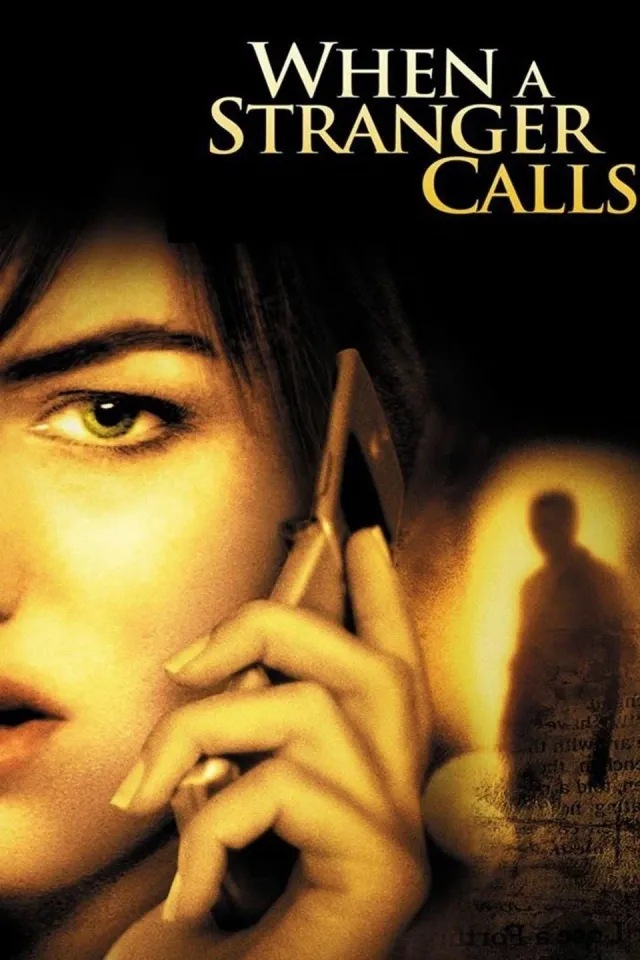
A high-school student takes a babysitting job at a large, isolated house and begins receiving anonymous calls from someone who keeps asking about the children. At first the calls seem like a prank, but repeated contact and the house’s distance from help turn routine work into a frightening ordeal. The remake builds suspense through limited space and uncertainty about what can be heard or seen.
Based on recorded story, mood and style. Your preferences can change the order.
What changes The House of the Devil: extended atmospheric setup, gradual reveal and sudden horror climax. Weapons: chapter-like and revelatory.
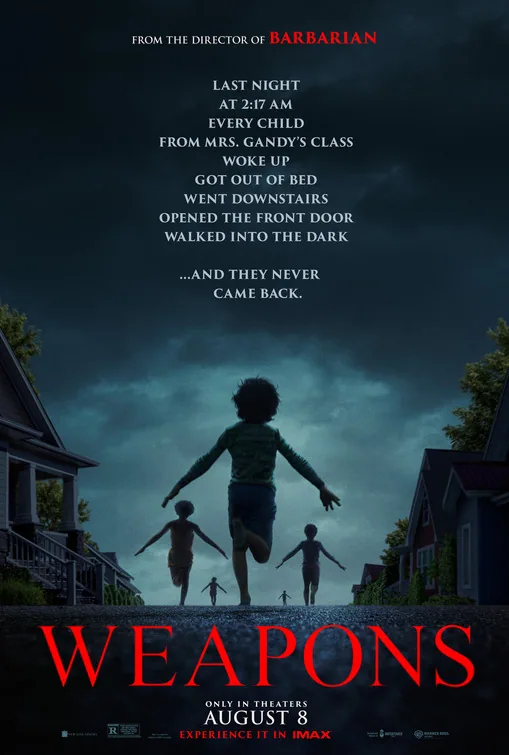
At 2:17 one night, seventeen children from Justine Gandy’s third-grade class run from their homes and disappear; Alex is the only student from the class who remains. Their teacher, the boy and adults connected to the missing children become points of entry into a mystery that widens through multiple perspectives. Each account supplies only part of what happened, gradually changing the meaning of earlier events. The film withholds its explanation in the synopsis because the reversals and shifting viewpoints are central to its horror. The mystery begins with a concrete absence and grows into dread within an ordinary Pennsylvania community.
Based on recorded story, mood and style. Your preferences can change the order.
Survival · Escape and pursuit
What changes The House of the Devil: extended atmospheric setup, gradual reveal and sudden horror climax. Hostel: Part II: escalating and alternating perspectives.
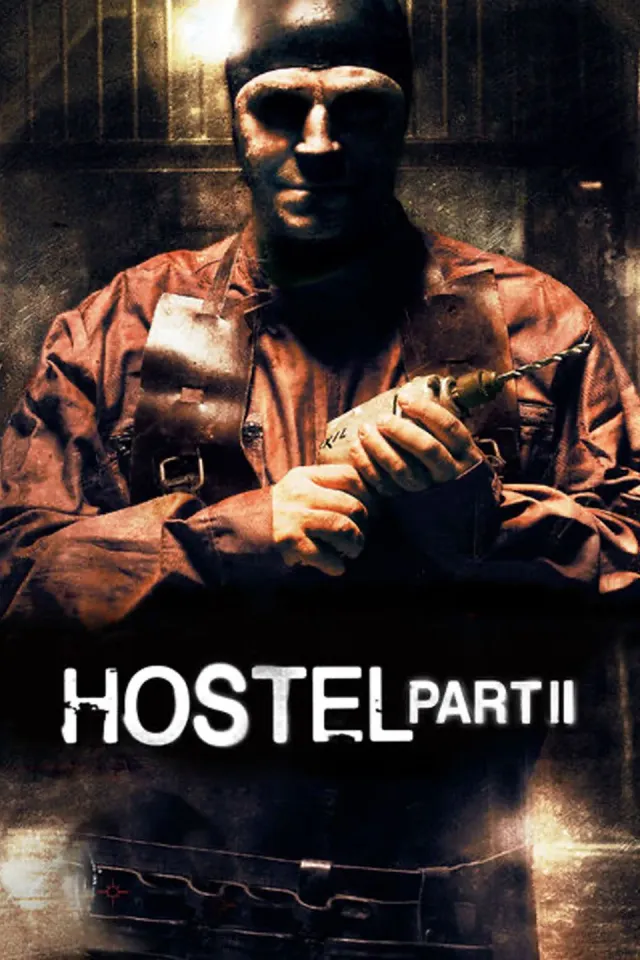
Three American art students travel in Europe and are lured to a hostel that hides a business in which wealthy clients pay to torture and kill abducted visitors. As the women discover the operation, the story also follows two customers preparing to take part, exposing the institution’s businesslike rules and the ways fear can distort moral judgment. The sequel extends its predecessor’s graphic horror through a more explicit focus on choice and complicity.
Based on recorded story, mood and style. Your preferences can change the order.
Survival
What changes The House of the Devil: extended atmospheric setup, gradual reveal and sudden horror climax. Prey for the Devil: classroom-to-crisis, escalating, conventional horror and climactic.
Sister Ann wants to train as an exorcist after a professor recognizes her ability to empathize with possessed people. At the Church’s reopened training school, she faces resistance to a nun learning a rite reserved for priests and is drawn into the case of a young girl whose possession echoes Ann’s memories of her mother. The horror drama links a supernatural confrontation with questions of authority, vocation and care for people in crisis.
Based on recorded story, mood and style. Your preferences can change the order.
Survival · Escape and pursuit
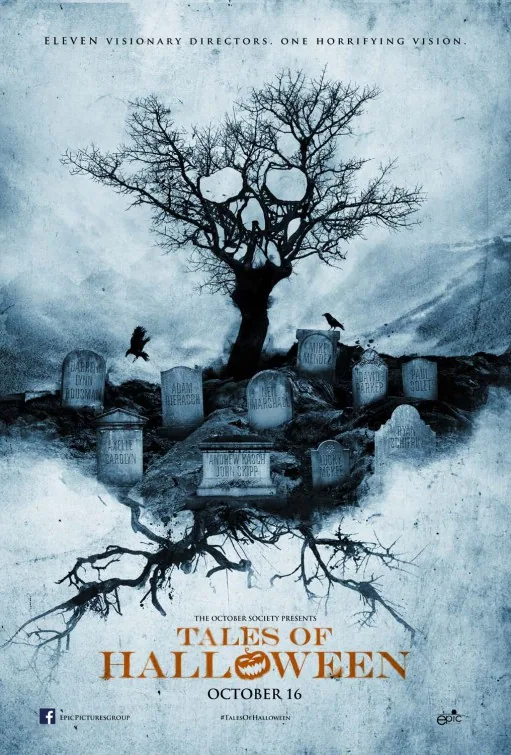
What changes The House of the Devil: extended atmospheric setup, gradual reveal and sudden horror climax. Tales of Halloween: episodic, varied and quickly shifting.
On Halloween night in a small American town, children, parents, trick-or-treaters and other residents encounter an escalating set of strange events. The film gathers ten short horror stories from different directors, moving among supernatural threats, masked figures, monsters and ordinary people whose holiday routines turn dangerous. Their shared date and setting connect the episodes into a broad seasonal anthology rather than a single continuous mystery.
Based on recorded story, mood and style. Your preferences can change the order.
Survival · Escape and pursuit
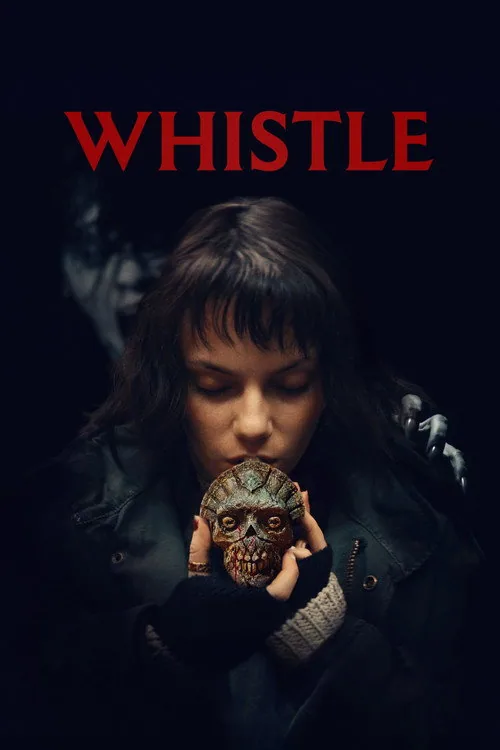
What changes The House of the Devil: extended atmospheric setup, gradual reveal and sudden horror climax. Whistle: discovery introduces the artifact, whistle activates the threat and students search for a way to break the curse.
A group of high-school students discovers an ancient Aztec death whistle, unaware that its sound will set a supernatural threat on their path. After the whistle is blown, the students learn that the deaths summoned by its call are connected to how each person would eventually die. They try to understand the artifact and escape the fate it seems to bring forward, while their relationships and fears shape how they respond. This supernatural horror film uses a cursed object and a teen ensemble to create a chase against an inescapable version of death.
Based on recorded story, mood and style. Your preferences can change the order.
Survival · Escape and pursuit
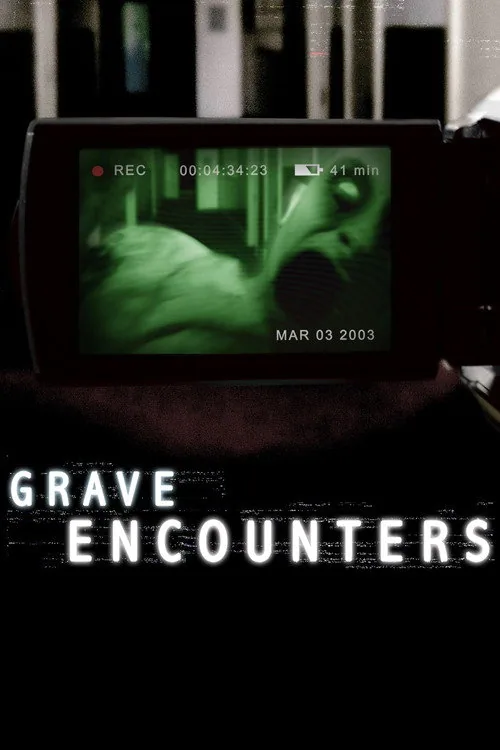
What changes The House of the Devil: extended atmospheric setup, gradual reveal and sudden horror climax. Grave Encounters: mockumentary setup, escalating supernatural confinement and found-footage collapse.
A reality television crew enters an abandoned psychiatric hospital to film an overnight episode of its paranormal-investigation show. The host initially treats the location’s stories as material for a performance, but the locked building begins to shift in impossible ways and the crew cannot find an exit. Their cameras record the escalating experience as skepticism gives way to fear. The Vicious Brothers’ found-footage horror film uses the mockumentary setup to trap its cast inside a supposedly haunted institution.
Based on recorded story, mood and style. Your preferences can change the order.
Survival
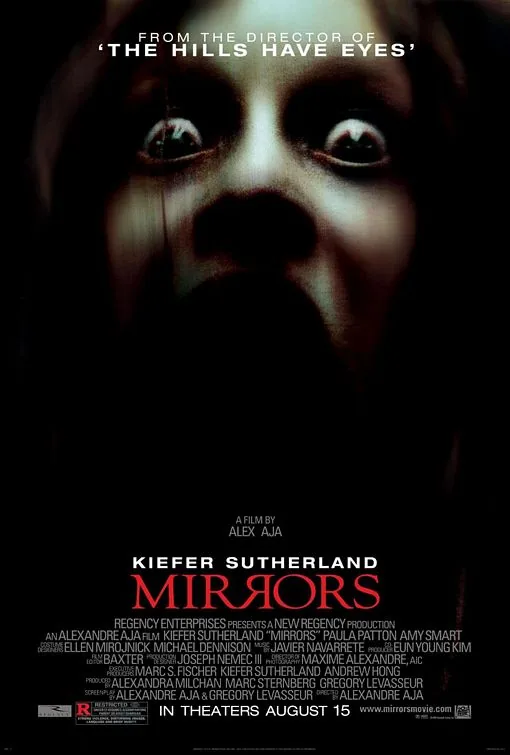
What changes The House of the Devil: extended atmospheric setup, gradual reveal and sudden horror climax. Mirrors: slow-building and shock-driven.
Former detective Ben Carson takes a night-watch job in a burned department store and discovers disturbing images in its mirrors. As the visions grow more threatening and reach beyond the building, he searches for the source while trying to protect his family. The supernatural horror combines a haunted-location premise with an investigation into the site’s past, making reflection a recurring image of danger and misrecognition.
Based on recorded story, mood and style. Your preferences can change the order.
Survival
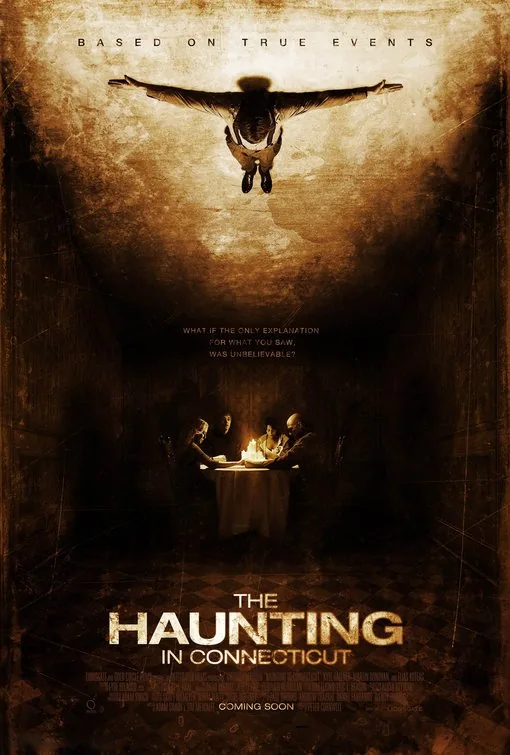
What changes The House of the Devil: extended atmospheric setup, gradual reveal and sudden horror climax. The Haunting in Connecticut: escalating and supernatural suspense.
A family moves into a house near a hospital so their ill son can receive treatment, but strange events gradually suggest the building has a disturbing history. As the parents try to protect their children and understand the haunting, the boy’s illness and the family’s fear become part of the emotional pressure. The supernatural horror combines domestic vulnerability with a mystery about the home’s former use and the danger tied to its past.
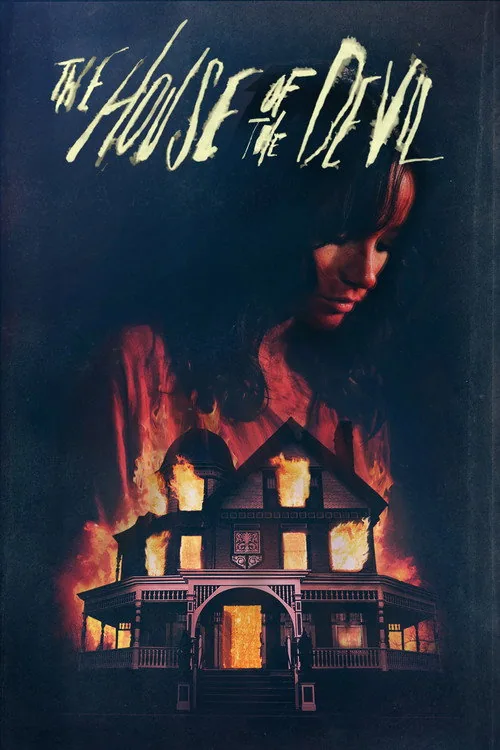
College student Samantha Hughes takes an isolated babysitting job in a large house because she urgently needs money for a deposit. The eccentric couple who hired her reveal that there is no child to watch, but they offer extra pay if she stays through a lunar eclipse. Uneasy clues accumulate as the house grows quieter and the night stretches on. Ti West's horror film recreates the patient suspense and analog texture of 1980s occult thrillers, turning an ordinary job into a ritual trap.
What drives the story
Samantha remains in the house after learning the babysitting job is a cover for a more dangerous plan.
The people at its centre
Her financial need and the employers' polite manner make it harder to leave as her suspicions grow.
What it feels like
A deliberate retro horror film uses long stretches of quiet and period detail before delivering a stark occult payoff.
Worth knowing
It evokes 1980s satanic-panic cinema through patient suspense, rather than relying on modern rapid-cut supernatural scares.
trust and exploitationisolation and vulnerabilityoccult danger