A competitive quest for an unmatched illusion becomes a cycle of espionage, sabotage and escalating personal cost.
Why this matches +
Selected for the central appeal: Period mysteries about stage magic, concealed methods and romance under social pressure.
Genres: Mystery / Thriller
Shared film traits
Based on recorded story, mood and style. Your preferences can change the order.
Investigation
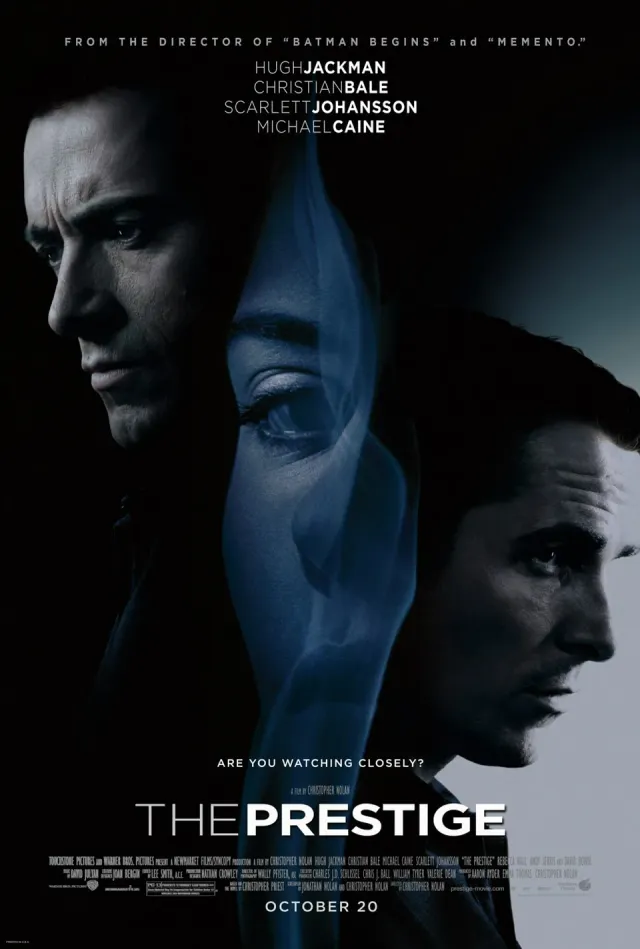
What changes The Prestige follows rival stage magicians whose elaborate illusions conceal dangerous personal obsessions, emphasizing competition between performers rather than a magician's effort to reunite with a lover.
Two stage magicians turn an early partnership into an escalating rivalry after a performance ends in tragedy. Each studies and sabotages the other's methods, making professional invention inseparable from humiliation and private sacrifice. Diaries, demonstrations and competing accounts reveal a world built on controlled attention, where the pursuit of a perfect illusion steadily damages relationships beyond the stage.
A skeptical magician tries to reveal whether a celebrated medium is performing a deception.
Why this matches +
These offer a related experience with a meaningful difference in story, tone, or presentation.
An adjacent discovery: a related idea with a different viewing experience.
Genres: Comedy / Romance
Shared film traits
Based on recorded story, mood and style. Your preferences can change the order.
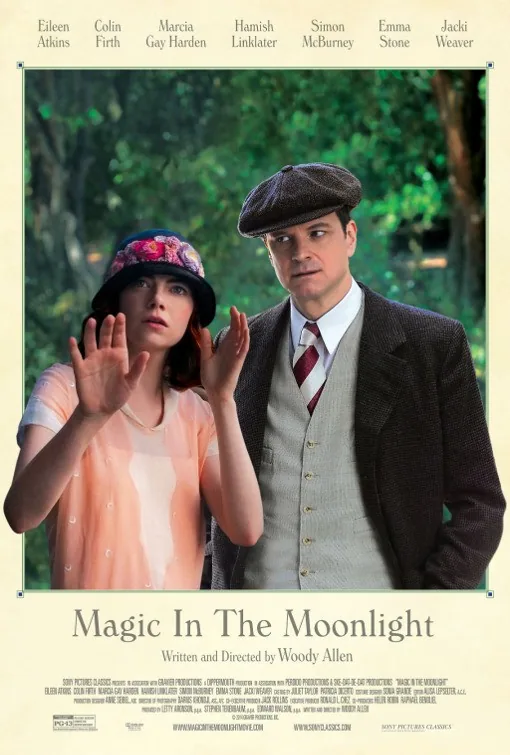
What changes Magic in the Moonlight places a professional magician amid apparent supernatural deception and romance in a historical European setting, using a lighter comedy of skepticism.
In 1920s France, stage magician Stanley Crawford is asked to expose Sophie Baker, a young medium whose séances have impressed a wealthy family. Stanley arrives certain that he can explain every trick, but the investigation challenges his skepticism and the certainty he brings to his relationships. Woody Allen's romantic comedy frames rationality as both a professional identity and a defense against wonder, using a sunlit period setting for a debate about belief and love.
A blocked production gains momentum through a concealed performer and forbidden romance, while theatre deadlines collide with marriage and social rules.
Why this matches +
These offer a related experience with a meaningful difference in story, tone, or presentation.
An adjacent discovery: a related idea with a different viewing experience.
Genres: Drama / Romance
Shared film traits
Based on recorded story, mood and style. Your preferences can change the order.
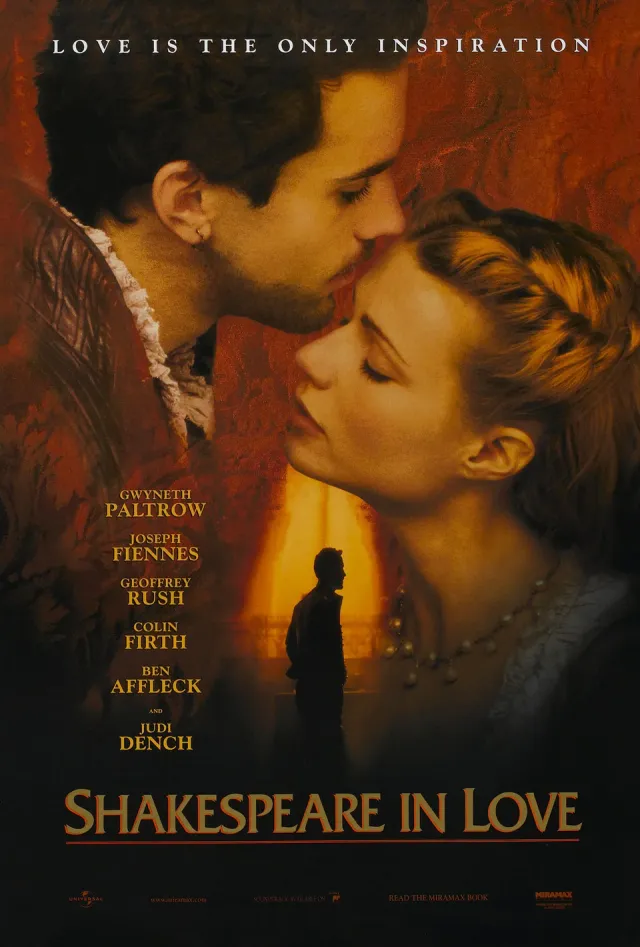
What changes Shakespeare in Love connects a performer's creative work with a romance constrained by social rank, shifting from a magician's political mystery to a theatrical romantic comedy.
A young playwright struggling to complete a promised production finds inspiration in a merchant's daughter who longs to act despite women being excluded from the stage. Disguised as a male performer, she joins his company, and their affair begins to reshape the work being rehearsed. Financial pressures, theatrical rivalries and her arranged marriage make the performance a temporary space in which desire can flourish without controlling the world outside.
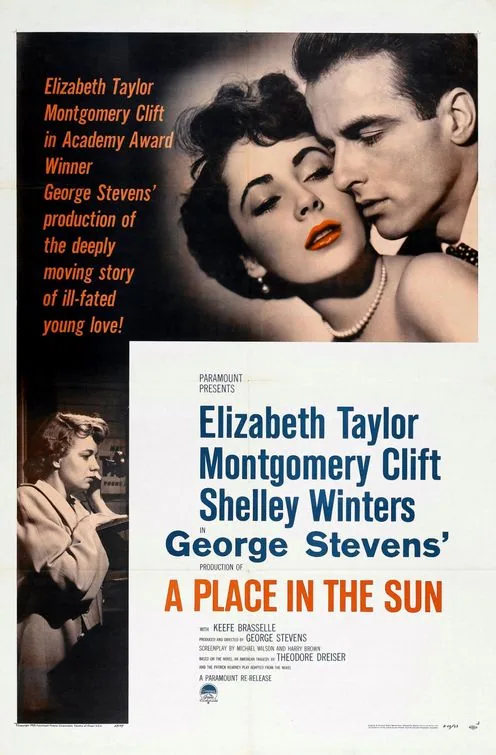
Class aspiration turns a concealed workplace romance into an obstacle when a wealthy new relationship makes an alternative identity appear attainable.
Why this matches +
These offer a related experience with a meaningful difference in story, tone, or presentation.
An adjacent discovery: a related idea with a different viewing experience.
Genres: Drama / Romance
Shared film traits
Based on recorded story, mood and style. Your preferences can change the order.
What changes A Place in the Sun follows a relationship threatened by class ambition and criminal suspicion, using a twentieth-century social tragedy rather than a turn-of-the-century stage illusion.
A poor young man finds work in a wealthy relative's factory and begins a secret relationship with a colleague. Access to a glamorous social circle then offers the romantic and class future he has imagined, just as the first relationship creates obligations he wants to escape. His divided commitments become morally catastrophic, making the wish to belong inseparable from choices about whose life can be discarded.
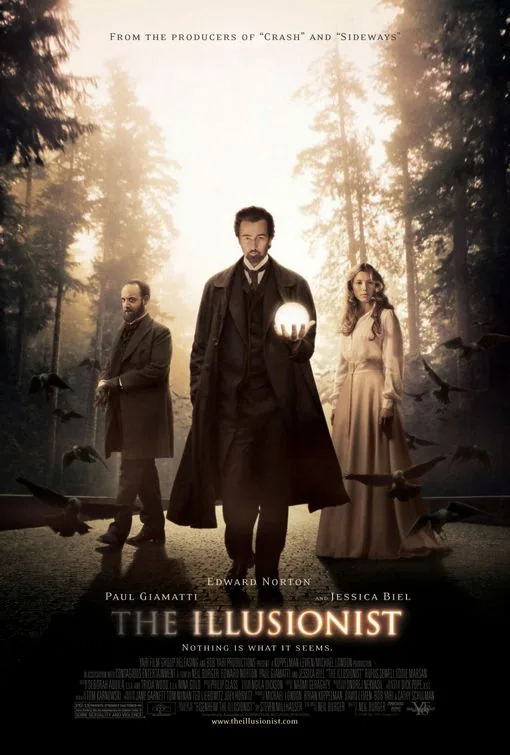
A stage magician returning to Vienna encounters a woman from his youth who now faces a politically valuable marriage to a powerful heir. Renewed attachment makes his performances part of a struggle over class, reputation and control. A police inspector ordered to scrutinise him must interpret events in which public wonder and private agendas are designed to conceal the methods behind what appears to happen.
What drives the story
A forbidden reunion turns theatrical illusion into a contest with political authority whose public account depends on controlling appearances.
The people at its centre
A magician and an aristocratic woman seek autonomy while an observant inspector negotiates loyalty to a more powerful patron.
What it feels like
Period atmosphere and carefully managed uncertainty create a restrained romantic mystery with a central contest over interpretation.
Worth knowing
Its emphasis on romance and concealed manoeuvring differs from the destructive professional rivalry driving some other stage-magic thrillers.