A bachelor takes in a young boy and finds that the arrangement requires more care than he expected.
Why this matches +
Selected for the central appeal: The Tramp raises an abandoned child, and their comic partnership is threatened when officials separate them.
Genres: Comedy
Shared film traits
Based on recorded story, mood and style. Your preferences can change the order.
What changes An unprepared adult becomes a child's caregiver, with comic mishaps giving way to a serious struggle over their bond.
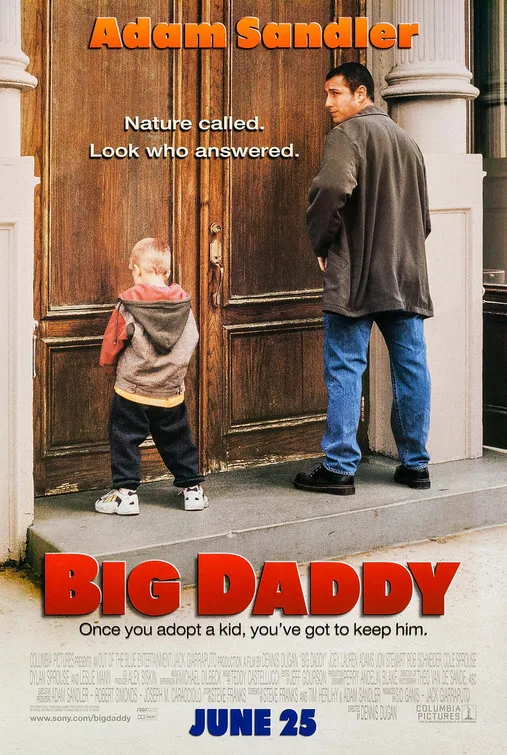
A carefree New Yorker suddenly takes responsibility for a five-year-old boy and initially sees the arrangement as a way to impress the women in his life. The child changes the routine of his apartment, his social reputation, and his ideas about adulthood. As their friendship becomes genuine, the man must decide whether he will accept the difficult obligations that come with being the boy's dependable parent.
A child's flight from removal becomes an unintended joint disappearance, then a national pursuit whose exaggerated account makes ordinary return increasingly difficult.
Why this matches +
These offer a related experience with a meaningful difference in story, tone, or presentation.
An adjacent discovery: a related idea with a different viewing experience.
Genres: Adventure / Comedy
Shared film traits
Based on recorded story, mood and style. Your preferences can change the order.
What changes An unlikely adult and child form a protective family bond while authorities attempt to separate them.
A foster child briefly finds affection in a remote household before a death threatens to return him to the system he fears. His clumsy attempt to run away draws a reluctant older guardian into the bush, where an injury prolongs their absence. Authorities interpret the situation as kidnapping, and each new encounter adds to the public story chasing them. The comic adventure lets a practical survival partnership grow into attachment while refusing to make either companion fluent in expressing what the other now means to him.
The cabin’s scarcity creates immediate physical problems; the later romance asks the Tramp to convert survival luck into social acceptance.
Why this matches +
These offer a related experience with a meaningful difference in story, tone, or presentation.
An adjacent discovery: a related idea with a different viewing experience.
Genres: Romance / Comedy
Shared film traits
Based on recorded story, mood and style. Your preferences can change the order.
What changes Chaplin's poor outsider faces hardship and loneliness through inventive physical comedy and a longing for connection.
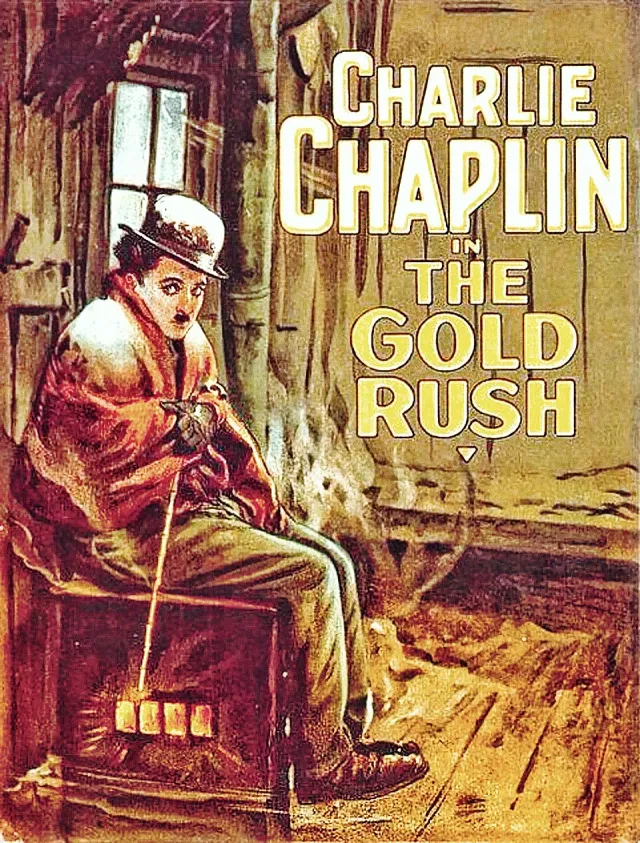
A solitary prospector known as the Little Tramp is caught in a Klondike blizzard and takes refuge in a cabin with a wanted man and another miner. Hunger, rivalry and an unlikely friendship drive the opening survival comedy; later, the Tramp imagines a romance with Georgia while trying to appear prosperous enough to win her attention. Charlie Chaplin turns cold, scarcity and social embarrassment into carefully composed physical gags, including the famous cabin meal. The story shifts from danger in the wilderness to the fragile hope of being loved, making hardship and longing parts of the same comic persona.
A botched robbery links an ex-convict, a desperate robber and a child in a reluctant escape.
Why this matches +
These offer a related experience with a meaningful difference in story, tone, or presentation.
An adjacent discovery: a related idea with a different viewing experience.
Genres: Comedy / Crime
Shared film traits
Based on recorded story, mood and style. Your preferences can change the order.
What changes A reluctant adult becomes protective of a vulnerable child while evading authorities and navigating comic misadventures.
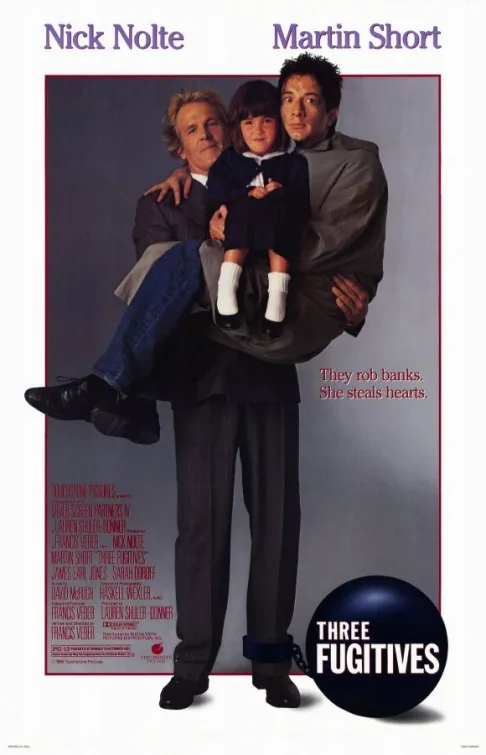
Lucas is trying to leave prison behind and begin a quiet life with his young daughter when an inept bank robber takes him hostage during a holdup. The pair flee together with the child in tow, forcing Lucas to navigate police pursuit while protecting a family he never intended to join. The comedy comes from their mismatched competence, but their improvised partnership gradually becomes more genuine.
An abrupt change in caregiving exposes the imbalance of a marriage, then a custody dispute converts personal growth into competing public arguments.
Why this matches +
These offer a related experience with a meaningful difference in story, tone, or presentation.
An adjacent discovery: a related idea with a different viewing experience.
Genres: Drama
Shared film traits
Based on recorded story, mood and style. Your preferences can change the order.
What changes A father discovers the meaning of daily care before a legal dispute threatens his relationship with his child.
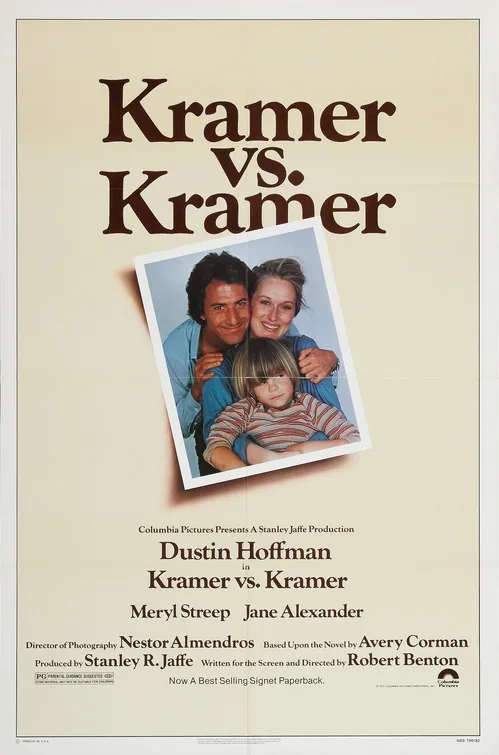
An advertising executive's wife leaves their marriage, forcing him to become the everyday parent to a son whose routines he barely knows. Awkward practical tasks gradually create a deeper relationship, while the demands of his job begin to conflict with care. When the mother returns seeking custody, their private reassessment of family becomes an adversarial legal process that threatens to simplify both parents' motives.
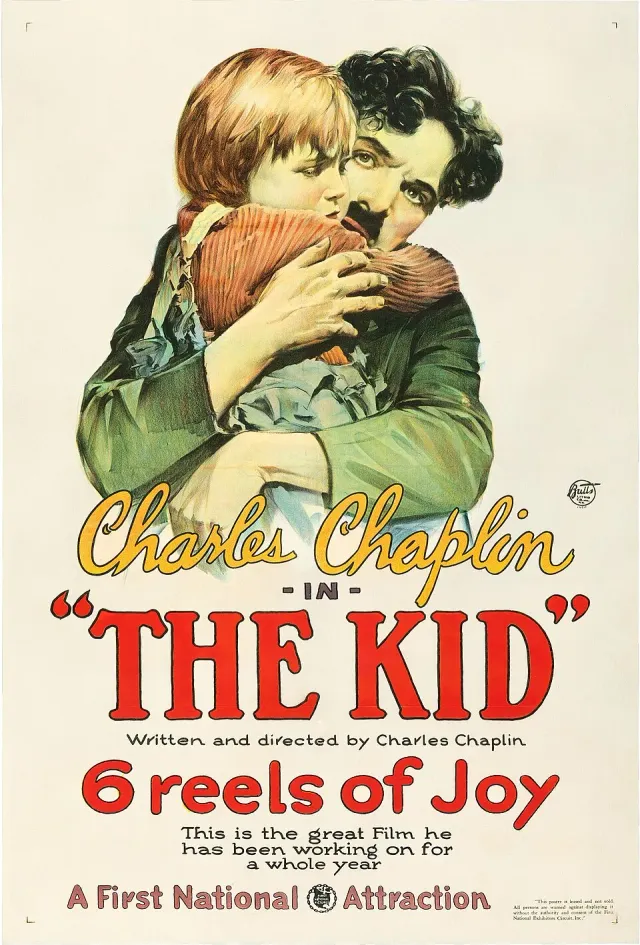
A young mother leaves her baby in a car with a plea that someone care for him, but thieves steal the vehicle and abandon the child in an alley. The Tramp finds the infant and, after failed attempts to pass him to strangers, decides to raise him. Five years later, the two survive through a small partnership: the boy breaks windows and the Tramp, now posing as a glazier, is paid to repair them. The child’s birth mother has since become successful and is unknowingly drawn back into his life. When officials take the boy from the Tramp, the film’s comic partnership becomes a separation story that tests the attachment both have built.
What drives the story
The Tramp’s improvised care becomes a family bond; the authorities’ attempt to place the boy elsewhere turns the comedy into a struggle to reunite them.
The people at its centre
The Tramp shifts from reluctant caretaker to a devoted parent figure, while the boy participates in their scheme as an equal partner rather than a passive prop.
What it feels like
A silent comedy-drama combines physical gags and street-level poverty with a direct emotional story. Chaplin’s gestures and editing carry much of the character work without spoken dialogue.
Worth knowing
A fit for silent-era comedy and tender found-family stories. Its humor shares space with child separation and hardship, so it is more emotionally affecting than a sequence of comic sketches.