The Tramp's unintentional success rescues a failing circus, but the ringmaster's decision to use him as a prop turns talent into a kind of exploitation.
Why this matches +
Selected for the central appeal: A lonely prospector turns hunger, blizzards and romantic embarrassment into physical comedy.
Genres: Drama / Comedy
Shared film traits
Based on recorded story, mood and style. Your preferences can change the order.
Both directed by Charlie Chaplin.
What changes Chaplin's wandering outsider finds work, hardship and unrequited affection through carefully choreographed physical comedy.
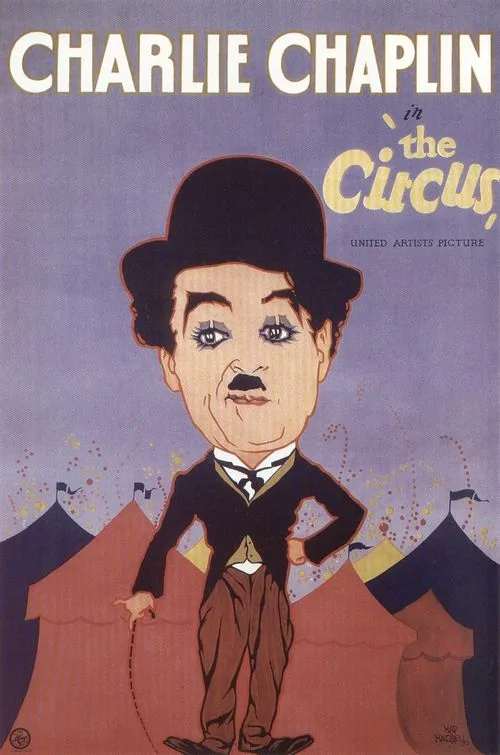
A hungry Tramp is mistaken for a pickpocket and flees into a circus performance, where his accidental antics delight the audience. The struggling ringmaster hires him, then exploits his unplanned comic talent as a way to revive the show. The Tramp befriends Merna, a performer mistreated by her stepfather, and hopes to win her affection. When Merna falls for the new tightrope walker Rex, the Tramp has to accept that helping her find happiness may not include himself.
The Tramp’s improvised care becomes a family bond; the authorities’ attempt to place the boy elsewhere turns the comedy into a struggle to reunite them.
Why this matches +
These offer a related experience with a meaningful difference in story, tone, or presentation.
An adjacent discovery: a related idea with a different viewing experience.
Genres: Drama / Comedy
Shared film traits
Based on recorded story, mood and style. Your preferences can change the order.
What changes Chaplin's impoverished outsider finds warmth and family amid social vulnerability and inventive physical gags.
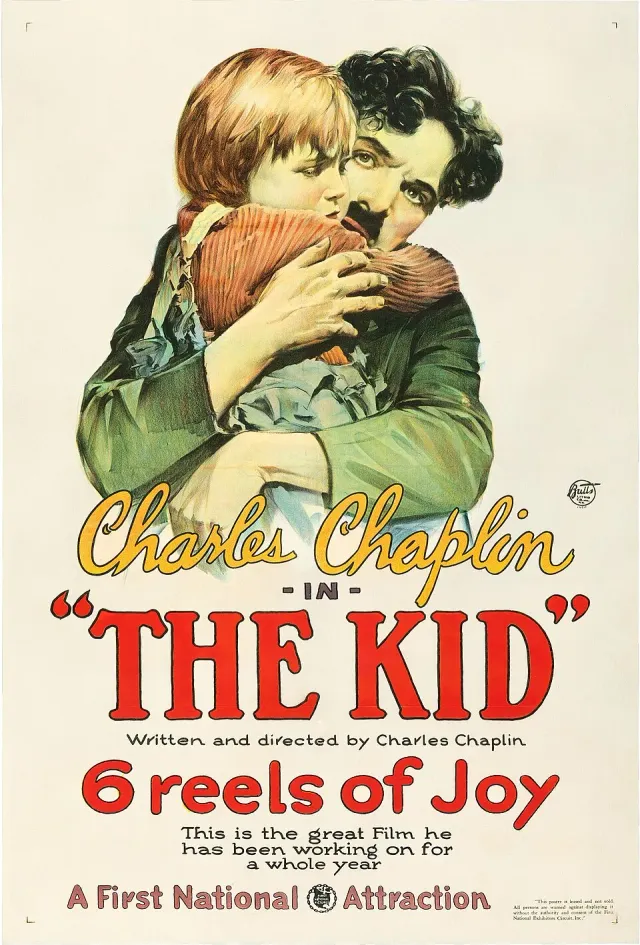
A young mother leaves her baby in a car with a plea that someone care for him, but thieves steal the vehicle and abandon the child in an alley. The Tramp finds the infant and, after failed attempts to pass him to strangers, decides to raise him. Five years later, the two survive through a small partnership: the boy breaks windows and the Tramp, now posing as a glazier, is paid to repair them. The child’s birth mother has since become successful and is unknowingly drawn back into his life. When officials take the boy from the Tramp, the film’s comic partnership becomes a separation story that tests the attachment both have built.
A stranded editor and pilot must cooperate to avoid pirates and find a way off the island.
Why this matches +
These offer a related experience with a meaningful difference in story, tone, or presentation.
An adjacent discovery: a related idea with a different viewing experience.
Genres: Adventure / Comedy
Shared film traits
Based on recorded story, mood and style. Your preferences can change the order.
Survival
What changes Mismatched companions survive an isolated wilderness through comic mishaps and an unexpected bond.
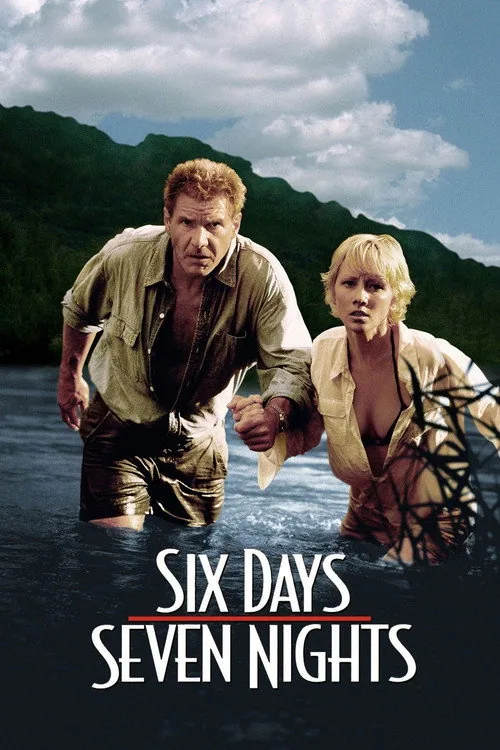
New York editor Robin Monroe is stranded with pilot Quinn Harris after their small plane crashes on a remote South Pacific island. They must navigate the island and evade pirates while a search party and Robin’s fiancé remain elsewhere. Their differences in temperament create comic conflict as cooperation becomes necessary for survival. Ivan Reitman’s adventure comedy combines an island escape story with a romantic pairing between a career-focused visitor and a cynical bush pilot, framed by tropical scenery and physical set pieces.
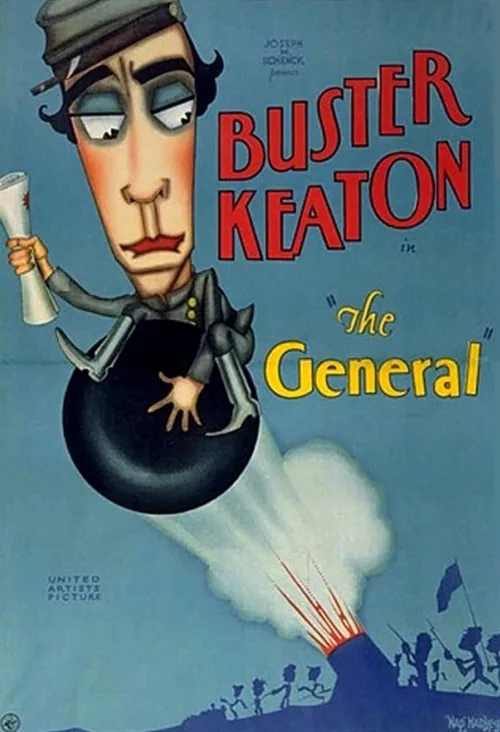
The stolen locomotive gives Johnnie a clear pursuit objective, while each obstacle becomes a new physical and mechanical problem to solve.
Why this matches +
These offer a related experience with a meaningful difference in story, tone, or presentation.
An adjacent discovery: a related idea with a different viewing experience.
Genres: Romance / Comedy
Shared film traits
Based on recorded story, mood and style. Your preferences can change the order.
What changes A determined outsider pursues a romantic goal through elaborate silent physical comedy and dangerous action.
When Union spies steal the locomotive the General and accidentally carry off Annabelle Lee, Confederate engineer Johnnie Gray races after them in a second train. His attempts to recover both the engine and Annabelle produce a chain of mechanical mishaps, pursuit and improvised heroics. Buster Keaton builds the comedy around Johnnie’s precise physical problem-solving as the railroad chase grows into a large-scale Civil War spectacle. The film presents its conflict through a Confederate protagonist and a comic adventure frame, so its historical viewpoint is partial rather than a neutral account of the war.
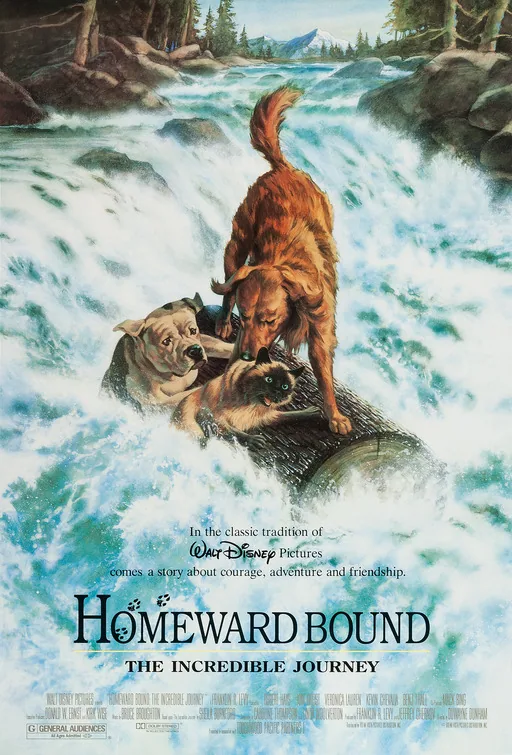
Three pets undertake a difficult journey after losing contact with the family they expect to return to.
Why this matches +
These offer a related experience with a meaningful difference in story, tone, or presentation.
An adjacent discovery: a related idea with a different viewing experience.
Genres: Adventure / Comedy
Shared film traits
Based on recorded story, mood and style. Your preferences can change the order.
Survival
What changes Separated companions endure wilderness dangers on a journey driven by loyalty and the hope of finding home.
When their family leaves them temporarily with a friend, three pets become separated from the people they love and set off across difficult countryside to find home. Chance, Shadow and Sassy face rivers, wilderness and unfamiliar dangers while their personalities shape how they travel together. The adventure is told from the animals' perspective, turning loyalty and endurance into a family story about the bond between people and pets.
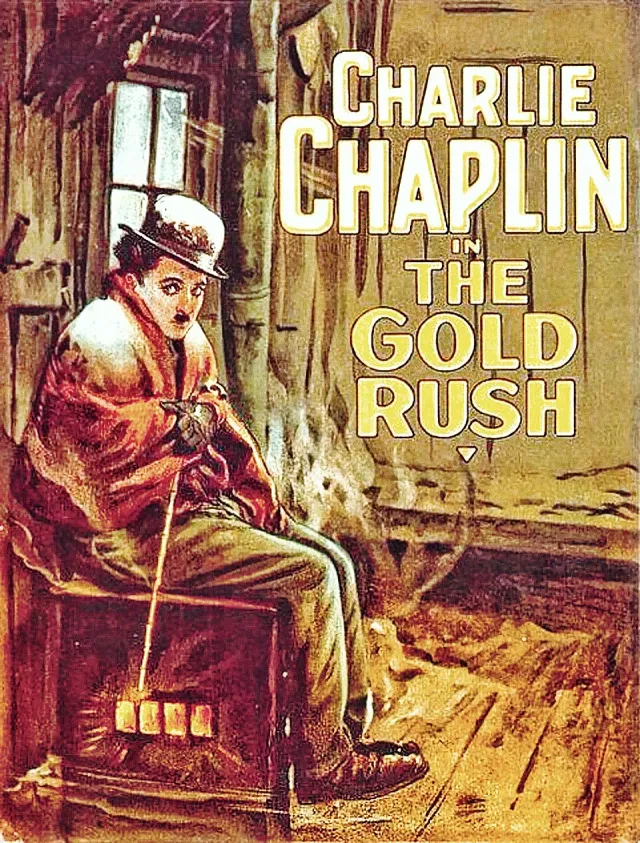
A solitary prospector known as the Little Tramp is caught in a Klondike blizzard and takes refuge in a cabin with a wanted man and another miner. Hunger, rivalry and an unlikely friendship drive the opening survival comedy; later, the Tramp imagines a romance with Georgia while trying to appear prosperous enough to win her attention. Charlie Chaplin turns cold, scarcity and social embarrassment into carefully composed physical gags, including the famous cabin meal. The story shifts from danger in the wilderness to the fragile hope of being loved, making hardship and longing parts of the same comic persona.
What drives the story
The cabin’s scarcity creates immediate physical problems; the later romance asks the Tramp to convert survival luck into social acceptance.
The people at its centre
The Tramp is resourceful in crisis but insecure around Georgia, whose attention he mistakes for a promise. His friendship with Big Jim is built through shared hardship rather than status.
What it feels like
Silent pantomime and precise staging make hunger, cold and awkwardness legible without dialogue. Chaplin’s comic reversals carry a mixture of hardship and sentiment.
Worth knowing
A defining silent comedy for viewers drawn to physical storytelling and underdog romance. Some widely available versions differ: the 1942 re-release adds Chaplin narration and changes the presentation, so the original silent version’s experience is not identical.