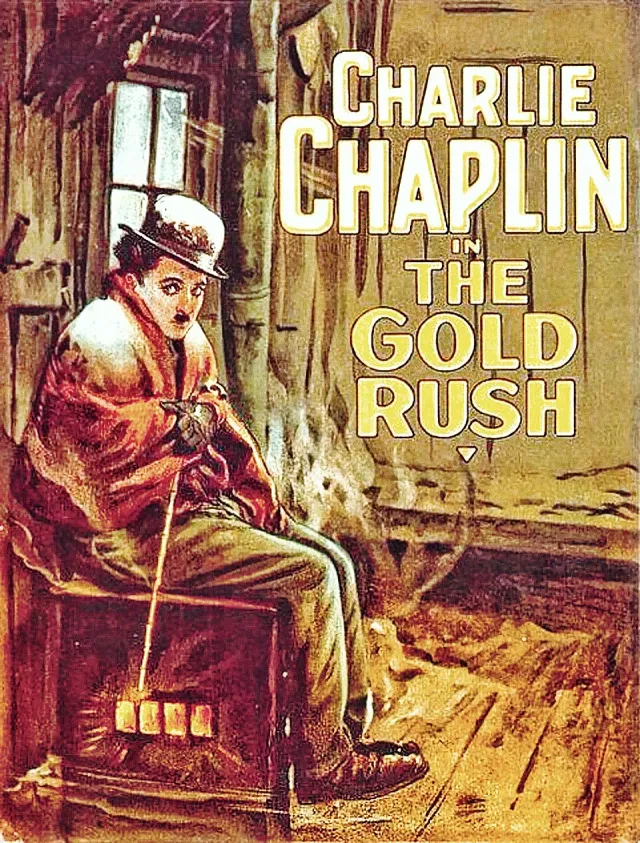
The cabin’s scarcity creates immediate physical problems; the later romance asks the Tramp to convert survival luck into social acceptance.
Why this matches +
Selected for the central appeal: Physical comedies about Chaplin's Tramp, accidental performance and selfless affection.
Genres: Romance / Comedy
Shared film traits
Based on recorded story, mood and style. Your preferences can change the order.
Both directed by Charlie Chaplin.
What changes The Gold Rush follows Chaplin's Tramp through elaborate physical comedy and an unrequited romantic attachment.
A solitary prospector known as the Little Tramp is caught in a Klondike blizzard and takes refuge in a cabin with a wanted man and another miner. Hunger, rivalry and an unlikely friendship drive the opening survival comedy; later, the Tramp imagines a romance with Georgia while trying to appear prosperous enough to win her attention. Charlie Chaplin turns cold, scarcity and social embarrassment into carefully composed physical gags, including the famous cabin meal. The story shifts from danger in the wilderness to the fragile hope of being loved, making hardship and longing parts of the same comic persona.
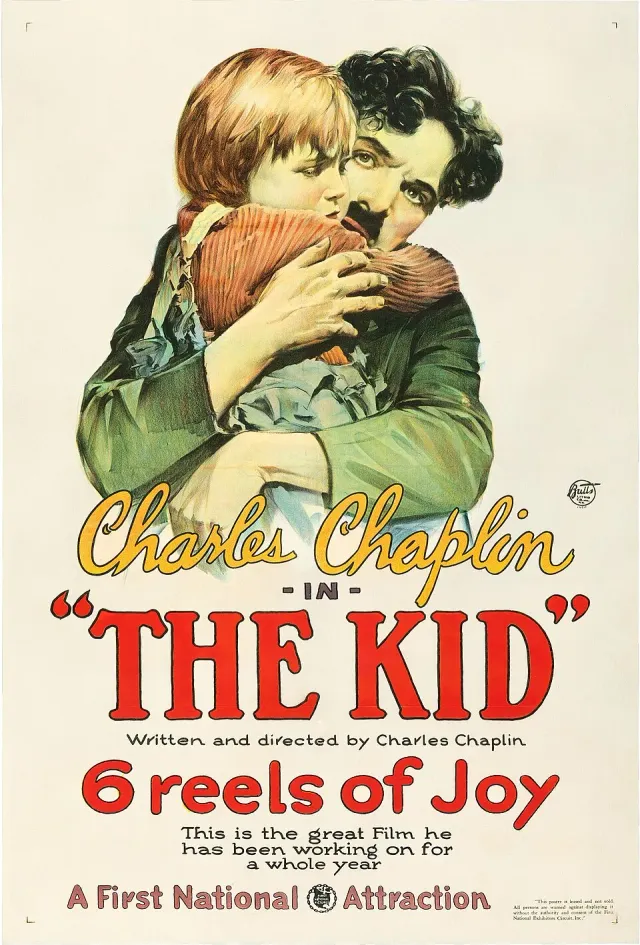
The Tramp’s improvised care becomes a family bond; the authorities’ attempt to place the boy elsewhere turns the comedy into a struggle to reunite them.
Why this matches +
Selected for the central appeal: Physical comedies about Chaplin's Tramp, accidental performance and selfless affection.
Genres: Drama / Comedy
Shared film traits
Based on recorded story, mood and style. Your preferences can change the order.
What changes The Kid combines Chaplin's physical comedy with a tender bond and concern for a vulnerable companion.
A young mother leaves her baby in a car with a plea that someone care for him, but thieves steal the vehicle and abandon the child in an alley. The Tramp finds the infant and, after failed attempts to pass him to strangers, decides to raise him. Five years later, the two survive through a small partnership: the boy breaks windows and the Tramp, now posing as a glazier, is paid to repair them. The child’s birth mother has since become successful and is unknowingly drawn back into his life. When officials take the boy from the Tramp, the film’s comic partnership becomes a separation story that tests the attachment both have built.
A studio manager contains simultaneous disruptions, with a star's kidnapping testing whether he regards the industry as empty deception or a vocation worth sustaining.
Why this matches +
These offer a related experience with a meaningful difference in story, tone, or presentation.
An adjacent discovery: a related idea with a different viewing experience.
Genres: Comedy / Drama
Shared film traits
Based on recorded story, mood and style. Your preferences can change the order.
Music and performance
What changes Hail, Caesar! finds comedy in the backstage machinery of entertainment and eccentric performers.
A studio fixer moves among productions, scandals and performers whose public images require constant maintenance. The kidnapping of a major star adds a ransom problem to a workday already filled with miscasting, concealed pregnancy and aggressive gossip reporting. An alternative career offers escape from these recurring crises, yet the apparent disorder also reveals the collective labor behind popular illusion. The ensemble comedy treats movie-making as absurd, compromised work that can still command an unexpectedly sincere form of devotion.
A writer must keep a famous guest star fit for a live broadcast.
Why this matches +
These offer a related experience with a meaningful difference in story, tone, or presentation.
An adjacent discovery: a related idea with a different viewing experience.
Genres: Comedy
Shared film traits
Based on recorded story, mood and style. Your preferences can change the order.
Music and performance
What changes My Favorite Year follows backstage chaos as performers try to keep a show running.
A young writer at a live television comedy program is assigned to escort a celebrated but unreliable movie star through New York before a broadcast. The star's appetite for drink and distraction threatens the episode, while the writer discovers a more complicated person beneath the public image. The comedy draws on backstage chaos and a mentor-like connection between a novice and a performer.
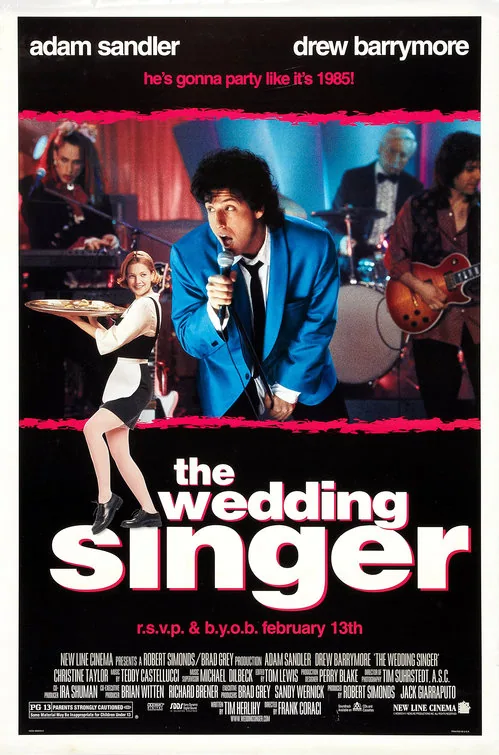
A wedding singer's heartbreak collides with a new connection as both characters approach other weddings.
Why this matches +
These offer a related experience with a meaningful difference in story, tone, or presentation.
An adjacent discovery: a related idea with a different viewing experience.
Genres: Romance / Comedy
Shared film traits
Based on recorded story, mood and style. Your preferences can change the order.
Music and performance
What changes The Wedding Singer follows a performer whose romantic disappointment shapes his comic work and kindness to others.
Robbie Hart makes a living singing at weddings in 1985 and expects to marry his longtime girlfriend. When she leaves him at the altar, waitress Julia helps him through the disappointment even as she prepares for her own wedding. Their growing affection is complicated by timing and by the commitments they have already made, while period songs and performances give the romance a buoyant frame.
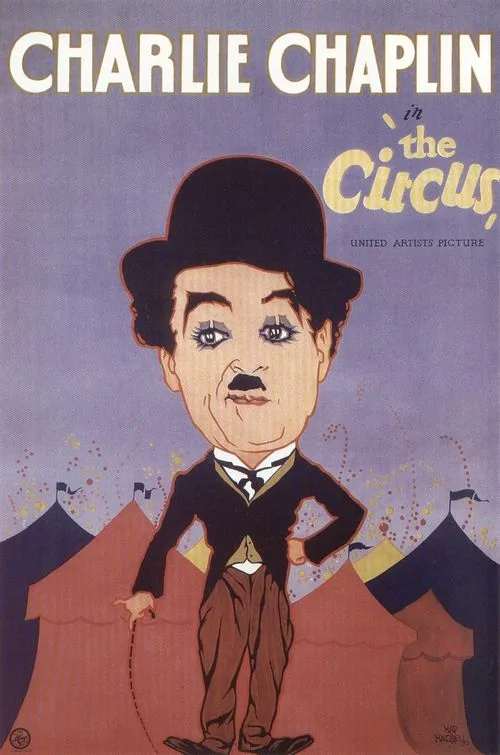
A hungry Tramp is mistaken for a pickpocket and flees into a circus performance, where his accidental antics delight the audience. The struggling ringmaster hires him, then exploits his unplanned comic talent as a way to revive the show. The Tramp befriends Merna, a performer mistreated by her stepfather, and hopes to win her affection. When Merna falls for the new tightrope walker Rex, the Tramp has to accept that helping her find happiness may not include himself.
What drives the story
The Tramp's unintentional success rescues a failing circus, but the ringmaster's decision to use him as a prop turns talent into a kind of exploitation.
The people at its centre
The Tramp supports Merna's independence while hoping for romance; her choice of Rex shifts the final act from courtship to unselfish departure.
What it feels like
Silent physical comedy builds set pieces from tightrope walking, animals and the moving circus, then lets an understated heartbreak interrupt the spectacle.
Worth knowing
Choose it for Chaplin's pantomime and bittersweet clown character; its emotional arc is quieter and more personal than the studio's later sound-era circus melodramas.