Explore films connected to The Lazarus Project through second chances, guilt, family separation. Choose the qualities you want to carry into your next watch.
What should feel similar?
Find your next favourite
9 films · Closest overall matches
Hide films you’ve seen or don’t want. Saved on this device.
No matches for this combination yet.
Try another option or reset your choices to see more films.
Based on recorded story, mood and style. Your preferences can change the order.
Memory and identity
What changes The Lazarus Project: slow-burn, clue-driven and gradually ominous. Dark Places: club's theory reopens the case, investigation uncovers conflicting recollections and reconstruction leads to a family revelation.
As a child, Libby Day survived the murder of her mother and sisters and identified her teenage brother Ben as the killer. Years later, short of money, she agrees to meet members of a true-crime club who believe Ben may be innocent. Their questions send her back through the events of that night and into contact with people who knew her family. The mystery shifts between past and present as Libby reconsiders testimony shaped by trauma and incomplete memory.
Based on recorded story, mood and style. Your preferences can change the order.
Memory and identity
What changes The Lazarus Project: slow-burn, clue-driven and gradually ominous. In the Shadow of the Moon: decades-spanning structure and clue-driven escalation.
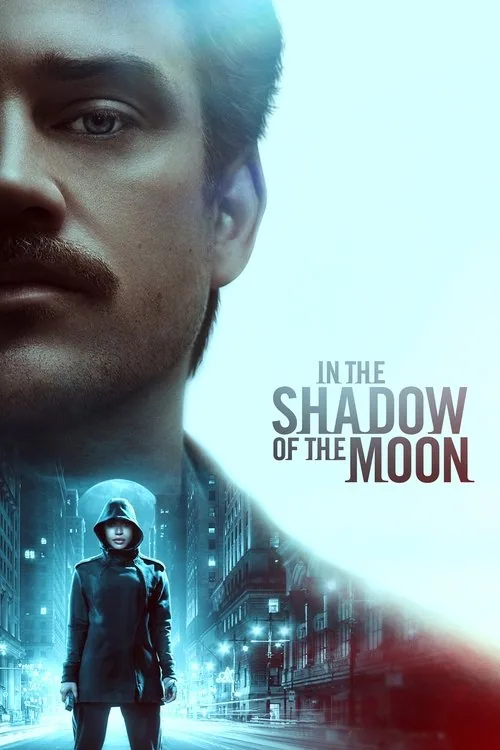
In 1988 Philadelphia, police officer Thomas Lockhart becomes fixated on a series of murders whose victims appear to die from inexplicable neurological injuries. A mysterious woman is linked to the attacks, but she vanishes and reappears years later with the same apparent age. As Lockhart returns to the case across decades, the investigation strains his career and family life. Jim Mickle’s science-fiction crime thriller blends serial-murder investigation with time-travel speculation and asks what happens when a detective’s pursuit of one explanation begins to consume his life.
Based on recorded story, mood and style. Your preferences can change the order.
What changes The Lazarus Project: slow-burn, clue-driven and gradually ominous. Faster: the list of targets gives way to questions about who set the original crime in motion..
Just released from prison, Jimmy Cullen follows a list of people connected to the robbery that killed his brother. A police detective tracks him while a hired killer closes in, turning the apparent revenge mission into a three-way pursuit across California and Nevada. George Tillman Jr.’s action thriller moves between blunt, fast confrontations and quieter encounters that challenge the certainty of vengeance. As the list shortens, Jimmy’s understanding of the betrayal changes and the investigators discover that one pursuer has a personal stake.
Based on recorded story, mood and style. Your preferences can change the order.
Memory and identity
What changes The Lazarus Project: slow-burn, clue-driven and gradually ominous. Cassandra's Dream: dream of upward mobility, crime decision and execution and guilt-driven breakdown.
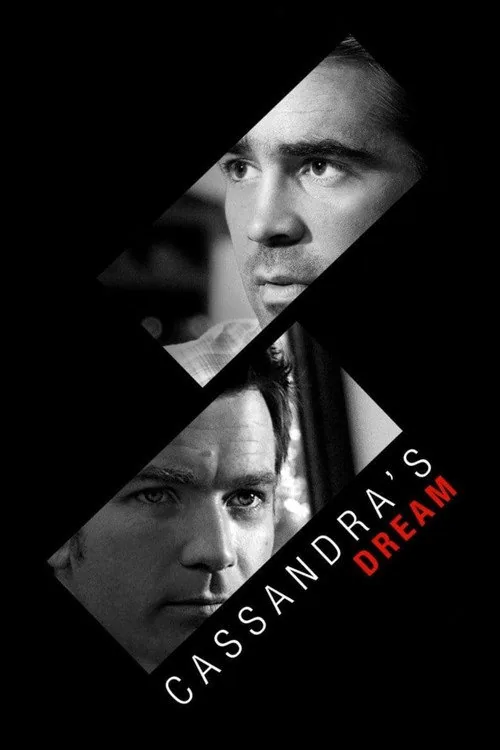
South London brothers Terry and Ian need money for different reasons: Terry's gambling losses create debt, while Ian wants to fund a business and impress an actress. Their wealthy uncle Howard offers help if they carry out a murder that protects his business interests. The brothers accept, but the crime transforms their plans into an escalating moral and psychological crisis. Woody Allen's crime drama borrows the structure of Greek tragedy to show how financial desperation and family loyalty can turn into irreversible complicity.
Based on recorded story, mood and style. Your preferences can change the order.
Memory and identity
What changes The Lazarus Project: slow-burn, clue-driven and gradually ominous. Vengeance: a podcast investigation evolves into a moral and comic reckoning.
New York podcaster Ben travels to West Texas after learning that a casual romantic acquaintance has died. Her brother believes she was murdered and asks Ben to help investigate and seek revenge. Ben’s attempt to shape the story for an audience collides with the family’s grief and the limits of what he knows. The black comedy examines media extraction, regional stereotypes, and the difference between a compelling narrative and a just response.
Based on recorded story, mood and style. Your preferences can change the order.
Memory and identity
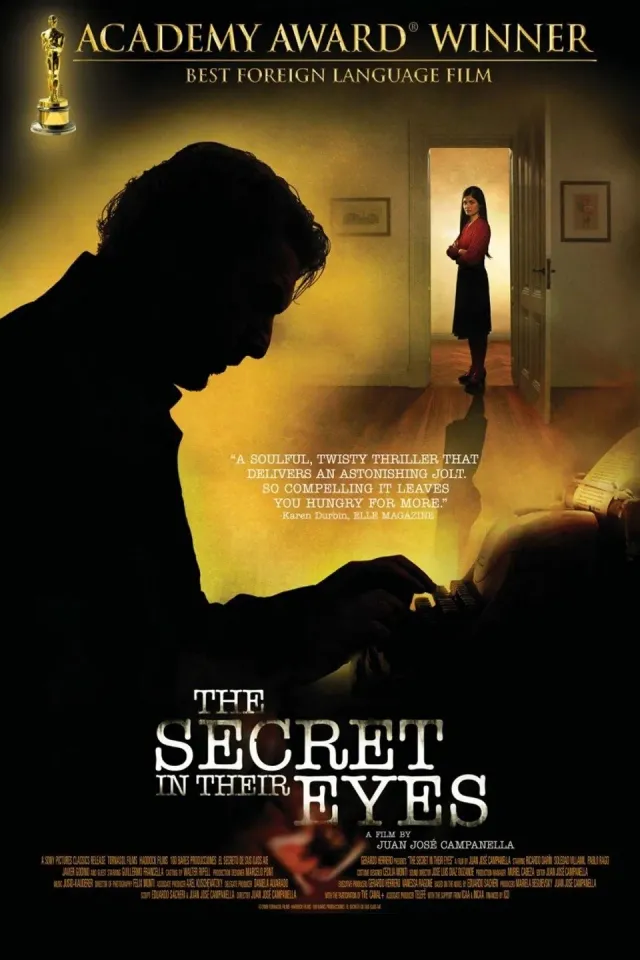
What changes The Lazarus Project: slow-burn, clue-driven and gradually ominous. The Secret in Their Eyes: past-and-present structure, case file reconstruction and late moral revelation.
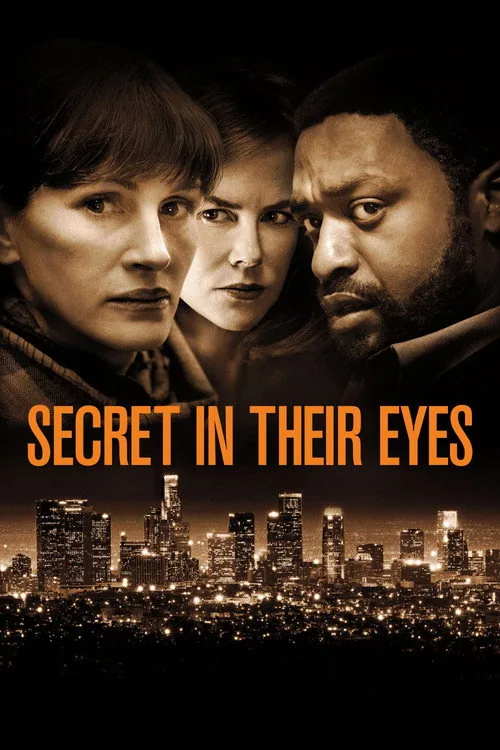
Years after a young woman is murdered, retired investigator Ray Kasten returns to Los Angeles and tries to reopen the case alongside former colleague Claire Sloan. The victim was the daughter of Ray's friend Jess, whose grief and search for justice shaped the original investigation. A suspect connected to a terrorism inquiry was never brought to trial, and the old team must confront why the case stalled. The American adaptation combines a murder investigation with unresolved love, institutional compromise, and the long reach of trauma.
Based on recorded story, mood and style. Your preferences can change the order.
Memory and identity
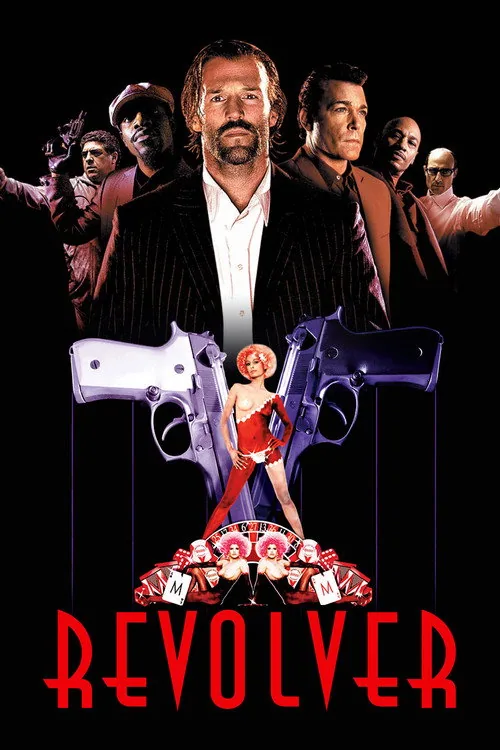
What changes The Lazarus Project: slow-burn, clue-driven and gradually ominous. Revolver: a criminal revenge plan becomes an argument about whether jake can escape the need to win..
After seven years in solitary confinement, gambler Jake Green challenges crime boss Dorothy Macha and appears to win a dangerous game. A blood-disease diagnosis and a failed attempt on Jake’s life lead loan sharks Zach and Avi to offer protection in exchange for his money and obedience. As Jake helps them undermine Macha and the rival Lord John, the story folds crime intrigue into a larger struggle with fear and ego. Guy Ritchie’s thriller uses an intentionally cryptic structure and philosophical dialogue, with a theatrical release and later re-edited version.
Based on recorded story, mood and style. Your preferences can change the order.
What changes The Lazarus Project: slow-burn, clue-driven and gradually ominous. The Secret in Their Eyes: nonlinear and patiently unfolding.
Retired legal investigator Benjamín Espósito begins writing about a rape and murder case that has haunted him for decades. Reconstructing the investigation takes him back to 1970s Argentina, where he worked with his superior Irene and encountered Ricardo Morales, the victim's grieving husband. The search for the killer was shaped by institutional corruption and the political climate, while Benjamín's restrained feelings for Irene remained unresolved. In the present, details that seemed settled become newly uncertain as memory and evidence are tested against one another. Benjamín's decision to revisit the case is not only professional: the act of writing forces him to confront what he has avoided in both the investigation and his personal life.
Based on recorded story, mood and style. Your preferences can change the order.
Memory and identity · Family and care
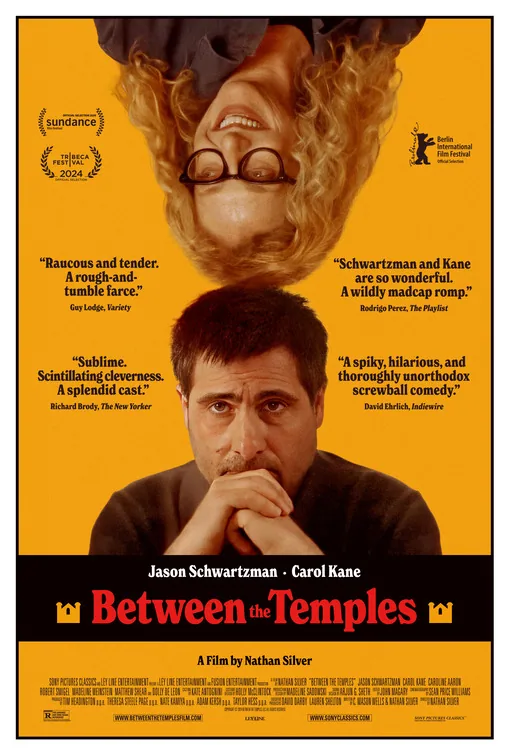
What changes The Lazarus Project: slow-burn, clue-driven and gradually ominous. Between the Temples: conversation-led, patient and character-driven.
Cantor Ben is grieving his wife and struggling to lead a bar mitzvah ceremony when Carla, his former music teacher, returns and asks him to help her prepare for an adult bat mitzvah. Their lessons bring humor and companionship, but also unsettle Ben's assumptions about religious life and intimacy. Nathan Silver's gentle comedy follows two adults confronting loneliness and possibility through shared study, awkward conversation and a renewed attention to the routines that once seemed fixed.
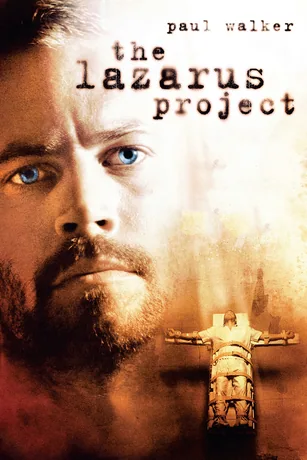
Ben Garvey is a reformed criminal trying to support his wife and daughter when a robbery proposed by his newly released brother ends in several deaths. Sentenced to execution, Ben says goodbye to his family and prepares for the lethal injection. He next finds himself in a small Oregon town, where he is offered work at a psychiatric hospital and told that he has been given another chance. Unable to return home, he begins to question whether he survived, entered a new life or is caught inside a more troubling experiment.
What drives the story
Ben’s new job and the hospital’s unexplained rules turn his supposed second chance into a search for what happened after his execution.
The people at its centre
His separation from his wife and daughter makes every uncertain clue carry the weight of a family bond he may have lost.
What it feels like
The film asks viewers to hold competing explanations as a former prisoner tries to understand his new identity and circumstances.
Worth knowing
Its central uncertainty is whether Ben has entered a spiritual afterlife or a human scheme, rather than a straightforward medical thriller.