Explore films connected to The Life of Chuck through The value of an ordinary life, Memory and mortality, Joy amid uncertainty. Choose the qualities you want to carry into your next watch.
What should feel similar?
Find your next favourite
9 films · Closest overall matches
Hide films you’ve seen or don’t want. Saved on this device.
No matches for this combination yet.
Try another option or reset your choices to see more films.
Based on recorded story, mood and style. Your preferences can change the order.
Memory and identity
What changes The Life of Chuck: reverse-chronological structure, shifts from cosmic to intimate and reflective pauses. The Giver: measured and quest-driven.
In a controlled community that has suppressed memory, strong emotion, and individual difference, teenager Jonas is selected to receive the memories preserved by the Receiver. His training with the older man exposes the beauty and pain erased from daily life, leading Jonas to question the system and protect a vulnerable child. Phillip Noyce's adaptation turns a young adult dystopia into a story about memory, conformity, and the cost of safety without choice.
Based on recorded story, mood and style. Your preferences can change the order.
What changes The Life of Chuck: reverse-chronological structure, shifts from cosmic to intimate and reflective pauses. Into the Woods: episodic and escalating.
A baker and his wife enter a forest to assemble objects that could lift a curse preventing them from having a child. Their bargain intersects with other familiar wishes, allowing each apparent success to help produce another person's trouble. When the initial happy endings fail to remain stable, surviving characters must act without the moral simplicity the stories seemed to promise. The musical makes desire causally entangled, shifting from acquisition toward responsibility for damage that cannot be assigned to one conveniently isolated villain.
Based on recorded story, mood and style. Your preferences can change the order.
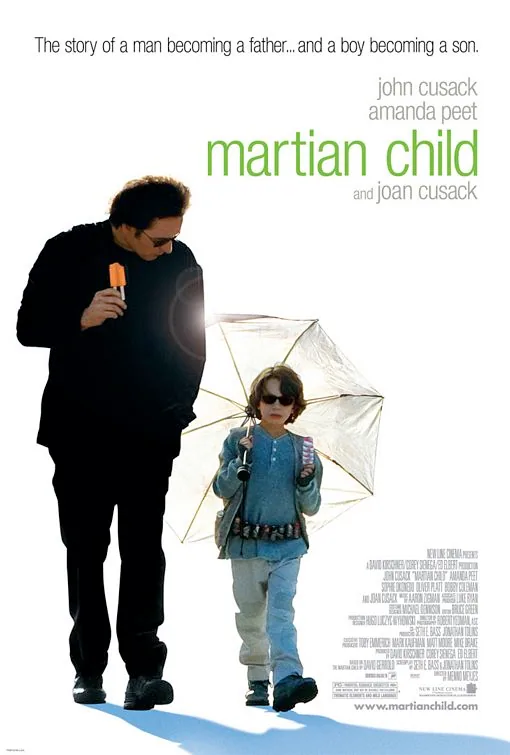
What changes The Life of Chuck: reverse-chronological structure, shifts from cosmic to intimate and reflective pauses. Martian Child: gradual and character-led.
A grieving science-fiction writer begins the process of adopting a quiet boy who insists that he is from Mars. The child’s unusual beliefs and solitary routines challenge the writer’s assumptions about parenthood, while friends and professionals offer differing views about what the boy needs. The family drama uses the fantasy claim as a way to consider imagination, acceptance and the responsibilities involved in making a stable home for someone who feels different.
Based on recorded story, mood and style. Your preferences can change the order.
Memory and identity · Dream worlds
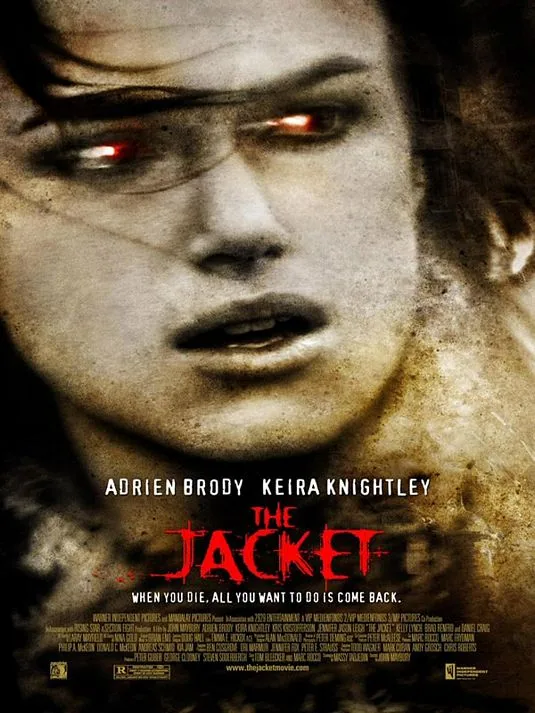
What changes The Life of Chuck: reverse-chronological structure, shifts from cosmic to intimate and reflective pauses. The Jacket: unsteady and revelatory.
A Gulf War veteran named Jack is found with amnesia and committed to a psychiatric institution, where experimental treatment produces disorienting experiences of time and possible futures. His perceptions connect him to people whose lives may still be changed, but the uncertainty around what he sees complicates every effort to act. The thriller combines institutional confinement with a fractured identity story shaped by trauma and mortality.
Based on recorded story, mood and style. Your preferences can change the order.
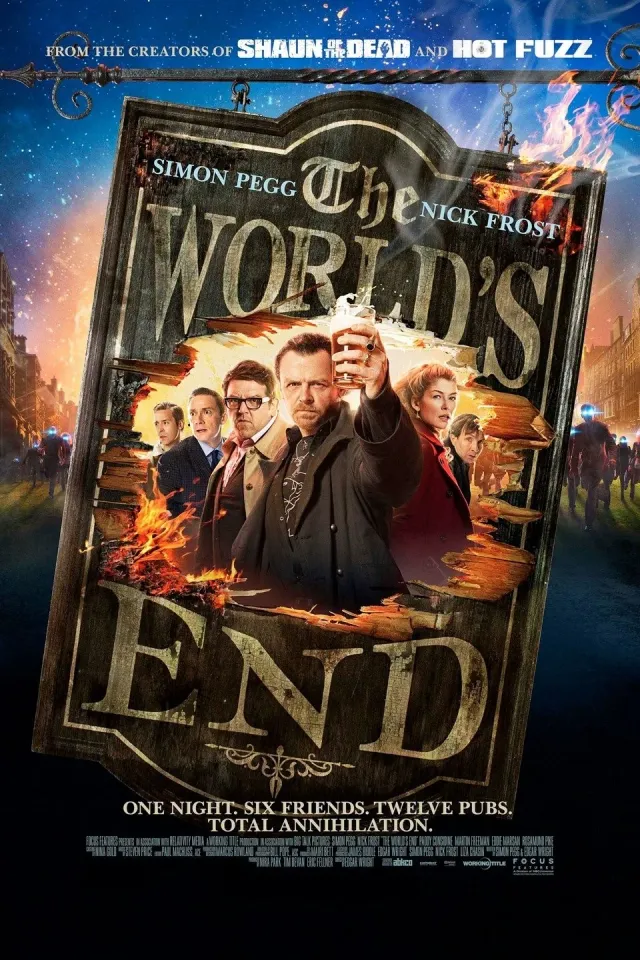
What changes The Life of Chuck: reverse-chronological structure, shifts from cosmic to intimate and reflective pauses. The World's End: fast and escalating.
Gary King reunites his childhood friends to finish a pub crawl they failed to complete as teenagers in their hometown. The group discovers that the familiar pubs and some of the people inside them have been replaced by an alien system intent on enforcing conformity. Edgar Wright's science-fiction comedy combines a reunion road map with a fast escalation, while Gary's nostalgia and denial threaten the friendships he hopes to restore.
Based on recorded story, mood and style. Your preferences can change the order.
Memory and identity
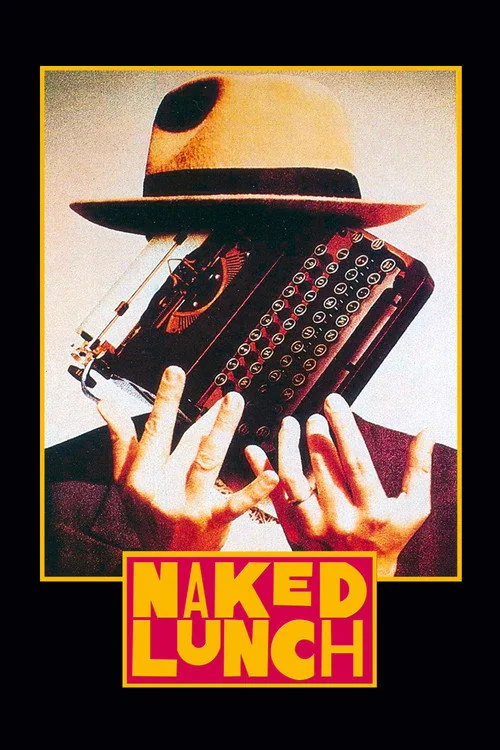
What changes The Life of Chuck: reverse-chronological structure, shifts from cosmic to intimate and reflective pauses. Naked Lunch: episodic surrealism, fragmentary shifts and dream logic.
Pest exterminator William Lee becomes entangled in a surreal chain of events after a strange substance exposes his wife to a lethal dose of insecticide. In a feverish, fictionalized landscape, talking typewriters, secret agents, and invented identities blur with Lee's memories and writing. David Cronenberg draws loosely from William S. Burroughs's novel and life, creating a hallucinatory film about addiction, censorship, authorship, and the unstable border between lived experience and literary invention.
Based on recorded story, mood and style. Your preferences can change the order.
Memory and identity
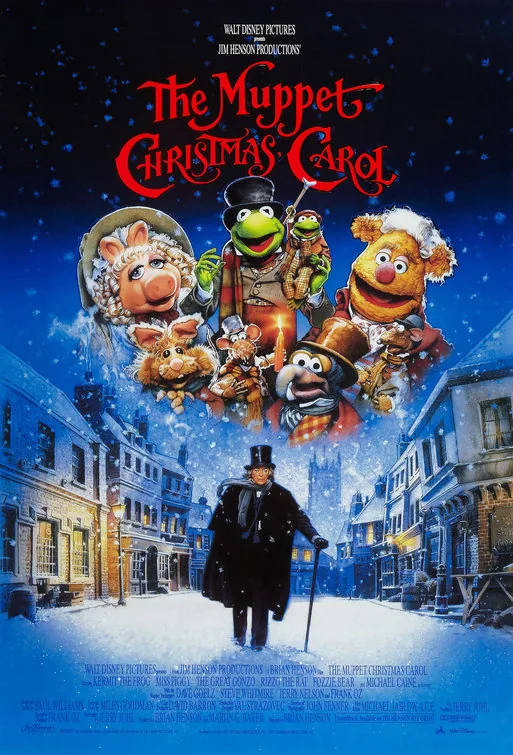
What changes The Life of Chuck: reverse-chronological structure, shifts from cosmic to intimate and reflective pauses. The Muppet Christmas Carol: three-part moral journey.
Ebenezer Scrooge is visited by spirits who make him revisit his past, see the cost of his present choices and imagine the future awaiting him. Muppet performers inhabit Dickens's story while Michael Caine plays the miser with sincere dramatic weight, letting broad comic interjections sit beside a clear moral transformation. Songs and familiar holiday imagery make the adaptation welcoming without losing the tale's concern with generosity and social responsibility.
Based on recorded story, mood and style. Your preferences can change the order.
Memory and identity
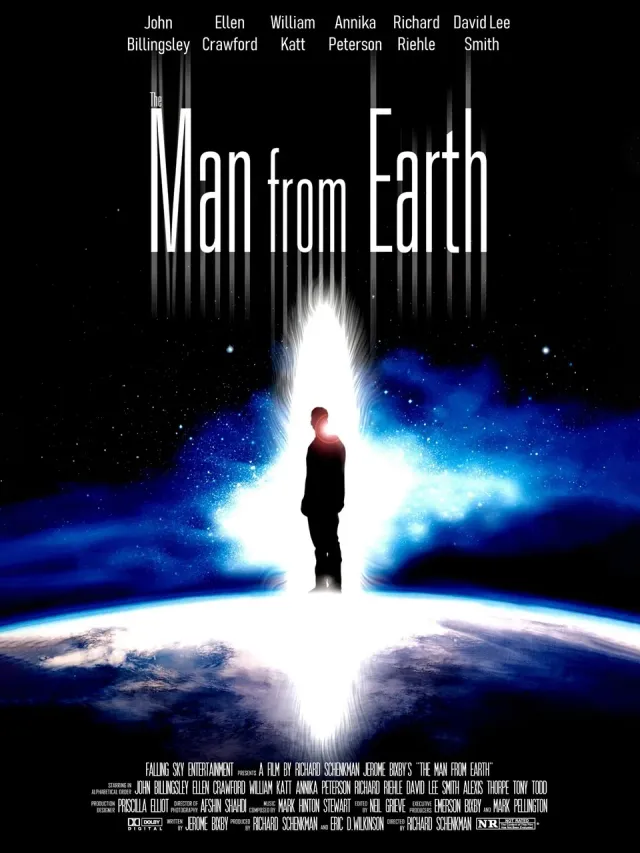
What changes The Life of Chuck: reverse-chronological structure, shifts from cosmic to intimate and reflective pauses. The Man from Earth: conversation-led and gradual reveal.
At a small farewell gathering, a university professor claims that he has lived for thousands of years and gradually answers his colleagues’ questions about the past. The film remains almost entirely in one room, turning speculative history into a debate about belief, evidence and the stories people use to explain their lives. Its central suspense depends less on action than on how each listener tests the claim and reacts to uncertainty.
Based on recorded story, mood and style. Your preferences can change the order.
What changes The Life of Chuck: reverse-chronological structure, shifts from cosmic to intimate and reflective pauses. Ghostbusters: Afterlife: steady and escalating.
A financially strained family moves to a neglected Oklahoma farm inherited from a grandfather whose absence has shaped their resentment. His scientifically curious granddaughter finds equipment and evidence that suggest his isolation had a purpose. New friendships turn investigation into an adventure through the town's hidden infrastructure, while supernatural activity links inherited family damage with an unfinished protective task. The film combines discovery of a franchise's tools with a child's effort to understand an adult who seemed to have abandoned those closest to him.
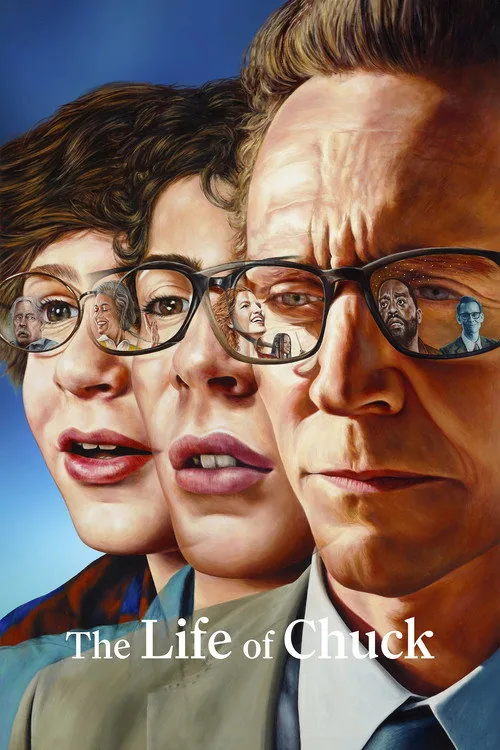
Mike Flanagan adapts Stephen King’s novella as three connected chapters in the life of Charles “Chuck” Krantz, told in reverse order. The film begins as signs of a larger collapse appear across the world, then gradually narrows its attention toward the ordinary memories, relationships, and youthful discoveries that made Chuck’s life meaningful. Tom Hiddleston leads a reflective drama that mixes apocalyptic unease with music, dance, and a life-affirming view of everyday experience.
What drives the story
A reverse-ordered life story turns a mysterious public crisis into a gradual portrait of the person celebrated in the opening.
The people at its centre
Chuck’s family, teachers, colleagues, and brief encounters build an account of connection across different stages of one life.
What it feels like
The film balances ominous cosmic imagery with warm music and dancing, approaching mortality through gratitude rather than horror.
Worth knowing
Although based on Stephen King, it is a reflective fantasy drama rather than a conventional horror adaptation.
The value of an ordinary lifeMemory and mortalityJoy amid uncertainty
Mood
Reflective · Hopeful · Elegiac
Pacing
Reverse-chronological structure · Shifts from cosmic to intimate · Reflective pauses