Explore films connected to Naked Lunch through addiction and perception, art and self-invention, censorship and control. Choose the qualities you want to carry into your next watch.
What should feel similar?
Find your next favourite
9 films · Closest overall matches
Hide films you’ve seen or don’t want. Saved on this device.
No matches for this combination yet.
Try another option or reset your choices to see more films.
Based on recorded story, mood and style. Your preferences can change the order.
Memory and identity
What changes Naked Lunch: episodic surrealism, fragmentary shifts and dream logic. The Life of Chuck: reverse-chronological structure, shifts from cosmic to intimate and reflective pauses.
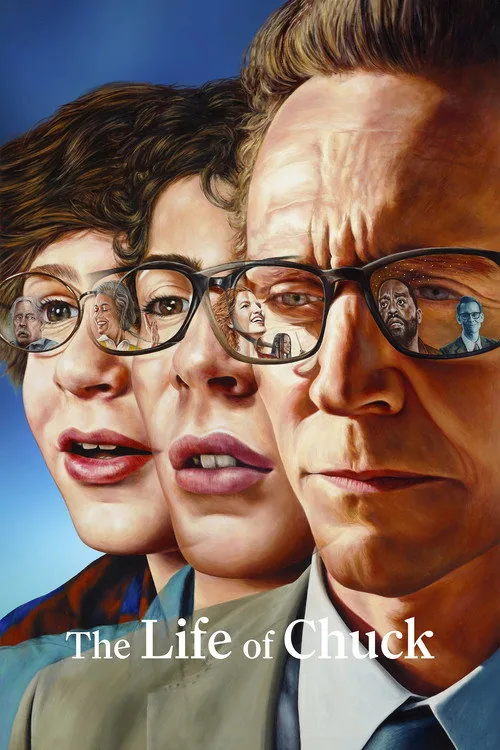
Mike Flanagan adapts Stephen King’s novella as three connected chapters in the life of Charles “Chuck” Krantz, told in reverse order. The film begins as signs of a larger collapse appear across the world, then gradually narrows its attention toward the ordinary memories, relationships, and youthful discoveries that made Chuck’s life meaningful. Tom Hiddleston leads a reflective drama that mixes apocalyptic unease with music, dance, and a life-affirming view of everyday experience.
Based on recorded story, mood and style. Your preferences can change the order.
Memory and identity
What changes Naked Lunch: episodic surrealism, fragmentary shifts and dream logic. Predestination: patient conversation into compressed temporal turns.
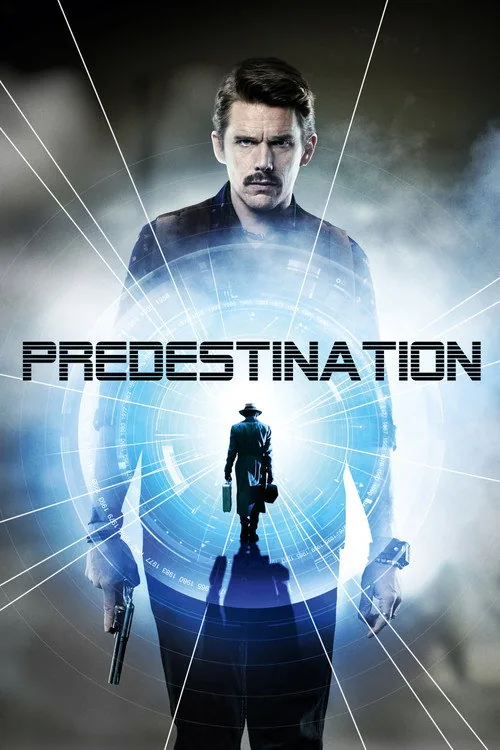
A time-traveling agent takes a final assignment to stop the Fizzle Bomber, a culprit whose attacks span decades. Undercover as a bartender in 1970 New York, he meets a customer whose unusual life story changes the shape of the investigation. The film links the agency’s mission to questions of identity, origin, and cause, turning an action premise into a tightly structured temporal puzzle.
Based on recorded story, mood and style. Your preferences can change the order.
What changes Naked Lunch: episodic surrealism, fragmentary shifts and dream logic. James and the Giant Peach: quest-driven, episodic encounters and musical adventure.
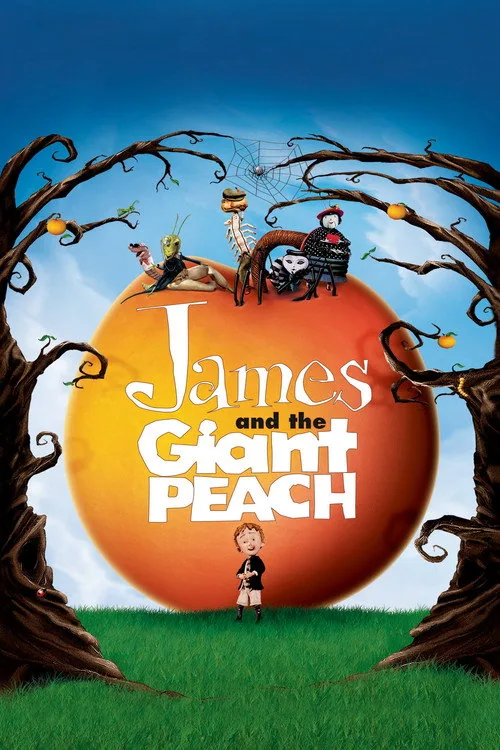
After his parents die, young James Henry Trotter is sent to live with his cruel aunts, who keep him isolated and working. A mysterious gift causes a peach to grow to enormous size, and James discovers human-sized insects living inside it. When the fruit rolls away, he and his new companions begin a journey toward New York, facing dangers that test their courage and friendship. Henry Selick’s adaptation combines live action with stop-motion fantasy based on Roald Dahl’s children’s novel.
Based on recorded story, mood and style. Your preferences can change the order.
Memory and identity
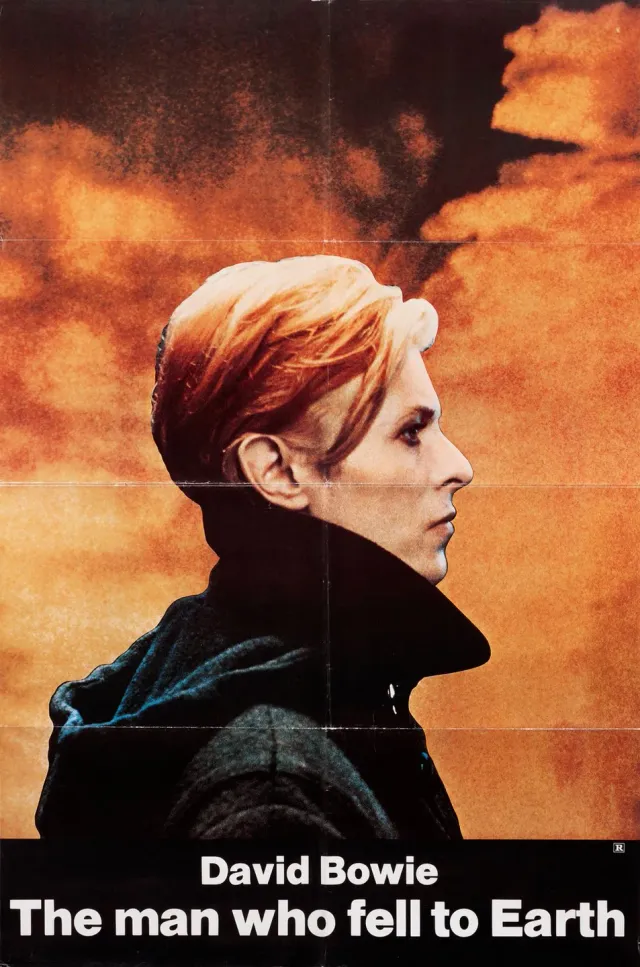
What changes Naked Lunch: episodic surrealism, fragmentary shifts and dream logic. The Man Who Fell to Earth: slow, fragmented and dreamlike.
An alien named Thomas Jerome Newton arrives in New Mexico seeking water for his drought-stricken home world. Using advanced knowledge, he patents new inventions and builds a corporation to fund a return vessel. His relationship with lonely hotel worker Mary-Lou introduces him to Earthly pleasures, while fuel technician Nathan Bryce grows suspicious of his identity. As wealth, isolation and alcohol reshape Newton's purpose, the film turns a visitor's mission into a strange portrait of celebrity and alienation.
Based on recorded story, mood and style. Your preferences can change the order.
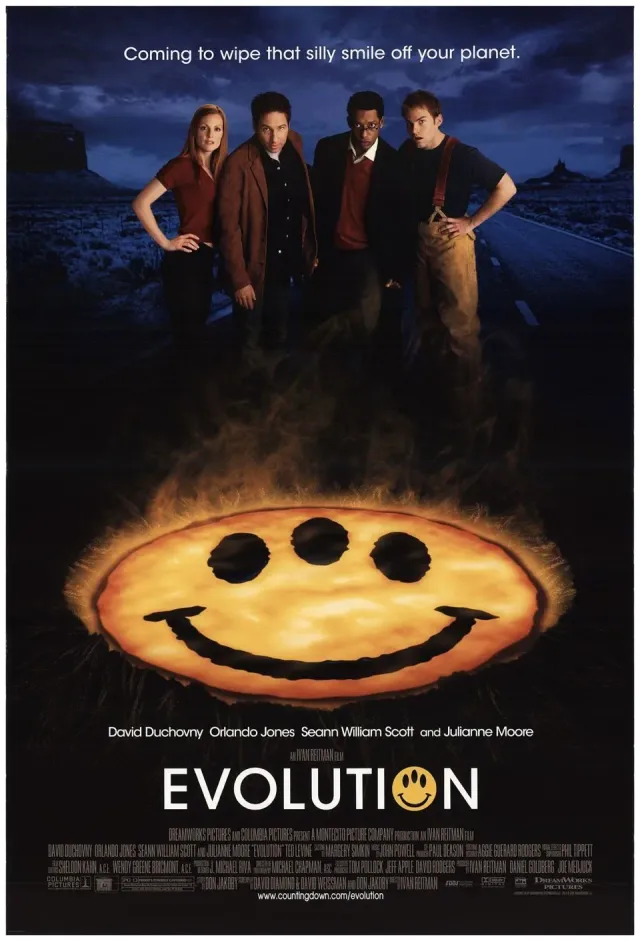
What changes Naked Lunch: episodic surrealism, fragmentary shifts and dream logic. Evolution: fast and escalating.
After a meteor crashes in Arizona, a college professor and a geologist find alien organisms evolving at extraordinary speed. Their discovery draws government attention and creates a race to understand and contain life forms that adapt faster than familiar methods can control. The science-fiction comedy mixes creature encounters with workplace banter, treating the threat as both a containment problem and absurd spectacle.
Based on recorded story, mood and style. Your preferences can change the order.
Memory and identity
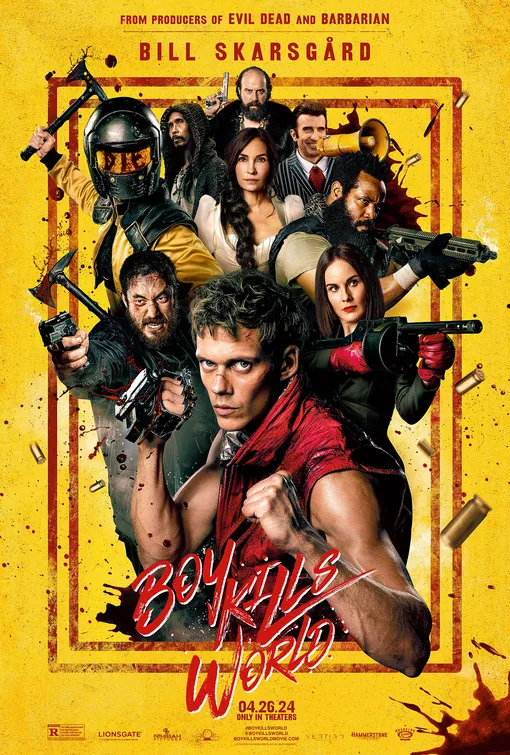
What changes Naked Lunch: episodic surrealism, fragmentary shifts and dream logic. Boy Kills World: rapid, episodic and escalating.
In a violent dystopian city ruled by the Van der Koy family, a boy loses his hearing and speech after the regime murders his family. A mysterious shaman trains him to turn his anger into combat skills, and he returns as an adult to pursue revenge. The boy's imagined voice and video-game-like point of view shape a stylized journey through the regime's public spectacle, while memories of his sister complicate the simple revenge story he thinks he is living.
Based on recorded story, mood and style. Your preferences can change the order.
What changes Naked Lunch: episodic surrealism, fragmentary shifts and dream logic. Bugonia: tense and escalating confrontation.
Two men abduct a powerful pharmaceutical executive because one is convinced she belongs to an alien force endangering Earth. Imprisoned in their basement, she must navigate an increasingly unstable attempt to force her to confirm his beliefs. The confined confrontation makes grief, corporate power and conspiratorial certainty collide, using grotesque comedy and menace to test who can control the explanation of events.
Based on recorded story, mood and style. Your preferences can change the order.
Constructed reality
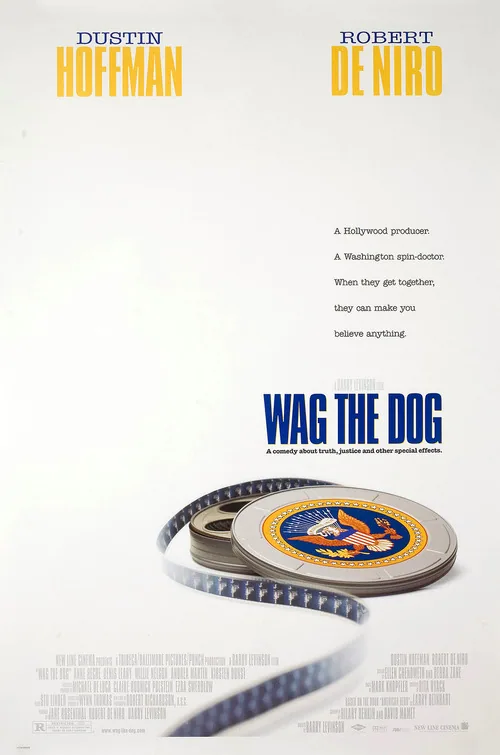
What changes Naked Lunch: episodic surrealism, fragmentary shifts and dream logic. Wag the Dog: schematic and escalating deception.
With a presidential sex scandal threatening an election, political consultant Conrad Brean hires Hollywood producer Stanley Motss to invent a distant war that can redirect the news. Motss treats the crisis as a production problem, assembling images, slogans, music and a fictional hero with the same craft he would use for a movie. Brean manages government messaging while the fabricated conflict begins to acquire an independent life in the media. The film’s comedy comes from watching public belief depend on the details of a story that exists mainly because two professionals know how to stage it. As the campaign grows, it becomes less controllable, even for the people who made it. The satire targets both political spin and entertainment’s ability to make images feel like evidence.
Based on recorded story, mood and style. Your preferences can change the order.
Constructed reality · Memory and identity
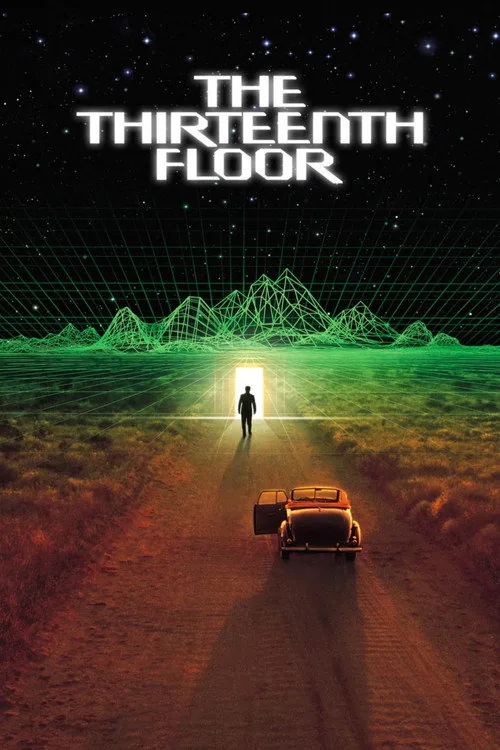
What changes Naked Lunch: episodic surrealism, fragmentary shifts and dream logic. The Thirteenth Floor: mystery-driven, gradual revelation and steady suspense.
In 1999 Los Angeles, computer scientist Douglas Hall is suspected of murdering his mentor, Hannon Fuller, who has recently completed a simulated version of 1937 Los Angeles. Hall investigates the crime by entering the virtual world, where its inhabitants appear unaware they are computer-generated. As evidence destabilizes his confidence in his own reality, the mystery expands into questions about who is observing whom and whether the simulation can contain a world of its own. The science-fiction thriller uses noir investigation to examine simulated consciousness, identity, and nested realities.
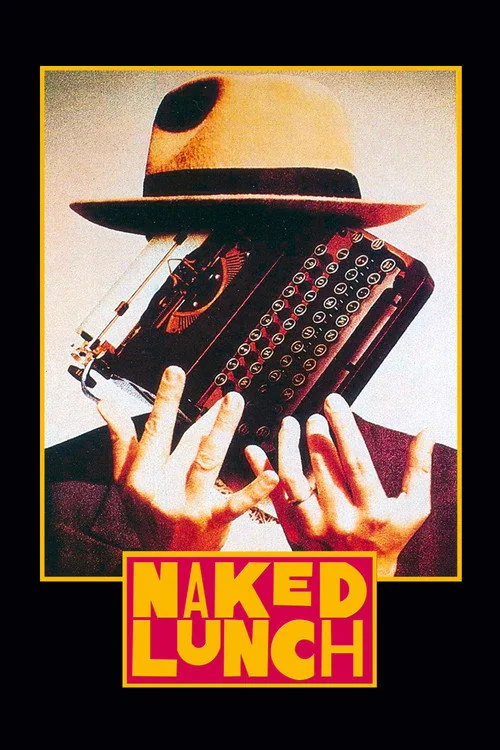
Pest exterminator William Lee becomes entangled in a surreal chain of events after a strange substance exposes his wife to a lethal dose of insecticide. In a feverish, fictionalized landscape, talking typewriters, secret agents, and invented identities blur with Lee's memories and writing. David Cronenberg draws loosely from William S. Burroughs's novel and life, creating a hallucinatory film about addiction, censorship, authorship, and the unstable border between lived experience and literary invention.
What drives the story
Lee's attempt to write and evade agents unfolds as his memories, drug experiences, and imagined missions begin to overlap.
The people at its centre
His relationship with Joan and the writer figures around him changes according to which version of reality he believes.
What it feels like
A surreal science-fiction drama pairs grotesque practical effects with disorienting voice-over and shifting identities.
Worth knowing
It freely combines Burroughs's writing and biography, rather than offering a direct screen adaptation of the novel.
addiction and perceptionart and self-inventioncensorship and control