Explore films connected to The Man with the Iron Fists through freedom and sacrifice, power and betrayal, loyalty among rivals. Choose the qualities you want to carry into your next watch.
What should feel similar?
Find your next favourite
9 films · Closest overall matches
Hide films you’ve seen or don’t want. Saved on this device.
No matches for this combination yet.
Try another option or reset your choices to see more films.
Based on recorded story, mood and style. Your preferences can change the order.
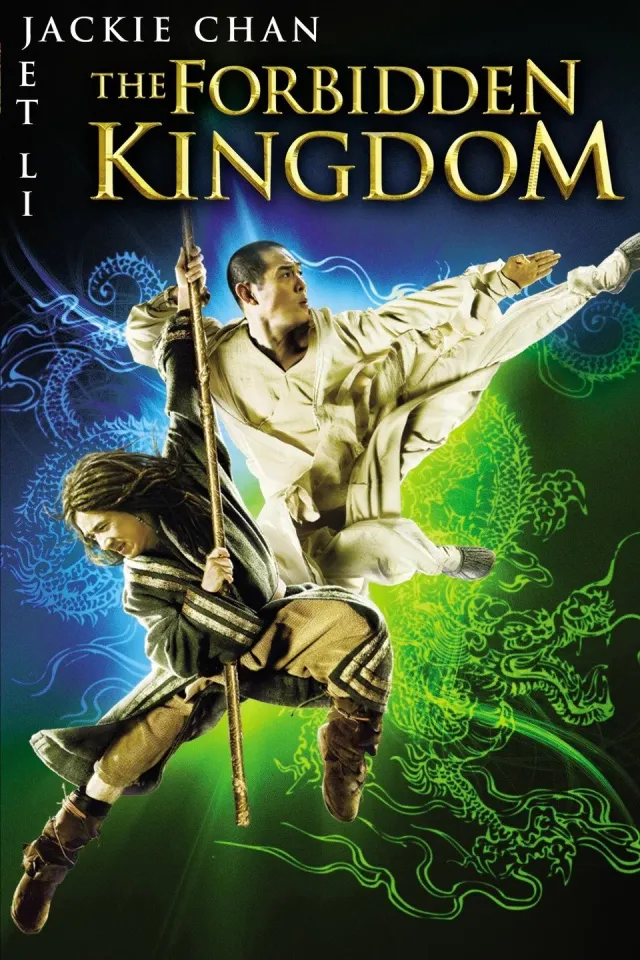
What changes The Man with the Iron Fists: fight-driven episodes, rapid clan conflicts and action climax. The Forbidden Kingdom: traveling quest and combat progression.
A Boston teenager fascinated by kung fu films finds a golden staff in a pawnshop and is pulled into a mythic version of ancient China. There he joins the drunken martial artist Lu Yan and the silent monk who is actually the Monkey King’s companion on a journey to return the staff and free the imprisoned king. A woman seeking revenge complicates their route, while the teen’s training becomes necessary to survive the pursuit. The film builds its adventure around a modern outsider learning to participate in a legend, using the quest to connect martial-arts set pieces with a fantasy story about loyalty, courage and inherited myth.
Based on recorded story, mood and style. Your preferences can change the order.
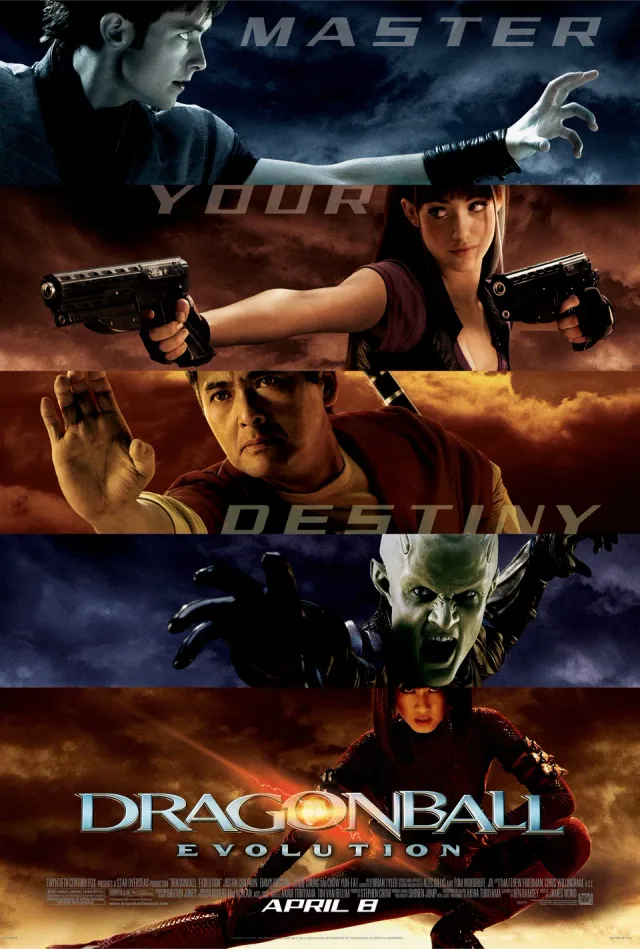
What changes The Man with the Iron Fists: fight-driven episodes, rapid clan conflicts and action climax. Dragonball Evolution: rapid and training and combat.
A teenager learns that his ordinary life is connected to a legendary set of objects sought by a powerful enemy, and he must join new allies to prevent a catastrophe. The live-action adaptation translates a manga and anime universe into a compressed adventure built around martial-arts training, supernatural powers and a coming-of-age hero. Its brisk, effects-heavy style and major changes to the source material have made it a frequently discussed franchise outlier.
Based on recorded story, mood and style. Your preferences can change the order.
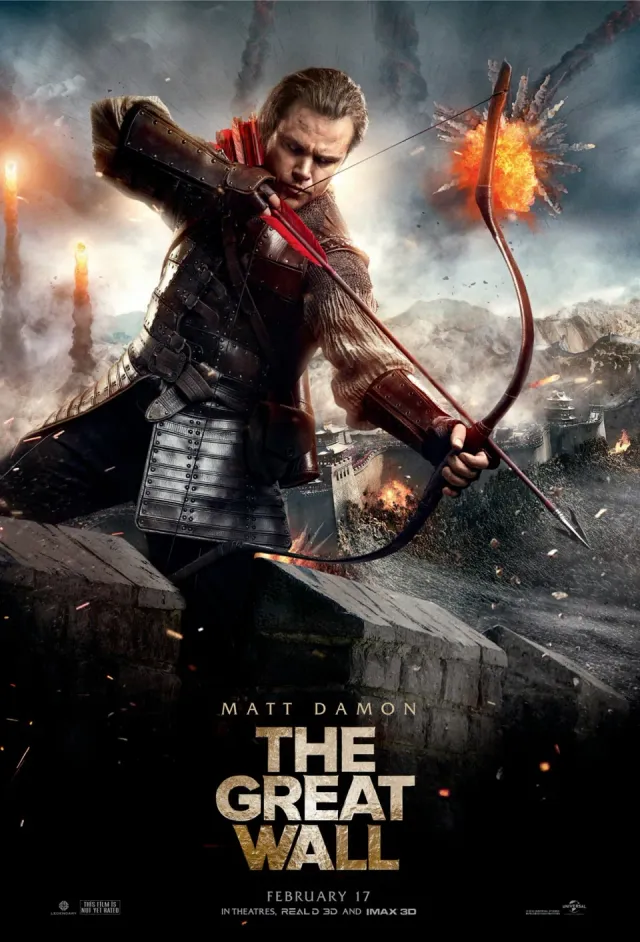
What changes The Man with the Iron Fists: fight-driven episodes, rapid clan conflicts and action climax. The Great Wall: repeated siege escalation and battle set pieces.
Two European mercenaries searching for gunpowder reach the Great Wall and are captured by a Chinese military order preparing for the return of a monstrous force. One of them chooses to help defend the wall against the creatures, while the other is more interested in escape and profit. The conflict becomes a sequence of large-scale battles that test the army’s systems and the mercenaries’ motives. The film’s fantasy premise and cross-cultural framing have drawn criticism for centering a European outsider within a Chinese historical setting, an issue that affects how its spectacle reads.
Based on recorded story, mood and style. Your preferences can change the order.
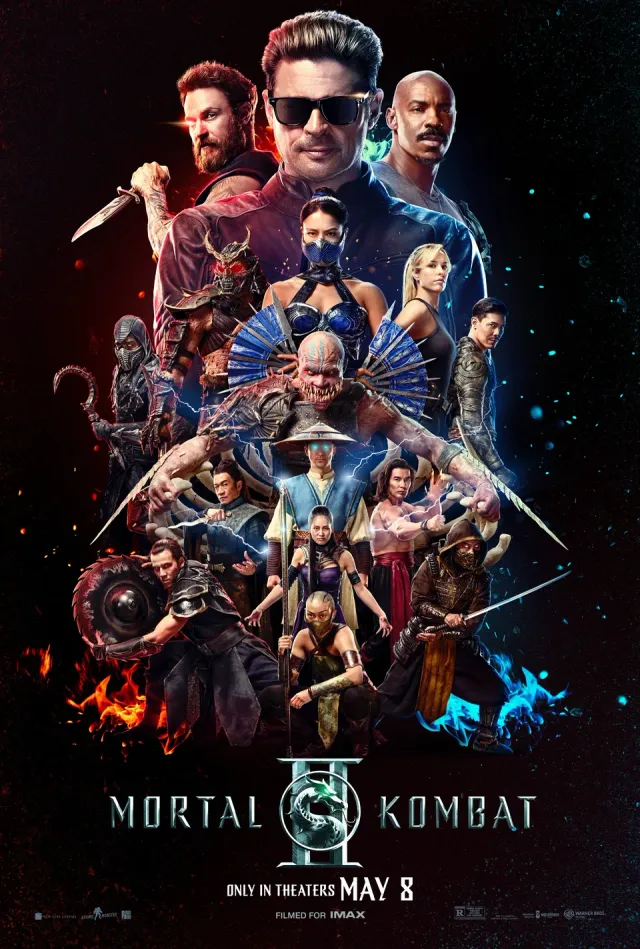
What changes The Man with the Iron Fists: fight-driven episodes, rapid clan conflicts and action climax. Mortal Kombat II: fight-driven escalation and ensemble battles.
Earthrealm's champions face a new battle against the forces of Outworld in the next chapter of the martial-arts fantasy. The story expands a fighting-game ensemble into a sequence of confrontations, alliances and spectacular tests of strength. Distinct combat styles give each champion a visible role, while the threat to both realms turns a tournament tradition into a collective defense against supernatural power.
Based on recorded story, mood and style. Your preferences can change the order.
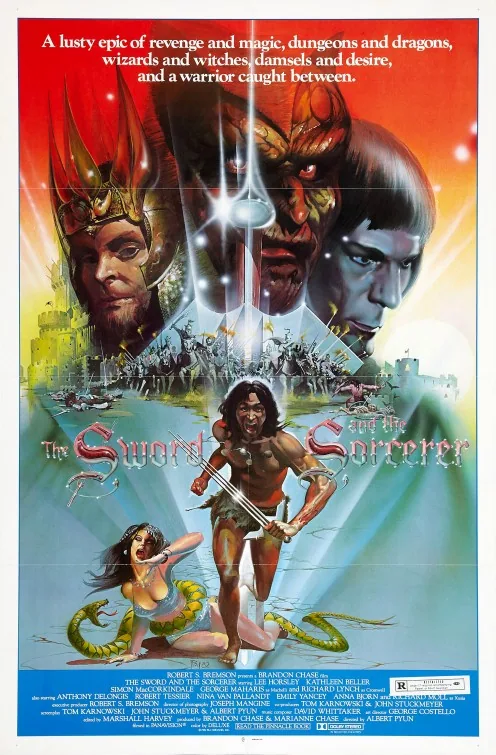
What changes The Man with the Iron Fists: fight-driven episodes, rapid clan conflicts and action climax. The Sword and the Sorcerer: action-led and quest-like.
A tyrant's forces threaten a kingdom, and a mercenary carrying a distinctive three-bladed sword is drawn into the resistance organized by a princess. As old loyalties and claims to power re-emerge, the conflict expands from a paid assignment into a fight over who will rule. The film favors practical, rough-edged adventure and swordplay over elaborate mythology, giving its fantasy world a pulpy tone.
Based on recorded story, mood and style. Your preferences can change the order.
Survival
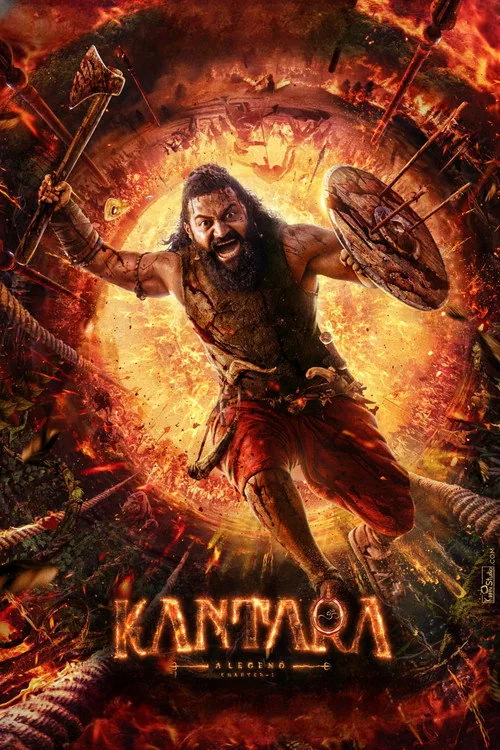
What changes The Man with the Iron Fists: fight-driven episodes, rapid clan conflicts and action climax. Kantara 2 (film): world-building opening, political conflict escalates and ritual and action climax.
Set centuries before the events of Kantara, this Kannada prequel explores the origin of a sacred forest and the divine guardians linked to its community. When the ruler of Bangra seeks to expand his kingdom into the protected land, a conflict grows between royal ambition, local people, and the forces believed to defend the forest. The film combines historical fantasy with regional folklore, ritual performance, and large-scale action, expanding the mythic world of the original while foregrounding the relationship between nature and spiritual protection.
Based on recorded story, mood and style. Your preferences can change the order.
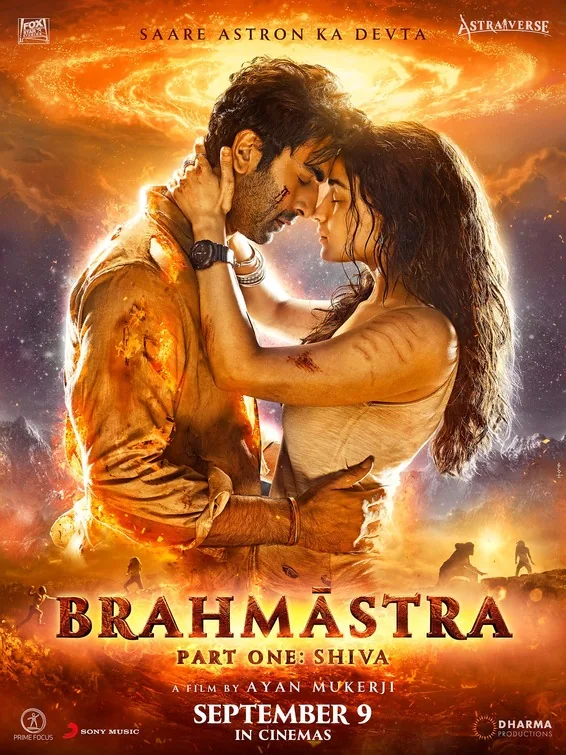
What changes The Man with the Iron Fists: fight-driven episodes, rapid clan conflicts and action climax. Brahmāstra Part One: Shiva: an origin story moves from discovery into large-scale confrontation.
Mumbai DJ Shiva discovers that a mysterious power within him connects to the ancient Brahmāstra and to a community guarding supernatural weapons. He travels with Isha to uncover his past as adversaries seek the weapon for their own purposes. The fantasy adventure builds a contemporary mythic universe through romance, inherited identity, and spectacular set pieces, framing power as a responsibility that must be understood before it is used.
Based on recorded story, mood and style. Your preferences can change the order.
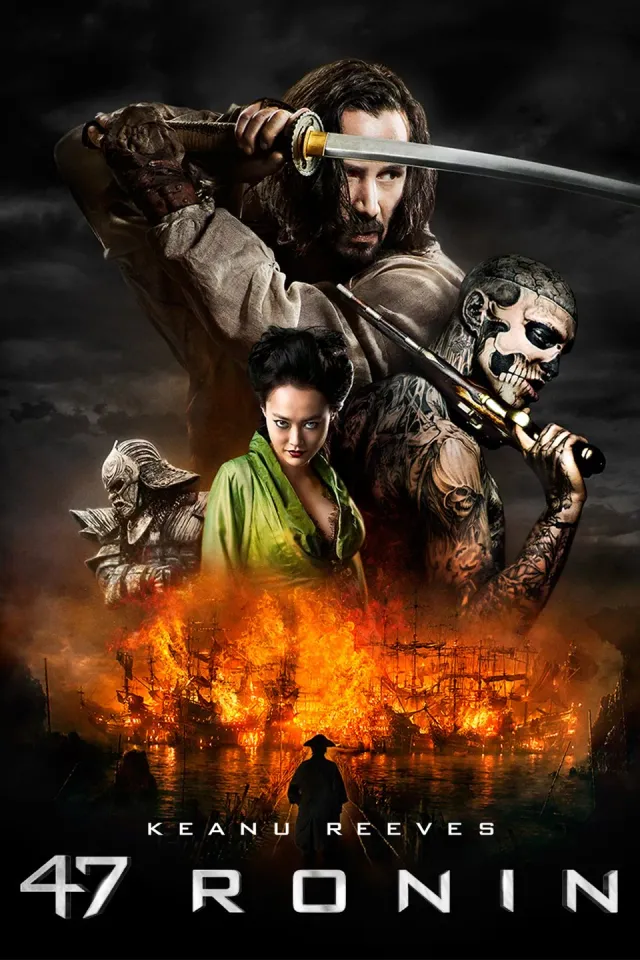
What changes The Man with the Iron Fists: fight-driven episodes, rapid clan conflicts and action climax. 47 Ronin: steady.
A mixed ancestry outcast raised among supernatural beings finds a precarious place in a Japanese lord's household. After a rival and a witch engineer that lord's disgrace and death, his samurai become masterless and forbidden to seek revenge. They recruit the outsider for a dangerous effort to avenge their master, even as loyalty to their code makes personal survival uncertain.
Based on recorded story, mood and style. Your preferences can change the order.
Survival
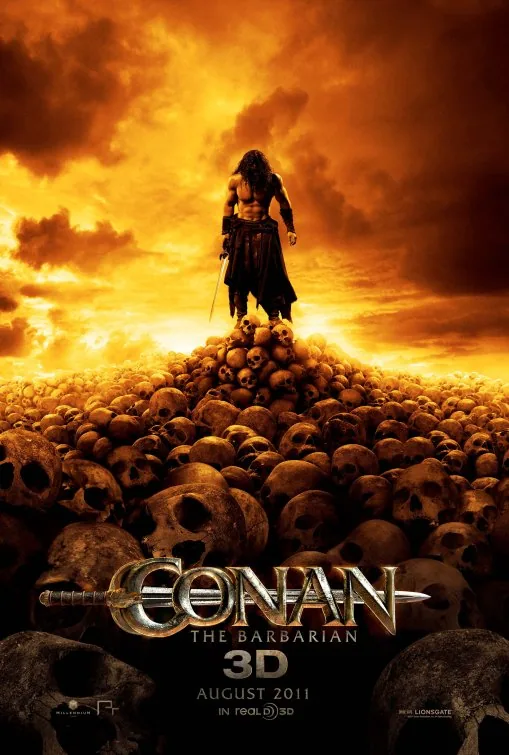
What changes The Man with the Iron Fists: fight-driven episodes, rapid clan conflicts and action climax. Conan the Barbarian: quest-driven and action-heavy.
After his village is attacked and his father killed, Conan grows into a warrior who pursues the warlord Khalar Zym and the power he seeks. His path intersects with Tamara, whose heritage is tied to the ritual at the center of the threat. Marcus Nispel's fantasy action film returns to Robert E. Howard's sword-and-sorcery world with a revenge-driven quest, emphasizing physical combat, mythic danger, and a hero shaped by loss.
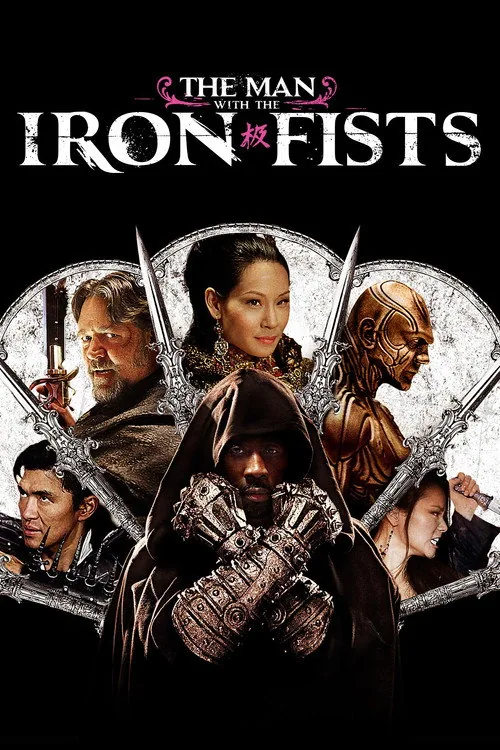
In nineteenth-century China, a blacksmith in Jungle Village makes weapons for rival clans while saving money to free the woman he loves. When betrayal and a gold shipment bring the clans into open conflict, the blacksmith is pulled into a struggle that changes his body and role in the village. Fighters with different allegiances converge as the local power balance collapses. RZA's martial-arts fantasy is an homage to kung-fu cinema, built around elaborate weapons, stylized combat, and an ensemble of eccentric warriors rather than historical realism.
What drives the story
A shipment of gold destabilizes a village already divided among clans, forcing the blacksmith to defend the life he hopes to leave.
The people at its centre
The blacksmith's bond with Lady Silk and his uneasy alliances with outsiders complicate a fight shaped by clan loyalties.
What it feels like
The film favors vivid weapon design, broad characters, and elaborate fights as a celebratory genre homage.
Worth knowing
Its historical setting is a stylized kung-fu fantasy, not a realistic chronicle of nineteenth-century Chinese politics.
freedom and sacrificepower and betrayalloyalty among rivals