Based on recorded story, mood and style. Your preferences can change the order.
What changes The Forbidden Kingdom: traveling quest and combat progression. The Man with the Iron Fists: fight-driven episodes, rapid clan conflicts and action climax.
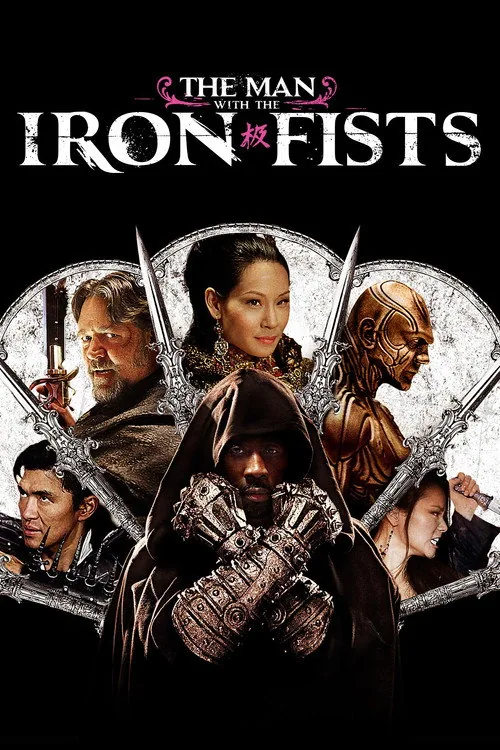
In nineteenth-century China, a blacksmith in Jungle Village makes weapons for rival clans while saving money to free the woman he loves. When betrayal and a gold shipment bring the clans into open conflict, the blacksmith is pulled into a struggle that changes his body and role in the village. Fighters with different allegiances converge as the local power balance collapses. RZA's martial-arts fantasy is an homage to kung-fu cinema, built around elaborate weapons, stylized combat, and an ensemble of eccentric warriors rather than historical realism.
Based on recorded story, mood and style. Your preferences can change the order.
Coming of age · Escape and pursuit
What changes The Forbidden Kingdom: traveling quest and combat progression. Dragonball Evolution: rapid and training and combat.
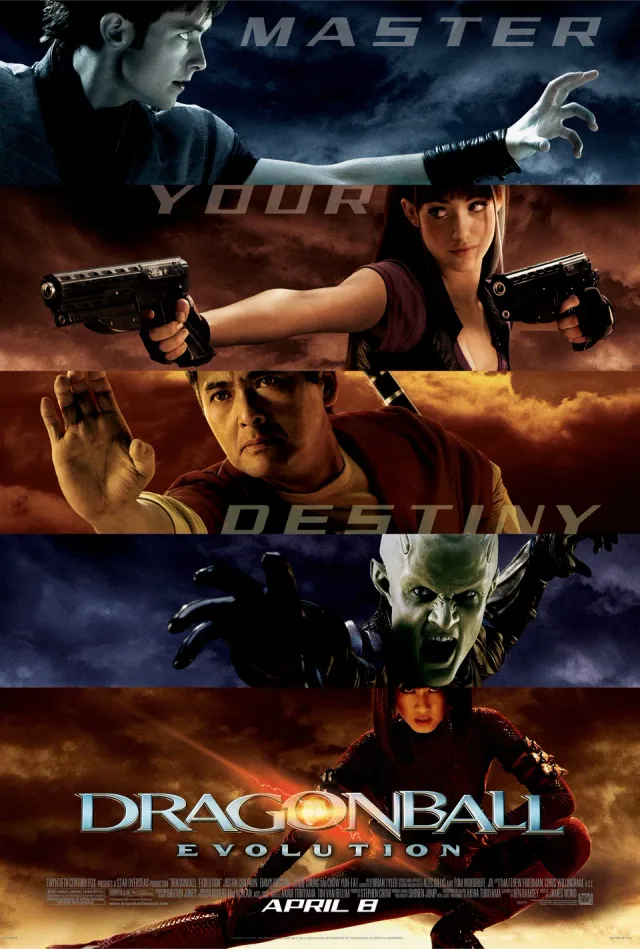
A teenager learns that his ordinary life is connected to a legendary set of objects sought by a powerful enemy, and he must join new allies to prevent a catastrophe. The live-action adaptation translates a manga and anime universe into a compressed adventure built around martial-arts training, supernatural powers and a coming-of-age hero. Its brisk, effects-heavy style and major changes to the source material have made it a frequently discussed franchise outlier.
Based on recorded story, mood and style. Your preferences can change the order.
Coming of age
What changes The Forbidden Kingdom: traveling quest and combat progression. Jumanji: Welcome to the Jungle: fast and escalating.
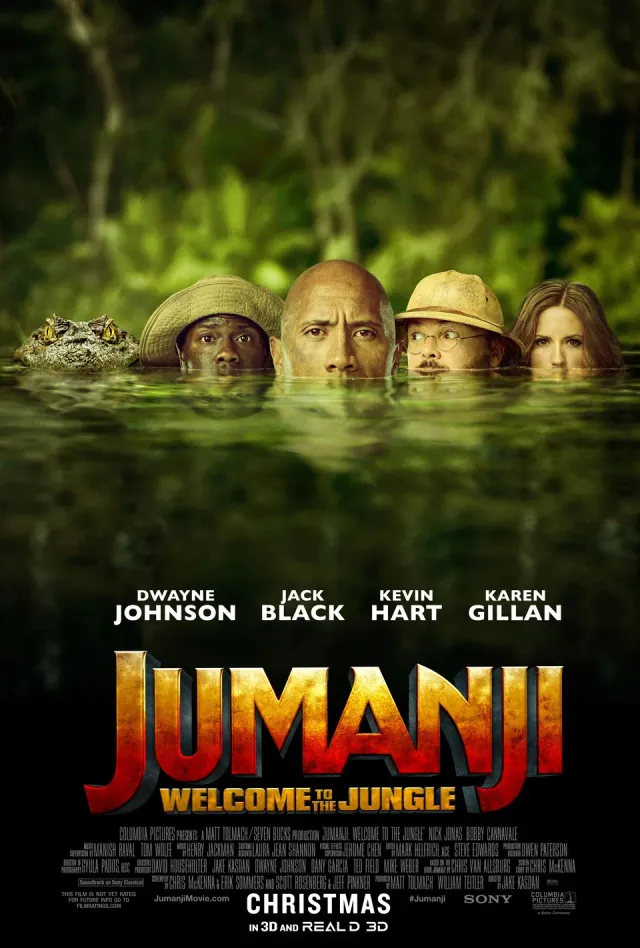
Four students assigned detention enter a discarded game and find themselves inhabiting characters whose strengths and weaknesses contradict their ordinary social positions. A finite number of lives makes learning the rules urgent, while the mission to restore a stolen jewel requires skills no single avatar possesses. Meeting a player stranded for years gives the adventure a cost beyond their immediate quarrels. The comic fantasy uses bodily incongruity to force cooperation, making escape depend on attention to people their school identities had encouraged them to overlook.
Based on recorded story, mood and style. Your preferences can change the order.
Escape and pursuit
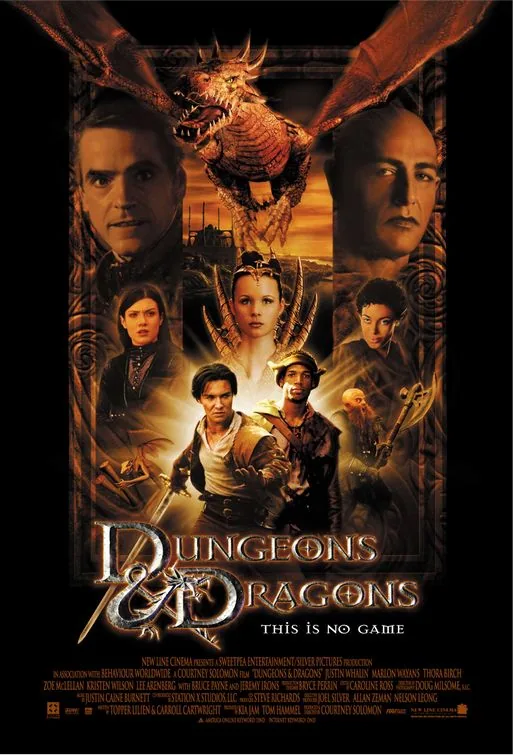
What changes The Forbidden Kingdom: traveling quest and combat progression. Dungeons & Dragons: escalating and adventure-led.
A young empress hires a pair of inexperienced thieves to help her recover a magical object that could upset the balance of power in her kingdom. Their mission brings them into conflict with a court magician and an alliance of unlikely companions. The film turns a tabletop-inspired quest into broad fantasy adventure, with loyalty and improvisation more important than heroic polish.
Both share themes of courage, plus a mythic and adventurous atmosphere.
Why this matches +
Genres: Fantasy / Adventure
Shared film traits
Based on recorded story, mood and style. Your preferences can change the order.
Escape and pursuit
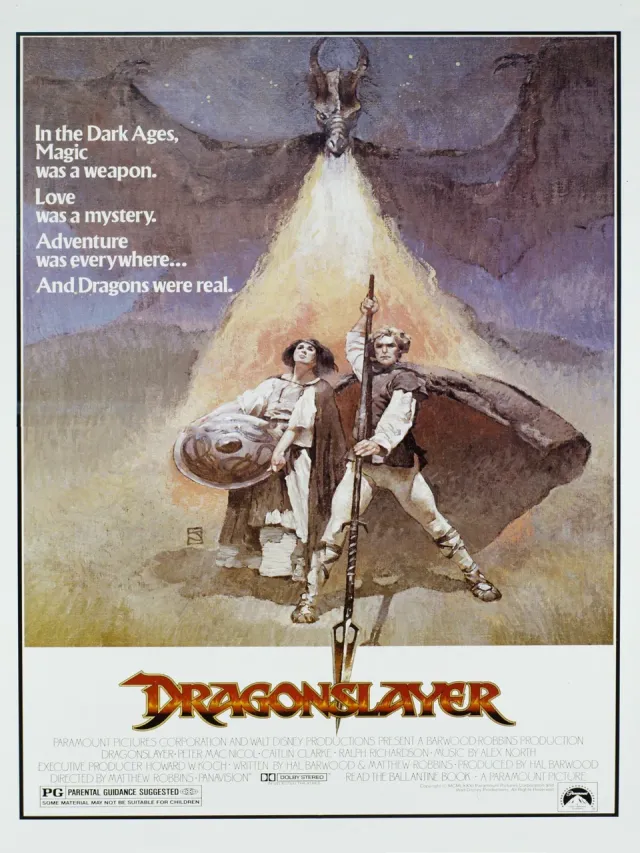
What changes The Forbidden Kingdom: traveling quest and combat progression. Dragonslayer: quest-driven and measured.
In a kingdom where villagers have long paid tribute to a dragon, young apprentice Galen is sent to investigate after the old sorcerer Ulrich is asked to end the terror. The mission carries Galen into a dangerous landscape of political compromise, uncertain magic, and a living creature whose power makes courage alone insufficient, challenging him to decide what kind of responsibility belongs to a would-be hero.
Based on recorded story, mood and style. Your preferences can change the order.
Coming of age
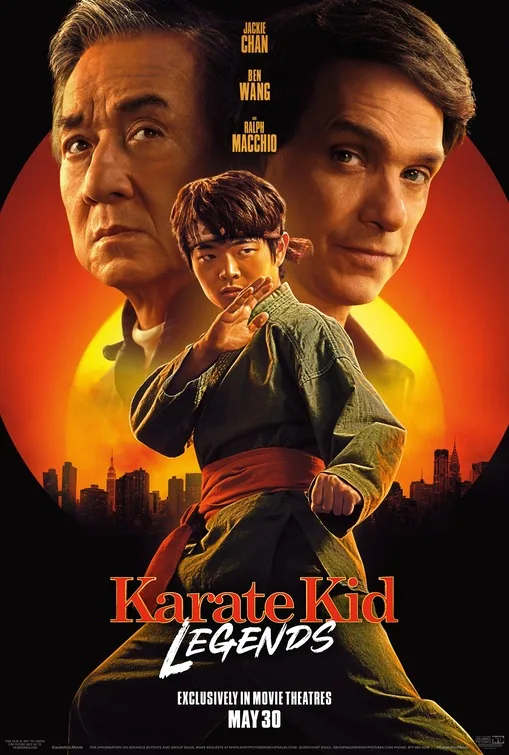
What changes The Forbidden Kingdom: traveling quest and combat progression. Karate Kid: Legends: training and tournament stages structure a cross-generational sports drama.
After moving to New York, teenager Li Fong struggles to adjust while carrying the grief and discipline of his life in Beijing. He enters a karate competition to help a new friend and receives guidance from both Mr. Han and Daniel LaRusso. The franchise crossover links kung fu and karate traditions through mentorship, training, and a young fighter’s attempt to choose his own way forward.
Based on recorded story, mood and style. Your preferences can change the order.
Escape and pursuit
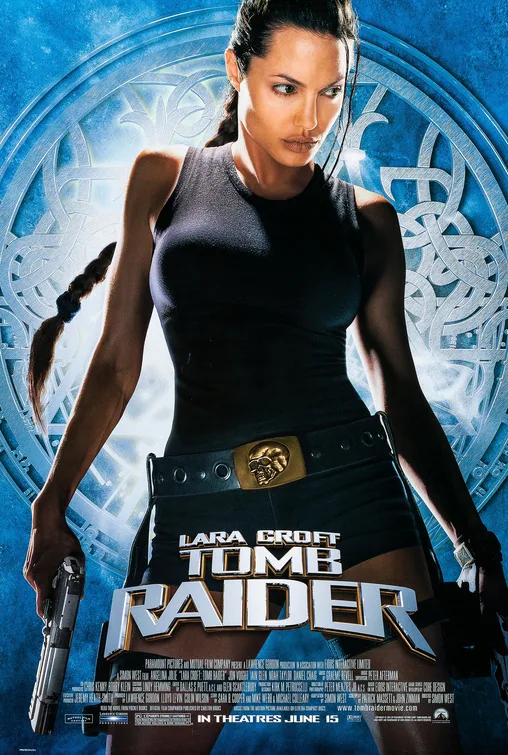
What changes The Forbidden Kingdom: traveling quest and combat progression. Lara Croft: Tomb Raider: fast.
An adventurer discovers a clock left within her family home and learns that it opens a route toward pieces of an object capable of controlling time. Her late father's warning makes the race personal, while a rival organization offers an apparent bargain through which retrieving the artifact could undo her own loss. Physical competence cannot decide whether possession is wiser than destruction. The game adaptation turns archaeological space into an obstacle course, with grief supplying a temptation that complicates the heroine's otherwise confident command of movement and danger.
Based on recorded story, mood and style. Your preferences can change the order.
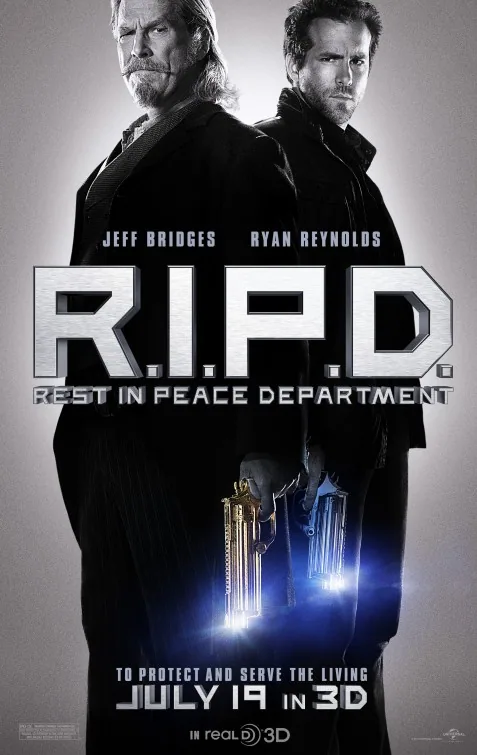
What changes The Forbidden Kingdom: traveling quest and combat progression. R.I.P.D.: fast buddy-action rhythm with explanatory pauses.
After his death, a Boston police officer is recruited into a supernatural department that keeps disguised dead beings from disrupting the living world. Paired with an experienced partner, he must learn the rules of this afterlife bureaucracy while investigating a threat tied to his own former case. The action comedy uses an odd-couple partnership and comic disguises to soften its fantasy police premise.
Based on recorded story, mood and style. Your preferences can change the order.
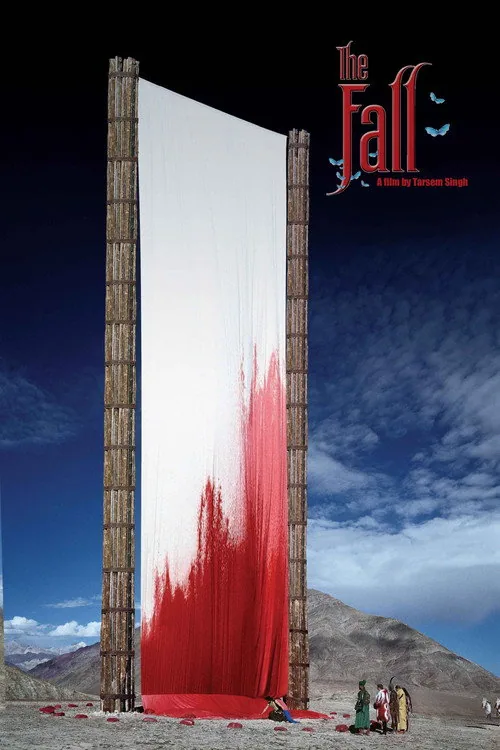
What changes The Forbidden Kingdom: traveling quest and combat progression. The Fall: a framed conversation expands into a collaborative imagined quest.
In a 1920s Los Angeles hospital, injured stuntman Roy tells young patient Alexandria an elaborate story about a masked bandit and a band of heroes. Alexandria imagines the characters through people she sees around her, and her contributions gradually shape a fantasy that reflects Roy’s private pain. Tarsem Singh’s film moves between intimate hospital scenes and vivid landscapes, exploring storytelling as a shared act that can comfort, manipulate, and give a listener a voice.
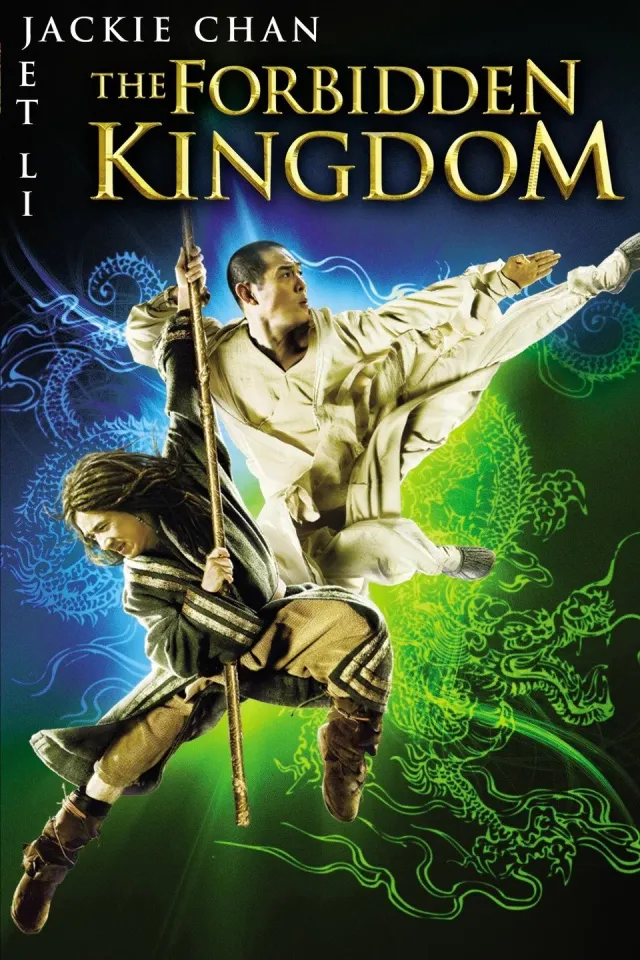
A Boston teenager fascinated by kung fu films finds a golden staff in a pawnshop and is pulled into a mythic version of ancient China. There he joins the drunken martial artist Lu Yan and the silent monk who is actually the Monkey King’s companion on a journey to return the staff and free the imprisoned king. A woman seeking revenge complicates their route, while the teen’s training becomes necessary to survive the pursuit. The film builds its adventure around a modern outsider learning to participate in a legend, using the quest to connect martial-arts set pieces with a fantasy story about loyalty, courage and inherited myth.
What drives the story
Returning the staff is the practical objective that links the travelling companions, the pursuers and the legend of the imprisoned Monkey King.
The people at its centre
Jason begins as an admirer who thinks genre knowledge will make him capable. Lu Yan’s impatient mentorship and the monk’s discipline force him to turn spectatorship into practice.
What it feels like
The film alternates comic fish-out-of-water scenes with choreographed duels and folkloric fantasy. Its central pleasures are the mentor pairing and the meeting of martial-arts screen traditions.
Worth knowing
Works for viewers seeking a light fantasy quest with martial-arts choreography and Chinese mythic figures. It is less suited to grounded martial-arts drama because it treats its ancient setting as a stylized modern adventure.
CourageMentorshipLegend
Mood
Playful · Adventurous · Mythic
Pacing
Traveling quest · Combat progression
Visual style
Wuxia choreography · Fantasy landscapes
Storytelling
Modern teen in mythic China · Monkey King quest · Martial arts training