Explore films connected to The Purge through Social inequality, Moral responsibility, Threatened family. Choose the qualities you want to carry into your next watch.
What should feel similar?
Find your next favourite
9 films · Closest overall matches
Hide films you’ve seen or don’t want. Saved on this device.
No matches for this combination yet.
Try another option or reset your choices to see more films.
Based on recorded story, mood and style. Your preferences can change the order.
Survival
What changes The Purge: real-time feel and escalating. The Last House: slow pressure build and long-term escalation.
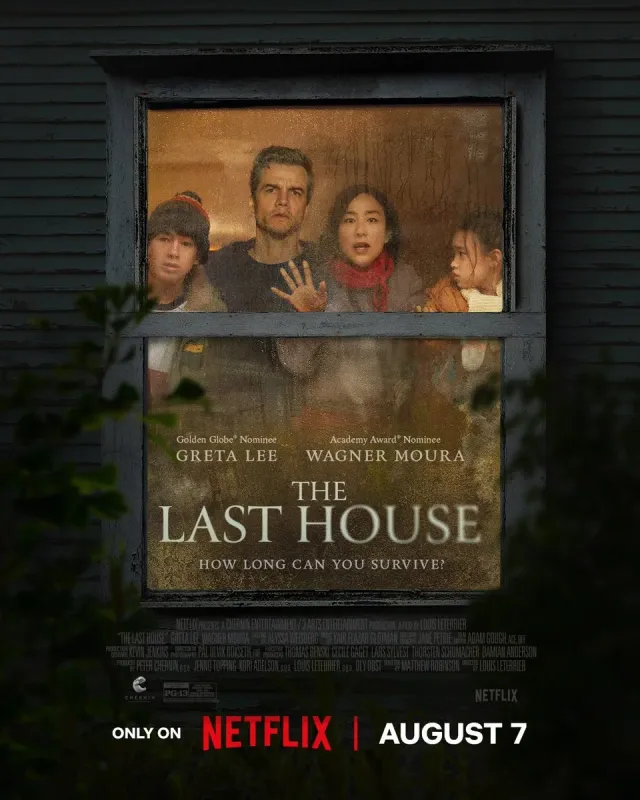
A family trapped inside their sealed home must ration dwindling supplies while facing a mysterious threat outside. The science-fiction thriller treats domestic safety as an uncertain promise, using a single house and a family's changing needs to build claustrophobic suspense. Familiar rooms become both shelter and constraint as time stretches on, and household resources take on new importance while the force outside remains difficult to understand.
Based on recorded story, mood and style. Your preferences can change the order.
Survival
What changes The Purge: real-time feel and escalating. The Strangers: Prey at Night: set-piece pursuits create a direct and relentless structure.
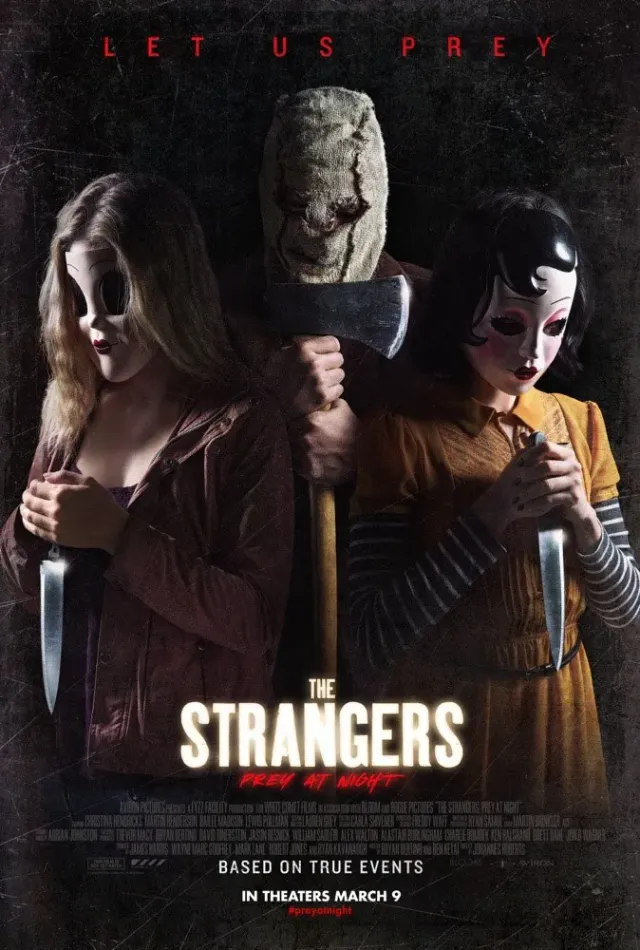
A family traveling to visit relatives stops at a nearly empty mobile-home park and encounters three masked intruders. Their attempts to protect one another unfold through isolated cabins, dark roads and narrow interiors, with little explanation for the attackers’ choices. The sequel emphasizes sustained pursuit and survival, turning a routine family trip into a sequence of immediate decisions under threat.
Based on recorded story, mood and style. Your preferences can change the order.
Expect abrasive and claustrophobic, with measured and escalating pacing.
When two stranded young women arrive at Evan Webber’s home during a storm, he lets them in and then has sex with them while his family is away. The encounter is initially framed as temptation, but the visitors later claim to be underage and use that disclosure, together with coordinated humiliation, to control him. Evan’s choices and dishonesty matter; so do the film’s abrupt reversals, the women’s leverage and the uncertainty around what they have told him. Eli Roth’s home-invasion thriller turns a suburban house into a trap where seduction gives way to punishment and sexual coercion. Keep the consensual-looking affair the story presents distinct from the later assault and threats, without adopting the intruders’ moral rhetoric as the film’s final truth.
Based on recorded story, mood and style. Your preferences can change the order.
Survival
What changes The Purge: real-time feel and escalating. The Strangers: Chapter 1: a contained night of attacks builds through pursuit and failed refuge.
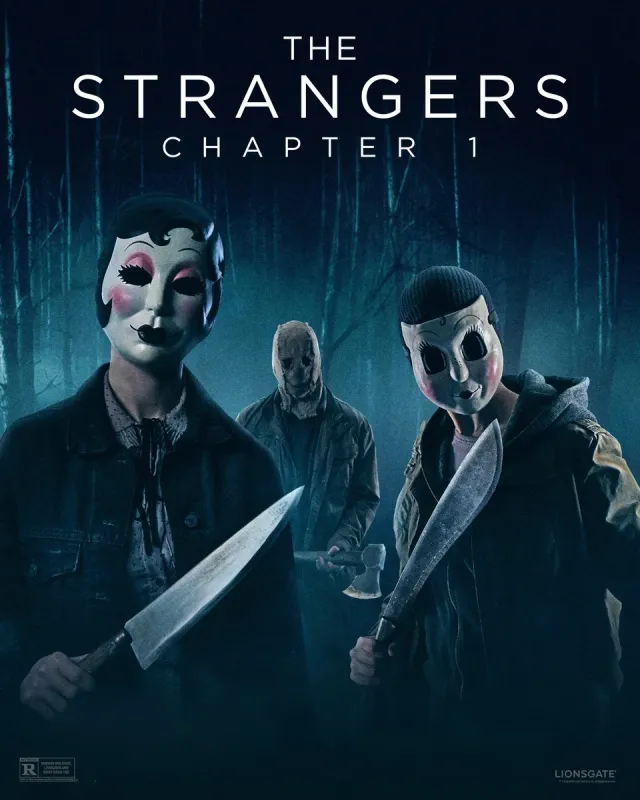
Maya and Ryan’s road trip is interrupted when they become stranded in a small Oregon town and spend the night in an isolated rental. Three masked strangers begin tormenting them without offering a motive, turning an ordinary stop into a prolonged threat. The horror reboot returns to random home invasion as its central premise, using the couple’s separation and dwindling options to create suspense from vulnerability rather than a puzzle to solve.
Based on recorded story, mood and style. Your preferences can change the order.
Survival
Expect claustrophobic and paranoid, with escalating pacing.
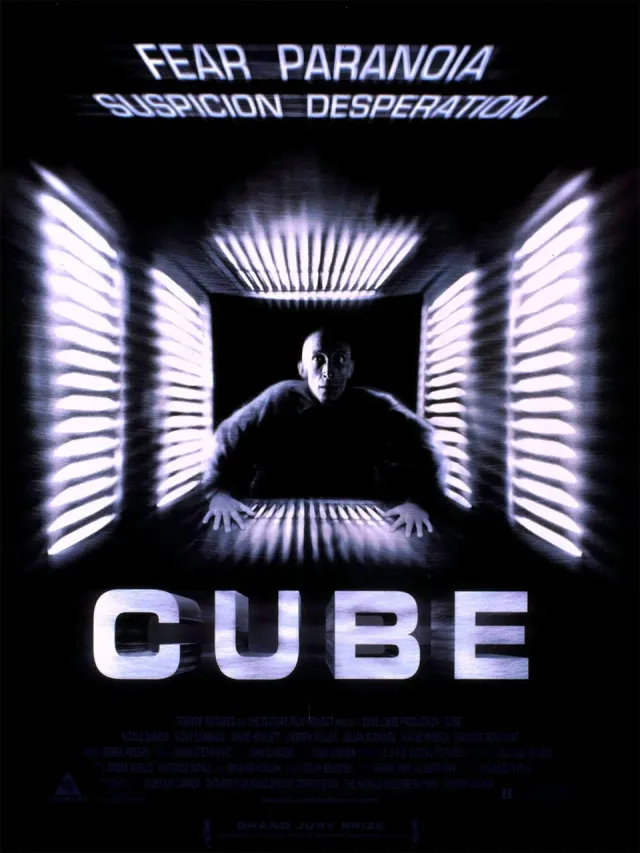
A group of strangers wake inside an enormous grid of numbered rooms, some trapped with lethal mechanisms and others only apparently safe. Their partial skills make cooperation necessary, but the policeman's appetite for command grows as the group struggles to identify a usable pattern. Worth's limited role in the structure does not reveal who created the labyrinth or why; his explanation remains incomplete. Kazan contributes in ways that exceed being a mathematical instrument. Survival depends as much on the group managing fear and authority as on solving spatial clues.
Based on recorded story, mood and style. Your preferences can change the order.
Survival
Expect tense and claustrophobic, with measured and escalating pacing.
A transport crash strands passengers on a desert planet with a dangerous prisoner among them. Evidence of abandoned habitation becomes more alarming when they learn that a prolonged eclipse will expose them to creatures that hunt in darkness. Survival depends on rationing light and deciding whether the captive they fear may be their most useful guide.
Based on recorded story, mood and style. Your preferences can change the order.
Survival
What changes The Purge: real-time feel and escalating. Iron Lung: slow-burn tension and single-location pressure.
A convict pilots a cramped submarine across a blood ocean on a dangerous mission to map the depths of an alien moon. Adapted from the independent horror game, the film turns scientific mapping into claustrophobic survival, with isolation and incomplete information doing as much work as the creature threat. A small submarine and restricted visibility limit every choice, making unseen space and mechanical vulnerability central to the experience.
Based on recorded story, mood and style. Your preferences can change the order.
Survival
What changes The Purge: real-time feel and escalating. The Relic: investigation becomes a contained siege.
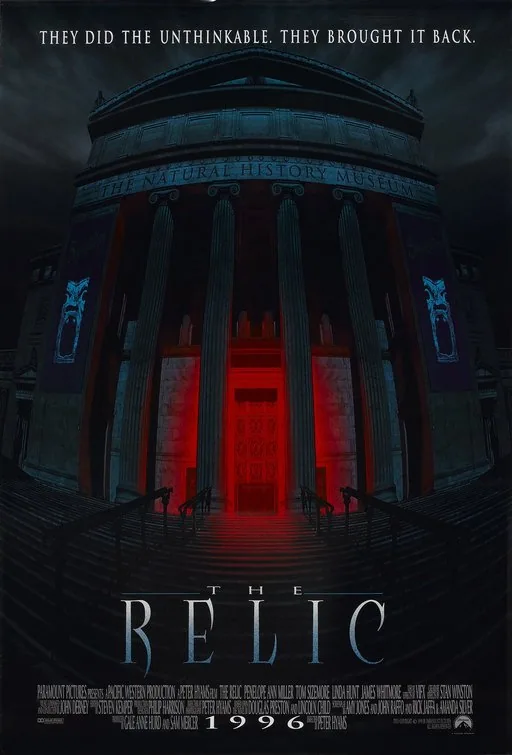
A series of killings at Chicago's Field Museum forces detective Vincent D'Agosta and biologist Margo Green to investigate a creature hidden within the museum's exhibits. As a gala crowds the building, the two must trace the threat through locked galleries, service corridors and institutional politics. The monster thriller turns a grand public museum into a maze, combining scientific inquiry with the pressure of an impending nighttime siege.
Based on recorded story, mood and style. Your preferences can change the order.
Survival
Expect claustrophobic and tense, with slow burn and escalating pacing.
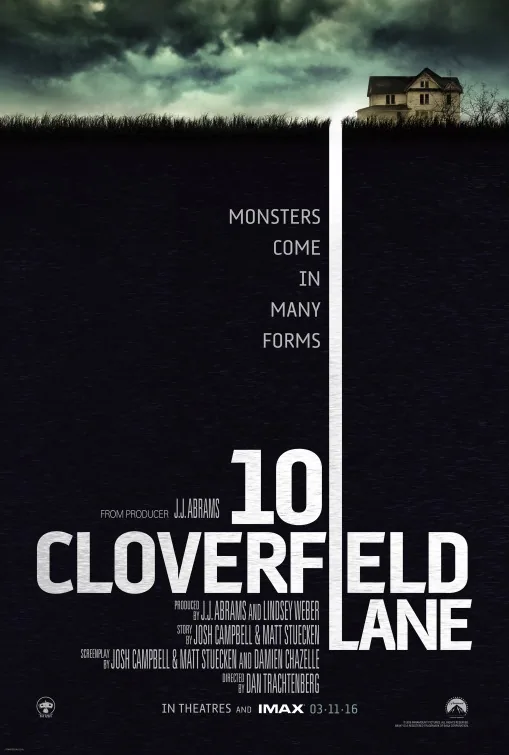
After a car crash, a woman wakes inside an underground shelter with a man who says he rescued her from a catastrophic attack. Another resident appears to support his account, but restrictive rules and inconsistencies make the shelter's protection difficult to distinguish from imprisonment. With little reliable information about the surface, she must investigate both the claimed disaster and the person controlling her exit.
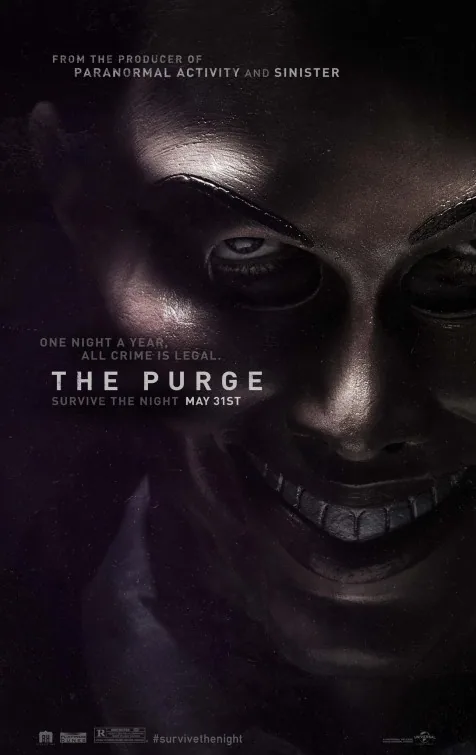
In a near-future United States, the annual Purge suspends law enforcement for one night. Security salesman James Sandin locks his family into their gated home, but his son Charlie opens the doors to shelter a wounded stranger. A masked group demands that the family hand him over, claiming they will otherwise break inside. The Sandins capture the stranger, then decide to protect him, drawing the threat into the house and exposing how their neighbors view the family's wealth. The night shifts from a test of security systems to a series of choices about complicity and revenge, as the person admitted as a danger becomes the only possible ally. The film confines a broad dystopian premise to one domestic space.
What drives the story
A family's decision to shelter a stranger during the lawless night turns its fortified home into a siege and reveals hostility among its neighbors.
The people at its centre
James's belief in the Purge's social benefits collides with Charlie's conscience; Mary must choose whether survival means retaliation or refusing the system's logic.
What it feels like
A tight home-invasion thriller uses security monitors, corridors and timed rules to create pressure from a political premise rather than a sprawling dystopian world.
Worth knowing
For viewers who want contained social horror and home defense under siege. It is much smaller in scope than later franchise entries and focuses on one family's moral choices.
Social inequalityMoral responsibilityThreatened family