Based on recorded story, mood and style. Your preferences can change the order.
Expect grotesque and disturbing, with measured and escalating pacing.
Novelist James and his wife Em vacation at a secluded resort where wealthy tourists are allowed to pay for a duplicate to be executed in their place after a crime. Following a fatal driving accident, James experiences the punishment system as an escape from consequence, then gravitates toward Gabi and a group who turn that privilege into a ritual of violence. His dependence on their approval grows as identity, intoxication and coercion blur together; Gabi’s sexual manipulation is part of that power, not proof that the victims are interchangeable. The film’s clone premise may destabilize what counts as the original, but it leaves the class divide and the resort’s exploitation unmistakable.
Both share a claustrophobic and disturbing atmosphere.
Why this matches +
Genres: Horror / Drama
Shared film traits
Based on recorded story, mood and style. Your preferences can change the order.
What changes Knock Knock: measured and escalating. It Comes at Night: slow burn.
A family survives an unexplained contagious threat through isolation, strict rules and the willingness to exclude outsiders. Accepting another household seems to increase their chance of survival, but incomplete information and a disturbing breach of routine turn cooperation back into suspicion. The adolescent son experiences the enclosure through desire, dreams and terror that provide no reliable map of danger. The horror concentrates on decisions made without certainty, showing how the effort to protect a family can become destructive before anyone establishes what actually happened.
Based on recorded story, mood and style. Your preferences can change the order.
What changes Knock Knock is tagged abrasive and claustrophobic; Friday the 13th Part III is tagged menacing and excessive.
A young woman returns to a lakeside property associated with an earlier frightening encounter, hoping to face what drove her away. Her friends' holiday and a conflict with local bikers instead place more people near Jason's hiding place. As ordinary leisure gives way to disappearance, the setting becomes a network of vulnerable rooms, outbuildings and paths. The installment joins a survivor's return to a source of fear with a succession of elaborate attacks designed around immediate physical exposure.
Based on recorded story, mood and style. Your preferences can change the order.
What changes Knock Knock: measured and escalating. I Saw the TV Glow: slow burn and episodic.
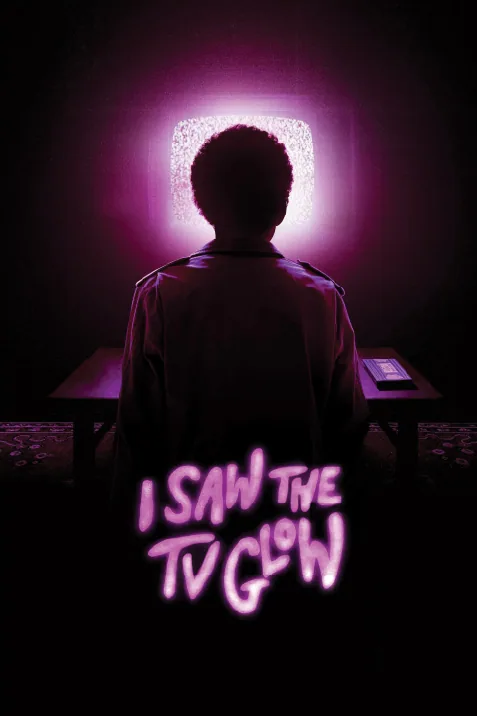
Two isolated classmates, Owen and Maddy, bond over a late-night television series that seems to offer a world more meaningful than their suburban routines. Maddy disappears after insisting that the show reveals something true about their identities; years later, she returns with a frightening explanation that Owen cannot bring himself to accept. Their unequal readiness to act turns time, memory and ordinary adulthood into sources of horror. The film’s trans allegory is closely tied to repression and recognition, while its unstable reality resists a tidy supernatural solution. Its ending is disturbing because Owen’s continued deferral has visible costs, not because it offers instructions for a viewer’s safety or identity.
Both centre on coercive partnership and home defence.
Why this matches +
Genres: Thriller / Drama
Shared film traits
Based on recorded story, mood and style. Your preferences can change the order.
Expect tense and disturbing, with escalating pacing.
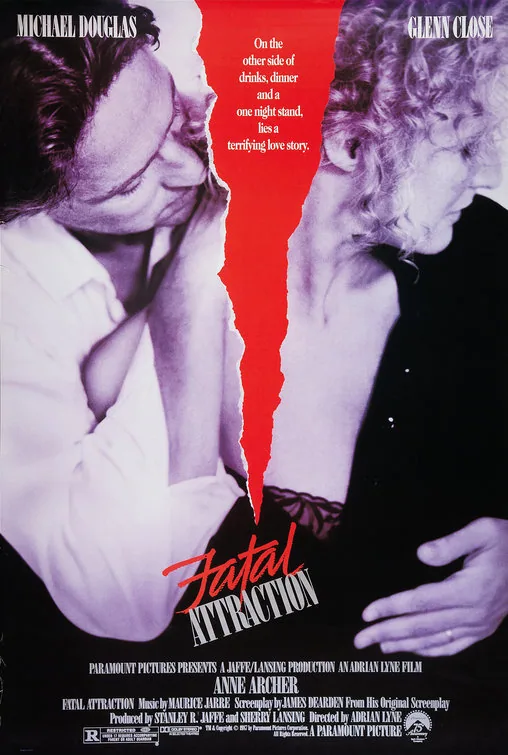
A married lawyer tries to contain a brief affair as the other participant’s attempts to continue the relationship become threats against his household. His secrecy delays his wife’s chance to understand the danger, so the thriller’s suspense grows partly from his own choices rather than from Alex alone. Domestic rooms become sites of surveillance and siege, while the film increasingly aligns viewers with the family’s fear. The ending changed after test screenings, but director Adrian Lyne said he made the change for dramatic reasons rather than because audiences demanded a harsher fate; the alternate ending later circulated on home video.
Based on recorded story, mood and style. Your preferences can change the order.
What changes Knock Knock is tagged abrasive and claustrophobic; The Last House on the Left is tagged graphic and distressing.
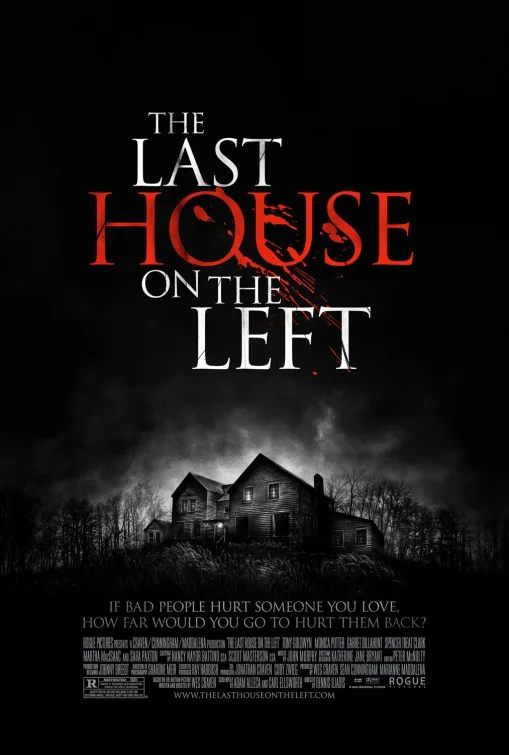
A family’s quiet retreat is shattered after their daughter and her friend encounter a group of violent criminals. The parents unknowingly provide shelter to the same people and gradually learn what has happened, turning their home into the setting for an attempt at revenge. The remake is a graphic thriller about the collapse of safety and the moral cost of retaliatory violence, using ordinary domestic spaces to intensify its disturbing material.
Based on recorded story, mood and style. Your preferences can change the order.
What changes Knock Knock: measured and escalating. Jennifer's Body: nonlinear and brisk.
A popular teenager returns from a disastrous concert with an appetite that turns the boys around her into prey. Her less confident best friend gradually learns that a band's bid for fame transformed an already unequal bond into a supernatural crisis. Trying to protect a boyfriend makes affection, jealousy and fear collide rather than separate neatly into loyalty and opposition. The horror comedy links the consumption of young people by celebrity ambition with a friendship in which attraction and control have long been difficult to distinguish.
Based on recorded story, mood and style. Your preferences can change the order.
What changes Knock Knock: measured and escalating. Vacancy: the room’s previous recordings reveal that the couple’s stay is being staged for an audience..
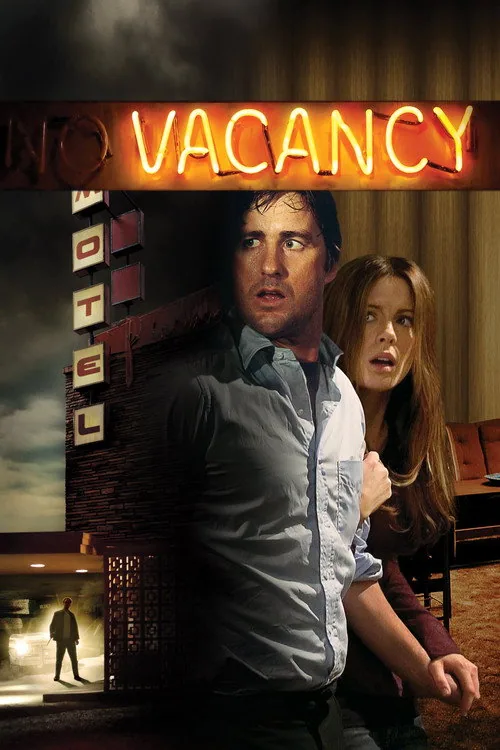
During the drive home after a strained marriage, David and Amy Fox take a detour when their car breaks down and end up at a remote motel. In their room they find videotapes that show assaults and murders filmed in the same space, then discover hidden cameras and realize the motel manager is watching them. With masked killers closing in and help unavailable, the couple search the motel’s service tunnels for a way out. Nimród Antal’s horror thriller turns a familiar roadside stop into a tightly contained survival trap.
Based on recorded story, mood and style. Your preferences can change the order.
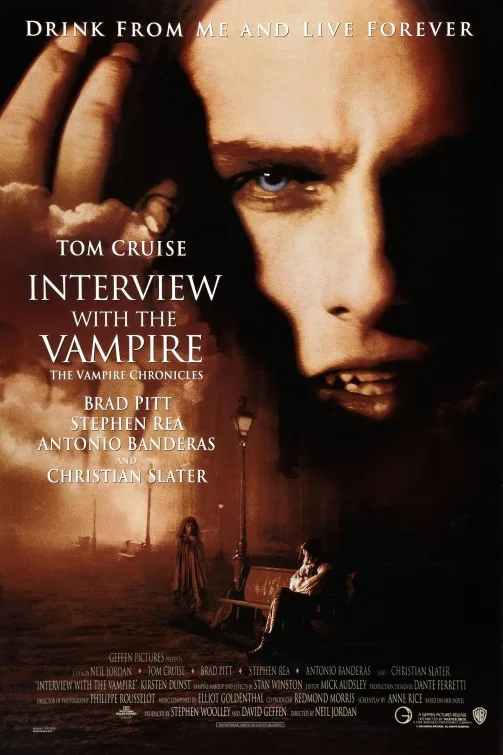
What changes Knock Knock: measured and escalating. Interview with the Vampire: episodic and nonlinear.
A man tells a reporter how grief led him into an existence that cannot end through ordinary means. His new companion welcomes the appetite that horrifies him, and turning a child into a vampire binds them into a household built on incompatible needs. Centuries of travel expose other communities whose apparent recognition carries its own control. The Gothic narrative makes immortality a duration of unequal attachments, with confession revealing guilt without guaranteeing either reliable self-understanding or freedom from the desire to be understood.
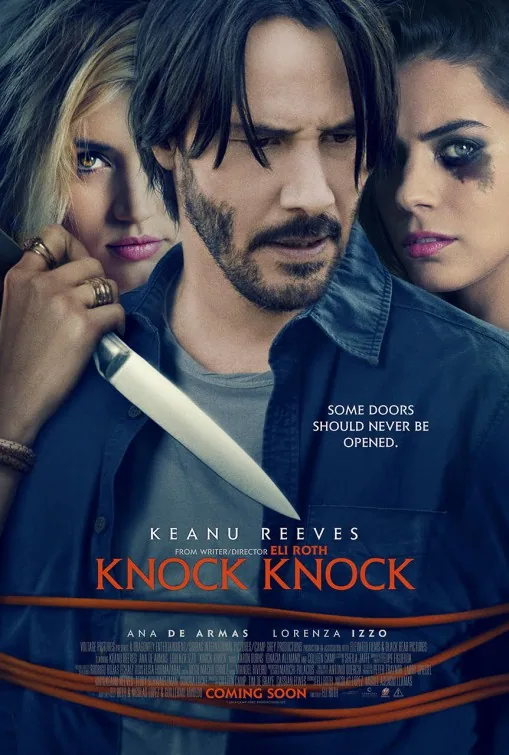
When two stranded young women arrive at Evan Webber’s home during a storm, he lets them in and then has sex with them while his family is away. The encounter is initially framed as temptation, but the visitors later claim to be underage and use that disclosure, together with coordinated humiliation, to control him. Evan’s choices and dishonesty matter; so do the film’s abrupt reversals, the women’s leverage and the uncertainty around what they have told him. Eli Roth’s home-invasion thriller turns a suburban house into a trap where seduction gives way to punishment and sexual coercion. Keep the consensual-looking affair the story presents distinct from the later assault and threats, without adopting the intruders’ moral rhetoric as the film’s final truth.
What drives the story
The home invasion begins with Evan’s decision to admit the visitors and becomes a longer campaign of confinement, blackmail and destruction. The shift does not erase his agency in the initial encounter or excuse later coercion.
The people at its centre
Evan’s self-image as a devoted family man conflicts with his infidelity, while the women act as a coordinated pair with a grievance and a plan. Their accusations are part of the plot’s leverage, not an objective legal finding.
What it feels like
A domestic setting and escalating improvised punishments create a deliberately lurid, claustrophobic thriller. The tonal movement from erotic provocation to violence makes the viewer’s early assumptions part of the film’s discomfort.
Worth knowing
The film invites debate about consent, age claims and vigilante punishment. Describe the distinct acts and the uncertainty accurately; do not equate an affair with assault or present humiliation as a proportionate form of justice.
ConsentGuiltDomestic image
Mood
Abrasive · Claustrophobic · Disturbing
Pacing
Measured · Escalating
Visual style
Domestic humiliation · Sexual provocation
Storytelling
Storm visitors · Coercive home occupation · Threatened exposure