Explore films connected to The Rocky Horror Picture Show through Sexual liberation, performance, respectability. Choose the qualities you want to carry into your next watch.
What should feel similar?
Find your next favourite
9 films · Closest overall matches
Hide films you’ve seen or don’t want. Saved on this device.
No matches for this combination yet.
Try another option or reset your choices to see more films.
Based on recorded story, mood and style. Your preferences can change the order.
What changes The Rocky Horror Picture Show: episodic and musical. Phantasm: escalating and dream logic.
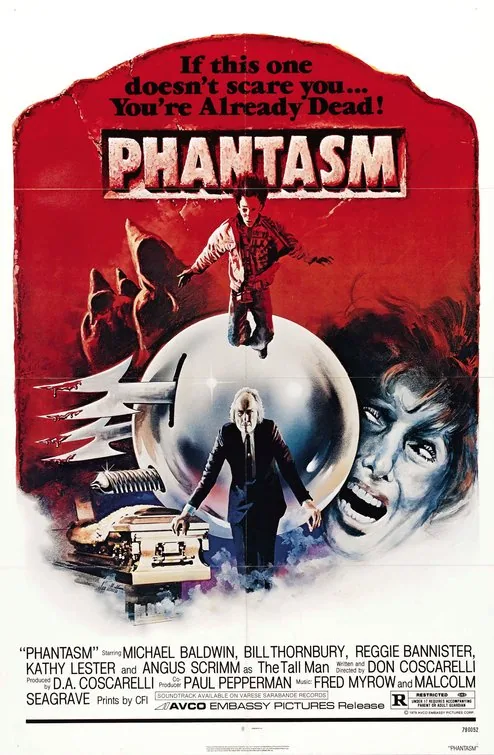
After his parents die, teenager Mike becomes suspicious of a tall mortician who presides over a local funeral home. His older brother Jody initially doubts him, but strange encounters and disappearances persuade them to investigate with their friend Reggie. Their search leads through the mortuary’s corridors and into a surreal threat that connects grief, family loyalty and an uncanny world beyond the town.
Based on recorded story, mood and style. Your preferences can change the order.
What changes The Rocky Horror Picture Show: episodic and musical. The Brood: gradually intensifying, investigative, confrontational and harrowing.
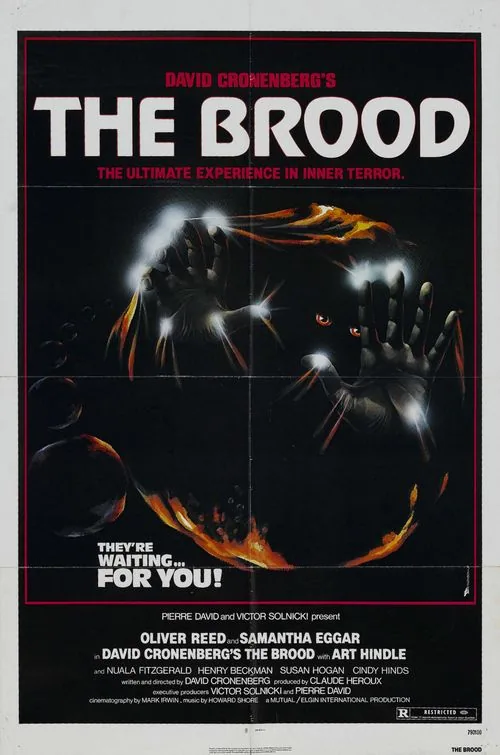
Frank Carveth is fighting for custody of his young daughter Candice while his estranged wife Nola undergoes an experimental therapy called psychoplasmics. Its inventor, Dr. Hal Raglan, believes repressed emotion can take physical form, and his intense sessions reveal the abuse and neglect that shaped Nola’s childhood. When people close to the family are attacked by small, strangely formed figures, Frank suspects the treatment is tied to the violence. His attempt to protect Candice draws him deeper into Raglan’s clinic and Nola’s private history, where family trauma becomes a physical threat.
Both centre on coercive spectacle and satirical absurdity.
Why this matches +
Genres: Comedy / Horror
Shared film traits
Based on recorded story, mood and style. Your preferences can change the order.
What changes The Rocky Horror Picture Show is tagged camp and provocative; Tyler Perry’s Boo! A Madea Halloween is tagged broad and spooky.
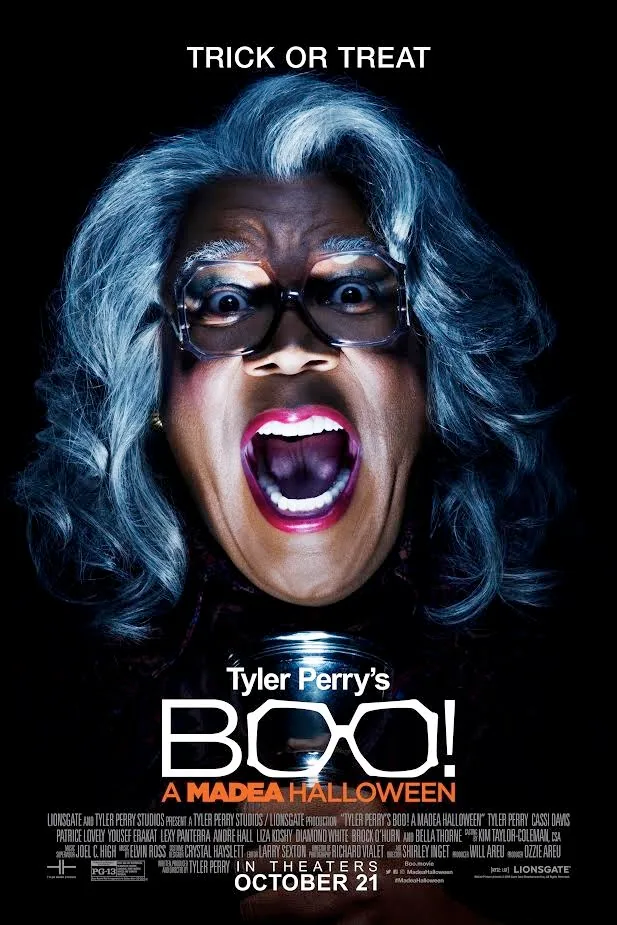
Brian tries to keep his teenage daughter Tiffany away from a Halloween party, but she finds ways to evade his rules. Madea and Aunt Bam are asked to watch over the household, and their interventions add comic confusion to the family’s attempts to manage the night. Pranks, party trouble and supposed supernatural scares build a broad seasonal farce about parental worry, adolescent independence and the limits of household supervision.
Based on recorded story, mood and style. Your preferences can change the order.
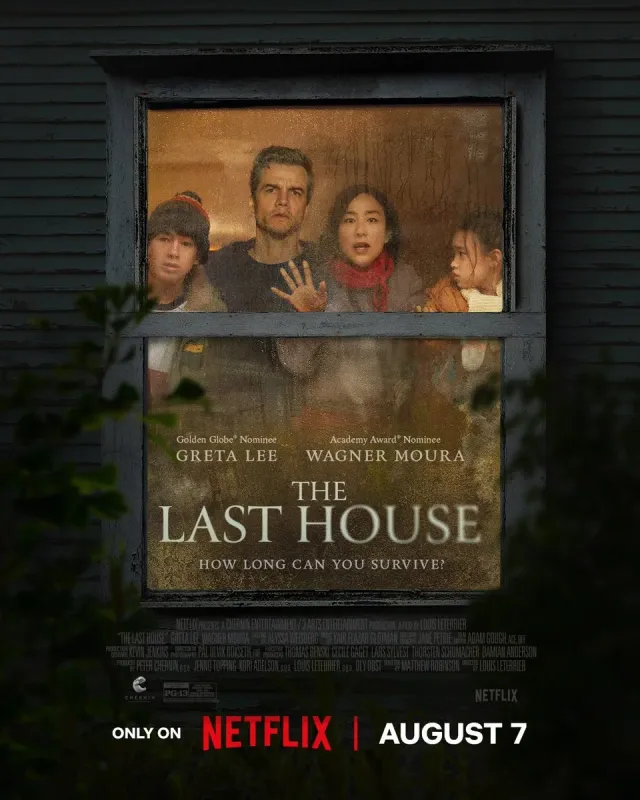
What changes The Rocky Horror Picture Show: episodic and musical. The Last House: slow pressure build and long-term escalation.
A family trapped inside their sealed home must ration dwindling supplies while facing a mysterious threat outside. The science-fiction thriller treats domestic safety as an uncertain promise, using a single house and a family's changing needs to build claustrophobic suspense. Familiar rooms become both shelter and constraint as time stretches on, and household resources take on new importance while the force outside remains difficult to understand.
Based on recorded story, mood and style. Your preferences can change the order.
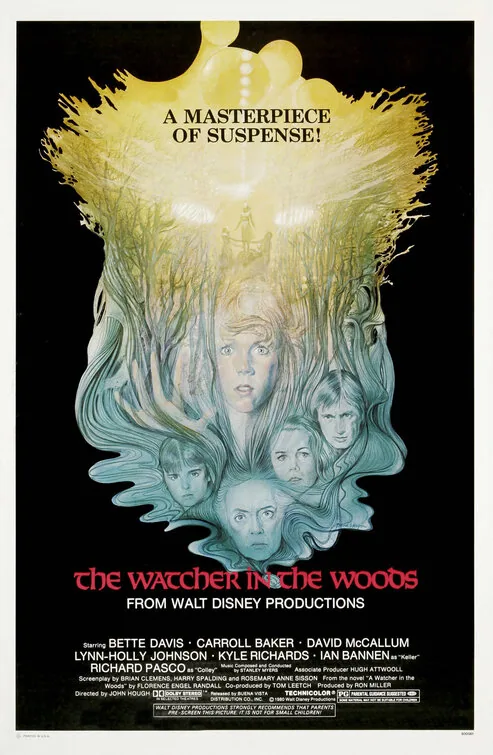
What changes The Rocky Horror Picture Show: episodic and musical. The Watcher in the Woods: slow-burn, clue-driven, suspenseful and climactic rescue.
Helen and Paul Curtis move their family into a country manor in England, where their daughter Jan begins seeing strange lights and reflections among the trees. The house’s owner, Mrs. Aylwood, recognizes a resemblance between Jan and her daughter Karen, who vanished decades earlier near an abandoned chapel. As Jan investigates the woods with help from a local teenager, the family uncovers a mystery involving a misdirected supernatural presence and an unfinished event from the past. Jan’s curiosity grows into an attempt to communicate with whatever remains trapped there, while the house and landscape keep the danger close to home.
Based on recorded story, mood and style. Your preferences can change the order.
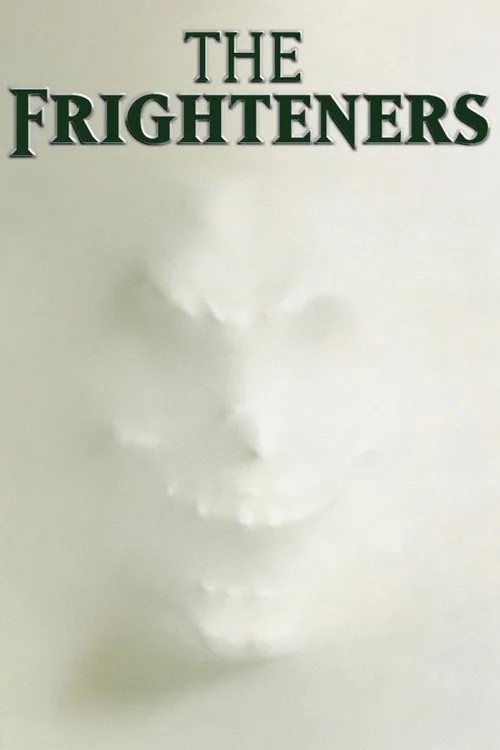
What changes The Rocky Horror Picture Show: episodic and musical. The Frighteners: a fraudulent ghost hunter investigates a supernatural killer whose victims seem to be chosen in sequence..
After his wife’s death, architect Frank Bannister discovers that he can see and communicate with ghosts. He turns the ability into a con, arranging fake hauntings with ghostly partners and charging residents to clear their homes. When an unseen killer begins causing fatal heart attacks, Frank sees a number marking its next victims and tries to stop the deaths before he is blamed. Peter Jackson’s supernatural horror comedy mixes ghostly slapstick with a murder mystery, moving its guilt-ridden protagonist from confidence trickster to reluctant investigator.
Based on recorded story, mood and style. Your preferences can change the order.
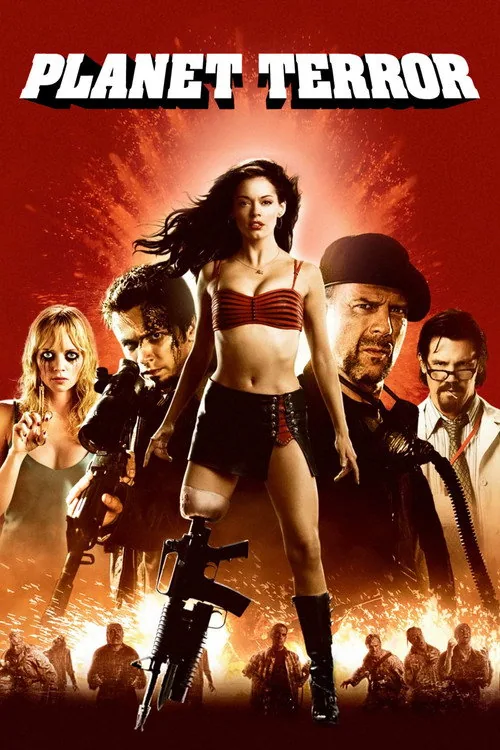
What changes The Rocky Horror Picture Show: episodic and musical. Planet Terror: fast escalation and episodic set pieces.
When a military chemical agent escapes in rural Texas, residents mutate into violent zombie-like attackers and survivors are forced to fight their way through the outbreak. Go-go dancer Cherry Darling reconnects with her ex, El Wray, as a hospital and a roadside restaurant become refuges in a spreading disaster. Robert Rodriguez’s horror-action comedy embraces grotesque effects, pulp characters, and the deliberately battered look of a grindhouse double feature.
Based on recorded story, mood and style. Your preferences can change the order.
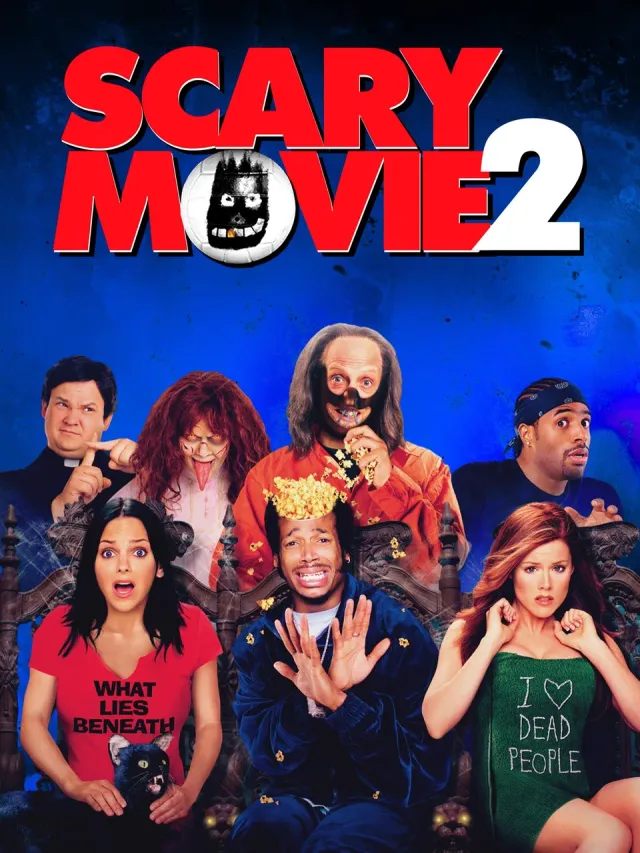
What changes The Rocky Horror Picture Show: episodic and musical. Scary Movie 2: sketch-like, rapid and stop-start.
College students Cindy, Ray, Brenda and Shorty are lured to a haunted mansion for an experiment that quickly becomes a series of ghostly attacks and absurd failures. The setup borrows the isolated-house and exorcism machinery of familiar horror films, then keeps undercutting suspense with bodily gags, crude dialogue and deliberately ridiculous behavior. Cindy and Brenda remain at the center of the friend group, but the plot is less concerned with a coherent supernatural mystery than with making each new encounter an excuse to parody the genre. Its humor is intentionally tasteless and often depends on shock rather than character development.
Based on recorded story, mood and style. Your preferences can change the order.
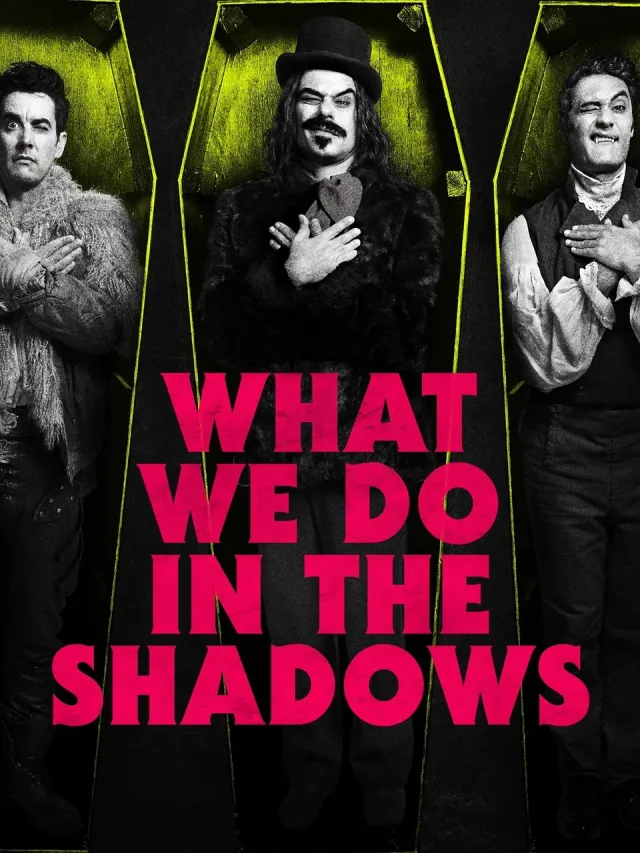
What changes The Rocky Horror Picture Show: episodic and musical. What We Do in the Shadows: comic escalation and episodic.
A documentary crew follows Viago, Deacon and Vladislav, vampire roommates trying to manage rent, chores and nightlife in a Wellington flat. Their ancient rivalries and supernatural habits collide with mundane problems such as getting invited into clubs. When the group meets Nick, a newly turned vampire, their routines expand to include his human friend Stu and the practical demands of teaching a newcomer their customs. The mockumentary format keeps the supernatural premise grounded in awkward interviews and domestic disputes. The crew's presence gives the vampires reason to narrate indignities as history. A night out and a dispute about chores can carry equal comic weight.
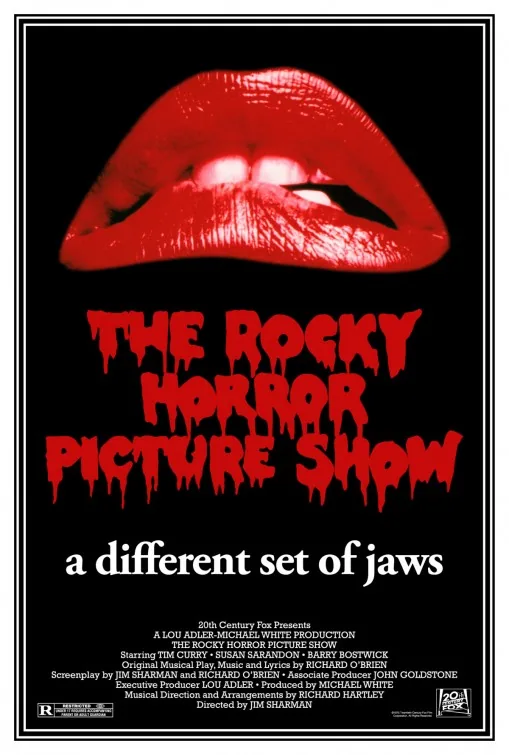
Newly engaged Brad and Janet are stranded by a storm and seek help at a remote mansion, where they encounter its flamboyant owner, Dr. Frank-N-Furter. The scientist introduces them to a household of strange visitors and reveals a newly created, muscle-bound man named Rocky. The couple's tidy expectations of romance and respectability unravel through seduction, jealousy, performance and a night of escalating revelations. Frank's servants Riff Raff and Magenta have their own agenda, while the mansion's guests become participants in an unstable show. The plot borrows recognizable horror and science-fiction conventions but treats them as material for camp, musical spectacle and deliberate excess rather than as an attempt at naturalistic suspense.
What drives the story
A stranded couple enter a performance space where an eccentric host's experiment destabilizes their ideas about sexuality, respectability and control.
The people at its centre
Brad and Janet respond differently to the same invitation, while Frank's theatrical command is undercut by the servants whose loyalties are not what he assumes.
What it feels like
Songs, direct address, stylized sets and deliberately pulpy genre references make the film feel like a stage revue that keeps breaking its own frame.
Worth knowing
For viewers open to camp musical horror, sexual provocation and cult-film theatricality. Its gleeful artificiality separates it from straight gothic horror or a conventional romance.