Based on recorded story, mood and style. Your preferences can change the order.
Romance and intimacy · Work and ambition
What changes The Taste of Things: unhurried, observational, ritualistic and intimate. Eat Drink Man Woman: repeated sunday meals frame separate storylines as each family member makes an unexpected change.
Semi-retired Taipei chef Chu prepares an elaborate Sunday dinner for his three adult daughters, whose lives are moving in different directions. Jia-Jen is a chemistry teacher and Christian; Jia-Chien is an airline executive with a suppressed love of cooking; and Jia-Ning is a college student working at a fast-food restaurant. The family meal gives each woman a place to announce changes, while Chu’s own decisions unsettle the household’s assumptions about him. Across repeated dinners, food becomes both an expression of care and a way to avoid difficult conversation. Ang Lee’s ensemble drama observes how changing relationships can renew a family’s connection.
Based on recorded story, mood and style. Your preferences can change the order.
What changes The Taste of Things: unhurried, observational, ritualistic and intimate. The Lunchbox: slow and intimate and episodic letters and meals.
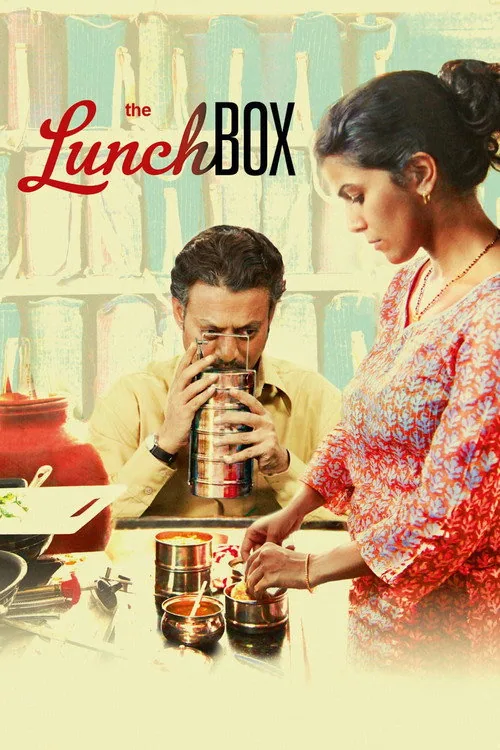
A meal prepared by Ila for her inattentive husband is mistakenly delivered to Saajan, a lonely widower nearing retirement in Mumbai. When the error goes unnoticed, Ila and Saajan begin exchanging notes through the lunchbox, sharing disappointments and hopes that they rarely express to people around them. Ritesh Batra’s Hindi-language drama follows this correspondence alongside the rhythms of the city’s delivery system, finding intimacy in food, routine, and small acts of attention. Its emotional movement is quiet and open-ended rather than driven by a conventional romantic resolution.
Based on recorded story, mood and style. Your preferences can change the order.
What changes The Taste of Things: unhurried, observational, ritualistic and intimate. The Rules of the Game: ensemble and gradually darkening.
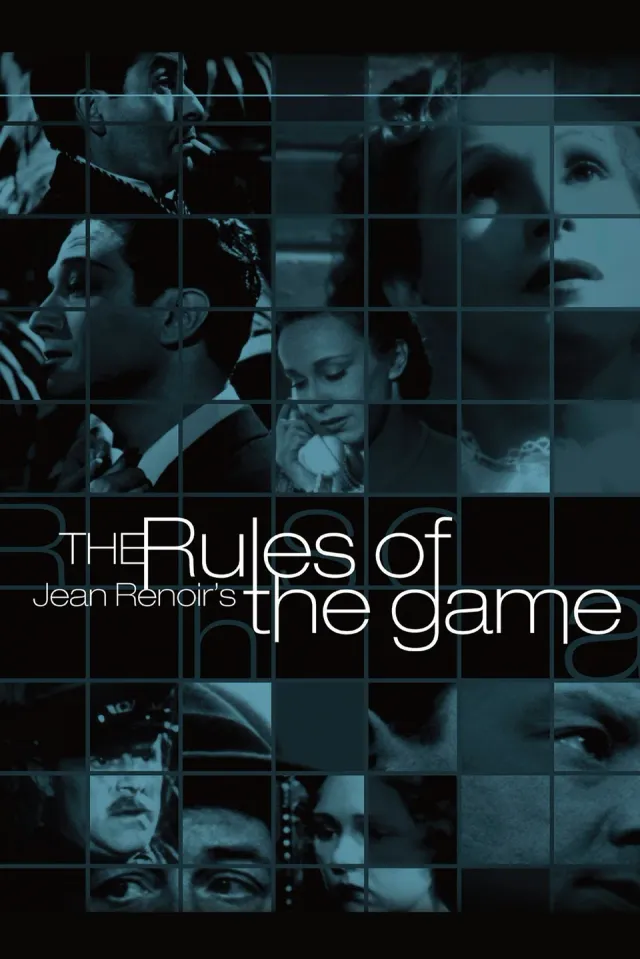
A celebrated aviator, André Jurieux, lands after a long-distance flight and publicly laments that the woman he loves, Christine, is not there to greet him. Christine is married to the Marquis Robert de la Chesnaye, who has his own mistress, and their tangled loyalties converge when the household hosts a weekend hunting party. The aristocratic guests and their servants carry parallel affairs, each observing the rules of rank and decorum while bending them privately. A new poacher hired as a servant becomes entangled with the gamekeeper's wife, and flirtation spreads through the estate. During the hunt and the evening's masquerade, jealousy and mistaken assumptions turn the comedy of manners toward an accidental death that the household tries to explain away.
Based on recorded story, mood and style. Your preferences can change the order.
What changes The Taste of Things: unhurried, observational, ritualistic and intimate. The Drama: compressed timeline and conversation-led.
A couple's wedding week takes an unexpected turn as a startling revelation puts their relationship to the test. The story holds romance and dark comedy together, finding tension in the gap between public celebration and private uncertainty. Rather than treating marriage as an uncomplicated destination, it uses the approaching ceremony to examine what partners owe each other when a relationship's story changes suddenly.
Based on recorded story, mood and style. Your preferences can change the order.
Romance and intimacy · Work and ambition
What changes The Taste of Things: unhurried, observational, ritualistic and intimate. Certified Copy: measured, dialogue-driven and gradually shifting.
At a book event in Tuscany, writer James Miller meets a French antiques dealer who has brought her son and several copies of his book about authenticity in art. After a strained first exchange, they spend an afternoon driving, walking through town and debating originals, reproductions and intimate relationships. Their conversation gradually takes on the rhythms of a long-established couple, though the film leaves the status of their roles unsettled. The encounter tests whether an experience can gain meaning regardless of its origin.
Based on recorded story, mood and style. Your preferences can change the order.
Memory and identity
What changes The Taste of Things: unhurried, observational, ritualistic and intimate. The Five-Year Engagement: episodic setbacks accumulate across several years.
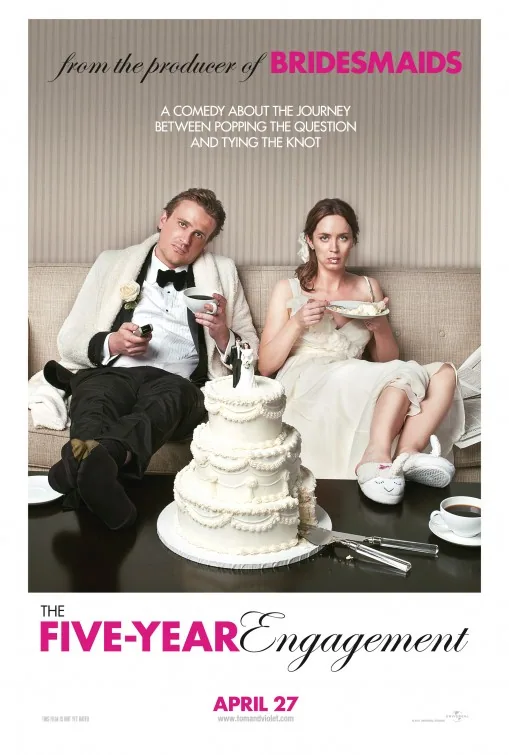
A couple who expect to marry soon keep postponing their wedding as work, family obligations and changes in their ambitions pull them in different directions. Their long engagement tests whether love can survive years of compromise and resentment without turning the story into a simple countdown to the ceremony. The romantic comedy treats timing and shared purpose as practical relationship questions.
Based on recorded story, mood and style. Your preferences can change the order.
What changes The Taste of Things: unhurried, observational, ritualistic and intimate. Tu Meri Main Tera Main Tera Tu Meri: holiday meeting sparks attraction, relationship develops across travel settings and family conflict tests commitment.
Ray and Rumi begin a romance during an international holiday, drawn together by attraction and a shared sense of possibility. Their relationship grows beyond a carefree vacation, but family expectations and competing ideas about commitment make a future together harder to arrange. The Hindi romantic comedy moves from contemporary travel romance toward an emotional family story, asking whether personal choice can coexist with tradition and responsibility. Its long, musical courtship centers on two young adults learning what love requires once the trip and its temporary freedom are over.
Based on recorded story, mood and style. Your preferences can change the order.
Romance and intimacy · Family and care
What changes The Taste of Things: unhurried, observational, ritualistic and intimate. The Man in the Moon: gentle seasonal progression shifts sharply as the family faces tragedy.
During a Louisiana summer in 1957, fourteen-year-old Dani Trant is close to her older sister Maureen and resents the chores and expectations that come with being the younger child. She meets seventeen-year-old neighbor Court Foster at a creek, initially bristles at him, then develops a crush as they spend time together. Dani’s feelings unfold alongside Maureen’s own relationship and the changing rhythms of their family, where both sisters are learning about affection and independence. A sudden tragedy changes the household and turns Dani’s summer of first love into a painful passage toward adulthood.
Based on recorded story, mood and style. Your preferences can change the order.
Memory and identity
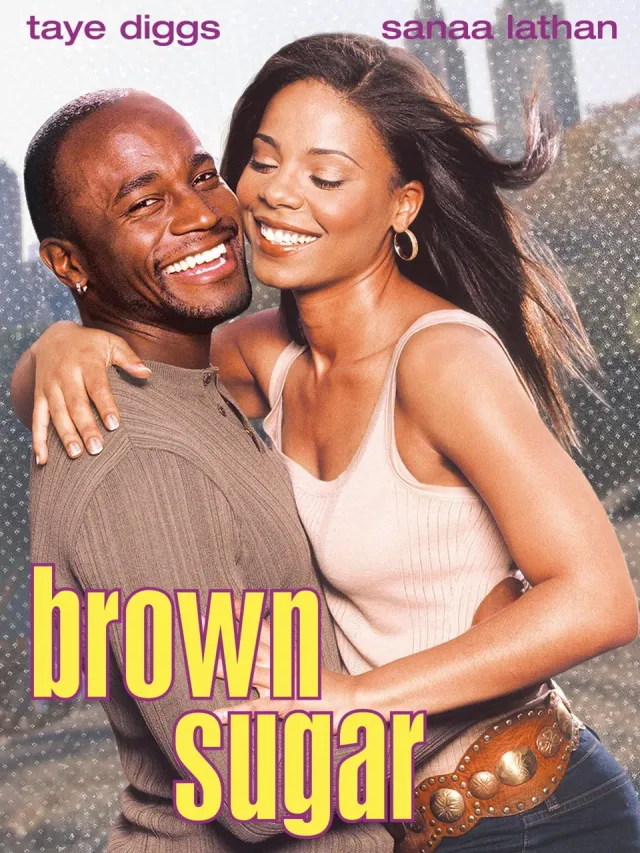
What changes The Taste of Things: unhurried, observational, ritualistic and intimate. Brown Sugar: conversational and episodic.
Two lifelong friends connected by their love of hip-hop begin to reconsider their relationship as careers and other romances shift. Their shared musical history keeps drawing them together even when timing and professional ambition pull them apart. The romance treats music as an archive of intimacy, linking personal memory with a culture the characters helped build. Songs, city settings and easy banter create a warm romantic-comedy atmosphere rooted in creative work.
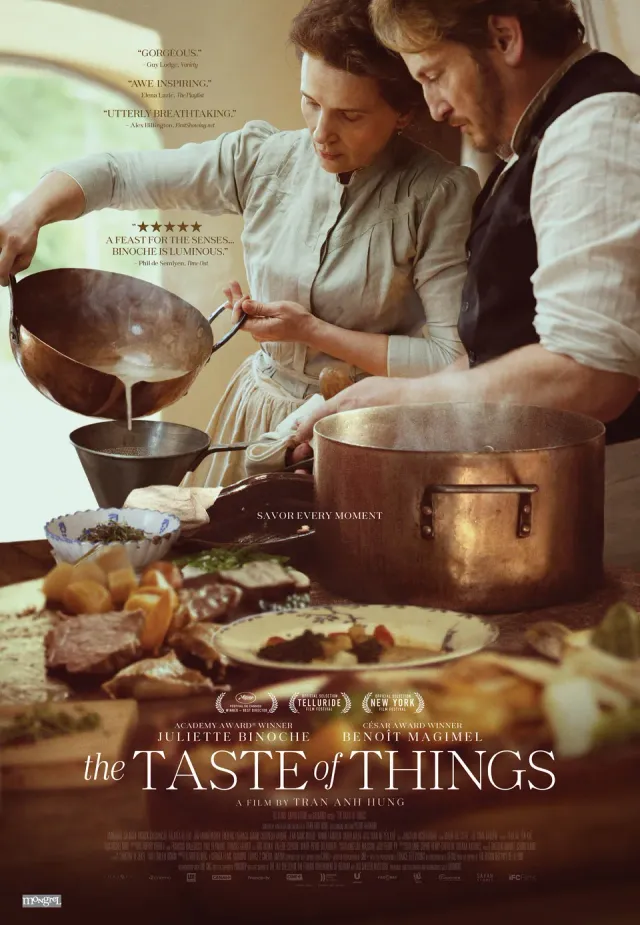
In 1889 France, cook Eugénie and gourmet Dodin have spent years preparing meals together on a country estate, sharing an intimacy that has not been formalized as marriage. Their work unfolds through elaborate menus, seasonal ingredients and the friends who gather at Dodin’s table. Trần Anh Hùng’s romantic drama treats cooking as a language of attention and care, observing a relationship through repeated acts of preparation, taste and conversation.
What drives the story
Eugénie and Dodin’s shared cooking and meals reveal the shape of a long relationship as Dodin continues to ask for marriage.
The people at its centre
Their partnership grows through attention to each other’s preferences and choices, making the kitchen a space of mutual recognition.
What it feels like
Detailed food preparation becomes cinematic action and a precise expression of affection, skill and shared routine.
Worth knowing
A meditative culinary romance for viewers who enjoy patient pacing, food craft and intimate character observation.