Explore films connected to The Testament of Ann Lee through faith and sacrifice, utopian community, grief and renewal. Choose the qualities you want to carry into your next watch.
What should feel similar?
Find your next favourite
9 films · Closest overall matches
Hide films you’ve seen or don’t want. Saved on this device.
No matches for this combination yet.
Try another option or reset your choices to see more films.
Based on recorded story, mood and style. Your preferences can change the order.
Music and performance
What changes The Testament of Ann Lee: chaptered, episodic and ritualistic. Hurry Up Tomorrow: fragmented, concert-driven and hallucinatory.
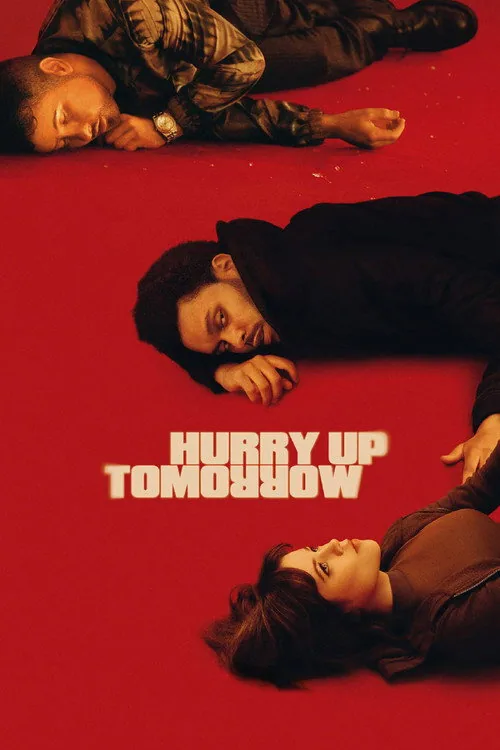
Music star Abel Tesfaye is struggling with depression and a damaged voice as he continues to perform, while a devoted fan named Anima travels toward his concert after a disturbing act at home. After the show collapses, Abel allows her backstage and spends the night with her, setting off a surreal encounter that blurs celebrity access, obsession, and his own unstable perceptions. The psychological drama turns the musician's public persona into a nightmarish inward journey about performance and selfhood.
Based on recorded story, mood and style. Your preferences can change the order.
Political resistance
What changes The Testament of Ann Lee is tagged ecstatic and austere; Ajey: The Untold Story of a Yogi is tagged earnest and reverential.
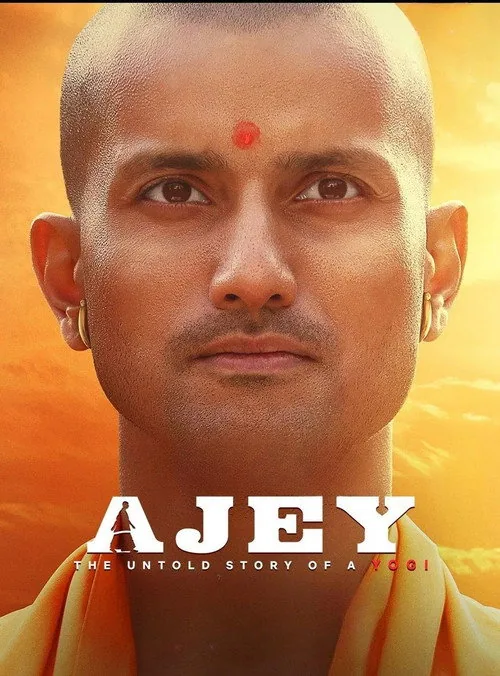
Inspired by a biography of Yogi Adityanath, the film traces Ajey's path from an introverted boy in the hills to a religious figure and political leader. It presents formative struggles, the influence of his guru, and decisions that lead him into public life and leadership in Uttar Pradesh. The Hindi political drama organizes a contemporary politician's biography as a story of transformation, conviction, and authority, asking viewers to follow the personal journey behind a prominent public identity.
Based on recorded story, mood and style. Your preferences can change the order.
Music and performance
What changes The Testament of Ann Lee: chaptered, episodic and ritualistic. Mother Mary: relationship-led, gradual escalation and interior.
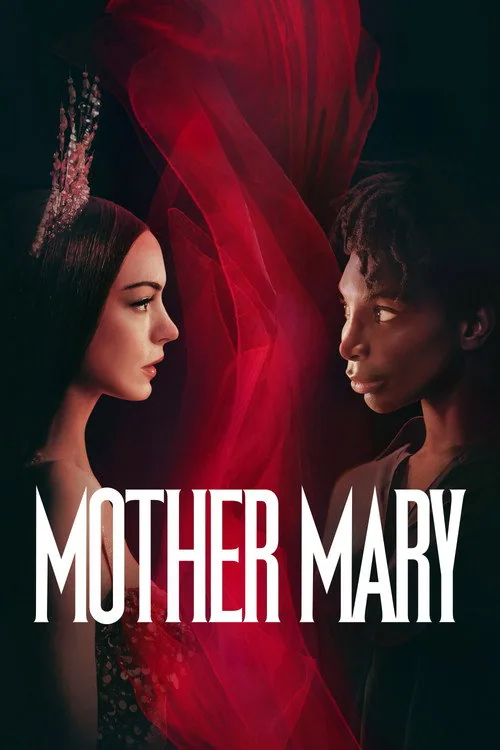
On the eve of a comeback, pop icon Mother Mary reunites with Sam Anselm, the legendary fashion stylist and former close friend she betrayed. Mary needs a defining new stage look, but the work reopens a long estrangement and old wounds between the two women. Their creative reunion becomes a supernatural reckoning about performance, image, and the cost of fame. The film treats pop spectacle as both a public persona and an intimate relationship whose unresolved history refuses to stay buried.
Based on recorded story, mood and style. Your preferences can change the order.
What changes The Testament of Ann Lee: chaptered, episodic and ritualistic. Uttar Da Puttar: dialogue-led, character-based and measured.
A village professor and Ginni become entangled in a story examining Vastu, astrology, and numerology as forces that shape people's decisions. The film follows how faith in these systems can offer guidance but also create fear and harmful consequences when superstition overrides judgment. Uttar Da Puttar uses family and community relationships to frame a contemporary debate about belief, presenting its characters' reliance on traditional practices as both a source of meaning and a question worth challenging.
Based on recorded story, mood and style. Your preferences can change the order.
Music and performance
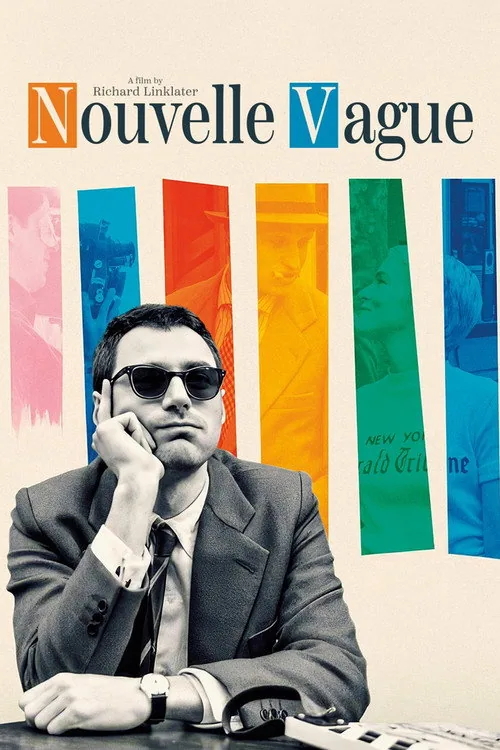
What changes The Testament of Ann Lee is tagged ecstatic and austere; Nouvelle Vague is tagged playful and energetic.
In 1959 Paris, young film critic Jean-Luc Godard decides to become a director after watching colleagues François Truffaut and Claude Chabrol bring new work to the screen. He begins making Breathless with a cast and crew working through improvisation, limited resources, and an unconventional approach to filmmaking. Richard Linklater's black-and-white comedy-drama revisits a landmark creative moment as a lively portrait of artists inventing both a movie and a movement while learning by doing.
Based on recorded story, mood and style. Your preferences can change the order.
Political resistance
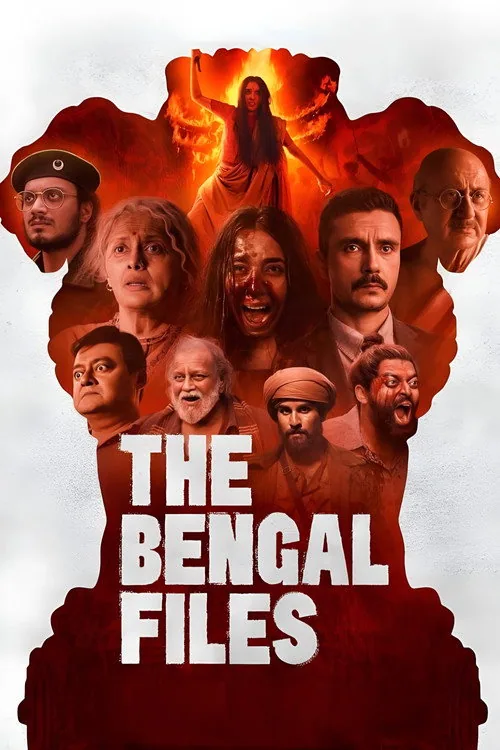
What changes The Testament of Ann Lee: chaptered, episodic and ritualistic. The Bengal Files: event-driven, dramatic reconstruction and wide-ranging.
The Bengal Files dramatizes communal violence surrounding Direct Action Day in Calcutta in 1946 and the spread of killings into Noakhali and other parts of the Bengal Presidency. Its historical narrative frames these events as a pivotal, contested chapter on the road to independence and Partition. The Hindi political drama places communities and political actors inside a period of escalating violence, using dramatization to make public memory and competing interpretations of history part of the story.
Based on recorded story, mood and style. Your preferences can change the order.
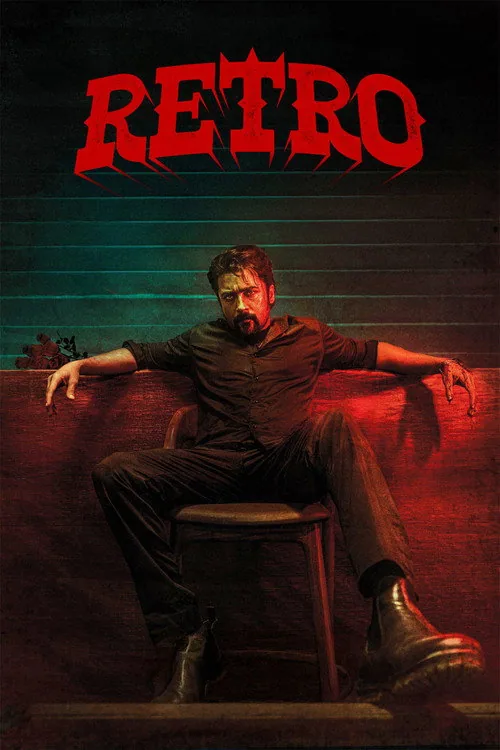
What changes The Testament of Ann Lee: chaptered, episodic and ritualistic. Retro: sweeping, action-driven and melodramatic.
Raised by a loving adoptive mother inside a gangster household, Paari grows into a loyal enforcer before deciding to leave violence behind for a life with Rukmini. His attempt to break from the criminal world collides with the family and history that shaped him, turning a romance into a test of whether inherited brutality can be refused. Set across several decades, Retro combines a star-centered love story with stylized action and questions of fate, family, and self-determination.
Based on recorded story, mood and style. Your preferences can change the order.
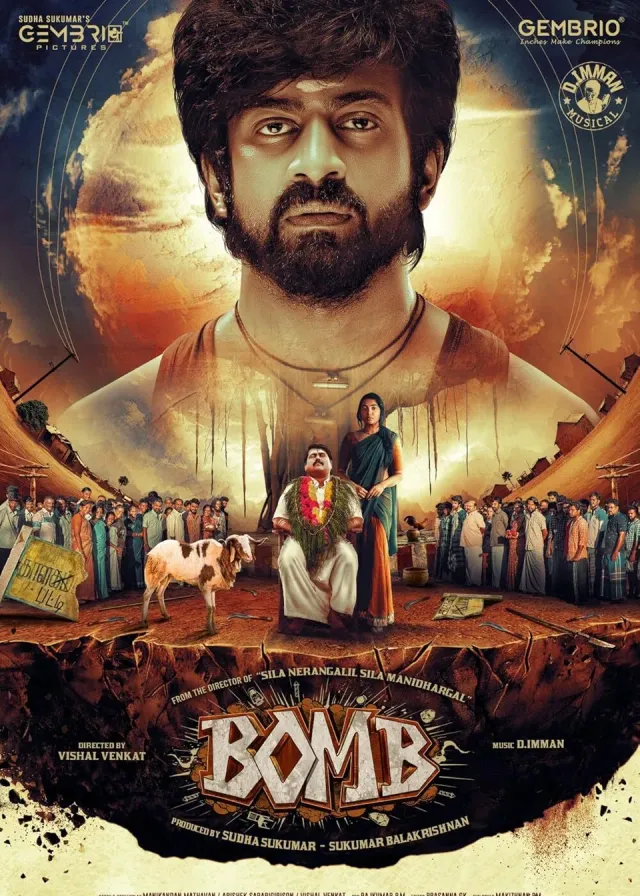
What changes The Testament of Ann Lee is tagged ecstatic and austere; Bomb is tagged absurd and satirical.
In a divided Tamil village, two religious communities claim the body of Kathiravan after his sudden death, interpreting a series of strange events as proof of a prophecy. Manimuthu, who believes his friend may still be alive, is caught between groups turning grief into a contest over divine authority. Bomb mixes village comedy with social satire, using an absurd premise to examine how faith, rivalry, and local power can transform an ordinary death into a public spectacle.
Based on recorded story, mood and style. Your preferences can change the order.
Music and performance
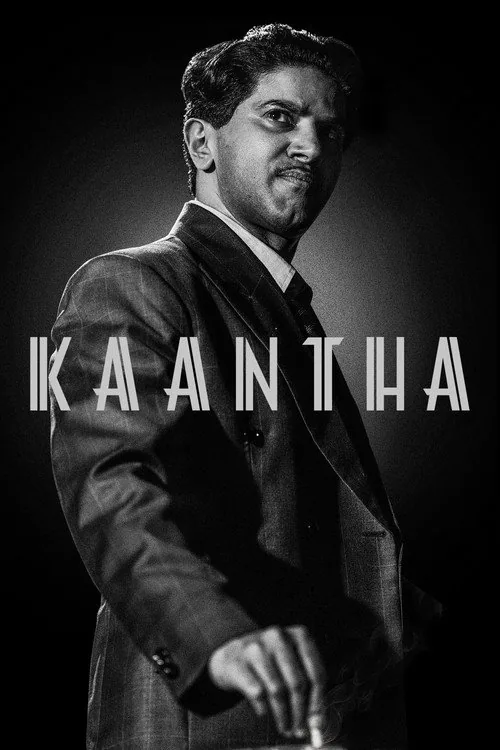
What changes The Testament of Ann Lee: chaptered, episodic and ritualistic. Kaantha: mystery-driven, dialogue and performance and revealing.
In 1950s Madras, celebrated director Ayya is asked to revive his shelved film Shaantha, but only if rising star T. K. Mahadevan plays the lead. Ayya helped establish Mahadevan, yet the two now clash over authority and artistic control. Mahadevan renames the film Kaantha and changes its story to suit his image, pushing the original director aside. When a murder occurs on the film set, the period crime thriller turns the production into an investigation shaped by ego, fame, and competing visions of cinema.
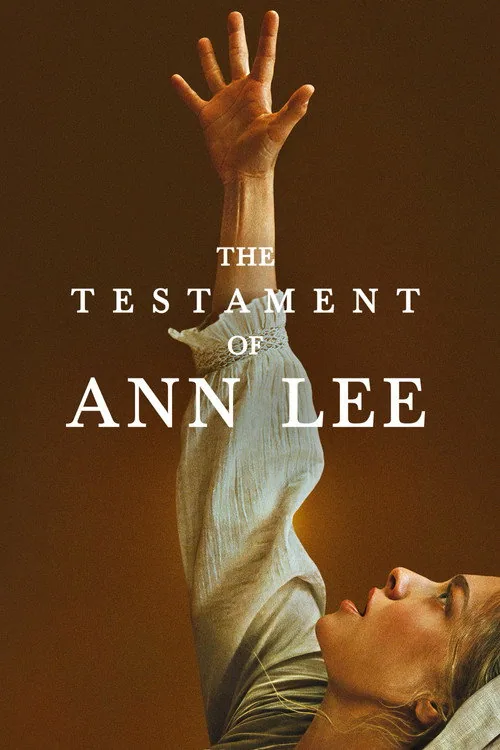
The historical musical drama follows Ann Lee, an eighteenth-century English religious leader who founded the Shakers. Born into poverty in Manchester, she experiences spiritual visions, joins an ecstatic worship movement, and eventually leads followers across the Atlantic to seek a place where their community can live. Her quest for a utopian society is shaped by profound personal loss and disciplined communal faith. Traditional Shaker hymns reimagined through choreographed movement give the film a distinctive way to express belief, grief, and collective devotion.
What drives the story
Ann's spiritual convictions carry her from a painful life in England toward building a new religious community.
The people at its centre
Her authority grows through shared belief, while loss and the needs of her followers test its limits.
What it feels like
Songs and physically expressive worship make the historical narrative feel ritualistic and emotionally immediate.
Worth knowing
It approaches Ann Lee's life as an embodied musical drama, not a conventional documentary or pulpit-centered biography.
faith and sacrificeutopian communitygrief and renewal
Mood
ecstatic · austere · devotional
Pacing
chaptered · episodic · ritualistic
Visual style
period detail · choreographed worship · expressive musical staging
Storytelling
historical religious leader · community-building journey · song-and-dance worship