Based on recorded story, mood and style. Your preferences can change the order.
Memory and identity · Survival
What changes The Vigil: yakov accepts the vigil, learns more about the family and deceased man, experiences signs of a presence and and must face both the night’s threat and his own history. Ju-On: The Grudge: short character episodes, repeated haunting escalations and nonlinear accumulation of dread.
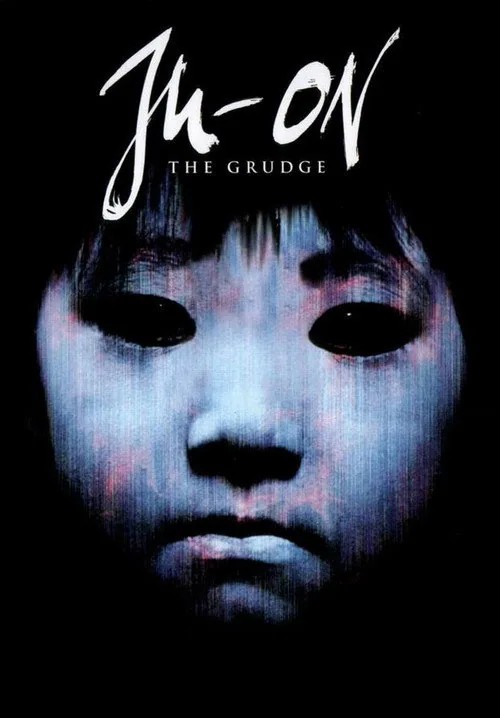
A violent family murder in Tokyo creates a curse that attaches itself to the house where the deaths occurred and follows anyone who enters. The film moves nonlinearly through connected stories of caregivers, residents, students, and investigators who encounter the ghosts Kayako and Toshio. As each victim's death expands the haunting's reach, police try to reconstruct the house's history but find that understanding the curse does not provide a way out. Its fractured sequence turns ordinary domestic spaces into a chain of recurring dread.
Based on recorded story, mood and style. Your preferences can change the order.
Memory and identity
What changes The Vigil: yakov accepts the vigil, learns more about the family and deceased man, experiences signs of a presence and and must face both the night’s threat and his own history. The Wolfman: brooding and violent eruptions.
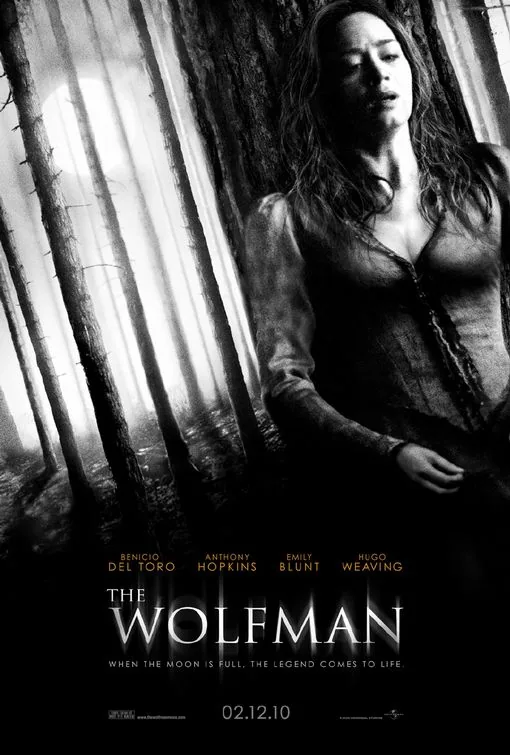
An actor returns to his family's English estate after his brother is killed and becomes involved in the search for the attacker. A wound inflicted during another assault links the investigation to frightening changes in his own body. Old family memories and official suspicion compound the threat, turning the attempted explanation of a local monster into a gothic struggle with inheritance, violence and loss of control.
Both share themes of trauma, plus a somber and intimate atmosphere.
Why this matches +
Genres: Horror / Thriller
Shared film traits
Based on recorded story, mood and style. Your preferences can change the order.
Family and care
What changes The Vigil: yakov accepts the vigil, learns more about the family and deceased man, experiences signs of a presence and and must face both the night’s threat and his own history. The Last Exorcism Part II: slow-burn, escalating and character-led.
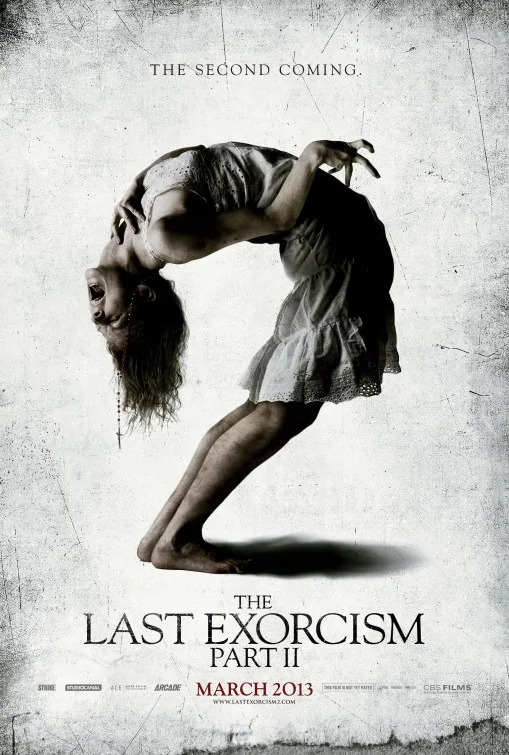
After surviving the events of the previous film, Nell Sweetzer begins again in New Orleans at a residence for young women and takes a job in a hotel. She hopes to build an ordinary life, but unsettling episodes and the return of familiar signs make her fear that the demon Abalam has not left her. Friends and members of a secret group offer competing explanations and plans, leaving Nell to decide whom she can trust as the danger grows.
Based on recorded story, mood and style. Your preferences can change the order.
What changes The Vigil: yakov accepts the vigil, learns more about the family and deceased man, experiences signs of a presence and and must face both the night’s threat and his own history. Sinister: slow-building and investigation-led.
A true-crime writer moves his family into a house connected to an unsolved murder, concealing the reason from his wife. The discovery of disturbing home movies offers material that might revive his career, but his investigation begins to suggest a pattern reaching beyond ordinary crime. Professional ambition keeps him close to evidence that threatens the household, making the urge to watch and interpret part of the danger itself.
Based on recorded story, mood and style. Your preferences can change the order.
What changes The Vigil: yakov accepts the vigil, learns more about the family and deceased man, experiences signs of a presence and and must face both the night’s threat and his own history. Ichi the Killer: escalating violence, intercut pursuits and surreal disruptions.
When yakuza boss Anjo disappears, his sadomasochistic lieutenant Kakihara searches through rival gangs and a trail of extreme violence to find him. A manipulative handler named Jijii steers the investigation toward Ichi, a psychologically damaged man used as a weapon against the underworld. The characters' conflicting appetites for control and pain make the story deliberately grotesque and unstable. Takashi Miike adapts the manga as a transgressive crime horror film whose graphic violence and surreal tone are central to its impact, rather than incidental effects.
Based on recorded story, mood and style. Your preferences can change the order.
Memory and identity
What changes The Vigil: yakov accepts the vigil, learns more about the family and deceased man, experiences signs of a presence and and must face both the night’s threat and his own history. Audition: a widower meets a former dancer through a false film audition arranged to help him find a wife..
Widower Shigeharu Aoyama’s son encourages him to remarry, so a film producer friend stages a fake audition to introduce him to potential partners. Aoyama becomes captivated by Asami Yamazaki, a former dancer whose references and past prove difficult to verify. As he pursues her, details from her life surface that challenge his assumptions about what she wants and what he is entitled to know. Takashi Miike’s Japanese horror film begins as a restrained dating drama before shifting into a disturbing confrontation shaped by grief, deception, and gendered power.
Based on recorded story, mood and style. Your preferences can change the order.
Memory and identity
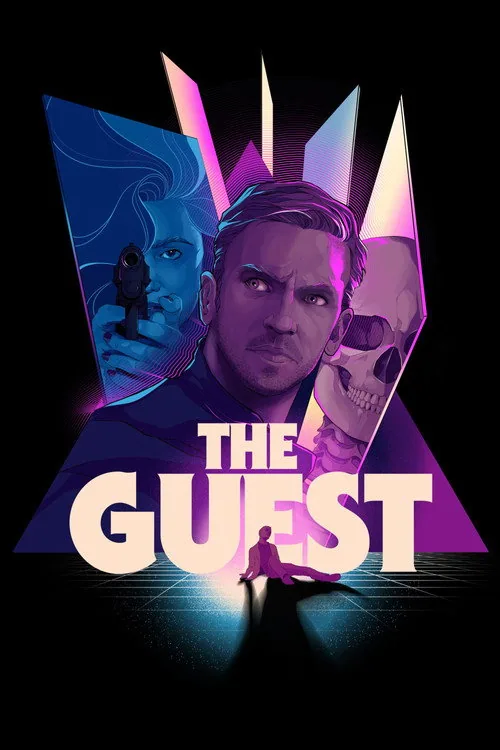
What changes The Vigil: yakov accepts the vigil, learns more about the family and deceased man, experiences signs of a presence and and must face both the night’s threat and his own history. The Guest: a grieving family’s gratitude gives a dangerous visitor access to their home and routines..
David, a former soldier, visits the Peterson family and says he served with their son Caleb, who died in Afghanistan. His helpful manners and apparent kindness make him welcome, but Anna becomes suspicious as violence and unexplained deaths accumulate around the family. Adam Wingard’s thriller first uses the shape of a grief drama and then shifts into a stylized manhunt, with a Halloween dance and a carefully chosen mix tape giving the last act its particular mood. The film’s tension depends on whether David’s charm is care or a weapon.
Based on recorded story, mood and style. Your preferences can change the order.
Survival
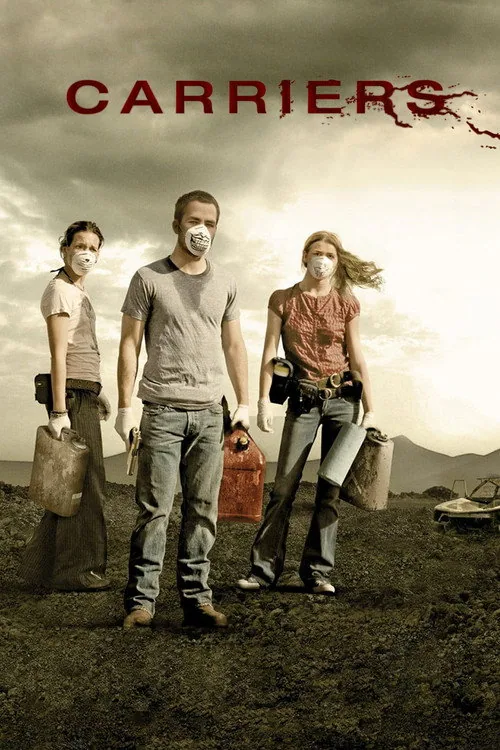
What changes The Vigil: yakov accepts the vigil, learns more about the family and deceased man, experiences signs of a presence and and must face both the night’s threat and his own history. Carriers: road journey under strict rules, encounters expose hidden infection and fracture and reckoning within the group.
After a lethal virus devastates the population, brothers Brian and Danny travel with Bobby and Kate toward a childhood beach refuge, following strict rules meant to prevent infection. Their route brings them into contact with a desperate father and his infected daughter, rumored medical treatment, and armed survivors, while Bobby hides that she has contracted the disease. Each encounter forces the group to choose between helping strangers and protecting itself, gradually testing the morality behind Brian's survival code.
Both share themes of trauma, plus a tense atmosphere.
Why this matches +
Genres: Horror / Science Fiction
Shared film traits
Based on recorded story, mood and style. Your preferences can change the order.
Survival
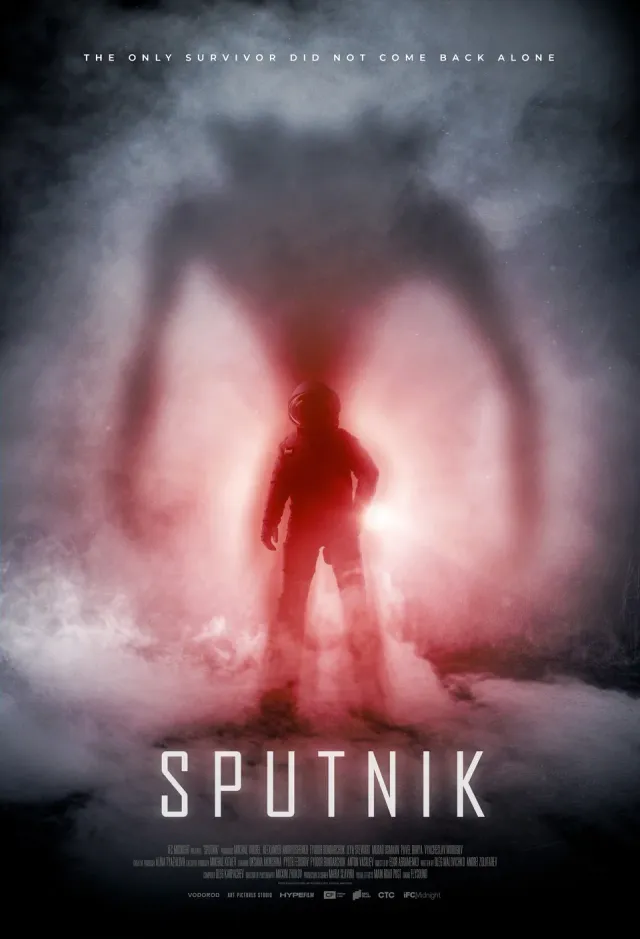
What changes The Vigil: yakov accepts the vigil, learns more about the family and deceased man, experiences signs of a presence and and must face both the night’s threat and his own history. Sputnik: crash mystery, nightly creature reveal, clinical study and conflict and containment crisis.
After a Soviet spacecraft crashes in 1983, cosmonaut Konstantin Veshnyakov returns to Earth with no clear memory of the accident and an organism living inside him. Military officials bring psychiatrist Tatyana Klimova to a guarded research facility to assess the survivor and the creature that emerges at night. Tatyana’s investigation exposes the uneasy bond between the two and the military’s willingness to treat both as resources. Egor Abramenko’s Russian science-fiction horror film combines Cold War secrecy, alien body horror, and a doctor’s ethical struggle inside a closed institution.
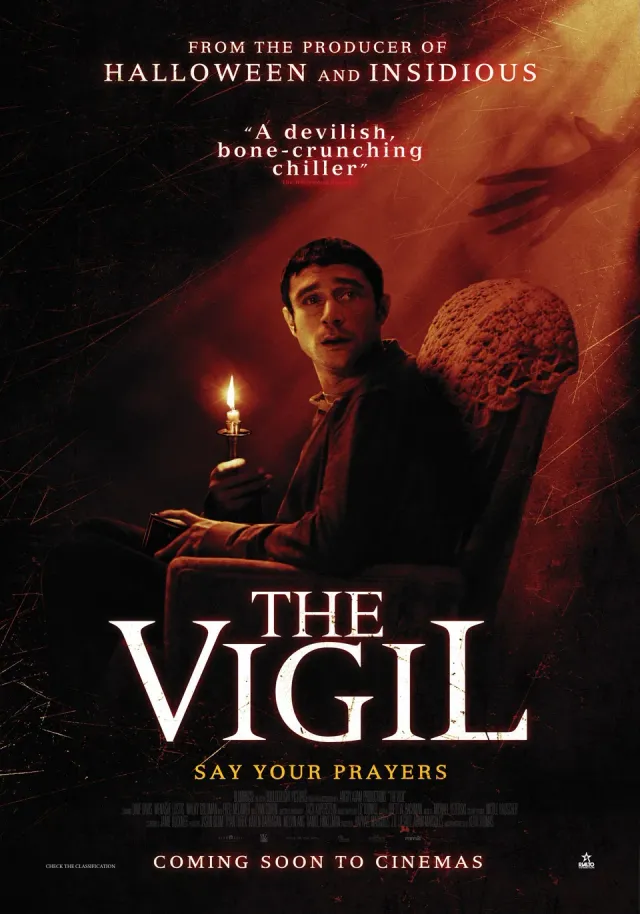
Yakov has recently left Brooklyn’s Hasidic community and is trying to build a life outside it when he accepts payment to serve as a shomer, the person who stays with a deceased man overnight. At the isolated home, the grieving family, the dead man’s past, and Yakov’s own unsettled memories shape a night in which the watch becomes a struggle with a threatening presence.
What drives the story
A man newly outside his Hasidic community takes a paid overnight watch beside a body and encounters something inside the house.
The people at its centre
Yakov’s effort to manage life after leaving his community intersects with the family’s grief and the obligations of the shomer role.
What it feels like
The ritual premise places an intimate, culturally specific overnight duty at the center of a compact supernatural horror film.
Worth knowing
The threat is tied to the house and to memories Yakov has not resolved, so the vigil tests his personal boundaries as well as his nerve.
communitygriefreligious tradition
Mood
somber · intimate · tense · uncanny
Pacing
Yakov accepts the vigil · learns more about the family and deceased man · experiences signs of a presence · and must face both the night’s threat and his own history