Explore films connected to The Zero Theorem through meaning and existential fear, corporate control of attention, isolation and human connection. Choose the qualities you want to carry into your next watch.
What should feel similar?
Find your next favourite
9 films · Closest overall matches
Hide films you’ve seen or don’t want. Saved on this device.
No matches for this combination yet.
Try another option or reset your choices to see more films.
There is little recorded overlap with your starting film.
Why this matches +
Genres: Science fiction / Action
Shared film traits
Based on recorded story, mood and style. Your preferences can change the order.
Artificial life · Constructed reality
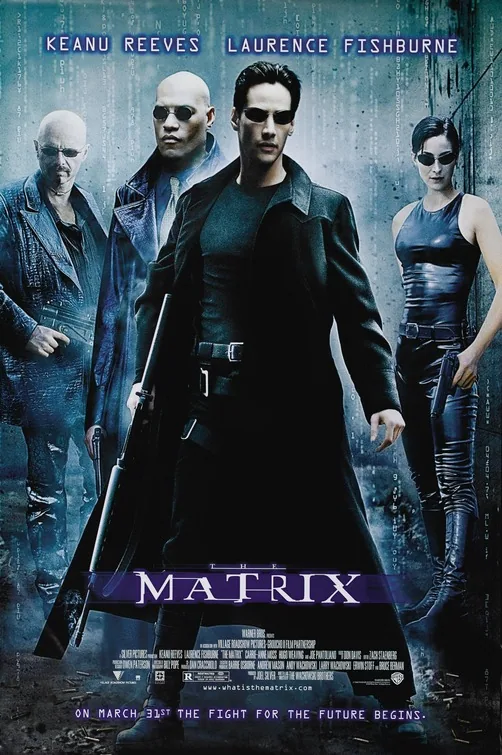
What changes The Zero Theorem: bureaucratic request and project assignment, isolation interrupted by visitors and crisis of meaning and breakdown. The Matrix: fast.
A computer programmer troubled by the sense that ordinary reality is concealing something follows an underground group offering an explanation. Discovering a system that keeps human beings under machine control requires him to learn unfamiliar physical rules and reconsider his own identity. A mentor's faith and a prediction about his role place private uncertainty inside an organised resistance facing betrayal and overwhelming force.
Based on recorded story, mood and style. Your preferences can change the order.
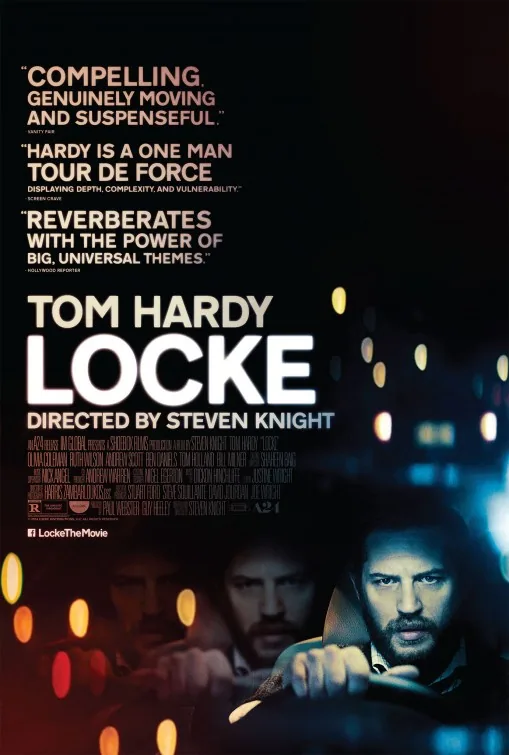
What changes The Zero Theorem: bureaucratic request and project assignment, isolation interrupted by visitors and crisis of meaning and breakdown. Locke: a real-time drive unfolds through phone conversations and consequences.
On the eve of a major concrete pour, construction manager Ivan Locke leaves work and drives toward a hospital after learning that a colleague from a past affair is in labor. He manages the consequences through a chain of phone calls while his marriage, career, and professional duties begin to unravel. The contained drama uses one car journey to examine responsibility, keeping its protagonist physically alone while his choices connect him to many others.
Based on recorded story, mood and style. Your preferences can change the order.
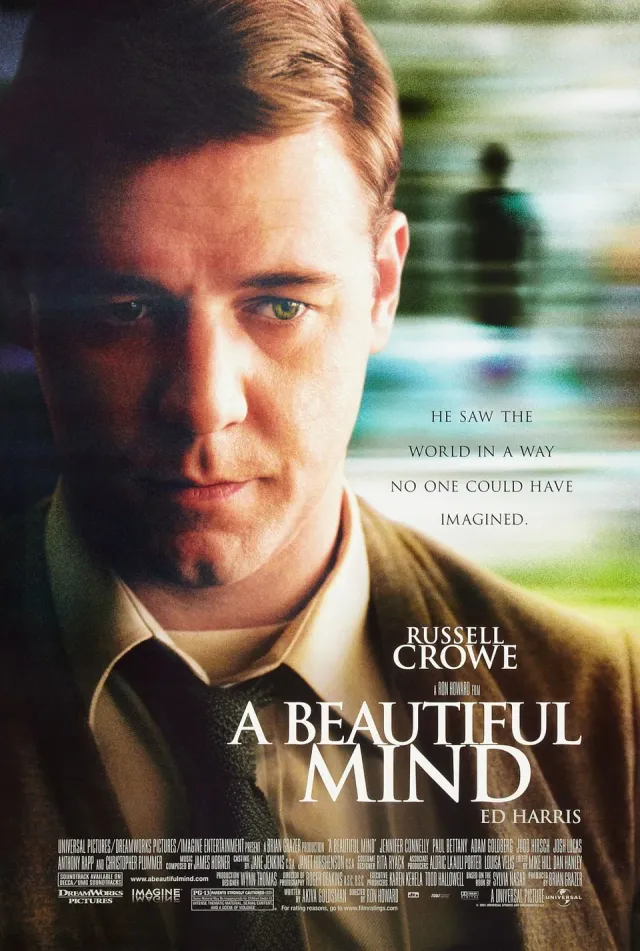
What changes The Zero Theorem: bureaucratic request and project assignment, isolation interrupted by visitors and crisis of meaning and breakdown. A Beautiful Mind: measured.
A gifted mathematician pursues an original contribution while struggling to find ordinary social ease among colleagues and a developing relationship. Work he believes carries national significance becomes entangled with perceptions that others cannot confirm. Learning to live with a condition that disrupts certainty requires sustained care and difficult adjustments, while recognition of his intellectual contribution offers no automatic solution to the vulnerabilities shaping his daily life.
There is little recorded overlap with your starting film.
Why this matches +
Genres: Action / Comedy
Shared film traits
Based on recorded story, mood and style. Your preferences can change the order.
Artificial life · Constructed reality
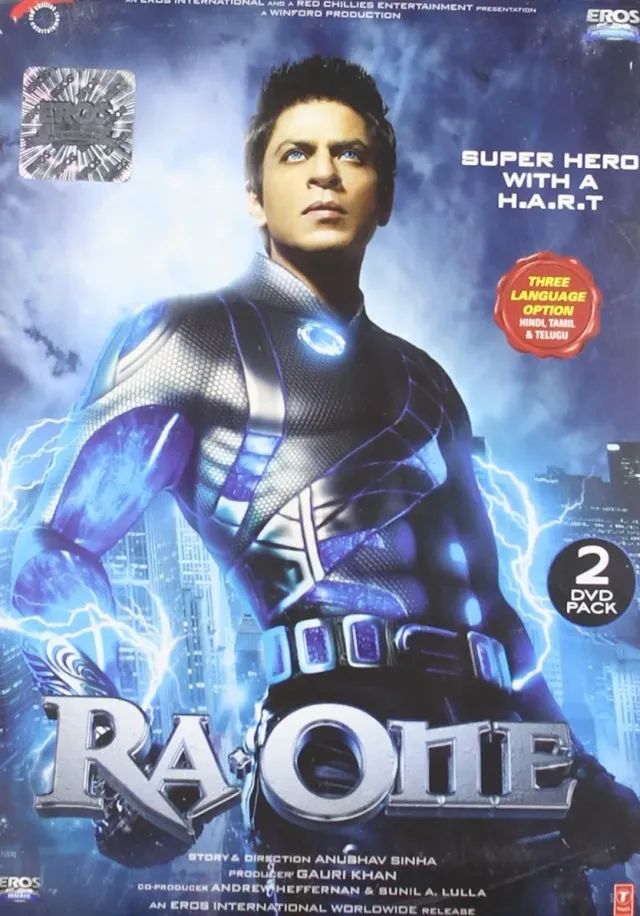
What changes The Zero Theorem: bureaucratic request and project assignment, isolation interrupted by visitors and crisis of meaning and breakdown. Ra.One: a game-world conflict spills into a family’s everyday life.
Game designer Shekhar creates a powerful antagonist for a new video game in hopes of impressing his son, Prateek. When the digital character escapes into the physical world, Shekhar’s family must rely on the game’s heroic counterpart to stop it. The science-fiction action comedy brings virtual rules into ordinary reality, connecting a father’s desire for approval with questions about artificial agency, technology, and responsibility.
There is little recorded overlap with your starting film.
Why this matches +
Genres: Science fiction / Thriller
Shared film traits
Based on recorded story, mood and style. Your preferences can change the order.
Constructed reality
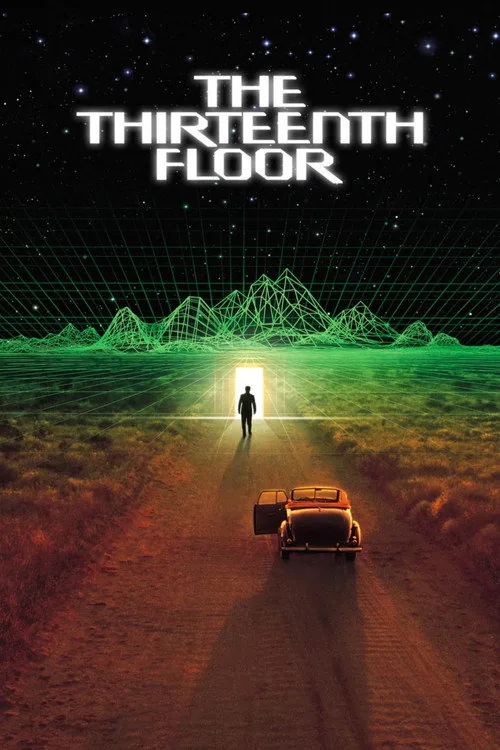
What changes The Zero Theorem: bureaucratic request and project assignment, isolation interrupted by visitors and crisis of meaning and breakdown. The Thirteenth Floor: mystery-driven, gradual revelation and steady suspense.
In 1999 Los Angeles, computer scientist Douglas Hall is suspected of murdering his mentor, Hannon Fuller, who has recently completed a simulated version of 1937 Los Angeles. Hall investigates the crime by entering the virtual world, where its inhabitants appear unaware they are computer-generated. As evidence destabilizes his confidence in his own reality, the mystery expands into questions about who is observing whom and whether the simulation can contain a world of its own. The science-fiction thriller uses noir investigation to examine simulated consciousness, identity, and nested realities.
Based on recorded story, mood and style. Your preferences can change the order.
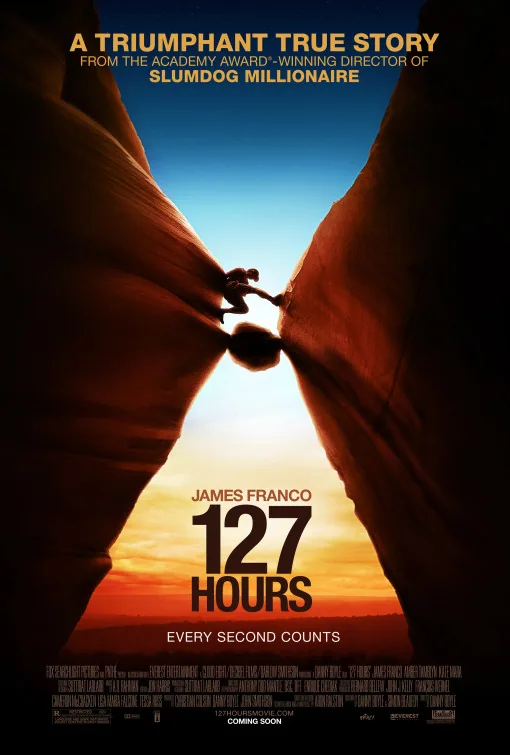
What changes The Zero Theorem: bureaucratic request and project assignment, isolation interrupted by visitors and crisis of meaning and breakdown. 127 Hours: intense.
An experienced outdoorsman exploring a remote canyon alone becomes trapped when a falling boulder pins his arm. Without a companion who knows his route, he must ration limited supplies and test improvised solutions as time changes the physical problem. Recorded messages, remembered relationships and visions of possible futures expose the gap between an identity built around self-sufficiency and the connections he has treated as optional.
There is little recorded overlap with your starting film.
Why this matches +
Genres: drama / science fiction
Shared film traits
Based on recorded story, mood and style. Your preferences can change the order.
Constructed reality
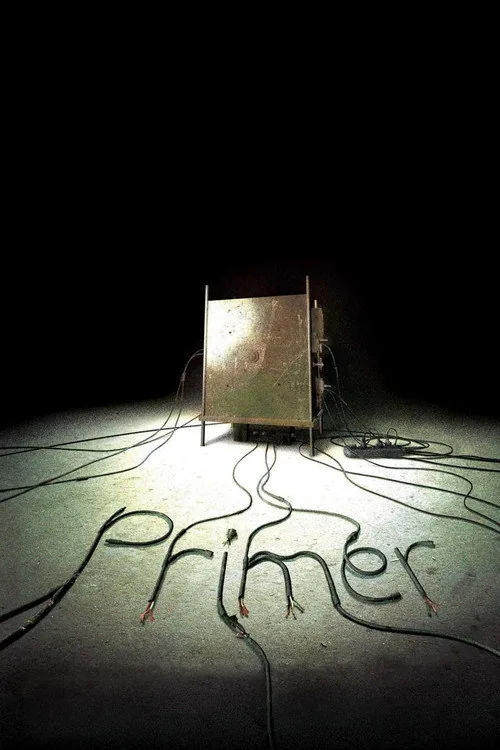
What changes The Zero Theorem: bureaucratic request and project assignment, isolation interrupted by visitors and crisis of meaning and breakdown. Primer: compressed, recursive and increasingly disorienting.
Engineers Aaron and Abe quietly develop a device that appears to let its users travel backward through time. Their experiment begins as a technical breakthrough and an opportunity to alter small outcomes, but repeated use creates overlapping versions of events that neither man can fully track. As secrecy and mistrust grow, the friends use the machine to protect their interests, turning a low-budget science-fiction puzzle into a study of ambition and control.
Based on recorded story, mood and style. Your preferences can change the order.
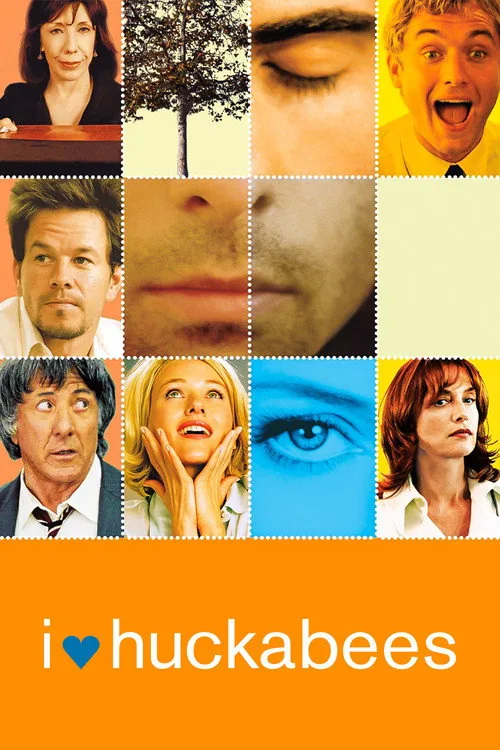
What changes The Zero Theorem: bureaucratic request and project assignment, isolation interrupted by visitors and crisis of meaning and breakdown. I Heart Huckabees: fast verbal exchanges, interlocking storylines and comic escalation.
Environmental activist Albert Markovski hires a pair of existential detectives after a series of coincidences unsettles his sense of meaning. Their investigations draw in a corporate executive, his girlfriend, and another client, turning private anxieties into overlapping comic disputes about identity, connection, and the natural world. As the detectives' theories compete with a more cynical approach, Albert's search for a satisfying explanation becomes part of the film's joke. David O. Russell's ensemble comedy uses philosophical arguments as a springboard for chaotic, self-questioning character collisions.
Based on recorded story, mood and style. Your preferences can change the order.
Artificial life · Constructed reality
What changes The Zero Theorem: bureaucratic request and project assignment, isolation interrupted by visitors and crisis of meaning and breakdown. Free Guy: fast.
A bank clerk in a chaotic online city begins choosing actions outside the script he has always obeyed. His attraction to a visiting player intersects with her attempt to prove that a game company stole software she helped create. As his unusual behavior inspires other inhabitants, an impending replacement game threatens their existence. The adventure links a cheerful discovery of agency to a dispute over ownership, asking whether created lives deserve protection from the commercial decisions governing their world.
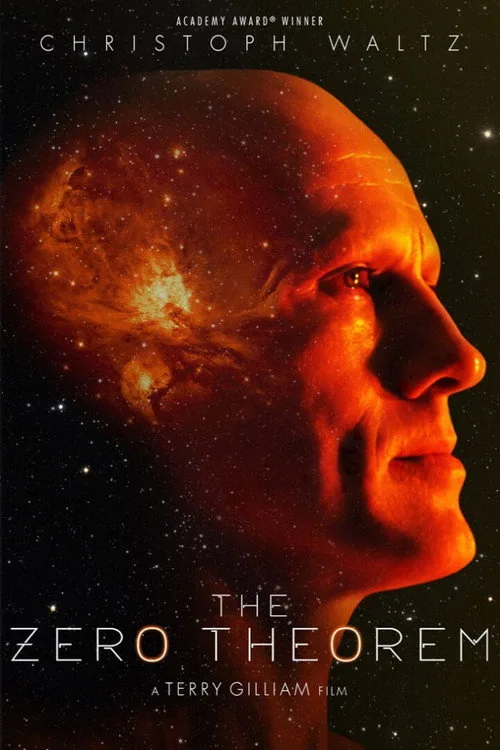
Reclusive programmer Qohen Leth asks to work from home because he is waiting for a phone call he believes will give his life meaning. His employer instead assigns him the Zero Theorem, a mathematical problem meant to determine whether existence is ultimately pointless. As Qohen works in isolation, corporate demands, an artificial therapist, and new companions disrupt his carefully protected routine. The surreal science-fiction drama follows a man searching for purpose inside a brightly artificial future that turns both work and leisure into forms of management.
What drives the story
Qohen's employer assigns him a dangerous mathematical project after he asks to work from home while waiting for a call he imagines will explain his purpose.
The people at its centre
His need for solitude meets the company's control and the unexpected attention of Bainsley, Bob, and an AI therapist.
What it feels like
An eccentric dystopian fable combines strange humor, vivid design, and a serious question about whether life can be reduced to data.
Worth knowing
The protagonist's mathematical assignment is explicitly existential, placing corporate bureaucracy and loneliness inside a surreal science-fiction puzzle.
meaning and existential fearcorporate control of attentionisolation and human connection
Mood
surreal · lonely · absurdist
Pacing
bureaucratic request and project assignment · isolation interrupted by visitors · crisis of meaning and breakdown
Visual style
color-saturated cyberpunk interiors · eccentric costume and set design · visual contrast between ruined home and noisy city
Storytelling
programmer tasked with existential theorem · company monitors work and personal life · expected phone call motivates reclusive routine