Explore films connected to Thirst through faith and desire, guilt and transformation, life and death. Choose the qualities you want to carry into your next watch.
What should feel similar?
Find your next favourite
9 films · Closest overall matches
Hide films you’ve seen or don’t want. Saved on this device.
No matches for this combination yet.
Try another option or reset your choices to see more films.
Based on recorded story, mood and style. Your preferences can change the order.
Memory and identity
What changes Thirst: medical transformation, domestic moral conflict and violent supernatural collapse. Decision to Leave: measured procedural build and emotional turns reshape earlier scenes.
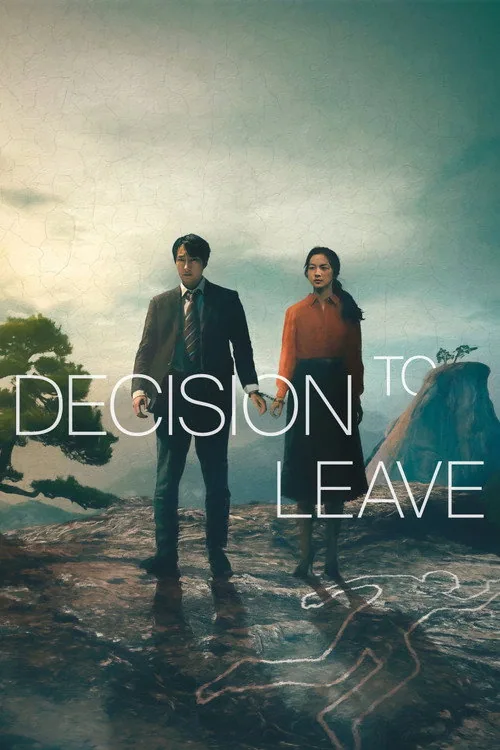
After a man dies in a fall from a mountain, detective Hae-joon investigates the death and focuses on the dead climber’s widow, Seo-rae. Their interviews and surveillance gradually develop into an attraction that complicates the case and Hae-joon’s own sense of professional distance. Park Chan-wook shapes the film as a Korean-language romantic mystery and psychological neo-noir, using shifts in perspective, meticulous visual design, and restrained performances to make attention itself a source of intimacy and doubt.
Based on recorded story, mood and style. Your preferences can change the order.
Survival
What changes Thirst: medical transformation, domestic moral conflict and violent supernatural collapse. The Babysitter: Killer Queen: rapid comedy-horror setup, killers arrive in waves and twist-heavy finale.
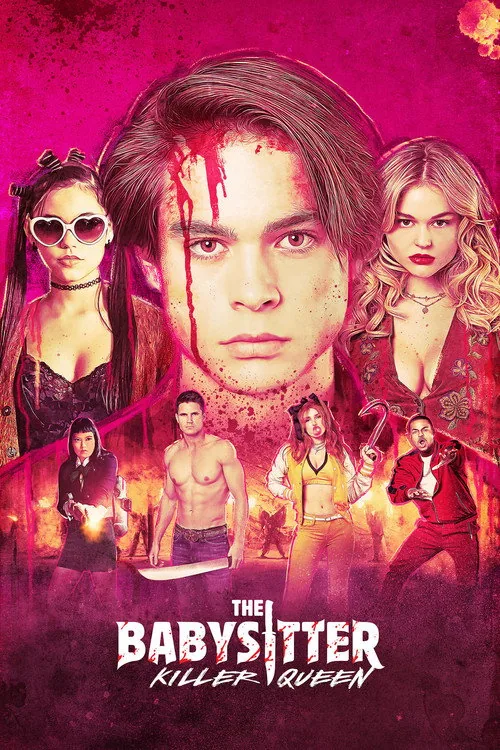
Two years after surviving a satanic cult led by his former babysitter, Cole is a high-school student whose account is dismissed as a psychiatric delusion. He escapes a school outing with his friend Melanie and a group of classmates, only to become entangled in a new ritual and a return of familiar killers. The sequel turns adolescence, disbelief, and old trauma into another splattery night of genre jokes, larger supernatural twists, and a conspiracy that changes whom Cole can trust.
Based on recorded story, mood and style. Your preferences can change the order.
Memory and identity
What changes Thirst: medical transformation, domestic moral conflict and violent supernatural collapse. A Tale of Two Sisters: slow-building dread, domestic conflict and late psychological revelations.
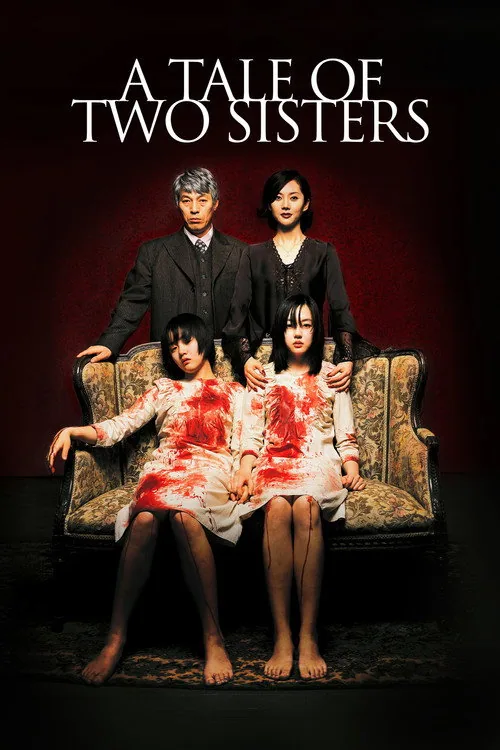
After leaving a mental health facility, teenager Su-mi returns to her family’s secluded country home with her younger sister Su-yeon. Their father’s new wife, Eun-joo, creates an atmosphere of conflict, while strange events and unsettling memories complicate the sisters’ return. Kim Jee-woon’s South Korean psychological horror draws on a traditional folktale but uses domestic spaces, family tension, and carefully shifting perspective to build its mystery. The story contains traumatic family conflict and is best approached without plot spoilers.
Based on recorded story, mood and style. Your preferences can change the order.
Survival
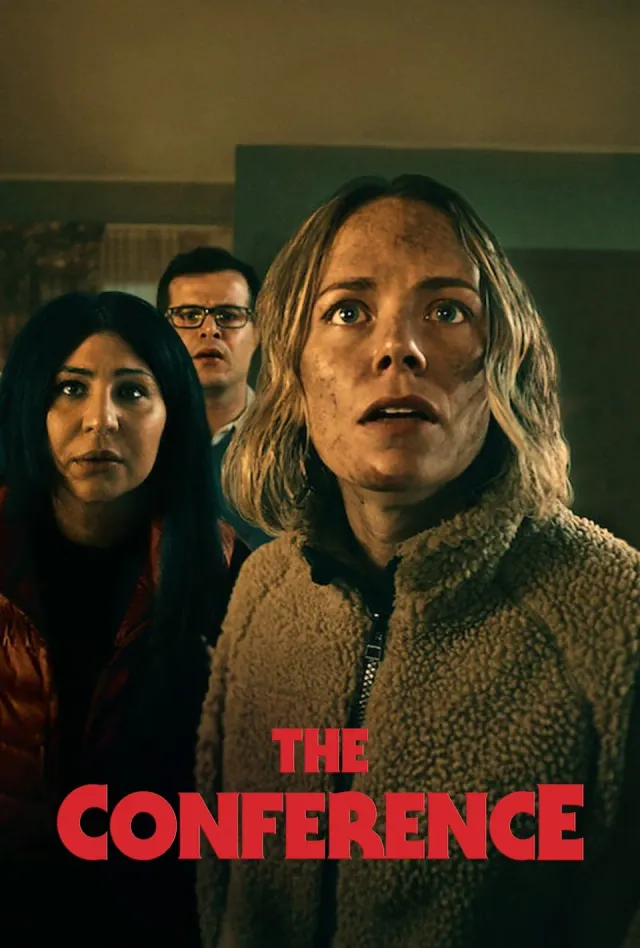
What changes Thirst: medical transformation, domestic moral conflict and violent supernatural collapse. The Conference: fast, slasher-driven, ensemble-based and escalating.
Municipal employees gather at a remote conference center for team-building exercises tied to a controversial shopping-mall project in their farming community. The retreat’s strained professional relationships become more dangerous when a masked killer begins targeting members of the group. Patrik Eklund’s Swedish horror-comedy combines workplace satire, local corruption and a slasher structure, using the isolated venue to expose how management language can conceal conflicts and responsibility.
Based on recorded story, mood and style. Your preferences can change the order.
Memory and identity
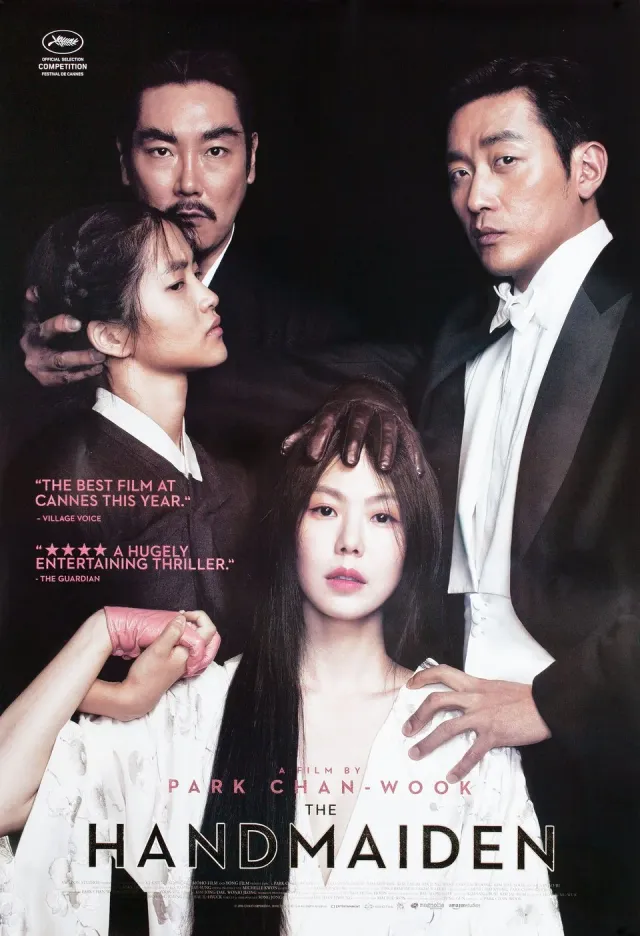
What changes Thirst: medical transformation, domestic moral conflict and violent supernatural collapse. The Handmaiden: layered and revelatory.
In Japanese-occupied Korea, a pickpocket is hired to serve a wealthy heiress as part of a con man’s plan to take her inheritance. The scheme becomes harder to control as the women develop a private attachment and the story revisits key events from opposing perspectives. Park Chan-wook shapes the period thriller around deception, desire and the power to reclaim a story from people who try to control it.
Based on recorded story, mood and style. Your preferences can change the order.
What changes Thirst: medical transformation, domestic moral conflict and violent supernatural collapse. Jennifer's Body: nonlinear and brisk.
A popular teenager returns from a disastrous concert with an appetite that turns the boys around her into prey. Her less confident best friend gradually learns that a band's bid for fame transformed an already unequal bond into a supernatural crisis. Trying to protect a boyfriend makes affection, jealousy and fear collide rather than separate neatly into loyalty and opposition. The horror comedy links the consumption of young people by celebrity ambition with a friendship in which attraction and control have long been difficult to distinguish.
Based on recorded story, mood and style. Your preferences can change the order.
Survival
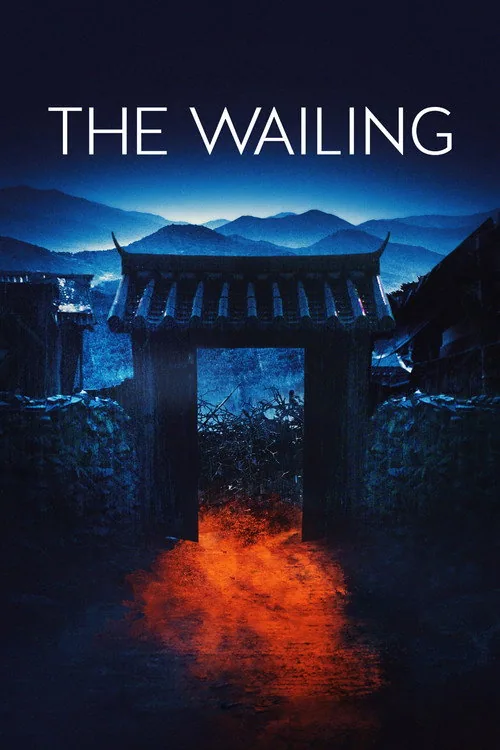
What changes Thirst: medical transformation, domestic moral conflict and violent supernatural collapse. The Wailing: a village policeman tries to save his daughter while investigating violent illnesses linked to a mysterious newcomer..
In the mountain village of Gokseong, a series of bizarre illnesses and family killings follows the arrival of a Japanese stranger. Police officer Jong-goo investigates as the violence reaches his daughter, Hyo-jin, and encounters competing explanations from a mysterious local woman and a shaman hired to protect the family. Each new clue shifts suspicion among the stranger, the shaman, and the villagers themselves. Na Hong-jin’s Korean supernatural horror film uses a police investigation to sustain uncertainty about possession, belief, and the source of an outbreak.
Based on recorded story, mood and style. Your preferences can change the order.
Memory and identity
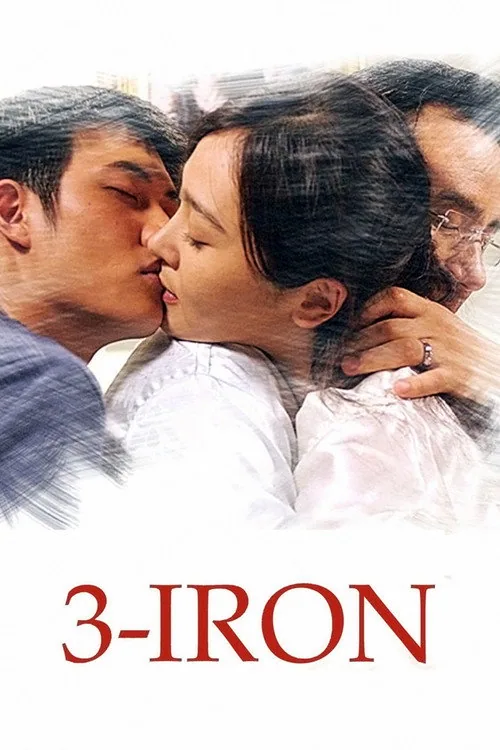
What changes Thirst: medical transformation, domestic moral conflict and violent supernatural collapse. 3-Iron: quiet ritualistic movement, sudden acts of violence and ambiguous conclusion.
Tae-suk rides through the city leaving menus on doors and entering homes that appear unoccupied. He quietly inhabits each place, repairing objects and doing laundry before moving on. In one house he finds Sun-hwa, an abused former model whose husband controls her, and the two leave together without speaking much. Their strange partnership leads to a fragile life between other people's homes, while Tae-suk's silent acts make presence, absence, and freedom central to the film.
Based on recorded story, mood and style. Your preferences can change the order.
Memory and identity
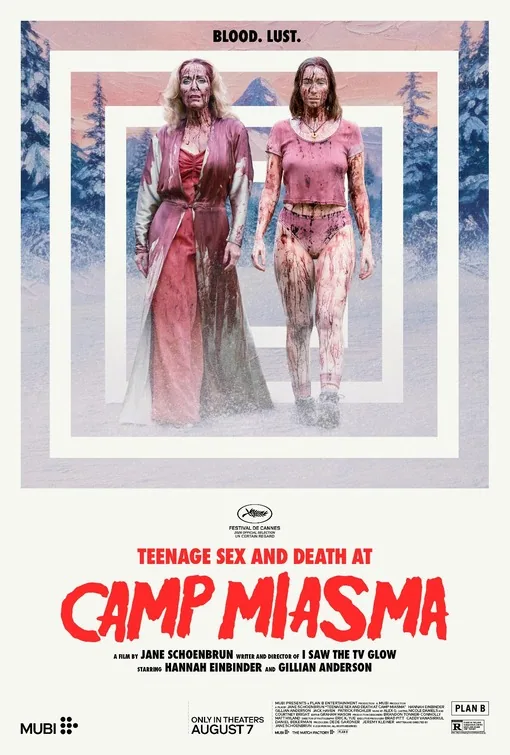
What changes Thirst: medical transformation, domestic moral conflict and violent supernatural collapse. Teenage Sex and Death at Camp Miasma: a film-within-a-film setup folds into a slasher mystery.
A filmmaker joins the production of a long-running slasher franchise about a camp haunted by a drowned child. The project’s history and its recurring villain become part of the film’s story as old creative conflicts and new violence emerge. The meta-horror examines who controls a franchise and how horror conventions can be repeated, revived, or challenged, placing filmmaking ambition alongside the familiar threat of a masked killer.
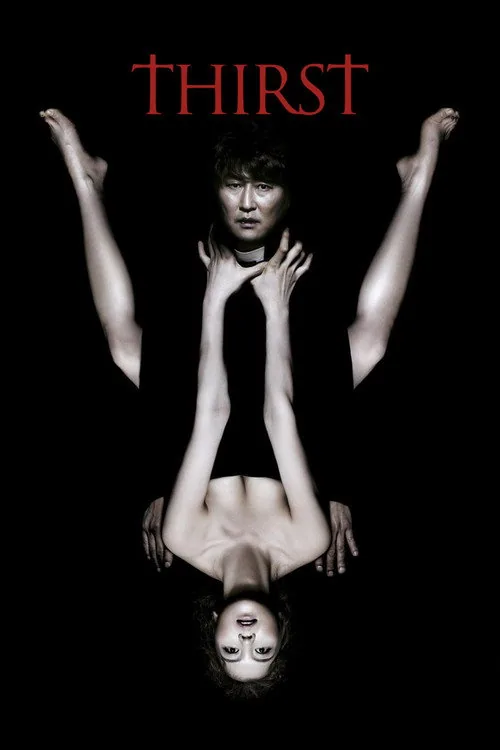
Catholic priest Sang-hyun volunteers for an experiment seeking a vaccine for a deadly virus, but the trial kills him before a blood transfusion unexpectedly restores him. The recovery draws crowds who see him as a healer, while he becomes increasingly drawn to Tae-ju, the wife of a childhood friend. His new appetite for blood and the couple's escalating choices reshape his religious life and their household. Park Chan-wook's horror romance mixes vampire mythology, desire, guilt, and dark comedy in a contemporary Korean setting.
What drives the story
Sang-hyun's miraculous recovery leaves him with a hunger that intensifies as his attraction to Tae-ju grows.
The people at its centre
His priestly identity and Tae-ju's desire for escape shape an affair that becomes both liberating and destructive.
What it feels like
A formally inventive vampire film combines religious conflict, erotic tension, absurd humor, and graphic horror.
Worth knowing
Its vampire premise is reworked through priesthood and marital betrayal, rather than the mythology of an ancient aristocratic predator.
faith and desireguilt and transformationlife and death
Mood
sensual · grotesque · darkly comic
Pacing
medical transformation · domestic moral conflict · violent supernatural collapse
Visual style
rich red and shadow palette · religious and medical imagery · stylized body horror
Storytelling
priest survives experimental infection · vampirism changes religious and romantic life · affair escalates into murder and guilt