A retired intelligence officer reconstructs a failed operation to expose a mole hidden among the service’s most senior figures.
Why this matches +
Selected for the central appeal: Cold War espionage dramas about unreliable sources, international networks and political pressure.
Genres: Drama / Thriller
Shared film traits
Based on recorded story, mood and style. Your preferences can change the order.
Investigation · Espionage and covert operations
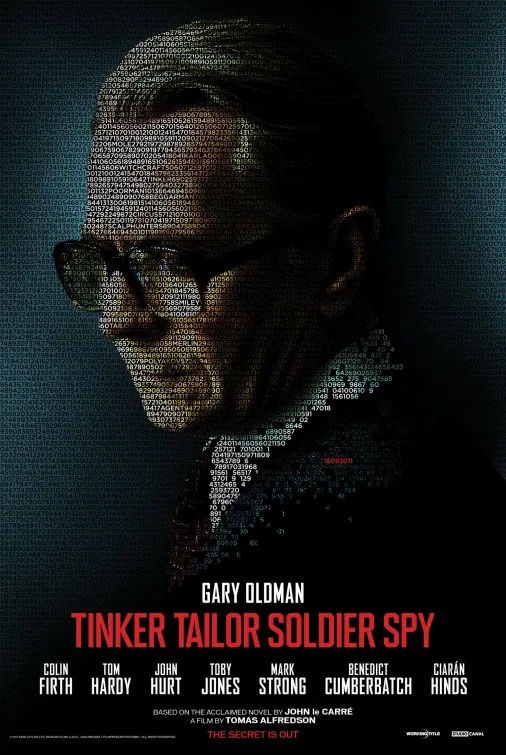
What changes Tinker Tailor Soldier Spy follows an intelligence officer tracing a concealed spy network through compromised relationships.
After a failed operation in Budapest, British intelligence suspects that a Soviet mole has reached the highest levels of the service. Retired officer George Smiley is quietly brought back to examine the evidence and identify which senior men can still be trusted. His investigation moves through fragmented memories, interviews and old case files rather than a sequence of action missions. Field agent Jim Prideaux’s experience of the failed operation gives the inquiry an emotional cost, while Smiley’s own history with his rival Karla complicates his return to a world built on concealment. Smiley’s marriage and long rivalry with Karla haunt the investigation, though the mole case remains his immediate problem.
A physicist’s apparent defection is a cover for extracting information, but the deception pulls his partner into danger and forces constant improvisation.
Why this matches +
Selected for the central appeal: Cold War espionage dramas about unreliable sources, international networks and political pressure.
Genres: Thriller / Political thriller
Shared film traits
Based on recorded story, mood and style. Your preferences can change the order.
Both directed by Alfred Hitchcock.
Investigation · Espionage and covert operations
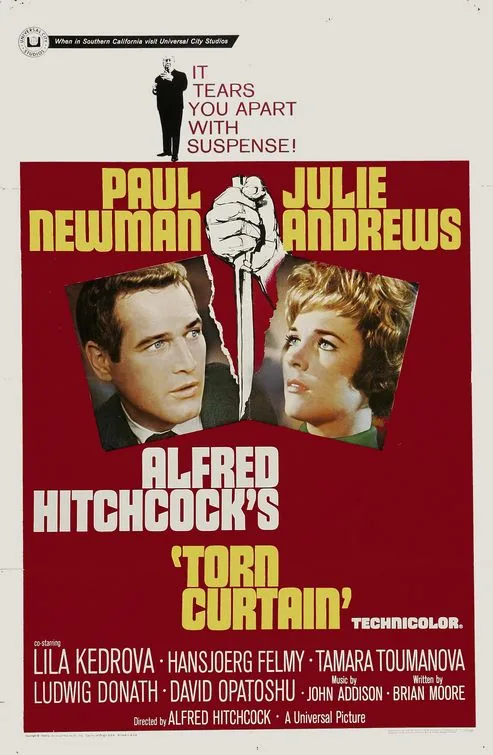
What changes Torn Curtain follows Hitchcockian Cold War espionage in which political loyalties endanger intimate relationships.
American physicist Michael Armstrong appears to defect to East Germany with his assistant and fiancée Sarah Sherman, but his real purpose is to reach a scientist who may help him solve a crucial technical problem. Once across the border, Michael has to keep his cover from the security services while Sarah discovers that she cannot treat his mission as a private professional decision. Their attempt to leave with the information turns espionage into a chain of hurried improvisations and mistrust. The film’s central suspense comes from how long a convincing lie can survive under scrutiny. Sarah’s decision to accompany Michael shifts from an act of loyalty into a question of whether either can trust the other’s account.
Wynne’s repeated trips carry intelligence between Penkovsky and Western agencies as the Cuban Missile Crisis raises the stakes.
Why this matches +
Selected for the central appeal: Cold War espionage dramas about unreliable sources, international networks and political pressure.
Genres: Drama / Thriller
Shared film traits
Based on recorded story, mood and style. Your preferences can change the order.
Investigation
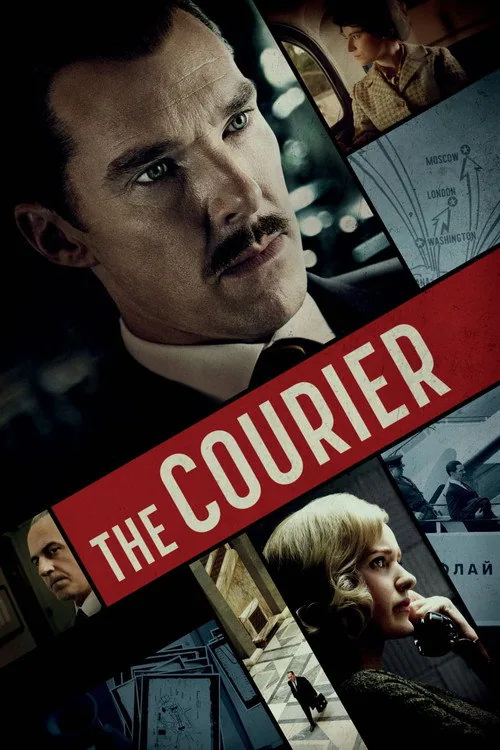
What changes The Courier follows a civilian drawn into intelligence gathering during the Cuban Missile Crisis.
In the early 1960s, British businessman Greville Wynne is recruited by MI6 and the CIA to carry messages between Moscow and the West. His contact is Oleg Penkovsky, a Soviet intelligence officer worried about escalating nuclear danger. Wynne’s ordinary business trips provide cover, but the work strains his family life and brings increasing attention from Soviet security services. Based on a real espionage operation, the historical thriller centers on the unlikely partnership between two civilians and the personal cost of helping prevent a wider crisis.
A principled defense creates the relationship and institutional position through which an unofficial negotiator can challenge the unequal treatment of people in a prisoner exchange.
Why this matches +
These offer a related experience with a meaningful difference in story, tone, or presentation.
An adjacent discovery: a related idea with a different viewing experience.
Genres: Drama / Thriller
Shared film traits
Based on recorded story, mood and style. Your preferences can change the order.
Espionage and covert operations
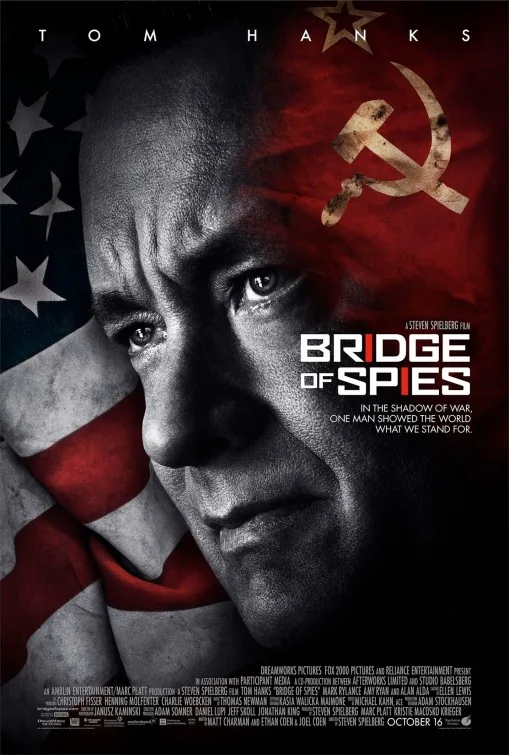
What changes Bridge of Spies examines Cold War intelligence negotiations and the human consequences of political alliances.
An American lawyer agrees to defend an accused Soviet spy at a moment when public fear makes professional duty appear disloyal. His insistence on legal protections later becomes part of an unofficial effort to exchange prisoners across a divided Berlin. Negotiating among authorities with different needs requires maintaining attention to individuals whom strategic accounts would prefer to treat as unequal assets, making consistency a practical risk rather than merely an admirable statement.
incomplete intelligence and a deadline narrowing political choices. This pressure determines what the protagonist must do next and which risks become unavoidable.
Why this matches +
These offer a related experience with a meaningful difference in story, tone, or presentation.
An adjacent discovery: a related idea with a different viewing experience.
Genres: Drama / History
Shared film traits
Based on recorded story, mood and style. Your preferences can change the order.
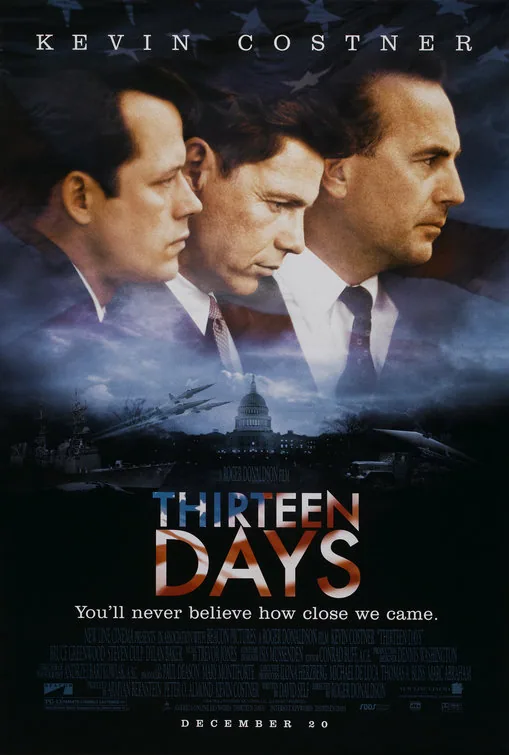
What changes Thirteen Days dramatizes the political decisions surrounding the Cuban Missile Crisis.
During the Cuban Missile Crisis, President Kennedy and his advisers confront evidence that Soviet missiles are being installed in Cuba. Meetings, intelligence reports and military recommendations make the danger immediate as the White House weighs a response that could trigger wider war. This historical drama concentrates on deliberation and communication, showing how uncertainty shapes decisions under an unforgiving deadline.
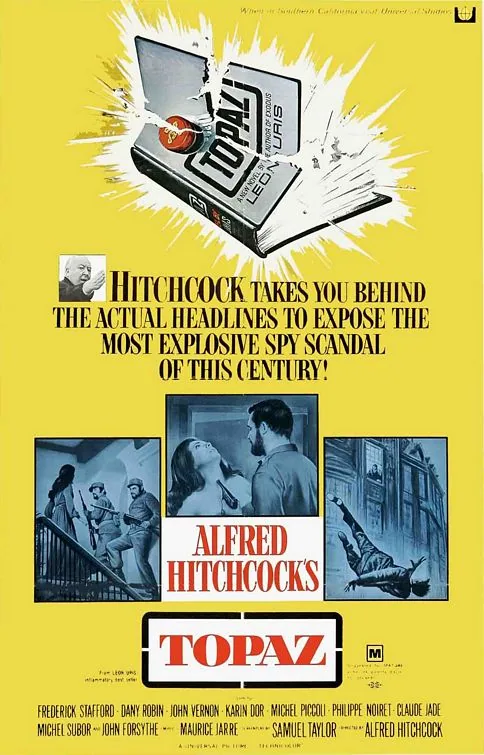
During the Cuban Missile Crisis, French intelligence officer André Devereaux is approached by a defecting Soviet agent and becomes involved in tracing a spy network linked to the crisis. His work takes him from Copenhagen toward Cuba and Washington, while his family and professional relationships are pulled into the consequences of intelligence gathering. An American agent helps direct the inquiry, but political alliances make information unreliable and turn exposure into a personal danger. Hitchcock frames espionage as a chain of compromised trust rather than a single hero’s technical mastery. Different intelligence services and unreliable contacts make the plot less a single spy hunt than a widening systems investigation.
What drives the story
A defector’s information draws a French officer into uncovering a Soviet network while the Cuban Missile Crisis raises the cost of delay.
The people at its centre
Devereaux’s professional judgment competes with his family obligations, and the spy ring’s presence inside trusted institutions makes loyalty difficult to read.
What it feels like
The film uses a broad international itinerary and procedural investigation, with suspense built from betrayals and diplomatic maneuvering rather than a single chase.
Worth knowing
For viewers interested in Cold War espionage and political investigation. It is more diffuse and procedural than Hitchcock’s tightest suspense thrillers.