Based on recorded story, mood and style. Your preferences can change the order.
Work and ambition · Social hierarchy
What changes Unfrosted: rapid, sketch-like and gag-dense. The Beanie Bubble: episodic, time-jumping, ensemble-led and comic.
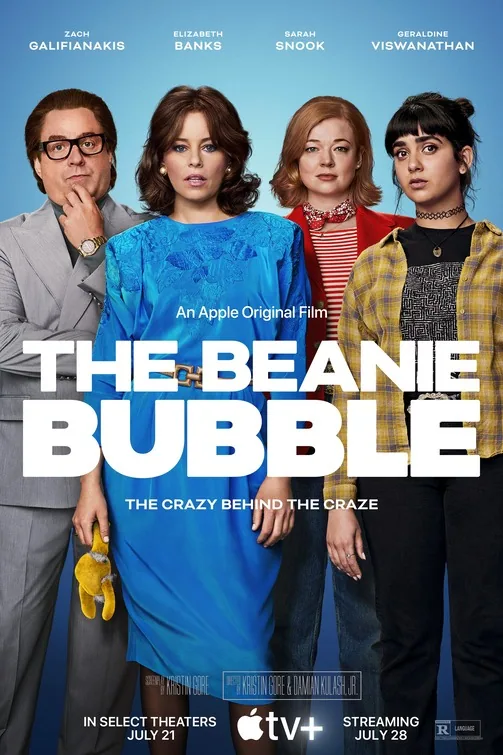
The rise of Beanie Babies in the 1990s is told through Ty Warner and the women whose ideas and work helped turn the toys into collectible phenomena. Sheila, Robbie and Maya contribute different forms of emotional storytelling, retail strategy and product development, while Warner’s ambition shapes the company’s changing fortunes. The comedy-drama uses shifting perspectives and period details to examine the people behind a craze that became both a business and a cultural fixation.
Based on recorded story, mood and style. Your preferences can change the order.
What changes Unfrosted: rapid, sketch-like and gag-dense. Epic Movie: a golden ticket contest sends four strangers into a parody kingdom with a familiar fantasy villain..
Four unrelated young people discover Golden Tickets and are brought together at Willy’s Chocolate Factory, where they learn that Willy plans to use them as an ingredient. After escaping through a wardrobe into the snowy kingdom of Gnarnia, they join Mr. Tumnus and Harry Beaver in a fight against the White Bitch. Jason Friedberg and Aaron Seltzer’s parody assembles jokes and references from contemporary fantasy, adventure, and comedy hits, following the loose shape of an ensemble quest rather than sustaining one target or comic style.
Based on recorded story, mood and style. Your preferences can change the order.
What changes Unfrosted: rapid, sketch-like and gag-dense. Dinner for Schmucks: escalating and character-led.
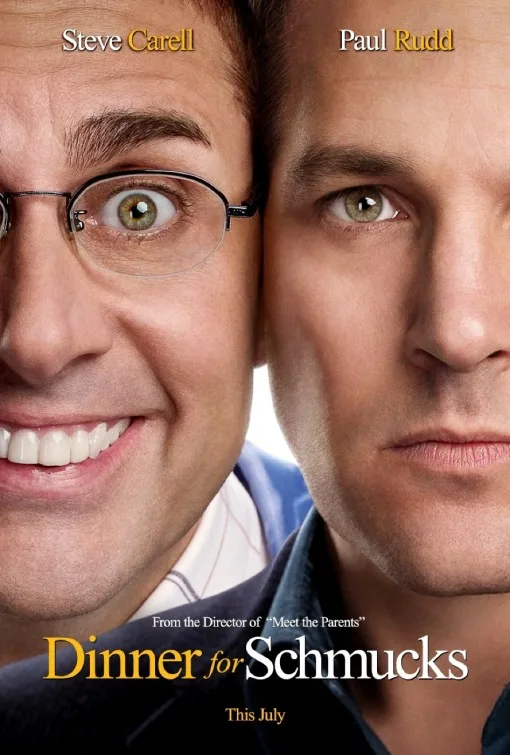
Tim’s chance at a corporate promotion comes with an invitation to a dinner where executives ridicule the eccentric guests employees bring along. He invites Barry, a taxidermist whose unusual creations and boundless enthusiasm disrupt the evening and Tim’s carefully managed life. As the scheme expands, the comedy tests whether ambition can coexist with empathy for someone treated as a joke.
Based on recorded story, mood and style. Your preferences can change the order.
Constructed reality
What changes Unfrosted: rapid, sketch-like and gag-dense. Wag the Dog: schematic and escalating deception.
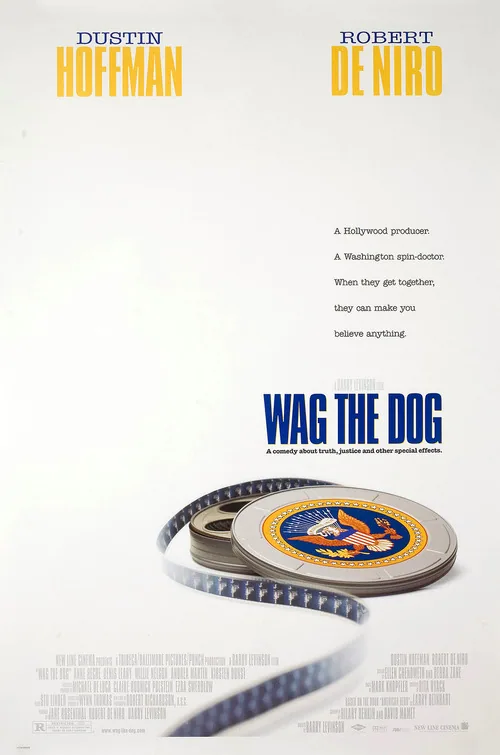
With a presidential sex scandal threatening an election, political consultant Conrad Brean hires Hollywood producer Stanley Motss to invent a distant war that can redirect the news. Motss treats the crisis as a production problem, assembling images, slogans, music and a fictional hero with the same craft he would use for a movie. Brean manages government messaging while the fabricated conflict begins to acquire an independent life in the media. The film’s comedy comes from watching public belief depend on the details of a story that exists mainly because two professionals know how to stage it. As the campaign grows, it becomes less controllable, even for the people who made it. The satire targets both political spin and entertainment’s ability to make images feel like evidence.
Based on recorded story, mood and style. Your preferences can change the order.
Work and ambition · Social hierarchy
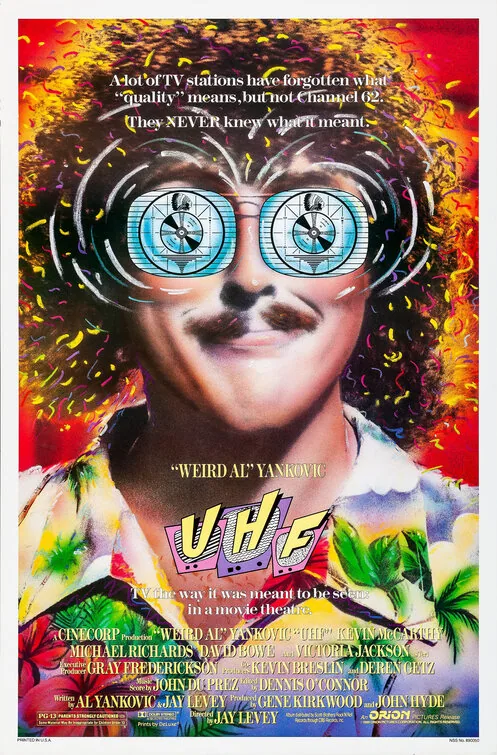
What changes Unfrosted: rapid, sketch-like and gag-dense. UHF: sketch-like parody episodes linked by a workplace rivalry and threatened takeover.
George Newman, a daydreaming underachiever, takes charge of a failing Tulsa UHF station owned by his uncle. He and his friend Bob try conventional programming without success, then discover that viewers respond to janitor Stanley Spadowski’s exuberant children’s show and the station’s oddball creations. As ratings rise, rival station owner R. J. Fletcher retaliates and threatens to take over the property. George must keep the station alive by rallying its staff and viewers. The film strings together parody programs and comic set pieces around a scrappy workplace trying to survive against a richer competitor.
Based on recorded story, mood and style. Your preferences can change the order.
Work and ambition · Constructed reality
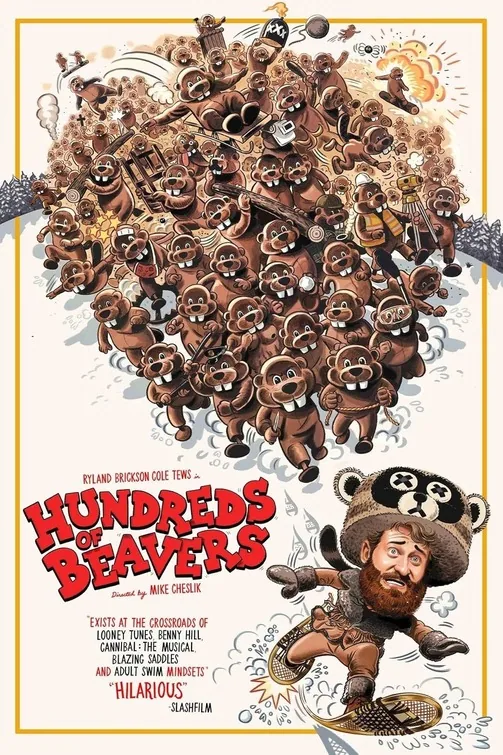
What changes Unfrosted: rapid, sketch-like and gag-dense. Hundreds of Beavers: episodic, gag-driven and escalating.
In a silent, black-and-white frontier world, applejack salesman Jean Kayak loses his livelihood and becomes a trapper in order to earn enough to court a merchant's daughter. His pursuit of hundreds of beavers unfolds as a series of increasingly elaborate gags, improvised devices and setbacks. Mike Cheslik's feature uses handmade effects and cartoon logic to build a slapstick survival quest that draws on early silent comedy and videogame-like problem solving.
Based on recorded story, mood and style. Your preferences can change the order.
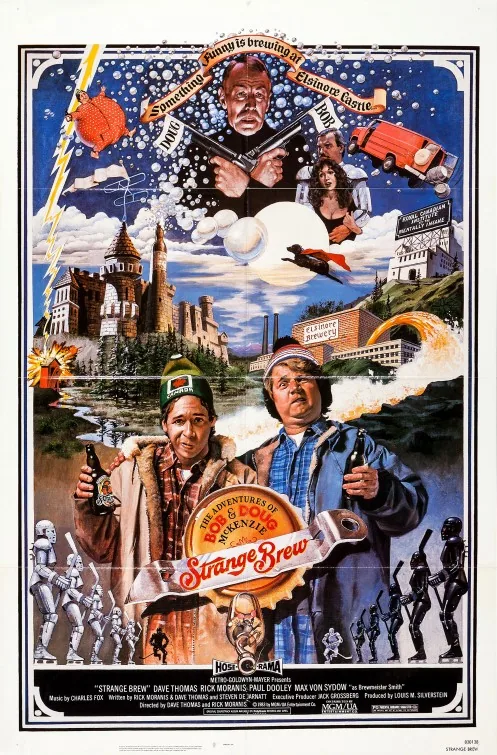
What changes Unfrosted: rapid, sketch-like and gag-dense. Strange Brew: sketch-like misadventures link into a brewery caper.
Canadian brothers Bob and Doug McKenzie seek work at a brewery and become entangled in a scheme involving the plant's powerful owner and its beer. Their hapless attempts to understand the operation bring them into conflict with corporate deception and a brewing conspiracy. Adapted from the duo's comic television sketches, the film uses their beer-fueled misunderstandings to shape a deliberately loose, affectionate comedy.
Based on recorded story, mood and style. Your preferences can change the order.
Work and ambition · Social hierarchy
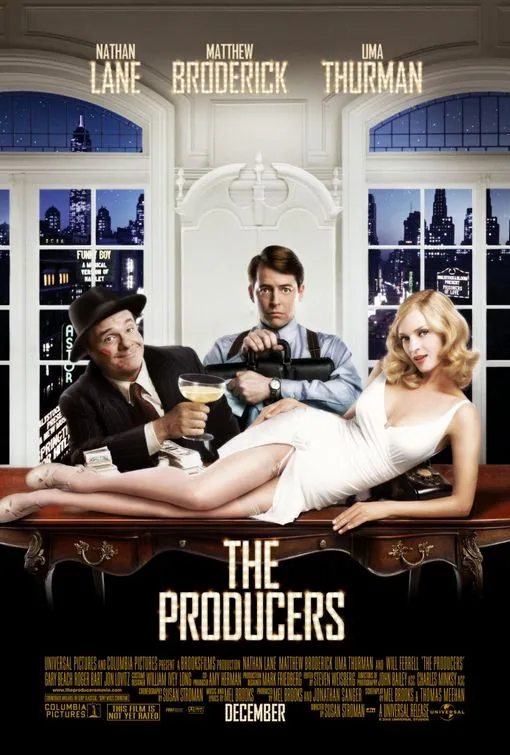
What changes Unfrosted: rapid, sketch-like and gag-dense. The Producers: casting and rehearsal and opening night push the fraudulent plan from a private scheme into an uncontrollable spectacle.
After a Broadway flop, producer Max Bialystock hires accountant Leo Bloom, who notices that a deliberately unsuccessful show could make money through excess investment. Max persuades the anxious Leo to form a partnership and find the worst play they can produce. They choose Springtime for Hitler, written by former Nazi Franz Liebkind, and hire director Roger De Bris, expecting outrage to close the show. Instead the musical becomes an unexpected hit, turning the pair’s fraud into a public success they cannot control.
Based on recorded story, mood and style. Your preferences can change the order.
Work and ambition
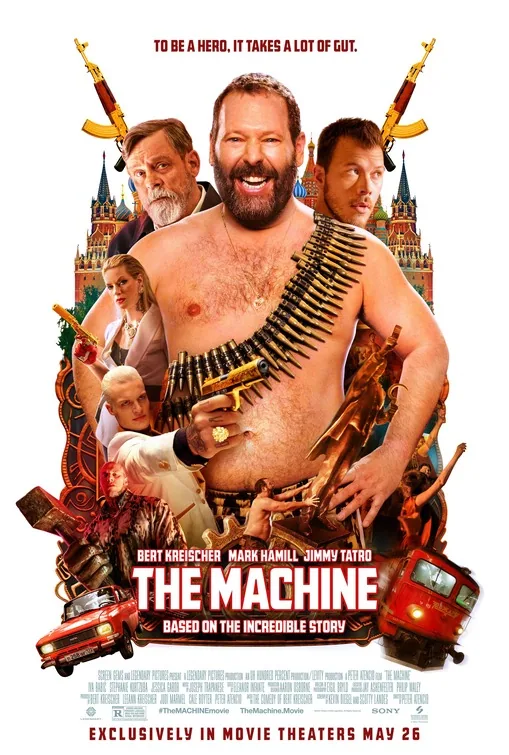
What changes Unfrosted: rapid, sketch-like and gag-dense. The Machine: fast, action-driven, comic and flashback-structured.
Stand-up comedian Bert Kreischer has built a career around recounting a wild college trip to Russia, where he became known as “The Machine.” Years later, the old story returns when his estranged father and family are pulled into a confrontation with people connected to that journey. Peter Atencio’s action comedy blends the performer’s stage persona with a fictionalized crime adventure about sobriety, parenting and the gap between a public tall tale and adult responsibility.
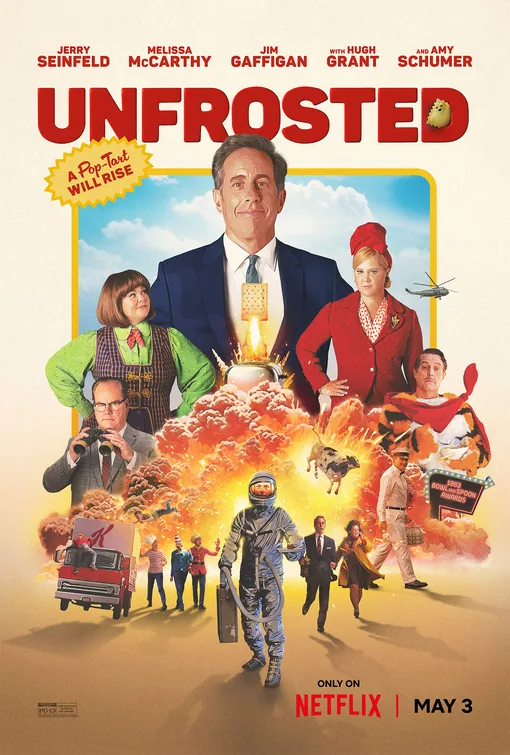
In 1963, rival cereal companies race to create a new breakfast pastry that could transform supermarket shelves. Kellogg's executive Bob Cabana is drawn into a contest involving corporate ambition, food science, advertising and a colorful collection of historical figures. Jerry Seinfeld's comic fable turns the Pop-Tart origin story into an exaggerated period satire, using a fictionalized business rivalry to lampoon mid-century marketing and the mythology of American innovation.
What drives the story
Two cereal companies race to invent a shelf-stable pastry before their competitor can dominate breakfast.
The people at its centre
Cabana balances corporate loyalty with a growing recognition that the contest is driven by spectacle.
What it feels like
Rapid cameos and comic inventions make historical accuracy secondary to playful business parody.
Worth knowing
The film uses a fanciful premise rather than presenting a documentary account of the Pop-Tart.