Explore films connected to Waking Life through consciousness and reality, free will, meaning and identity. Choose the qualities you want to carry into your next watch.
What should feel similar?
Find your next favourite
9 films · Closest overall matches
Hide films you’ve seen or don’t want. Saved on this device.
No matches for this combination yet.
Try another option or reset your choices to see more films.
Based on recorded story, mood and style. Your preferences can change the order.
Dream worlds · Memory and identity
What changes Waking Life: wandering and conversational and open-ended. Paprika: a stolen device causes separate dreams to spill into a shared public crisis..
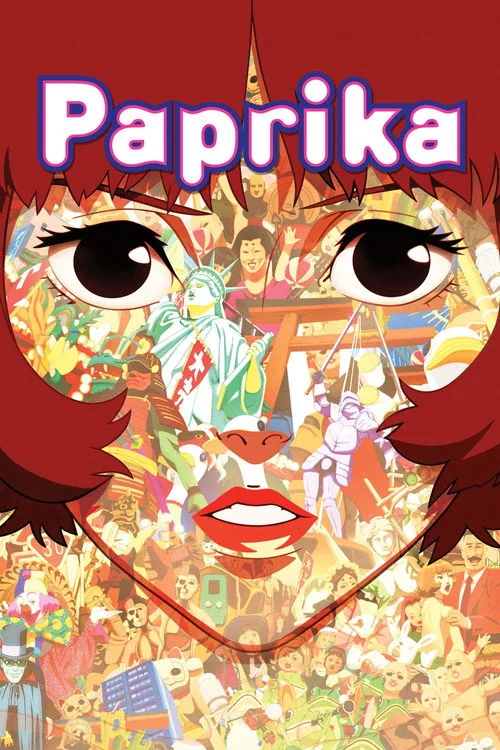
Psychiatrist Atsuko Chiba secretly uses the DC Mini, a device that lets her enter patients’ dreams as the detective Paprika. When prototypes are stolen and dream imagery begins spilling into the waking world, she and her colleagues trace the damage through a series of strange psychological cases. Satoshi Kon’s animated thriller treats dreams as both a clinical tool and a vulnerable shared space, cutting between identities and realities with fluid visual transformations. A detective’s recurring dream connects the technological investigation to a buried personal memory.
Based on recorded story, mood and style. Your preferences can change the order.
Dream worlds · Memory and identity
What changes Waking Life: wandering and conversational and open-ended. The Red Turtle: quiet, contemplative and long-spanning.
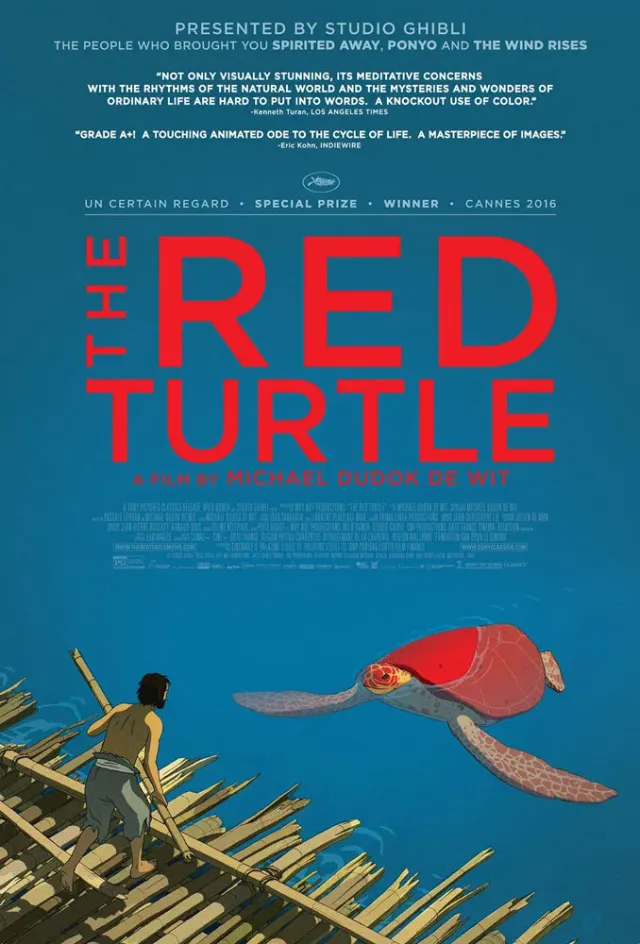
A man is stranded on an uninhabited island after a storm and repeatedly tries to escape on rafts he builds from bamboo. An unseen force destroys each attempt, until he encounters a red turtle that changes the direction of his life. The island gradually becomes a place where he forms a family and watches the rhythms of nature and aging. Michael Dudok de Wit’s animated fable tells its story without spoken dialogue, using movement, sound and landscape instead.
Based on recorded story, mood and style. Your preferences can change the order.
Memory and identity
What changes Waking Life: wandering and conversational and open-ended. Little Amélie or the Character of Rain: episodic, observational and gently unfolding.
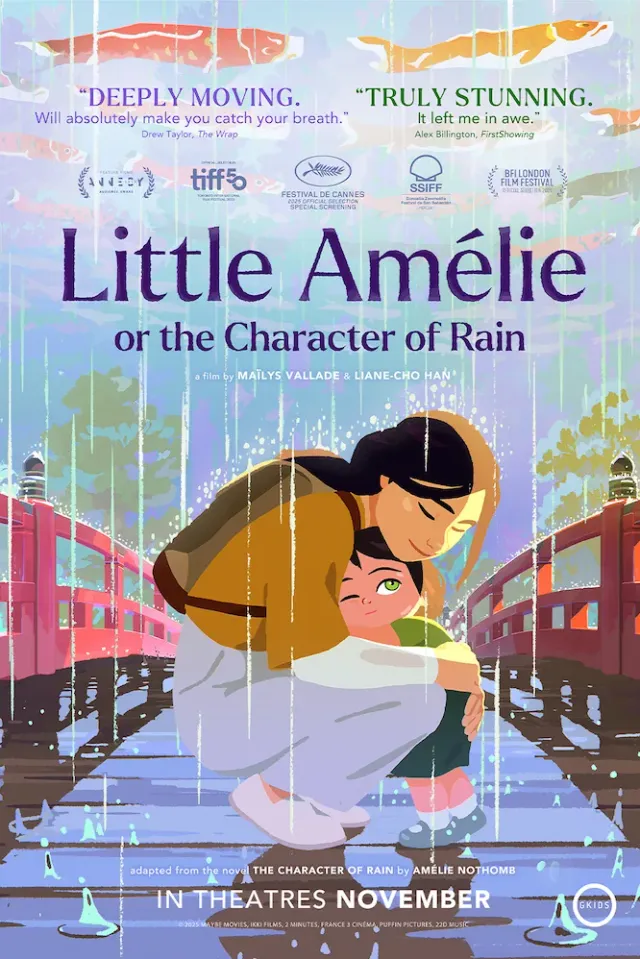
Based on Amélie Nothomb's autobiographical writing, the animated film follows a Belgian child living in Japan during her earliest years. At first she experiences the world through intense sensations and limited language, then gradually notices family relationships, customs and the meaning of being part of a household. The story turns early childhood into a vivid process of discovery, using a young child's point of view to connect personal memory with place.
Based on recorded story, mood and style. Your preferences can change the order.
Dream worlds
What changes Waking Life: wandering and conversational and open-ended. Heavy Metal: segmented, rapidly shifting, high-energy and anthology rhythm.
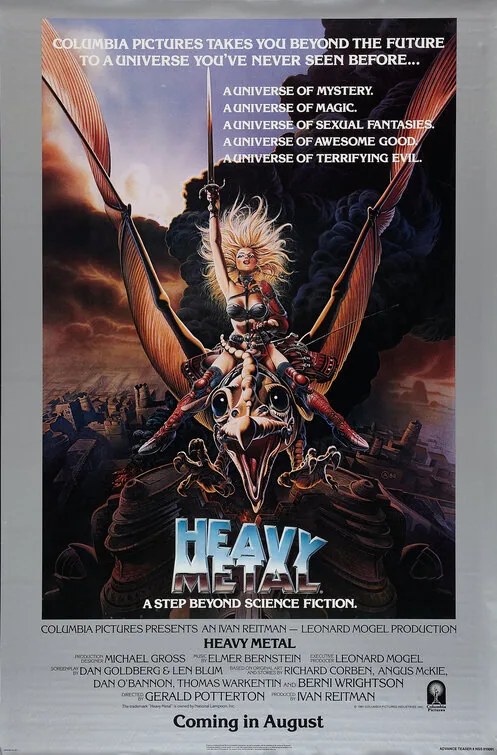
A mysterious glowing sphere called the Loc-Nar arrives in a suburban home and reveals itself to a frightened young girl by dissolving her father. It then serves as the frame for a series of animated stories set in radically different worlds. Across the episodes, an astronaut, a warrior, a cab driver, and other characters encounter the sphere’s influence in science-fiction, fantasy, and dark comedy. The segments vary in style and tone but share an adult-oriented visual language of comic-book action, erotic imagery, and graphic danger. The anthology’s changing stories make the Loc-Nar less a single villain than a device connecting strange possibilities.
Based on recorded story, mood and style. Your preferences can change the order.
Dream worlds · Memory and identity
What changes Waking Life: wandering and conversational and open-ended. Arco: adventure-led and gently reflective.
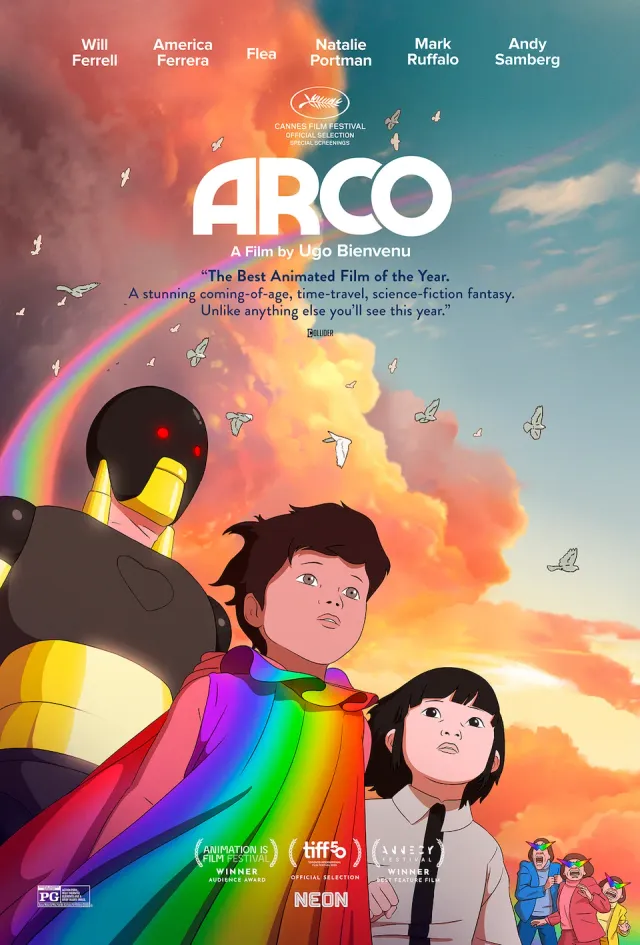
In a distant future, a young boy named Arco accidentally travels back to a climate-changed Earth in 2075. He meets Iris, a girl living with her family in a world altered by environmental damage, and the two try to find a way for him to return home. Ugo Bienvenu's animated science-fiction story connects childhood friendship with questions about ecological loss and the possible futures inherited by children.
Based on recorded story, mood and style. Your preferences can change the order.
Memory and identity
What changes Waking Life: wandering and conversational and open-ended. The End of Evangelion: military action opening, abrupt shifts into abstraction and surreal culmination.
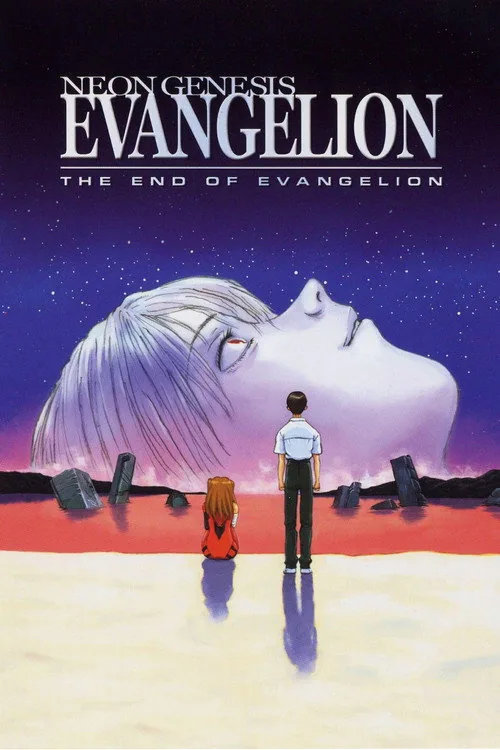
As the secret organization SEELE launches an assault on NERV, operations director Misato searches for Shinji Ikari while the teenage pilots confront the collapse of their world. SEELE intends to trigger Human Instrumentality, a process that would merge human consciousness, while Shinji’s emotional crisis shapes what happens next. Hideaki Anno’s animated film provides a feature-length ending to the television series, expanding its final events into apocalyptic action and intensely subjective imagery. It assumes familiarity with the series and contains disturbing violence and psychological distress.
Based on recorded story, mood and style. Your preferences can change the order.
What changes Waking Life: wandering and conversational and open-ended. 9: propulsive and quest-driven.
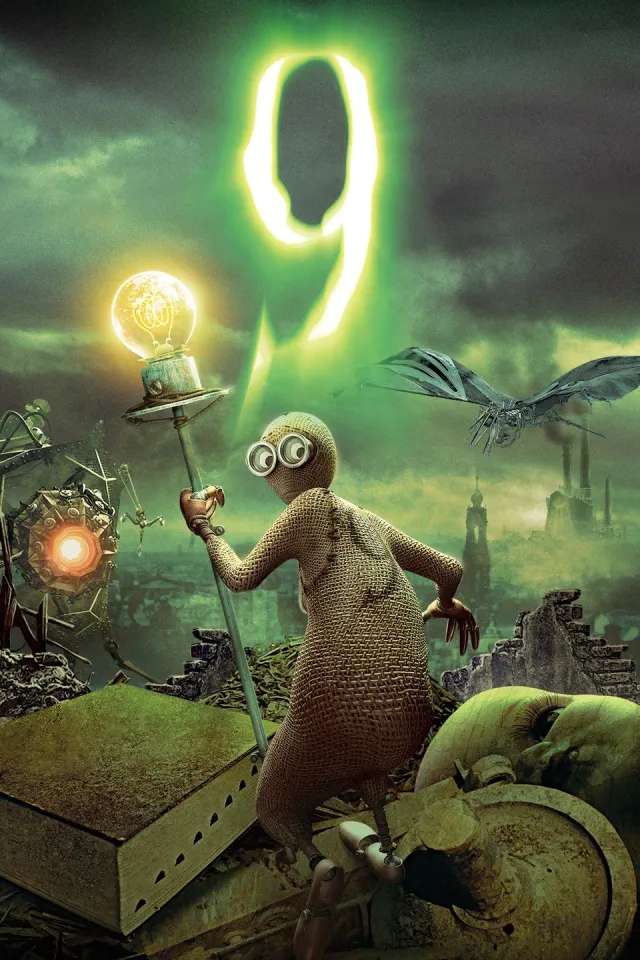
After a mechanical being awakens in a ruined world, it discovers other artificial survivors hiding from a powerful machine that has devastated civilization. The group’s conflict centers on how to protect one another while uncovering what happened to humanity. This animated science-fiction film combines post-apocalyptic action with a story about memory, cooperation and the ethics of creating life.
Based on recorded story, mood and style. Your preferences can change the order.
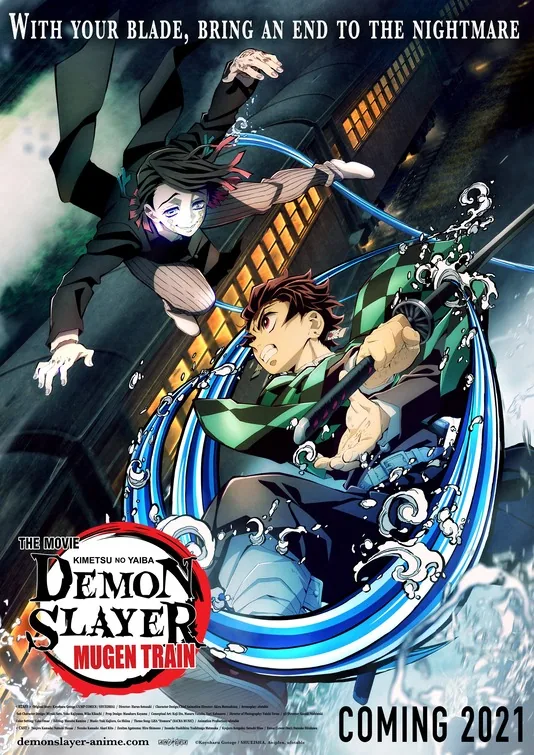
What changes Waking Life: wandering and conversational and open-ended. Demon Slayer: Kimetsu no Yaiba the Movie: Mugen Train: mission-driven and escalating.
Tanjiro, Nezuko and their companions board the Mugen Train to help the Flame Hashira investigate a string of disappearances. Their task turns into a fight against a demon able to manipulate dreams, forcing each character to confront a wished-for version of life. Haruo Sotozaki carries the anime series into a feature-length battle, combining supernatural action with grief, family memory and a clear test of courage.
Based on recorded story, mood and style. Your preferences can change the order.
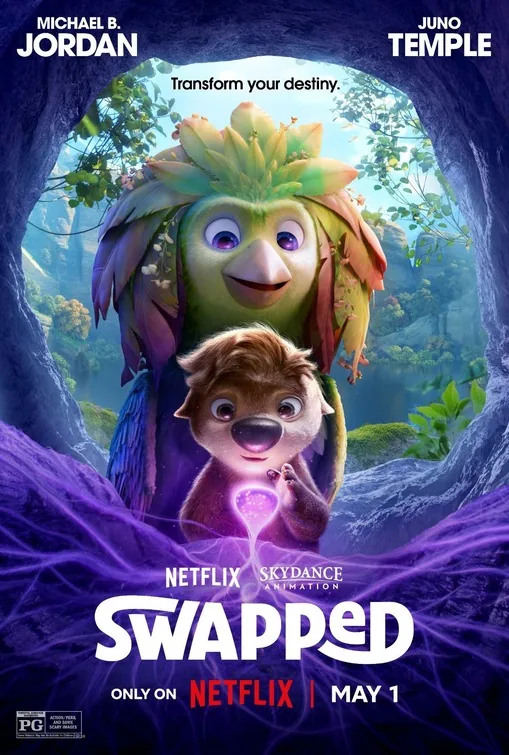
What changes Waking Life: wandering and conversational and open-ended. Swapped: comic escalation and adventure quest.
Two natural enemies swap bodies and must learn to work together to survive in a changing animal world. This animated comedy uses a body-swap premise to create visual jokes while giving its mismatched pair a shared survival goal. Their partnership grows through practical problem-solving and a new appreciation of the other's perspective, as each learns to navigate a dangerous world without relying on familiar instincts.
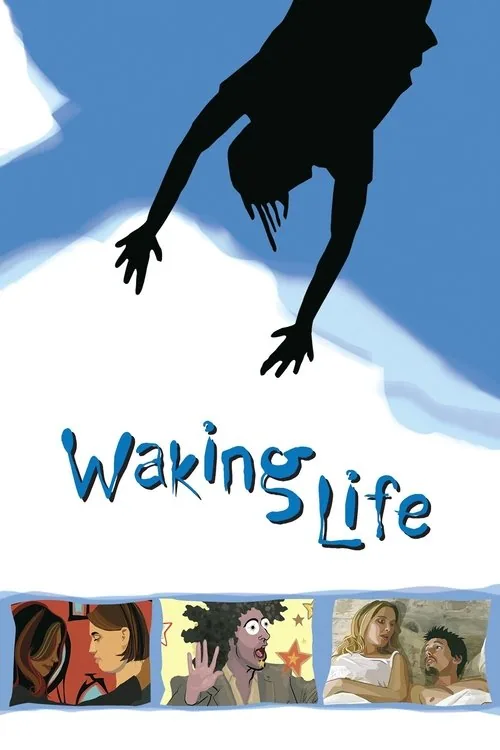
A young man drifts through a shifting dream world, meeting people who talk about consciousness, free will, identity, and the nature of existence. He moves from observing their conversations to taking part in them, while remaining unsure whether he is asleep, awake, or becoming lucid within a continuing dream. Richard Linklater’s animated film uses rotoscoping to transform live-action performances into fluid, constantly changing images. Its structure is less a conventional plot than a chain of philosophical encounters held together by one restless consciousness.
What drives the story
The protagonist’s movement through a continuing dream creates opportunities for new voices and ideas rather than a goal-oriented quest.
The people at its centre
Most relationships are brief encounters, with each conversation offering a different perspective rather than a lasting partnership.
What it feels like
Expect a reflective, talk-heavy animated film whose visual form changes constantly with its philosophical subject matter.
Worth knowing
Its structure is an essay-like dream journey, not a linear adventure or a science-fiction puzzle with a single answer.
consciousness and realityfree willmeaning and identity