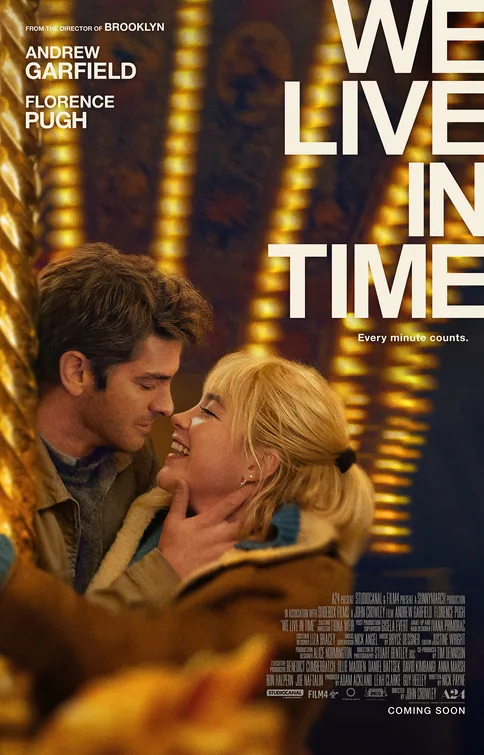
a new relationship interrupting a familiar pattern of short affairs
Why this matches +
These offer a related experience with a meaningful difference in story, tone, or presentation.
An adjacent discovery: a related idea with a different viewing experience.
Genres: Drama / Romance
Shared film traits
Based on recorded story, mood and style. Your preferences can change the order.
What changes An unexpected romance becomes more urgent as illness forces a couple to reconsider the time they have together.
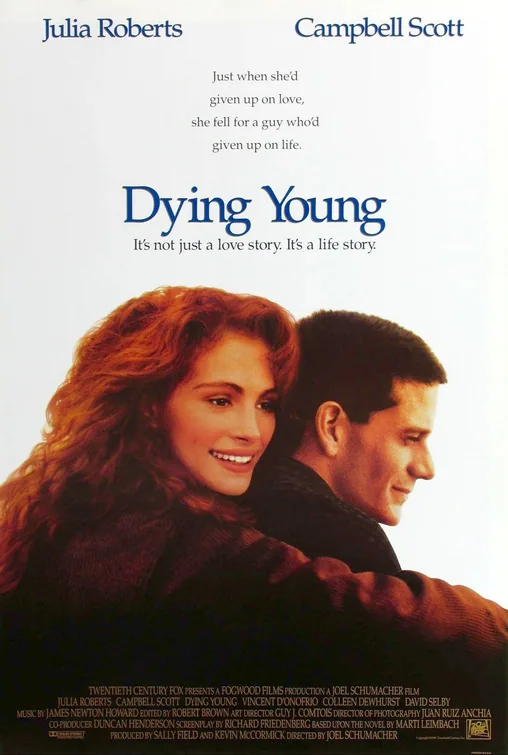
A charming New York restaurateur used to short relationships falls for a much younger woman living with a serious illness. Their connection asks him to move beyond familiar habits and face vulnerability, while her health makes their time uncertain. The romantic drama uses seasonal city beauty and intimate encounters to frame love as a decision made with mortality in view.
Two teenagers with cystic fibrosis fall in love while following rules that require them to remain apart.
Why this matches +
These offer a related experience with a meaningful difference in story, tone, or presentation.
An adjacent discovery: a related idea with a different viewing experience.
Genres: Drama / Romance
Shared film traits
Based on recorded story, mood and style. Your preferences can change the order.
What changes Young people facing serious illness form a relationship under restrictions that make ordinary intimacy more difficult.
Stella Grant manages cystic fibrosis through strict routines and careful distance from other patients. At the hospital she meets Will Newman, whose own treatment and outlook differ from hers, and their attraction grows despite rules meant to reduce infection risk. The story makes physical distance part of emotional intimacy, following the couple as they negotiate medical uncertainty, family concern and the costs of wanting ordinary teenage closeness.
A nursing job develops into a relationship shaped by illness and unequal vulnerability.
Why this matches +
These offer a related experience with a meaningful difference in story, tone, or presentation.
An adjacent discovery: a related idea with a different viewing experience.
Genres: Romance / Drama
Shared film traits
Based on recorded story, mood and style. Your preferences can change the order.
What changes A couple builds intimacy while confronting the emotional and practical demands of serious illness.
Hilary O'Neil accepts a job caring for Victor, a wealthy young man with leukemia whose family has hired her to provide practical support. Their initial distance changes as the routine brings attachment and conflict over what care can and cannot accomplish. The romance-drama follows the emotional limits of a caregiver relationship while balancing private tenderness with the illness that shapes their time together.
Two former classmates revisit their connection on one day each year.
Why this matches +
These offer a related experience with a meaningful difference in story, tone, or presentation.
An adjacent discovery: a related idea with a different viewing experience.
Genres: Romance / Drama
Shared film traits
Based on recorded story, mood and style. Your preferences can change the order.
Memory and identity
What changes A relationship is revisited across years, contrasting fleeting encounters with the lasting effects of love and loss.
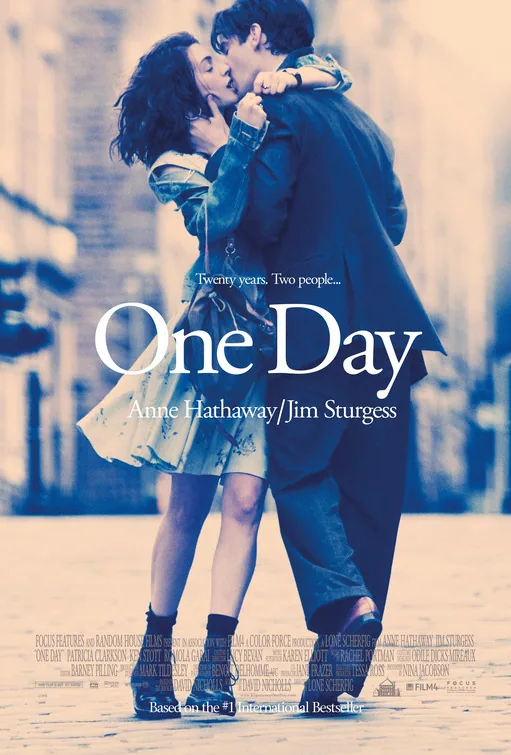
Emma Morley and Dexter Mayhew meet on the day of their university graduation and return to each other's lives on the same date over many years. Their circumstances change as careers, relationships and disappointments pull them in different directions, but the recurring meeting keeps revealing what has endured. Lone Scherfig adapts the romance as a time-spanning character study, letting missed chances and gradual maturity shape the emotional pattern.
The changing timeline makes memory itself part of the form through which the marriage is understood.
Why this matches +
These offer a related experience with a meaningful difference in story, tone, or presentation.
An adjacent discovery: a related idea with a different viewing experience.
Genres: Drama / Romance
Shared film traits
Based on recorded story, mood and style. Your preferences can change the order.
Memory and identity
What changes A long relationship is shown across different periods as illness changes the couple's daily life and shared memories.
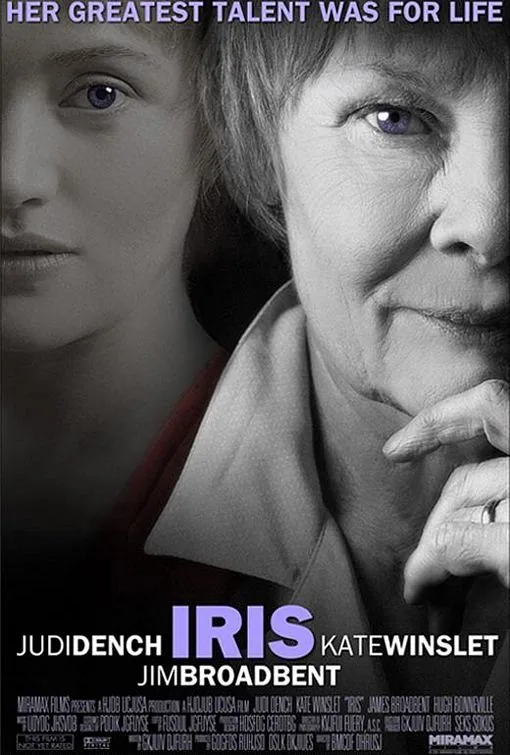
The film follows novelist Iris Murdoch and her husband John Bayley across their courtship and later years, when her developing dementia changes their shared life. Young Iris’s curiosity and unconventional energy are placed beside the painful limits that illness imposes on memory and communication. The story is a portrait of enduring attachment, shaped by shifts between the couple’s early intellectual intimacy and later caregiving.
Almut and Tobias meet through an unexpected accident and build a relationship that changes over time. Their story moves between moments of courtship, family life, and the consequences of Almut’s illness, showing how ordinary choices acquire new weight when time feels limited. The romance drama uses a non-linear structure to place memory and present intimacy beside one another, focusing on a couple’s efforts to make a life under changing circumstances.
What drives the story
The shifting chronology lets viewers feel memory as part of the couple’s present.
The people at its centre
Almut’s illness changes the practical shape of plans without erasing joy.
What it feels like
Tobias’s growth is expressed through care and participation in family life.
Worth knowing
The film finds emotional scale in repeated ordinary moments rather than grand gestures.
LoveTimeIllness
Mood
Tender · Melancholic · Hopeful
Pacing
A non-linear relationship story moves through overlapping life stages