Explore films connected to Wonder Wheel through desire, disillusionment, family resentment. Choose the qualities you want to carry into your next watch.
What should feel similar?
Find your next favourite
9 films · Closest overall matches
Hide films you’ve seen or don’t want. Saved on this device.
No matches for this combination yet.
Try another option or reset your choices to see more films.
Based on recorded story, mood and style. Your preferences can change the order.
Romance and intimacy · Family and care
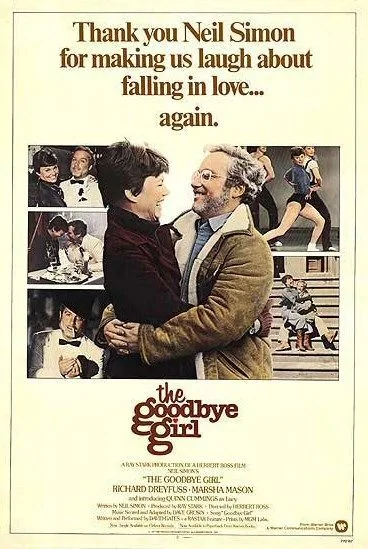
What changes Wonder Wheel: character-driven, episodic and emotional escalation. The Goodbye Girl: dialogue-driven, domestic and gradual.
After her boyfriend abandons her for a film job, single mother Paula McFadden discovers that he has sublet their Manhattan apartment to Elliot Garfield, an aspiring actor who arrives expecting to live there. With nowhere else to go, Paula and her young daughter share the space with Elliot, whose habits clash with theirs. Their uneasy arrangement gradually becomes affection as Paula rebuilds her confidence and Elliot pursues an important stage role.
Based on recorded story, mood and style. Your preferences can change the order.
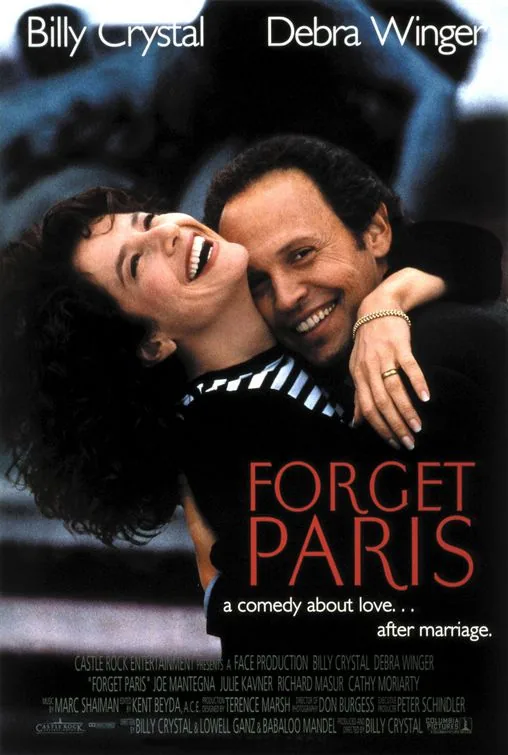
What changes Wonder Wheel: character-driven, episodic and emotional escalation. Forget Paris: episodic and conversation-led.
Mickey, a professional basketball referee, meets Ellen while traveling to Paris and begins a relationship that continues after they return home. Their marriage develops through everyday disagreements, work pressures and shifting expectations rather than one central crisis. The romantic comedy observes how two people interpret the same events differently and how affection survives ordinary irritation.
Based on recorded story, mood and style. Your preferences can change the order.
Romance and intimacy · Work and ambition
Expect wistful and romantic, with measured and character-led pacing.
Hilary manages a fading seaside cinema in 1980s Margate, where the daily routine is shaped by a domineering manager and by her own mental health struggles. New employee Stephen joins the staff, and the two develop a relationship amid racism, loneliness and a changing political climate. The old picture house becomes both a workplace and a refuge, giving Sam Mendes’s drama a setting where private lives, collective entertainment and the decline of a local institution meet.
Based on recorded story, mood and style. Your preferences can change the order.
Romance and intimacy · Family and care
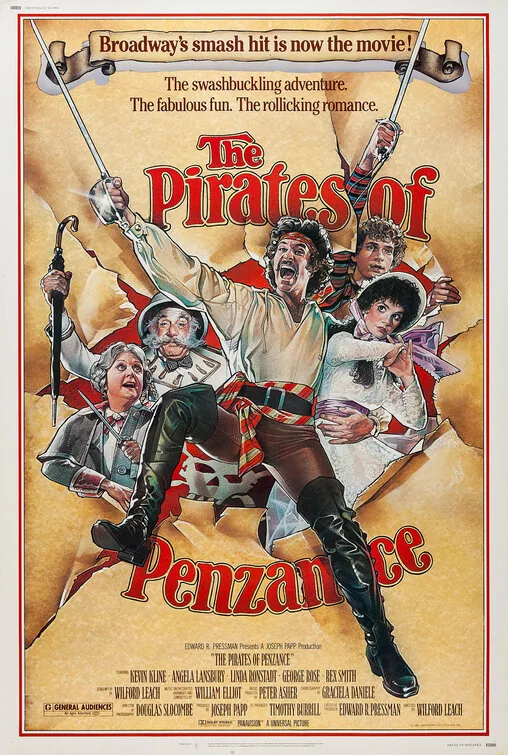
What changes Wonder Wheel: character-driven, episodic and emotional escalation. The Pirates of Penzance: song-driven, episodic, escalating reversals and celebratory finale.
Frederic reaches adulthood believing his apprenticeship to the Pirate King is finally over, only to learn that the nursemaid who placed him there misheard her instructions. Eager to leave piracy and live honestly, he meets Mabel, one of Major-General Stanley’s daughters, and falls in love. The Pirate King’s crew returns to claim the young women, while Stanley attempts to protect his family with a lie that plays on the pirates’ own code. Frederic recruits the local constabulary, but the contract’s leap-year clause threatens to keep him bound to his former companions for decades. The operetta’s romantic complications and legal absurdity eventually bring pirates, police and family into a comic confrontation.
Based on recorded story, mood and style. Your preferences can change the order.
What changes Wonder Wheel: character-driven, episodic and emotional escalation. Rumor Has It: comedy of inquiry, romantic turns and steady character-led flow.
Sarah Huttinger returns to Pasadena for her sister's wedding while uncertain about her own engagement. A family revelation leads her to suspect that her mother and grandmother inspired the people in a famous novel and film, so she seeks out a man connected to their past. The investigation turns into a personal test of what Sarah wants from marriage and whether family stories can be trusted. Rob Reiner's romantic comedy plays with literary and movie lore while keeping its focus on a contemporary woman trying to choose her future.
Based on recorded story, mood and style. Your preferences can change the order.
Romance and intimacy · Family and care
What changes Wonder Wheel: character-driven, episodic and emotional escalation. The Pick-up Artist: meet-cute episodes, parallel family duty, escalating criminal conflict and romantic resolution.
Jack Jericho is a charming New York teacher who treats meeting women as a game, until he becomes interested in Randy Jensen, who is entangled with nightclub people and a dangerous mobster. Their first encounters are driven by Jack’s practiced lines and Randy’s unwillingness to be impressed. As their connection grows, Jack’s responsibilities to his grandmother, his unpaid rent and the threats around Randy complicate his easygoing routine. He finds himself caught in conflicts that cannot be solved by flirtation alone. The film uses the language of a romantic comedy to examine the difference between performance and genuine care, giving its breezy city courtship a crime-story undercurrent.
Both share themes of desire, plus a romantic atmosphere.
Why this matches +
Genres: Comedy / Romance
Shared film traits
Based on recorded story, mood and style. Your preferences can change the order.
Romance and intimacy · Work and ambition
What changes Wonder Wheel: character-driven, episodic and emotional escalation. The Perfect Find: brisk, relationship-led, workplace-driven and light.
After a public career setback and a breakup, forty-year-old Jenna Jones returns to New York and takes a trial job at a fashion magazine. She hopes to rebuild her reputation, but finds herself drawn to a younger videographer who turns out to be her new boss’s son. Their secret relationship overlaps with Jenna’s work on a high-profile relaunch, bringing questions of ambition, privacy and professional power into a glossy romantic comedy.
Based on recorded story, mood and style. Your preferences can change the order.
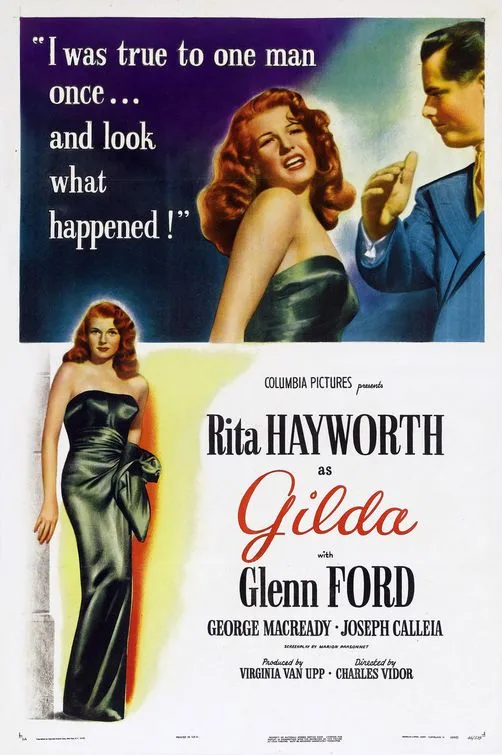
What changes Wonder Wheel: character-driven, episodic and emotional escalation. Gilda: measured and escalating.
Johnny Farrell’s narration begins in a world of gambling, suspicion and male control when he meets Gilda again as the wife of his employer, Ballin Mundson. Their history is conveyed through jealousy and accusation, but the film’s glamorous musical numbers make Gilda a performer who can command the room rather than merely the object of Johnny’s story. The triangle’s power shifts as loyalty, desire and ownership become difficult to separate, and the ending reframes the couple without resolving the coercive terms that shaped their conflict. Its noir voice and studio spectacle invite a reading of how men interpret a woman they cannot control.
Based on recorded story, mood and style. Your preferences can change the order.
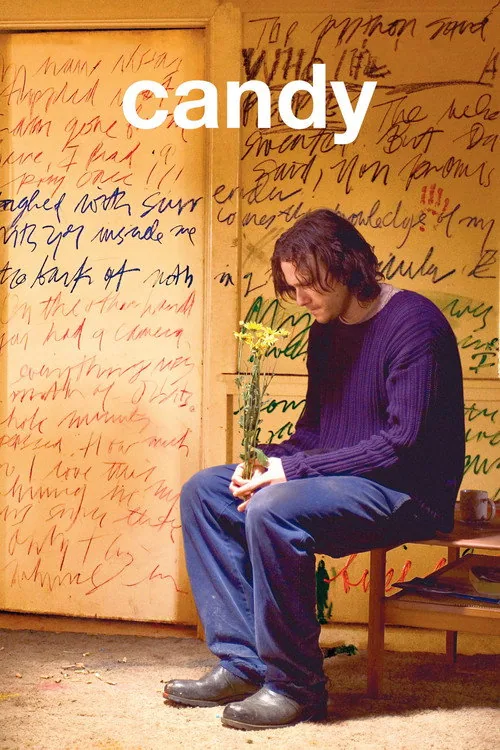
What changes Wonder Wheel: character-driven, episodic and emotional escalation. Candy: early love creates an idealized world, financial and personal costs accumulate and final chapter confronts lasting loss.
Poet Dan and art student Candy fall in love through a bohemian life shaped by heroin use. Their romance moves through periods named Heaven, Earth, and Hell, tracing the euphoric beginnings of addiction, the effort to sustain it through theft and strained family help, and the damage it eventually brings. As the couple's circumstances worsen, their devotion becomes entangled with dependence and loss. The Australian drama follows how intimacy can persist even as addiction repeatedly changes what the partners can give one another.
In 1950s Coney Island, Ginny works as a waitress and dreams of returning to acting while her marriage to carousel operator Humpty has grown strained. Humpty’s daughter Carolina arrives seeking refuge after leaving her gangster husband, bringing danger into the family’s cramped apartment. Ginny begins an affair with Mickey, a lifeguard and aspiring playwright who is drawn to her stories. Their competing needs and secrets play out against the amusement park and boardwalk.
What drives the story
Ginny’s affair with Mickey collides with Carolina’s return and the family’s unresolved resentments, forcing choices that threaten their fragile arrangements.
The people at its centre
Ginny wants escape and recognition, Humpty wants control and family loyalty, and Carolina’s arrival changes the balance inside the household.
What it feels like
The amusement park’s bright color and summer atmosphere frame a confined domestic melodrama about longing and choices.
Worth knowing
Its story is grounded in one family’s Coney Island conflicts and a relationship triangle, rather than the spectacle-driven historical romances it visually evokes.