Explore films connected to The Pirates of Penzance through Duty and obligation, Romance, Family loyalty. Choose the qualities you want to carry into your next watch.
What should feel similar?
Find your next favourite
9 films · Closest overall matches
Hide films you’ve seen or don’t want. Saved on this device.
No matches for this combination yet.
Try another option or reset your choices to see more films.
Based on recorded story, mood and style. Your preferences can change the order.
Expect romantic and playful, with measured and episodic pacing.
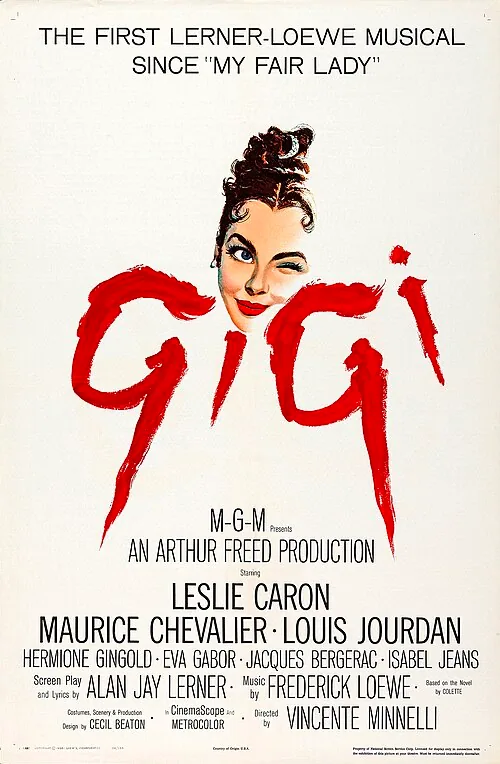
Raised by female relatives to enter Parisian high society as a courtesan, young Gigi is expected to turn charm and training into financial security through an arrangement with the wealthy Gaston. The musical presents this education with wit and elegant color, yet the age difference and economic dependence complicate the romance its ending celebrates. Gigi’s final refusal of the role she has been prepared for changes the terms of the relationship, but does not make the constraints around her upbringing disappear. The film’s nostalgic musical framing is part of its pleasure and part of the question: whose choices does that style make look charming?
Both share themes of family loyalty, plus a farcical and playful atmosphere.
Why this matches +
Genres: Action / Comedy
Shared film traits
Based on recorded story, mood and style. Your preferences can change the order.
What changes The Pirates of Penzance: song-driven, episodic, escalating reversals and celebratory finale. Rush Hour 3: rapid, escalating and set-piece driven.
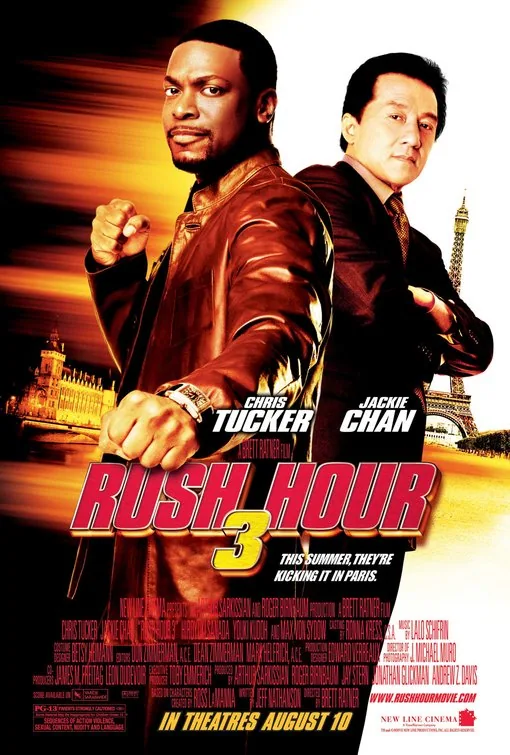
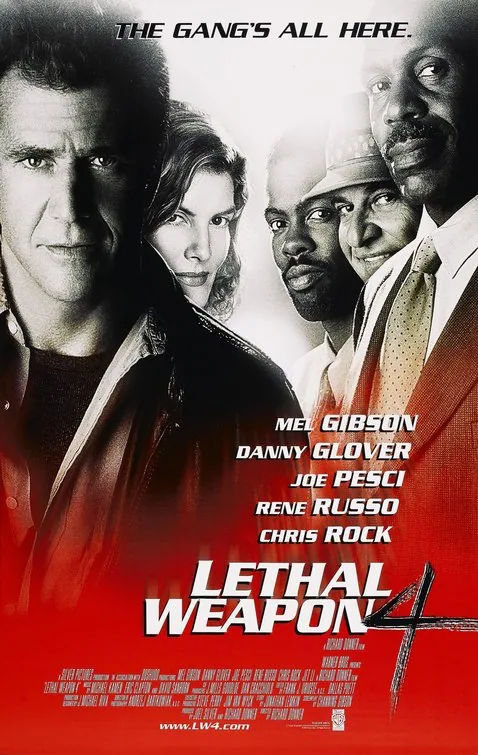
When an assassin shoots Chinese ambassador Han during a Los Angeles address about the Triads, Chief Inspector Lee chases the gunman and discovers it is Kenji, his foster brother. Lee’s hesitation gives Kenji time to escape and makes the case an intimate conflict, while Carter is pulled back from traffic duty to help. Their search for the identity of Shy Shen leads through Paris, where singer Geneviève becomes both a target and the key to the conspiracy. The partners’ loyalty is tested by blood ties, professional duty and the film’s deliberately absurd international detours.
Based on recorded story, mood and style. Your preferences can change the order.
Family and care · Power and authority
What changes The Pirates of Penzance: song-driven, episodic, escalating reversals and celebratory finale. The Castle of Cagliostro: kinetic, set-piece driven, escalating and light-footed.
After a casino robbery yields counterfeit bills, master thief Lupin III and his partner Jigen travel to the small European state of Cagliostro to find their source. They cross paths with Clarisse, a princess escaping an unwanted marriage to the country’s powerful Count, and become entangled in the castle’s secrets. Lupin’s old acquaintance Fujiko works her own angle, while Inspector Zenigata continues his pursuit. The adventure turns into a rescue caper through hidden passages, guarded towers, and clockwork mechanisms, with Lupin’s plans depending as much on improvisation as on his skill as a thief.
Based on recorded story, mood and style. Your preferences can change the order.
What changes The Pirates of Penzance: song-driven, episodic, escalating reversals and celebratory finale. Look Who's Talking: brisk and comic.
Accountant Mollie Jensen becomes a single mother after ending an affair with a married man, and she tries to build a stable life for her infant son Mikey. A cab driver named James becomes a caring presence in their lives, while the film gives Mikey an imagined running commentary on the adults around him. Its comic premise frames romance as a question of trust and everyday responsibility.
Based on recorded story, mood and style. Your preferences can change the order.
What changes The Pirates of Penzance: song-driven, episodic, escalating reversals and celebratory finale. The Goonies: clue-driven expedition and obstacle escalation.
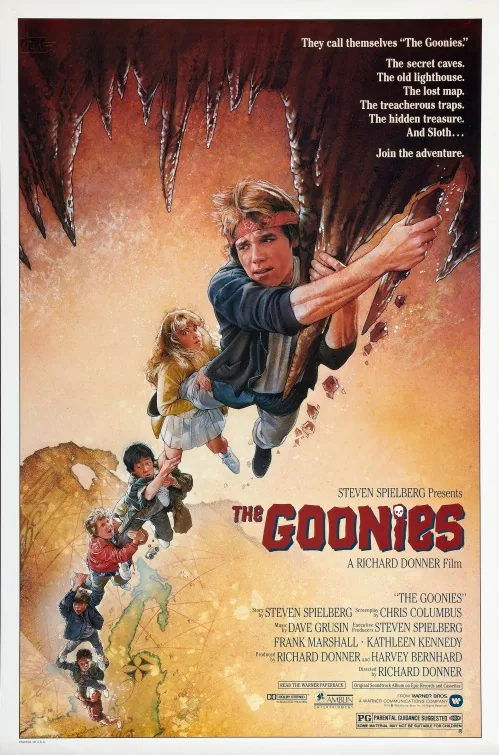
When their neighbourhood faces foreclosure, Mikey and his friends discover an old map that may lead to the hidden fortune of pirate One-Eyed Willy. They follow the clues beneath the coast, unaware that a criminal family is using the same tunnels to escape the law. The children’s treasure hunt becomes a series of traps, improvised escapes and arguments about who can be trusted. The film treats the adventure as a last chance to save the kids’ homes, giving its fantastical pirate legend a concrete emotional purpose in friendship and community.
Based on recorded story, mood and style. Your preferences can change the order.
Expect playful and sentimental, with fast and episodic pacing.
Longtime police partners face new family commitments while an immigrant-smuggling investigation reveals a counterfeiting scheme organized around releasing imprisoned criminal leaders. One partner shelters a family threatened by the network, bringing the case directly into an already expanding household. Hidden relationships and expectations about fatherhood turn professional partnership into a larger domestic arrangement. The late sequel uses aging and interdependence as comic resources, pairing an increasingly difficult physical threat with the possibility that the men can accept lives no longer organized around solitary endurance.
Based on recorded story, mood and style. Your preferences can change the order.
What changes The Pirates of Penzance: song-driven, episodic, escalating reversals and celebratory finale. The Diamond Arm: interlocking schemes and escalating mishaps.
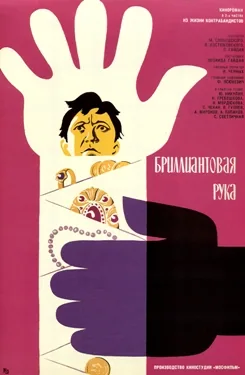
On a Soviet cruise, mild-mannered Semyon Gorbunkov slips on a Turkish street and accidentally says the code phrase criminals are waiting for. They mistake him for their jewelry courier, put contraband in a cast around his arm and send him home. The actual courier, Gennadiy Kozodoyev, realizes the mistake and tries to recover the jewels without exposing the smuggling ring. Police recruit Gorbunkov to help their investigation, but they must keep his role secret from his family and the people watching him. His ordinary routines become a chain of misunderstandings, disguises and near captures as the hapless passenger and the would-be criminal struggle to stay ahead of one another.
Based on recorded story, mood and style. Your preferences can change the order.
Expect wry and romantic, with episodic and character-led pacing.
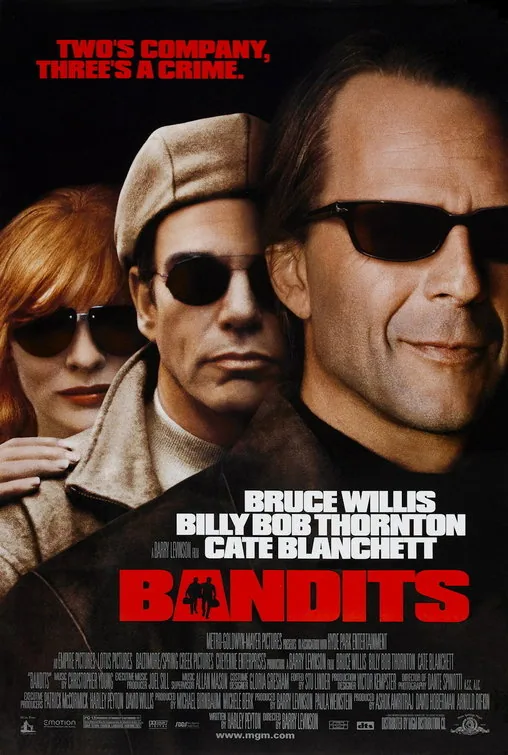
Two escaped convicts become unlikely bank robbers, using a hostage-friendly approach that makes them folk heroes and draws the police into pursuit. Their partnership changes when a restless woman joins them and both men begin to care for her. The film mixes criminal escapades with romantic uncertainty, asking whether the trio can maintain its unconventional freedom once affection, jealousy and public attention alter the terms of their arrangement.
Based on recorded story, mood and style. Your preferences can change the order.
Romance and intimacy · Family and care
What changes The Pirates of Penzance: song-driven, episodic, escalating reversals and celebratory finale. Wonder Wheel: character-driven, episodic and emotional escalation.
In 1950s Coney Island, Ginny works as a waitress and dreams of returning to acting while her marriage to carousel operator Humpty has grown strained. Humpty’s daughter Carolina arrives seeking refuge after leaving her gangster husband, bringing danger into the family’s cramped apartment. Ginny begins an affair with Mickey, a lifeguard and aspiring playwright who is drawn to her stories. Their competing needs and secrets play out against the amusement park and boardwalk.
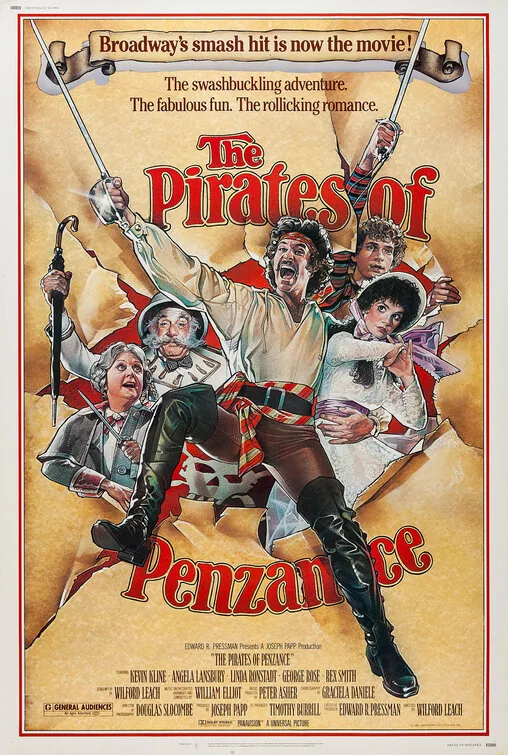
Frederic reaches adulthood believing his apprenticeship to the Pirate King is finally over, only to learn that the nursemaid who placed him there misheard her instructions. Eager to leave piracy and live honestly, he meets Mabel, one of Major-General Stanley’s daughters, and falls in love. The Pirate King’s crew returns to claim the young women, while Stanley attempts to protect his family with a lie that plays on the pirates’ own code. Frederic recruits the local constabulary, but the contract’s leap-year clause threatens to keep him bound to his former companions for decades. The operetta’s romantic complications and legal absurdity eventually bring pirates, police and family into a comic confrontation.
What drives the story
Frederic’s sense of duty repeatedly collides with the absurd terms that bind him to piracy.
The people at its centre
His new love for Mabel and his loyalty to the Pirate King pull him between a desired future and an old obligation.
What it feels like
Operetta songs and broad comic reversals turn legal technicalities and social rules into stage spectacle.
Worth knowing
This is a filmed comic operetta built around songs and wordplay, rather than a realistic pirate adventure.
Duty and obligationRomanceFamily loyalty
Mood
Playful · Buoyant · Romantic · Farcical
Pacing
Song-driven · Episodic · Escalating reversals · Celebratory finale
Visual style
Theatrical staging · Colorful period costumes · Musical set pieces · Ensemble choreography