The stolen book motivates a mystery, but Paddington’s habit of treating people generously reshapes the prison where the crime leaves him.
Why this matches +
Selected for the central appeal: Whimsical family fantasies about imaginative outsiders building community against powerful rivals.
Genres: Comedy / Family
Shared film traits
Based on recorded story, mood and style. Your preferences can change the order.
What changes A generous outsider and an unlikely community defeat a theatrical schemer through whimsical comic ingenuity; it substitutes a stolen book and prison escape for musical chocolate-making and a cartel.
Settled with the Brown family in London, Paddington saves money to buy Aunt Lucy an antique pop-up book for her hundredth birthday. When the book is stolen, he is framed for the crime and sent to prison while the Browns search for the real thief. The culprit, actor Phoenix Buchanan, uses disguises to pursue the book’s hidden clues, while Paddington’s kindness changes the prison community around him. The Browns investigate their neighbors and the book’s history as Paddington tries to prove his innocence and return to the family waiting outside.
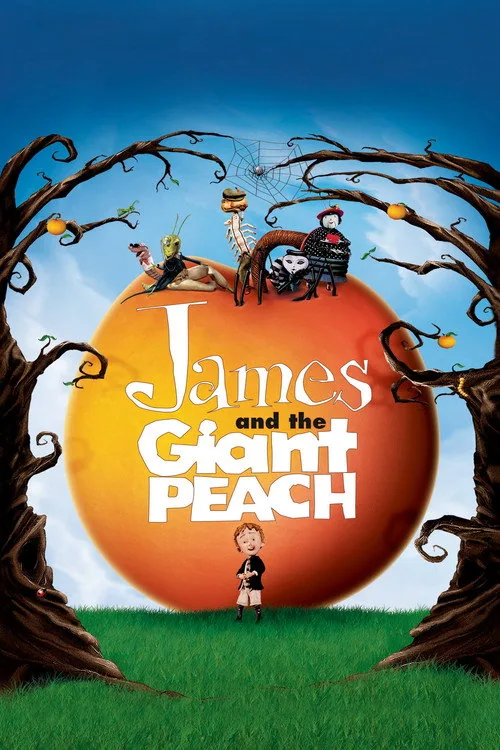
James and the insects travel inside the giant peach toward the city he has always dreamed of reaching.
Why this matches +
Related viewing experiences with the specific differences recorded for each pair.
An adjacent discovery: a related idea with a different viewing experience.
Genres: Fantasy / Adventure
Shared film traits
Based on recorded story, mood and style. Your preferences can change the order.
What changes James and the Giant Peach sends a mistreated child and unusual companions through a fantastical Roald Dahl adventure, with an escape journey rather than Wonka's musical business rivalry.
After his parents die, young James Henry Trotter is sent to live with his cruel aunts, who keep him isolated and working. A mysterious gift causes a peach to grow to enormous size, and James discovers human-sized insects living inside it. When the fruit rolls away, he and his new companions begin a journey toward New York, facing dangers that test their courage and friendship. Henry Selick’s adaptation combines live action with stop-motion fantasy based on Roald Dahl’s children’s novel.
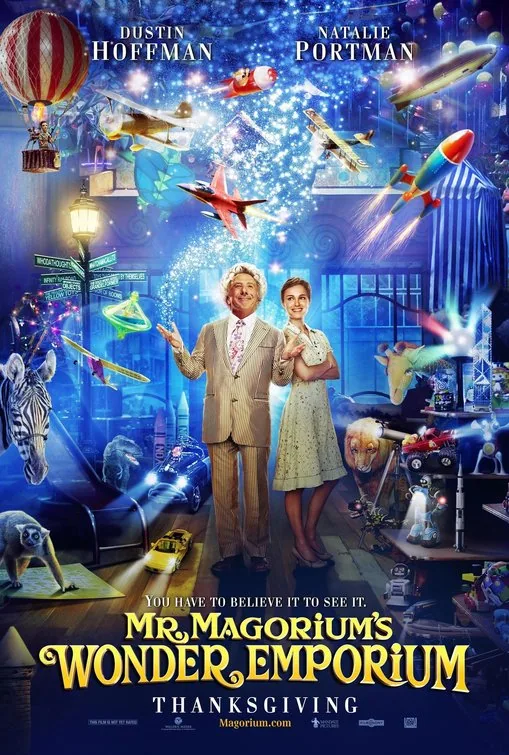
an owner’s departure testing the manager’s readiness to lead. This pressure determines what the protagonist must do next and which risks become unavoidable.
Why this matches +
Related viewing experiences with the specific differences recorded for each pair.
An adjacent discovery: a related idea with a different viewing experience.
Genres: Comedy / Family
Shared film traits
Based on recorded story, mood and style. Your preferences can change the order.
What changes Mr. Magorium's Wonder Emporium celebrates a magical shop and the power of imagination to bring people together, focusing on a toy store's uncertain future rather than a chocolatier's beginnings.
A shy manager has spent years helping run a magical toy store whose objects seem to respond to visitors’ emotions. When the elderly owner plans to leave, she must decide whether she can take responsibility and believe in the shop’s magic. This family fantasy treats imagination as a practice sustained by care, community and willingness to accept change.
Barnum’s drive to turn a popular show into social legitimacy pulls him away from the performers whose work made his success possible.
Why this matches +
Related viewing experiences with the specific differences recorded for each pair.
An adjacent discovery: a related idea with a different viewing experience.
Genres: Drama / Romance
Shared film traits
Based on recorded story, mood and style. Your preferences can change the order.
What changes An ambitious outsider assembles a performing community in an upbeat musical about invention and public recognition; its romanticized show-business rise is less fantastical and less centered on collective escape.
P. T. Barnum builds a New York entertainment business by gathering performers excluded from conventional society and presenting them to paying crowds. As the show grows, Barnum chases elite approval and risks the trust of the troupe and his family, while singer Jenny Lind offers a new route to respectability. The musical uses that conflict to celebrate performance and belonging, but its bright, romanticized portrait substantially simplifies Barnum’s historical career and the exploitation of people he displayed. Its emotional appeal and its treatment of the real subjects should be kept distinct.
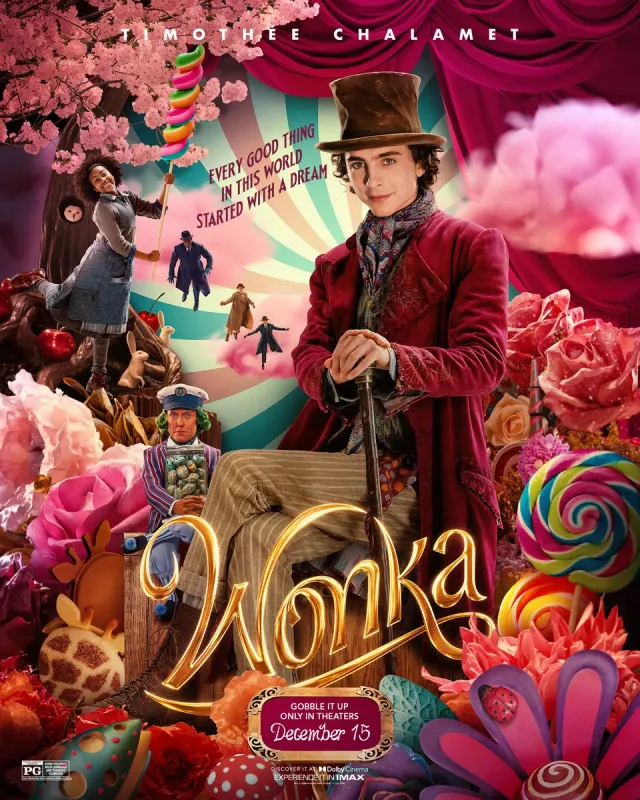
Young Willy Wonka arrives in a European city hoping to establish a chocolate shop, only to discover that powerful chocolatiers control the market and local authorities help keep competitors down. He teams up with Noodle and a group of people trapped in exploitative lodging and laundry work, while his inventive sweets draw both customers and the attention of an Oompa-Loompa named Lofty. The film imagines Wonka before the factory and the Golden Ticket story, creating an original prequel with music and a more openly hopeful tone. Noodle's and Wonka's separate ambitions gradually become a shared plan against their exploiters. The chocolatiers' cartel makes imaginative invention a practical means of resistance.
What drives the story
A dream of selling chocolate becomes a collective escape plan when Wonka learns that commercial rivals use debt and rules to suppress newcomers.
The people at its centre
Wonka’s buoyant ambition is balanced by Noodle’s practical intelligence and the group’s shared need to win back control of their lives.
What it feels like
Songs, colorful confectionery effects and comic villains create a theatrical family musical with an undercurrent of class exploitation.
Worth knowing
A fit for family adventure musicals about imagination, teamwork and a young dreamer. It is a prequel and companion piece, not a retelling of the 1971 film’s factory tour.