The story builds from disconnected reports toward a shared realization, showing how communication changes the passengers’ options.
Why this matches +
These offer a related experience with a meaningful difference in story, tone, or presentation.
An adjacent discovery: a related idea with a different viewing experience.
Genres: Drama / Biography
Shared film traits
Based on recorded story, mood and style. Your preferences can change the order.
What changes A dramatization of September 11 focuses on ordinary people caught in immediate danger during the attacks; passengers aboard a hijacked flight.
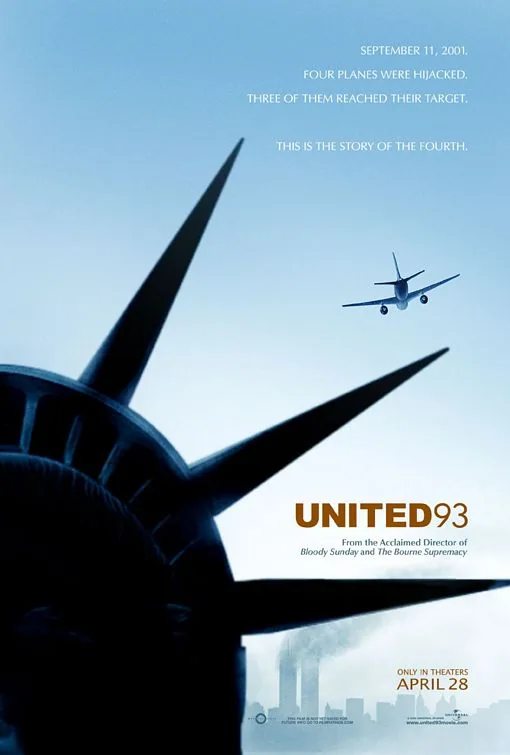
On September 11, 2001, passengers and crew board United Airlines Flight 93, unaware that their aircraft will be hijacked as part of the coordinated attacks. The film interweaves events aboard the plane with the confusion among air-traffic controllers, military staff and civilian authorities responding to reports from multiple flights. Information arrives unevenly, and people on the ground must make decisions while the scale of the attack is still unclear. Phone calls allow passengers to learn what has happened elsewhere and compare that information with the danger around them. The film follows their eventual collective decision to resist, but its reenactment cannot provide a transcript of private conversations or knowable inner thoughts. Its restraint and real-time structure emphasize uncertainty rather than heroic hindsight.
A firefighter awaits rescue inside a burning building while memories trace the work, friendships and family commitments that shaped his life.
Why this matches +
These offer a related experience with a meaningful difference in story, tone, or presentation.
An adjacent discovery: a related idea with a different viewing experience.
Genres: Drama / Action
Shared film traits
Based on recorded story, mood and style. Your preferences can change the order.
Survival
What changes Emergency responders face deadly conditions and the fears of loved ones during rescue work; follows a firefighter's career.
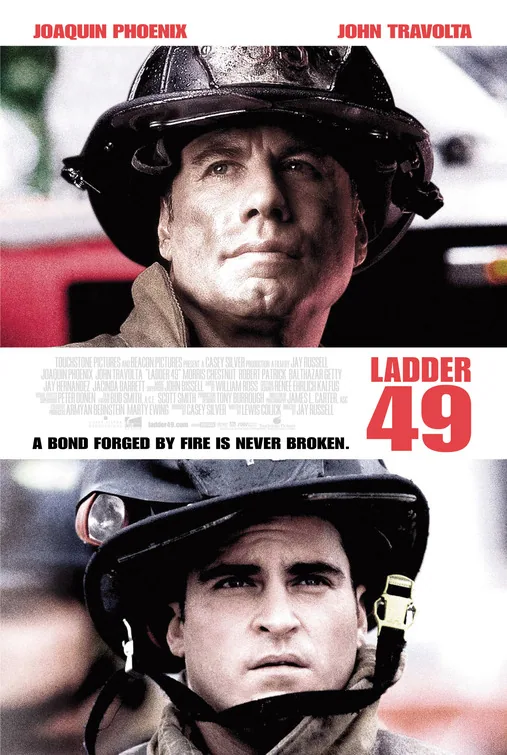
A Baltimore firefighter becomes trapped inside a burning building, and the story moves between the rescue attempt and memories of his career, friendships and family life. The structure gives the immediate emergency emotional context without reducing the job to action spectacle. Its central concern is the cost of service: the bonds that sustain firefighters and the uncertainty their loved ones live with when every call may become the last.
An object becomes the basis for a citywide search that promises continued contact with a dead parent, while repeated encounters complicate the belief that one solved clue can explain the loss. A found key becomes a citywide itinerary that promises connection while delaying recognition of surviving care.
Why this matches +
These offer a related experience with a meaningful difference in story, tone, or presentation.
An adjacent discovery: a related idea with a different viewing experience.
Genres: Drama
Shared film traits
Based on recorded story, mood and style. Your preferences can change the order.
What changes A family deals with the personal aftermath of losing a loved one in the September 11 attacks; a child's search rather than a rescue.
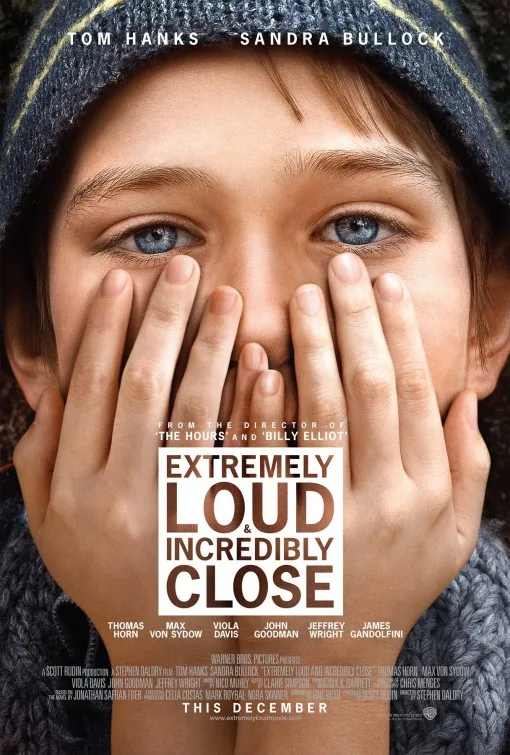
After his father dies in the September 11 attacks, a boy discovers a key among his belongings and interprets it as the beginning of another shared puzzle. Searching New York for the person whose name appears on its envelope gives grief a practical itinerary and introduces strangers whose losses exceed his initial question. The search also keeps him apart from his mother, making the possibility of an answer compete with recognizing care that does not arrive in his father's familiar form. Oskar’s search gives grief a task, but neither the key nor its answer can restore his father.
The rescue mission is defined by distance, weather and limited capacity rather than a single antagonist.
Why this matches +
These offer a related experience with a meaningful difference in story, tone, or presentation.
An adjacent discovery: a related idea with a different viewing experience.
Genres: Action / Drama
Shared film traits
Based on recorded story, mood and style. Your preferences can change the order.
War and civilian life · Survival
What changes Rescuers struggle to save people in a real-life disaster while loved ones await news; a Coast Guard sea rescue.
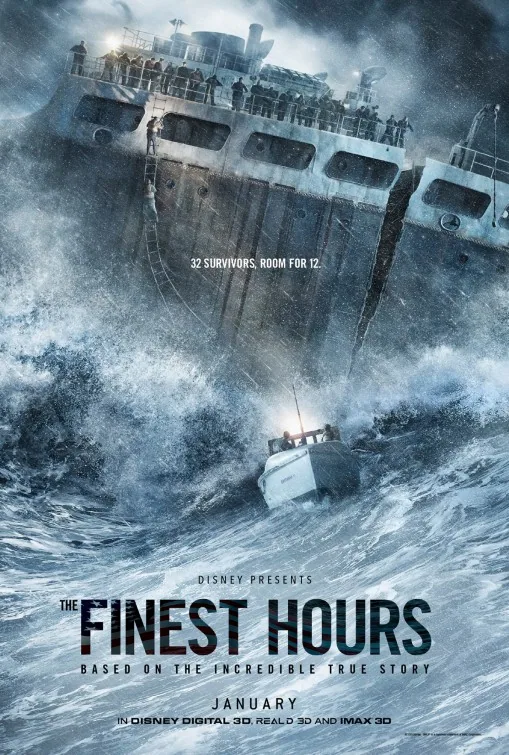
A Coast Guard crew is sent into a severe winter storm to rescue sailors from a damaged oil tanker off the Massachusetts coast. The rescue requires difficult navigation, courage and cooperation as the small boat confronts conditions larger than its equipment. The historical adventure is built around a constrained mission, shifting between the rescuers and the people trapped aboard the ship.
Overgård's careful routine changes when the crash leaves an injured woman dependent on his choices and limited supplies.
Why this matches +
These offer a related experience with a meaningful difference in story, tone, or presentation.
An adjacent discovery: a related idea with a different viewing experience.
Genres: Drama / Survival
Shared film traits
Based on recorded story, mood and style. Your preferences can change the order.
Survival
What changes A stranded survivor faces isolation and physical danger while struggling to stay alive; a solitary Arctic survival story.
Overgård has survived a plane crash in the Arctic by turning its wreckage into shelter and following a strict routine for food and signaling. When a rescue helicopter crashes nearby, its injured passenger needs help, and Overgård must choose between staying with the supplies he knows and taking a dangerous journey toward a possible refuge. The film follows the physical details of movement, cold, and dwindling strength rather than explaining how he became stranded. Joe Penna's survival drama centers persistence and caretaking in an unforgiving landscape.
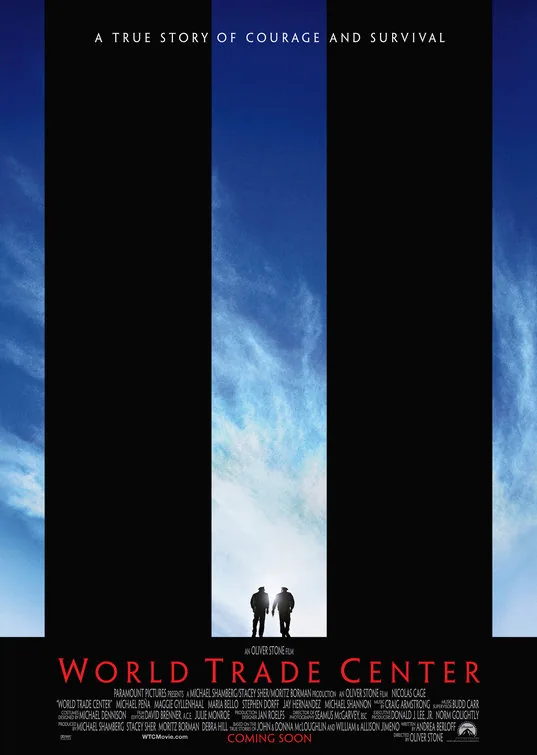
On September 11, 2001, Port Authority officers John McLoughlin and Will Jimeno enter the World Trade Center during the attacks and become trapped in the rubble. The film follows their struggle to stay alive and the families and rescuers waiting for news. Its focus is intimate and restrained, centering survival, solidarity and the civilian experience of catastrophe.
What drives the story
The film's engine follows a vast disaster is narrowed to two men’s physical and emotional limits; this keeps the stakes tied to observable choices.
The people at its centre
Its character dynamics turn on families and rescuers form a parallel story of waiting and coordination, so personal tension remains specific.
What it feels like
The viewing experience rests on restraint centers endurance and connection more than spectacle, giving the film a distinct rhythm and tone.
Worth knowing
A useful comparison boundary is an individual experience, not a complete historical account, so similarity should follow its central conflict.