Explore films connected to Zombieland: Double Tap through chosen family, independence, adaptation. Choose the qualities you want to carry into your next watch.
Based on recorded story, mood and style. Your preferences can change the order.
Survival
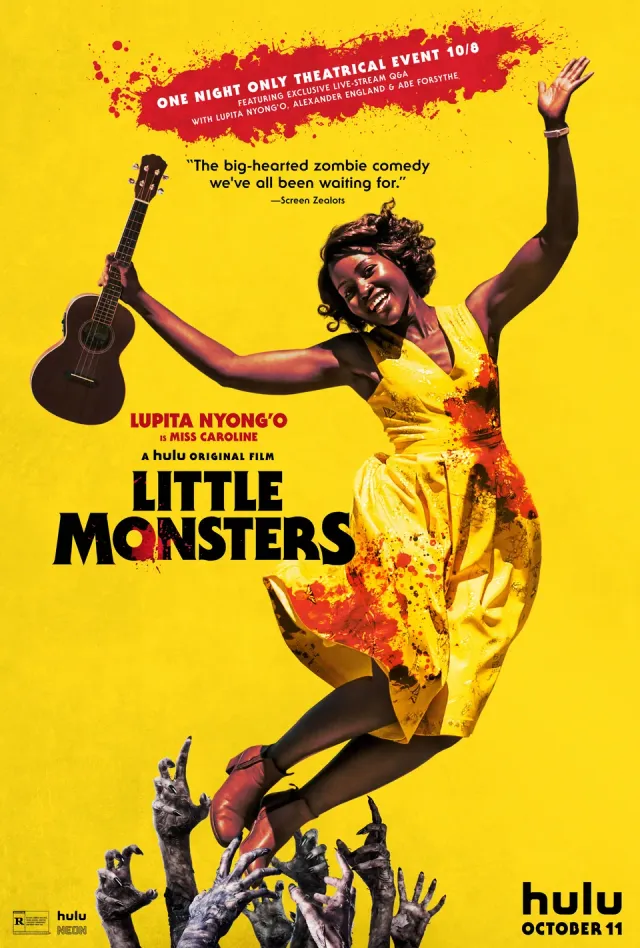
What changes Zombieland: Double Tap: road-trip sequel. Little Monsters: quick comic setup, outbreak escalation and survival set pieces.
After a breakup, washed-up musician Dave moves in with his sister and volunteers to chaperone his young nephew’s school trip. He hopes to spend time with Miss Caroline, the class’s warm kindergarten teacher, but the outing takes a turn when a zombie outbreak reaches the farm. Dave and Caroline work to keep the children calm and safe while a children’s television host joins the chaotic attempt to survive.
Based on recorded story, mood and style. Your preferences can change the order.
Survival
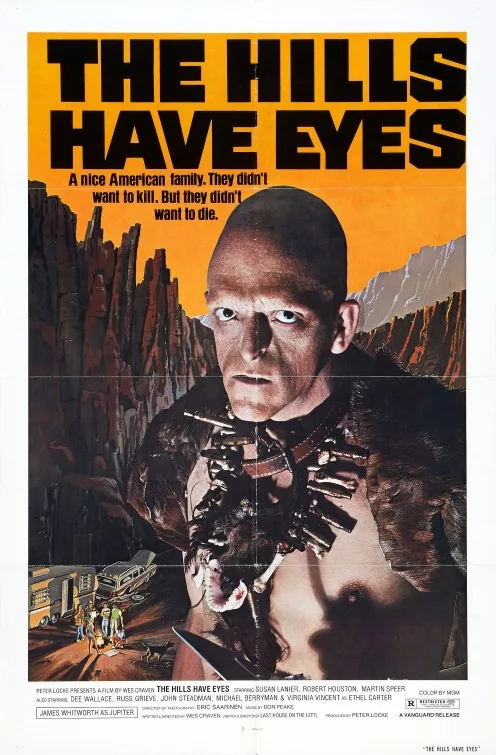
What changes Zombieland: Double Tap: road-trip sequel. The Hills Have Eyes: escalating and violent confrontations.
The Carter family is traveling through the Nevada desert when their vehicle breaks down far from help. Split between a stranded trailer and a search for assistance, they discover that another family lives in the surrounding hills and sees them as intruders and prey. The holiday quickly becomes a brutal struggle to protect the children and survive the isolated landscape.
Based on recorded story, mood and style. Your preferences can change the order.
Survival
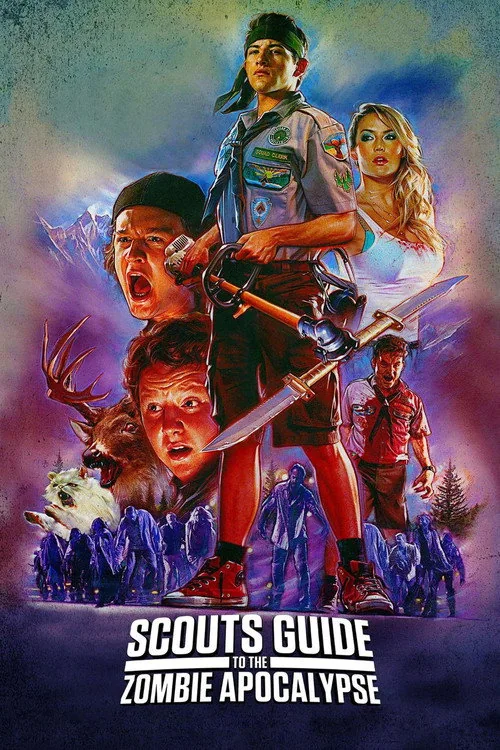
What changes Zombieland: Double Tap: road-trip sequel. Scouts Guide to the Zombie Apocalypse: fast zombie-comedy momentum, episodic set pieces and friendship beats between scares.
Three longtime friends in a boy-scout troop find that their skills are suddenly useful when a zombie outbreak reaches their town. Ben, Carter, and Augie leave a camp to search for their missing friends and survive a growing swarm, joined by a resourceful cocktail waitress. Their rescue mission pulls them through familiar suburban spaces transformed by the apocalypse, mixing gross-out comedy with buddy banter and the unsettled feeling of growing apart as adulthood approaches.
Based on recorded story, mood and style. Your preferences can change the order.
Survival
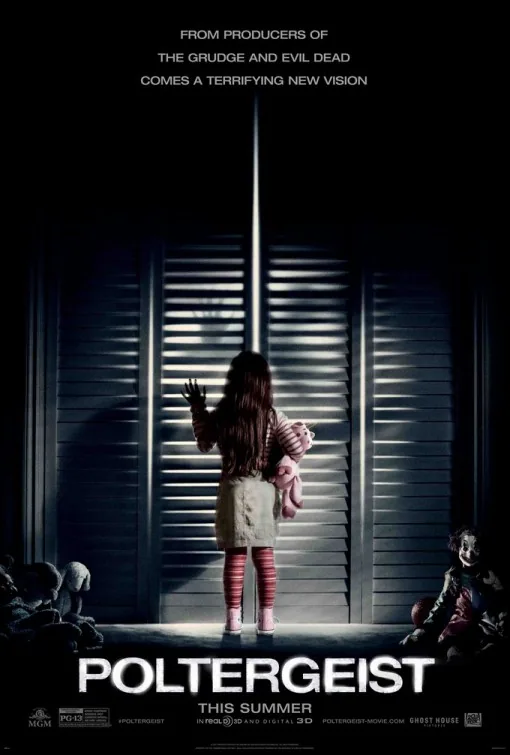
What changes Zombieland: Double Tap: road-trip sequel. Poltergeist: escalating disturbances lead to a rescue climax.
A family moves into a suburban home where a series of increasingly dangerous supernatural events culminates in the disappearance of their youngest daughter. Her parents and siblings must work together with specialists to find her before the house’s presence becomes irreversible. The remake uses a familiar family-under-threat structure, pairing domestic warmth with haunted-house shocks and urgent rescue.
Based on recorded story, mood and style. Your preferences can change the order.
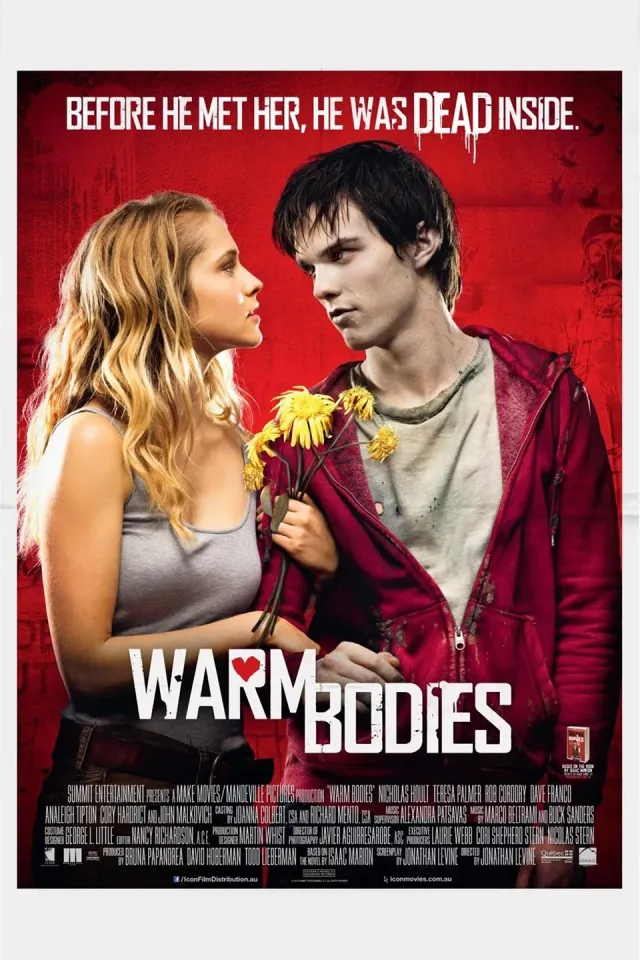
What changes Zombieland: Double Tap: road-trip sequel. Warm Bodies: measured and comic interludes.
In a world divided between human survivors and the undead, a zombie unexpectedly protects a young woman after a violent encounter. Their uneasy companionship begins to awaken feelings and physical changes that challenge what both communities believe about the infection. A dryly comic inner voice and hesitant romance turn the survival setting toward communication, suggesting that recognition may matter as much as force in ending a supposedly permanent division.
Based on recorded story, mood and style. Your preferences can change the order.
Survival
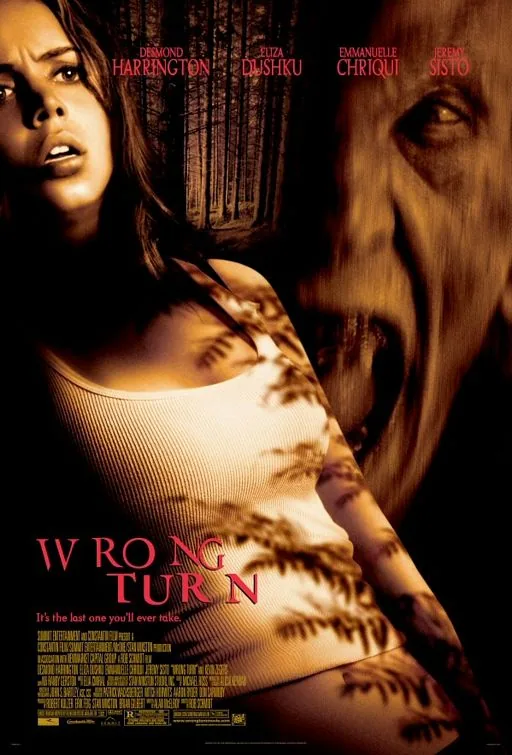
What changes Zombieland: Double Tap: road-trip sequel. Wrong Turn: fast and continuous chase.
After taking an isolated road through the Appalachian hills of West Virginia, a group of young travelers become stranded and realize they are being hunted by violent men who live in the surrounding woods. With their vehicle unusable and rescue unlikely, the survivors must move through unfamiliar terrain while trying to stay quiet and protect one another. The film’s short running time and remote setting keep the threat close, using the fear of being watched and pursued to drive its slasher structure. Limited visibility and uncertain routes keep escape attempts from feeling safe. The strangers' cooperation shifts between concealment and sudden flight as the hunters close in.
Based on recorded story, mood and style. Your preferences can change the order.
Survival
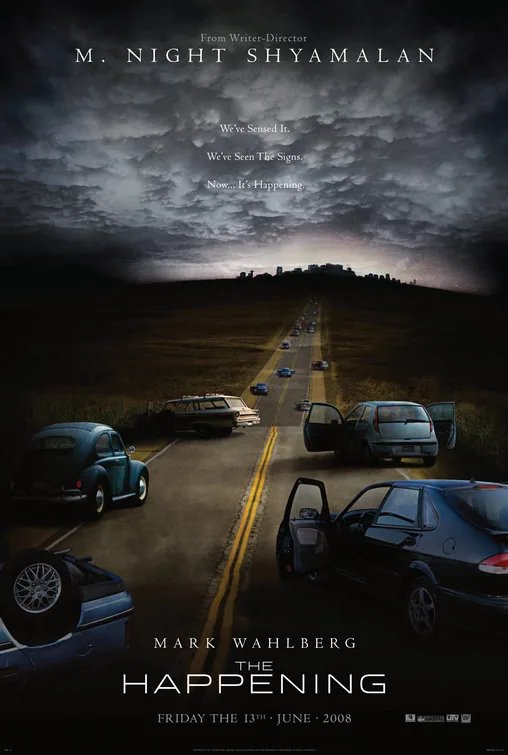
What changes Zombieland: Double Tap: road-trip sequel. The Happening: sudden crisis and dispersed pursuit.
A wave of unexplained mass deaths begins in New York and spreads across the northeastern United States. Science teacher Elliot Moore escapes the city with his wife Alma, a colleague’s young daughter and strangers who are all trying to understand the threat. The group’s attempts to find safe shelter are undermined by an invisible force that appears to respond to human presence and movement. M. Night Shyamalan turns ecological catastrophe into an uncertain survival thriller, with the characters’ guesses about the cause remaining part of the tension rather than a firm scientific explanation.
Based on recorded story, mood and style. Your preferences can change the order.
Survival
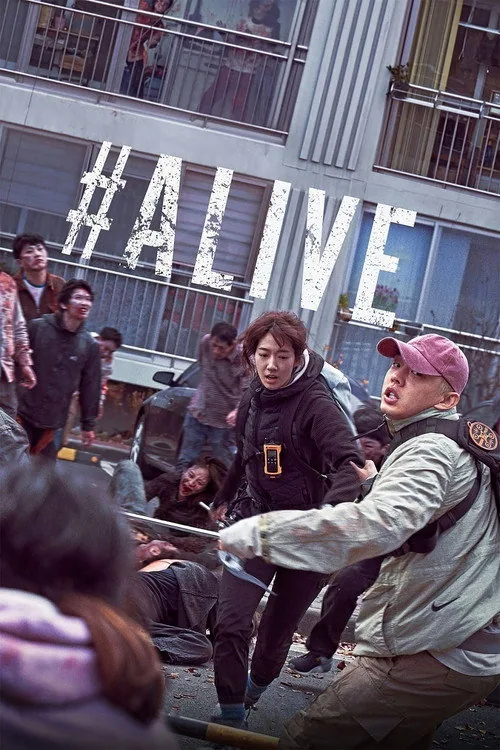
What changes Zombieland: Double Tap: road-trip sequel. #Alive: solitary survival opening, parallel apartment tension and rooftop rescue climax.
When a zombie outbreak overwhelms Seoul, video-game player Oh Joon-woo is trapped alone in his family's apartment as phones and utilities begin to fail. He uses a drone and social media to assess the streets, then discovers another survivor, Kim Yoo-bin, in a nearby building. The pair coordinate across balconies and hallways while rationing food, avoiding the infected, and resisting despair. This Korean survival thriller turns a familiar apartment block into a vertical maze and treats digital connection as both a practical tool and an emotional lifeline.
Based on recorded story, mood and style. Your preferences can change the order.
Survival
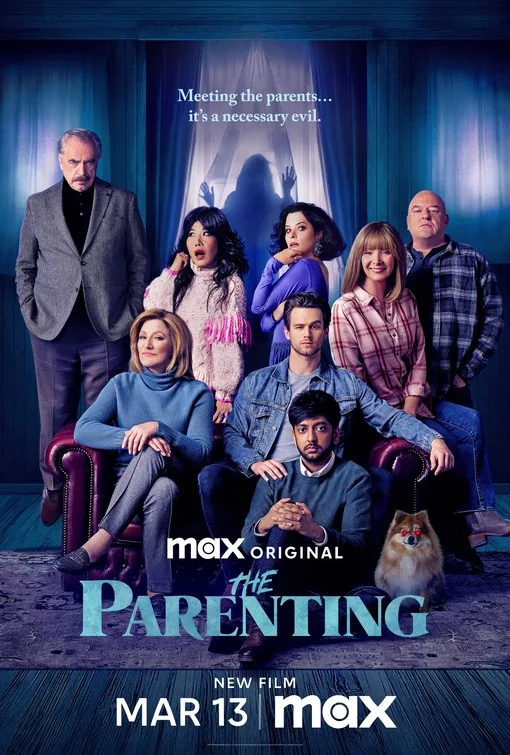
What changes Zombieland: Double Tap: road-trip sequel. The Parenting: escalating, ensemble-driven and set-piece based.
A young couple brings their relationship to a weekend gathering with both families at a country house. The visit is already tense because of different expectations and unresolved family dynamics, but a supernatural presence in the home turns the meeting into a horror-comedy ordeal. As the guests try to understand what is happening, polite introductions give way to panic, exposing how little control anyone has over the strange situation or each other's behavior.
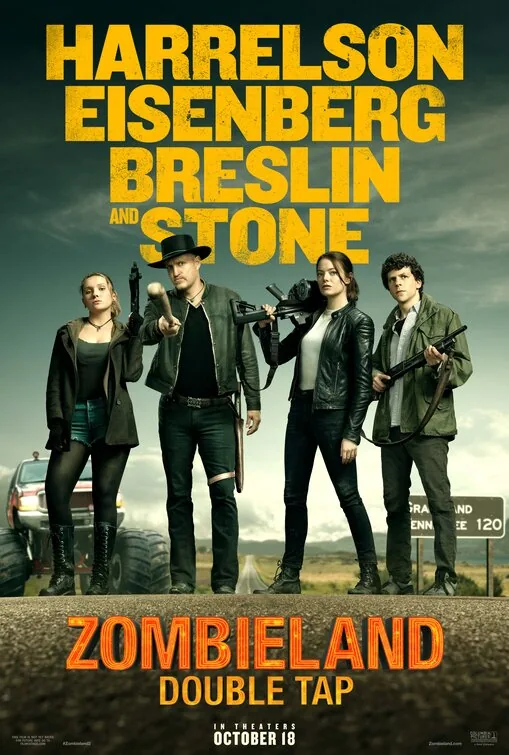
A decade after the first outbreak road trip, Columbus, Tallahassee, Wichita and Little Rock have settled into a makeshift household in the White House. Their domestic routine frays as the younger Little Rock seeks independence and Wichita leaves with her, while the group discovers that zombies have changed and new human communities operate by different rules. A renewed journey brings old companions and new survivors together at a theme park. The sequel moves from survival rules toward the harder work of allowing a family to change. The growth of the group is a more durable obstacle than any individual zombie.
What drives the story
The group’s familiar survival system becomes inadequate as its youngest member grows up and the world develops new zombie variants and social arrangements.
The people at its centre
Columbus and Wichita face the gap between safety and commitment, while Tallahassee’s protective bluster has to make room for Little Rock’s autonomy.
What it feels like
A reunion comedy that repeats the original’s zombie gags while widening the road ensemble. New variants and community encounters provide action, though the character-growth stakes drive the journey.
Worth knowing
A match for sequel comedies about an established found family adapting to new members and independence. Its jokes and group dynamics rely on knowing the 2009 film.