An adult procedural thriller replays the minutes after an unidentified missile is detected, using overlapping perspectives to show how limited information travels through the American nuclear chain of command.
What should feel similar?
Find your next favourite
4 films · Closest overall matches
Hide films you’ve seen or don’t want. Saved on this device.
No matches for this combination yet.
Try another option or reset your choices to see more films.
incomplete intelligence and a deadline narrowing political choices. This pressure determines what the protagonist must do next and which risks become unavoidable.
Why this matches +
An adult procedural thriller replays the minutes after an unidentified missile is detected, using overlapping perspectives to show how limited information travels through the American nuclear chain of command.
Genres: Drama / History
Shared film traits
Based on recorded story, mood and style. Your preferences can change the order.
What changes The historical crisis unfolds over days, leaving time for diplomacy rather than repeating the minutes before one projected impact.
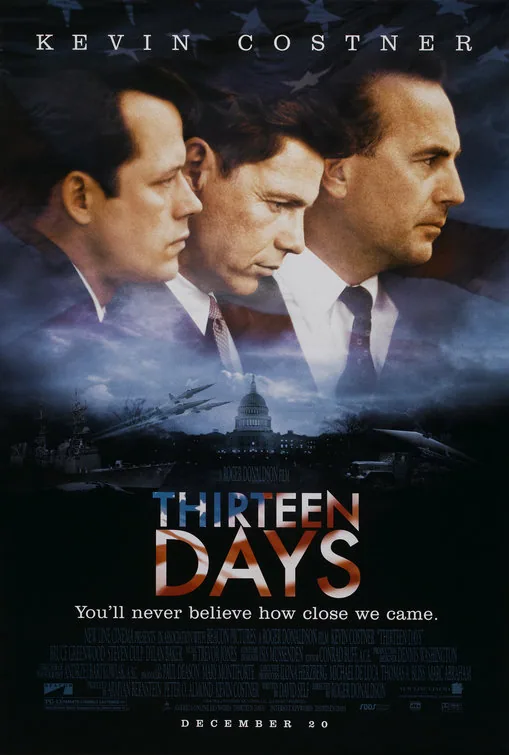
During the Cuban Missile Crisis, President Kennedy and his advisers confront evidence that Soviet missiles are being installed in Cuba. Meetings, intelligence reports and military recommendations make the danger immediate as the White House weighs a response that could trigger wider war. This historical drama concentrates on deliberation and communication, showing how uncertainty shapes decisions under an unforgiving deadline.
An incomplete emergency message leaves the launch decision dependent on the officers’ competing interpretation of their orders.
Why this matches +
An adult procedural thriller replays the minutes after an unidentified missile is detected, using overlapping perspectives to show how limited information travels through the American nuclear chain of command.
Genres: Action / Thriller
Shared film traits
Based on recorded story, mood and style. Your preferences can change the order.
What changes One submarine and a clash over command give it a tighter action structure than the distributed perspectives of the missile response.
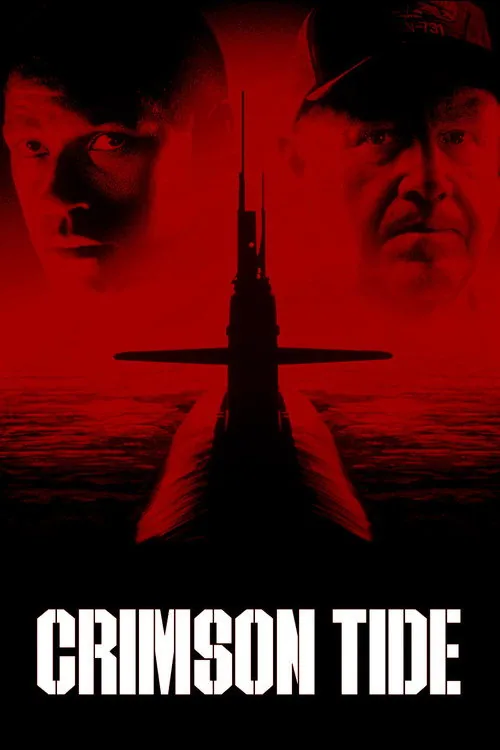
The U.S. submarine Alabama receives an order to launch nuclear missiles during a crisis in Russia, but an attack interrupts a second message before the crew can confirm whether the order still stands. Captain Frank Ramsey favors acting on the last complete command; executive officer Ron Hunter insists on waiting for verification. Tony Scott’s submarine thriller turns procedure into a high-pressure moral conflict, with the officers’ disagreement putting the crew and the wider world at risk inside a sealed vessel.
A teenager’s harmless-seeming search for a game triggers a crisis because a military system cannot distinguish play from an actual hostile signal.
Why this matches +
Pair notes identify differences in structure, tone, and audience.
An adjacent discovery: a related idea with a different viewing experience.
Genres: Drama / Thriller
Shared film traits
Based on recorded story, mood and style. Your preferences can change the order.
What changes A teenage hacker and a computer simulation turn the crisis into a more playful adventure with an identifiable technical cause.
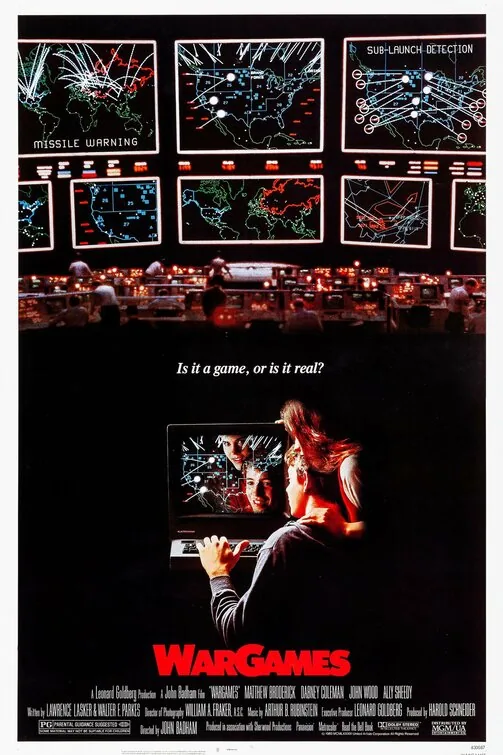
Seattle teenager David Lightman tries to access a video-game company and instead connects to WOPR, a military computer designed to simulate nuclear conflict. Thinking he has found a game, David invites it to play Global Thermonuclear War; the system’s military operators then struggle to determine whether a Soviet attack is real. Jennifer joins David as they search for the computer’s designer and try to stop a simulation from becoming a launch decision. The suspense comes from civilian curiosity entering a chain of command built for speed and certainty. The adults' decision-making is slowed by protocol while WOPR compresses the crisis into a simulated outcome. David and Jennifer must reach its designer before military logic wins.
A unilateral order activates a security system whose own rules repeatedly obstruct attempts to undo an irreversible escalation.
Why this matches +
Pair notes identify differences in structure, tone, and audience.
An adjacent discovery: a related idea with a different viewing experience.
Genres: Comedy / War
Shared film traits
Based on recorded story, mood and style. Your preferences can change the order.
What changes The film uses absurdist comedy and tracks an unauthorized American attack rather than an incoming missile of unknown origin.
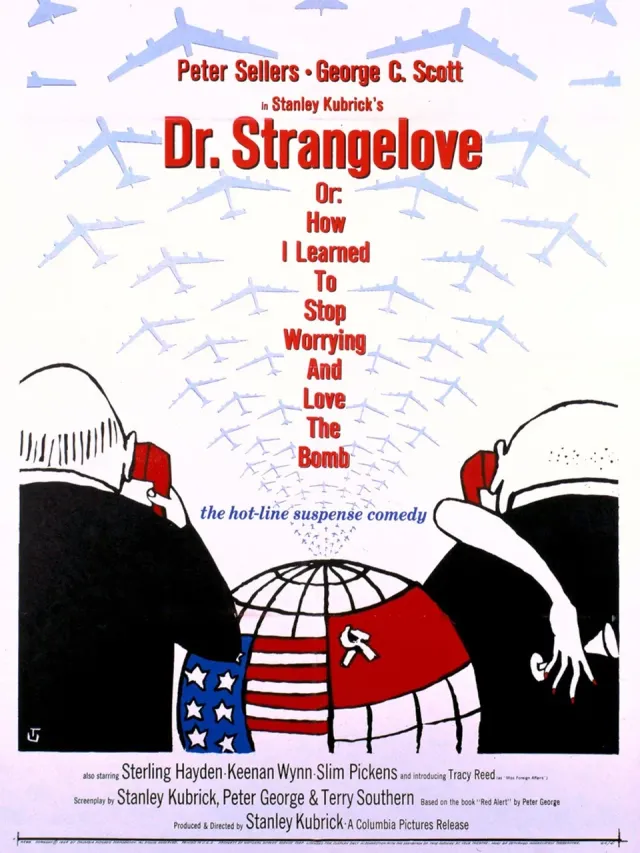
An American military commander initiates a nuclear attack through a system designed to preserve retaliation even when ordinary leadership is unavailable. Officials attempting to recall the aircraft discover that procedural safeguards and political pride can make stopping catastrophe harder than starting it. Simultaneous efforts in a command room, an airbase and a bomber expose a logic in which individuals behave purposefully while the organisation of their purposes moves towards collective annihilation.
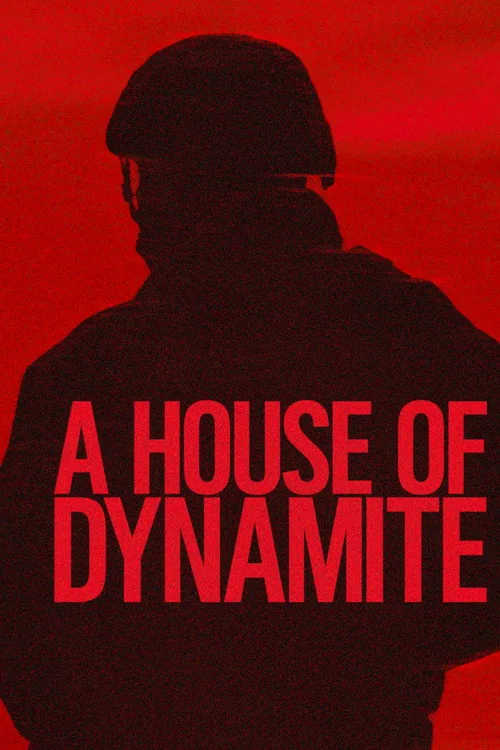
When an unidentified intercontinental ballistic missile is detected on a path toward Chicago, civilian and military officials have only minutes to assess the threat and decide how to respond. The political thriller revisits the emergency from several institutional perspectives, following people responsible for warning, verification, missile defense, and presidential decision-making as the available information remains incomplete. Kathryn Bigelow’s film compresses a global crisis into a procedural countdown and asks how systems and people behave when an irreversible choice arrives before certainty.
What drives the story
Officials must interpret an incoming missile warning and coordinate a response before impact, without knowing who launched it.
The people at its centre
Civilian leaders, military personnel, and technical advisers hold different responsibilities but share the consequences of uncertainty.
What it feels like
The film relies on rapid dialogue, procedural detail, and sustained dread rather than conventional combat scenes.
Worth knowing
It dramatizes a hypothetical single-missile crisis and should not be read as a prediction of real-world nuclear procedures.
UncertaintyResponsibilityAuthority
Mood
Urgent · Procedural · Anxious
Pacing
Repeated perspectives revisit the same countdown as new information changes the stakes.