A threat that can reproduce trusted appearances destroys the evidence on which a small group's cooperation normally depends.
Why this matches +
Selected for the central appeal: Claustrophobic creature horror about isolated groups facing a lethal organism.
Genres: Horror / Science fiction
Shared film traits
Based on recorded story, mood and style. Your preferences can change the order.
Survival
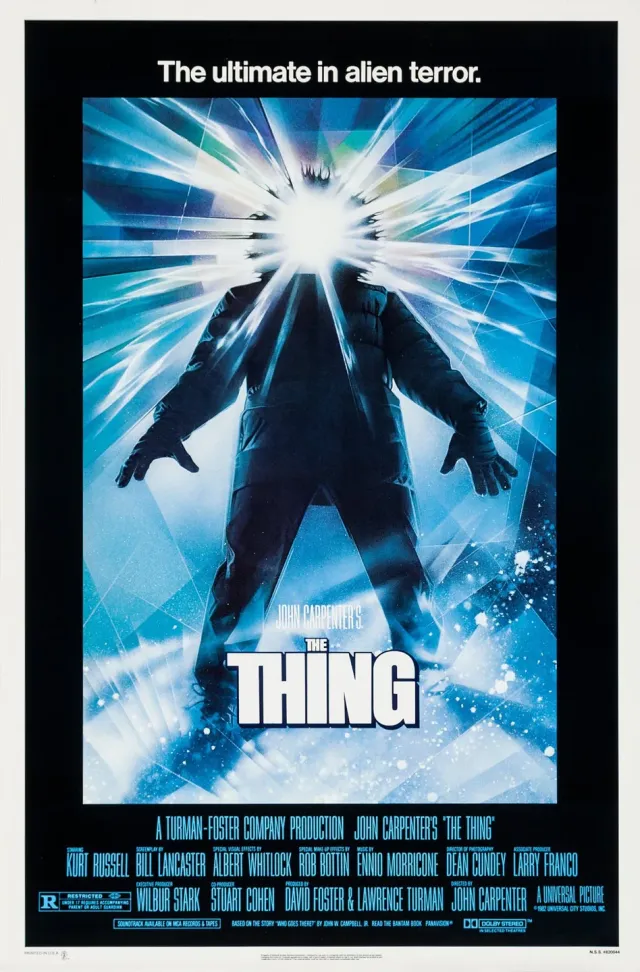
What changes The Thing isolates a group with a deadly alien and turns survival into a tense collective siege.
An isolated Antarctic research team takes in a dog from a neighbouring station without understanding the pursuit that brought it there. Discovering a life form capable of imitating living bodies makes every familiar colleague a possible threat. Limited transport, extreme weather and uncertain tests turn cooperation into a series of fragile bargains, with survival potentially conflicting with the obligation to prevent the organism from reaching anyone else.
The damaged station turns routine maintenance spaces into hazards that the crew must cross.
Why this matches +
Selected for the central appeal: Claustrophobic creature horror about isolated groups facing a lethal organism.
Genres: Science Fiction / Horror
Shared film traits
Based on recorded story, mood and style. Your preferences can change the order.
Survival
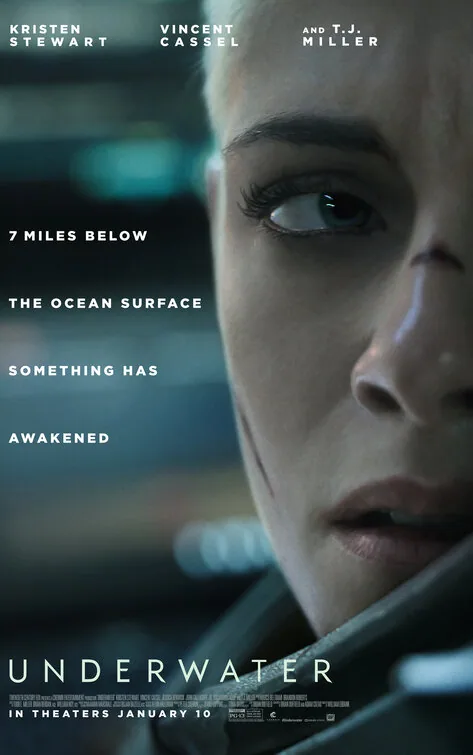
What changes Underwater follows an isolated crew facing deadly creatures in a damaged deep-sea facility.
An accident devastates an undersea drilling facility on the ocean floor, leaving engineer Norah and a small group of survivors searching for a way to reach safety. Their route takes them outside the damaged station, where pressure, failing equipment and an unknown threat make each decision urgent. The film compresses disaster and creature horror into a hostile environment, emphasizing teamwork and the physical limits of human survival far below the surface.
A rapidly adaptive organism escapes research containment, turning crew rescue and station repair into decisions about whether anyone can safely return to Earth.
Why this matches +
Selected for the central appeal: Claustrophobic creature horror about isolated groups facing a lethal organism.
Genres: Science Fiction / Horror
Shared film traits
Based on recorded story, mood and style. Your preferences can change the order.
Survival
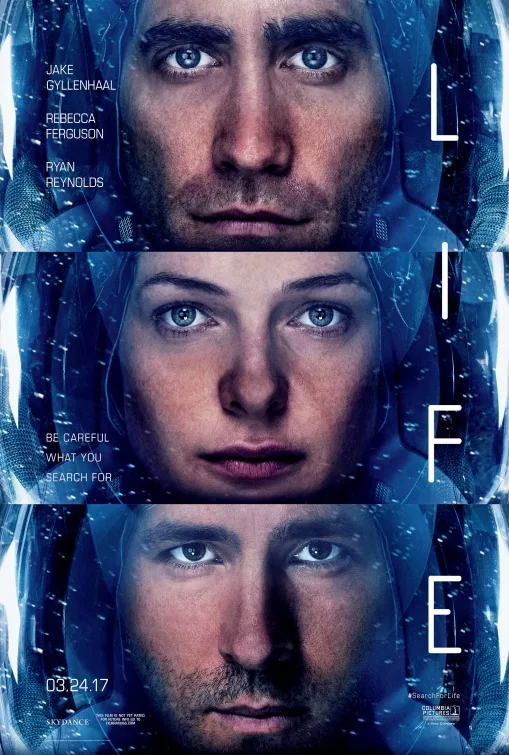
What changes Life traps a space crew with a rapidly evolving alien organism in a confined environment.
An orbital research crew revives a cell recovered from Mars and watches the discovery outgrow its containment faster than its knowledge can adapt. Attempts to rescue one another repeatedly give the organism access to new spaces, while declining station systems threaten to move the danger closer to Earth. The crew must weigh individual survival against preventing a much wider exposure. The science-fiction horror makes scientific wonder and protective instinct part of the same causal trap, with each local solution narrowing the remaining possibilities.
A group facing an external siege weakens its own defences through arguments over leadership and refuge.
Why this matches +
These offer a related experience with a meaningful difference in story, tone, or presentation.
An adjacent discovery: a related idea with a different viewing experience.
Genres: Horror / Thriller
Shared film traits
Based on recorded story, mood and style. Your preferences can change the order.
Survival
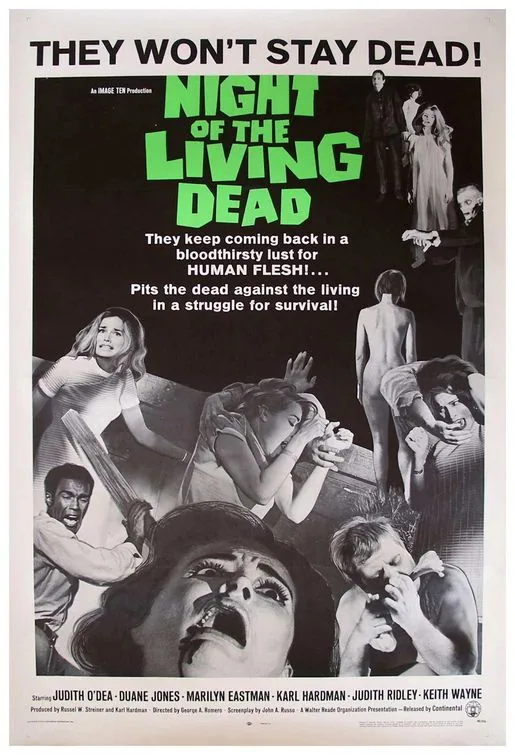
What changes Night of the Living Dead builds a desperate siege around isolated people with limited means of defense.
People fleeing unexplained attacks take shelter in a rural farmhouse while the dead gather outside. Conflicting plans for defence expose distrust between a practical newcomer, a frightened family and other trapped strangers. Broadcast reports offer uncertain guidance, but the immediate problem remains whether the occupants can cooperate long enough to survive the night.
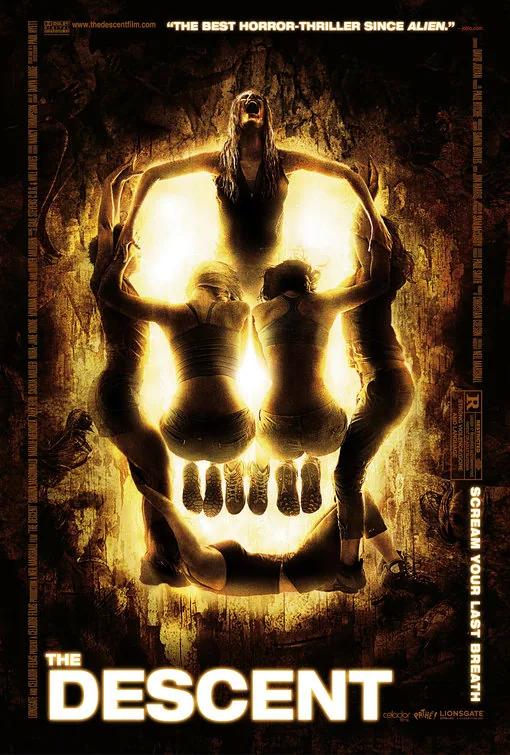
The unreported cave route makes rescue unlikely before the creatures appear; the collapse and Juno’s deception trap the group physically and socially. The cut matters too: the original UK ending retains a bleaker final coda than the US theatrical version, changing the last beat of Sarah’s escape.
Why this matches +
These offer a related experience with a meaningful difference in story, tone, or presentation.
An adjacent discovery: a related idea with a different viewing experience.
Genres: Horror / Adventure
Shared film traits
Based on recorded story, mood and style. Your preferences can change the order.
Survival
What changes The Descent traps a group underground with predatory creatures and little hope of outside help.
A year after a car crash kills her husband and daughter, Sarah joins friends for a caving trip in the Appalachian Mountains. Their leader Juno takes them into an unexplored system instead of the route filed with authorities, leaving no reliable rescue plan when a collapse blocks their way back. A humanoid creature attacks the group, and the search for an exit becomes a desperate struggle in narrow tunnels. Sarah's grief and Juno's choices deepen the danger as the survivors lose trust in one another.
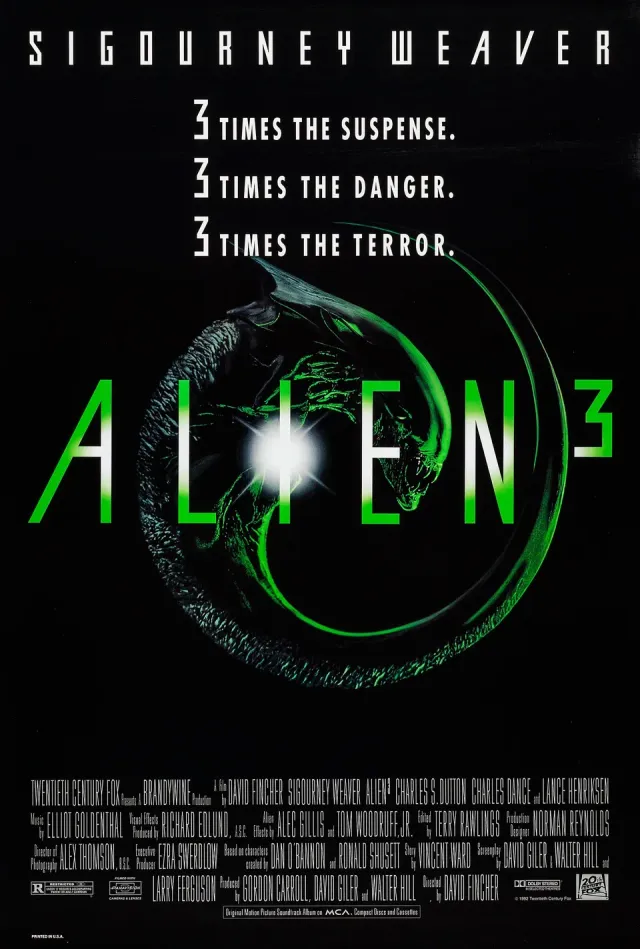
In the 1992 theatrical release, Ripley crash-lands on Fiorina 161, a remote prison colony where a small community of former inmates lives under a strict religious code and has little means to fight an alien. The organism's arrival turns their isolated settlement into a siege, while the company that might rescue them has reason to capture the creature instead. Ripley's grief and the danger inside her body make survival inseparable from refusing the use others intend for her. The later Assembly version changes major story details and is not a director-approved Fincher cut.
What drives the story
A creature loose in a sparsely armed penal colony makes escape difficult, while corporate rescue threatens to preserve the organism. The story compresses pursuit and moral refusal into an increasingly fatalistic siege.
The people at its centre
Ripley's distrust meets prisoners whose discipline can become solidarity, though their community's rules do not make her safe. Clemens offers care without undoing her isolation, and the company's authority treats her body as a resource.
What it feels like
Industrial corridors, dim light and a largely unarmed prison community replace the military team structure of the previous film. The 1992 theatrical cut and the later Assembly version differ in major structural details, including the opening and ending; identify the version when discussing character context or events.
Worth knowing
Connect it to confined-group horror and bodily autonomy under institutional control. Do not describe the Assembly Cut as a director's cut: David Fincher disowned the theatrical production and did not supervise that later assembly.