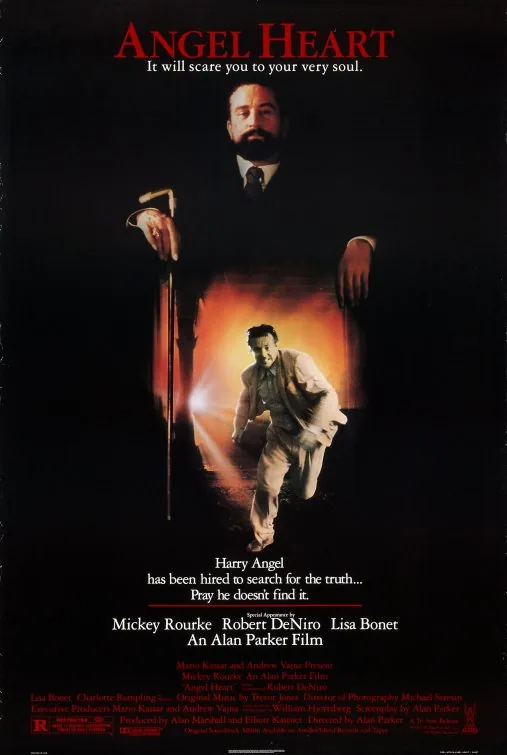
A 1950s private detective follows a missing singer from New York to New Orleans, where deaths and occult clues make his investigation increasingly personal and nightmarish.
What should feel similar?
Find your next favourite
5 films · Closest overall matches
Hide films you’ve seen or don’t want. Saved on this device.
No matches for this combination yet.
Try another option or reset your choices to see more films.
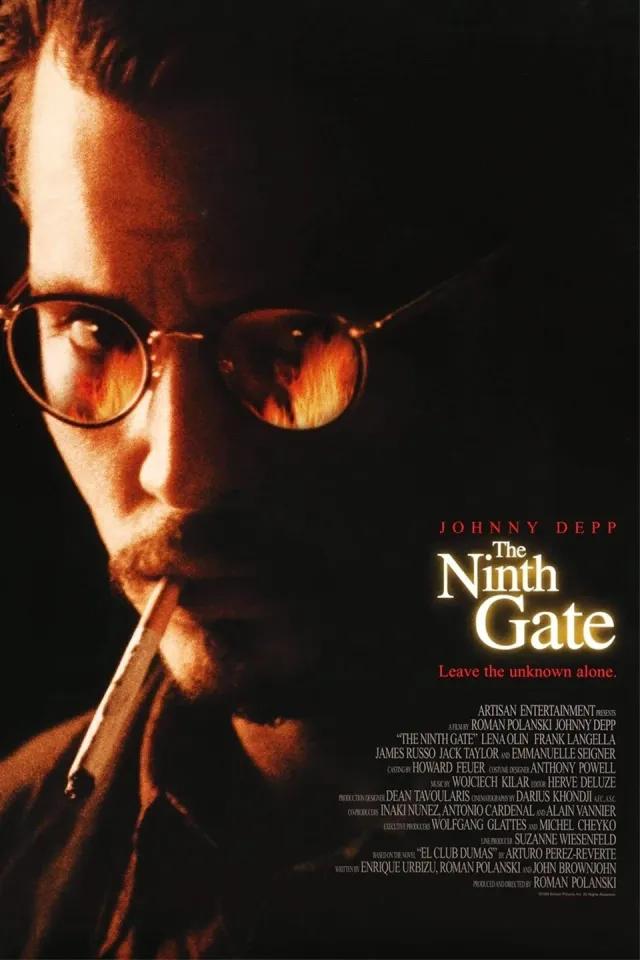
Authentication of three rare books becomes a contest in which each engraving may be a clue, and Balkan's private ambition turns scholarship into risk.
Why this matches +
A 1950s private detective follows a missing singer from New York to New Orleans, where deaths and occult clues make his investigation increasingly personal and nightmarish.
Genres: Thriller / Horror
Shared film traits
Based on recorded story, mood and style. Your preferences can change the order.
Investigation
What changes A rare-book dealer crosses Europe in a cooler, more cerebral mystery rather than a 1950s detective’s identity crisis in New Orleans.
Rare-book dealer Dean Corso is hired by collector Boris Balkan to authenticate a copy of a seventeenth-century illustrated volume said to contain instructions for summoning the Devil. Corso travels through Europe to compare Balkan's book with two other surviving copies, looking for discrepancies in their engravings. The owners and people around the books begin to die, while a mysterious woman repeatedly appears along Corso's route. His commercial instinct tells him to treat the assignment as an expensive connoisseur's puzzle, but Balkan's growing obsession makes the investigation increasingly dangerous. As the copies point toward a ritual, Corso must decide whether he is uncovering a fraud, a coordinated scheme or evidence of something genuinely supernatural.
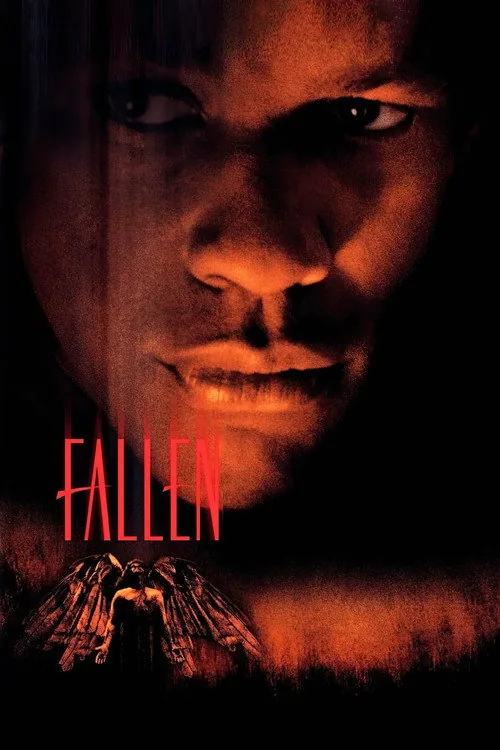
Hobbes follows clues connecting a recent murder spree to an executed killer and an older occult case.
Why this matches +
A 1950s private detective follows a missing singer from New York to New Orleans, where deaths and occult clues make his investigation increasingly personal and nightmarish.
Genres: Crime / Horror
Shared film traits
Based on recorded story, mood and style. Your preferences can change the order.
Investigation
What changes A contemporary police procedural about a body-hopping entity replaces Angel Heart’s period private eye and missing-singer case.
Philadelphia detective John Hobbes visits serial killer Edgar Reese shortly before Reese’s execution. When new murders echo Reese’s crimes, Hobbes investigates with his partner Jonesy and discovers a connection to a fallen angel called Azazel, who can move between human hosts through touch. Azazel begins targeting Hobbes and manipulating the people around him, turning the murder inquiry into a struggle to prove what cannot be explained by ordinary evidence. Gregory Hoblit’s supernatural crime thriller combines police procedure with a possession story built around identity, contagion, and an elusive enemy.
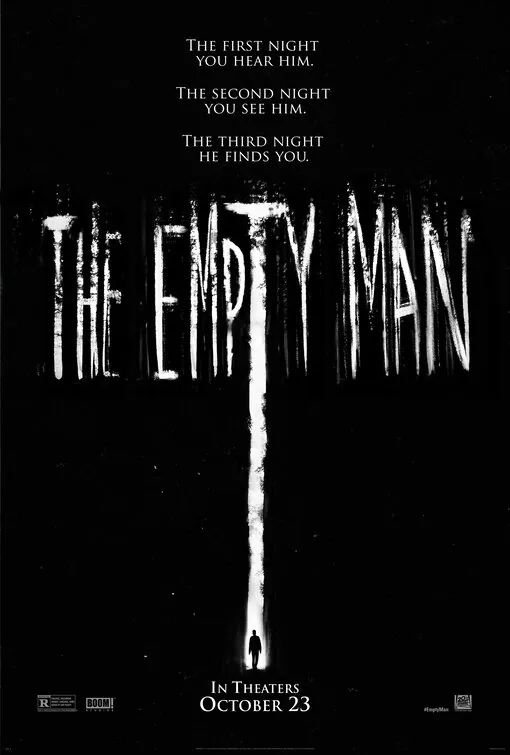
The missing teenager gives James a concrete case before its clues point toward a much larger belief system.
Why this matches +
Pair notes distinguish story, setting and tone.
An adjacent discovery: a related idea with a different viewing experience.
Genres: Horror / Mystery
Shared film traits
Based on recorded story, mood and style. Your preferences can change the order.
Investigation
What changes A modern urban legend and cult unfold in a more expansive cosmic-horror mystery than the sultry period noir.
Former police detective James Lasombra investigates the disappearance of a teenager whose friends connect it to an urban legend about a figure called the Empty Man. His search leads from a local ritual to a secretive organization and a broader, increasingly destabilizing presence. The supernatural mystery expands beyond a missing-person case, using investigation and perception to make the boundaries between belief, memory and reality uncertain.
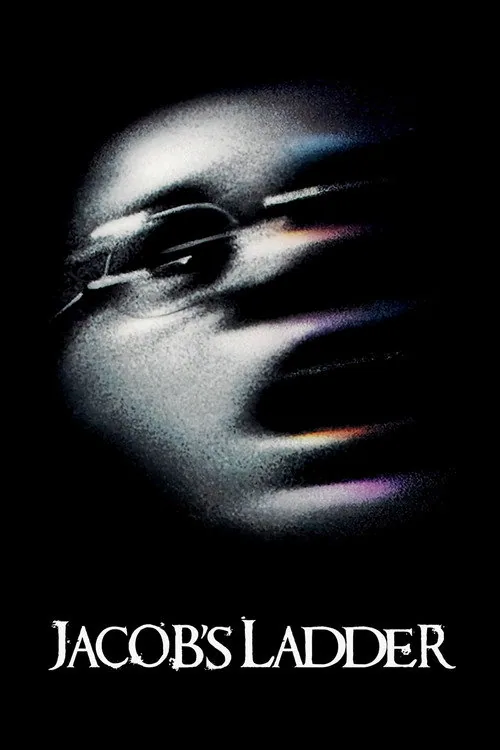
Jacob’s attempts to understand his hallucinations lead him toward a possible explanation for what happened to his unit.
Why this matches +
Pair notes distinguish story, setting and tone.
An adjacent discovery: a related idea with a different viewing experience.
Genres: Horror / Drama
Shared film traits
Based on recorded story, mood and style. Your preferences can change the order.
Memory and identity
What changes A Vietnam veteran’s trauma and urban paranoia replace a detective-for-hire mystery and occult client.
After returning from Vietnam, former soldier Jacob Singer lives in Brooklyn and is troubled by disturbing visions, fragmented memories, and the sense that reality keeps shifting around him. His search for an explanation draws in fellow veterans and people from his present life, but each apparent answer deepens the uncertainty. Adrian Lyne’s psychological horror film moves between memory, paranoia, and spiritual imagery, asking viewers to experience Jacob’s disorientation rather than rely on a stable investigative viewpoint.
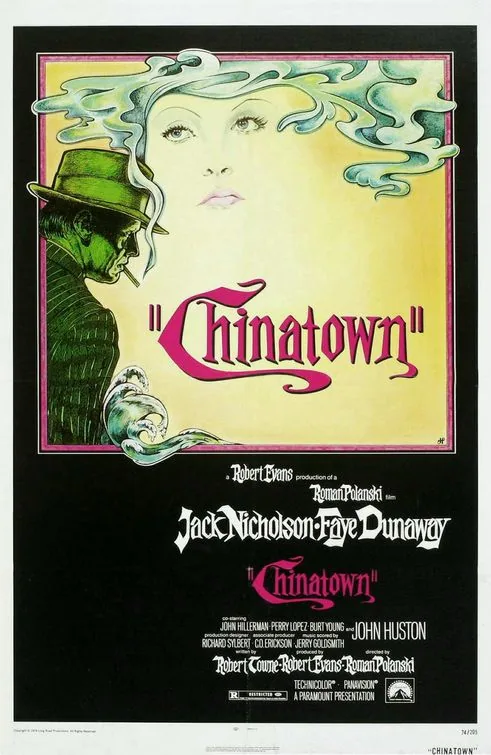
A small surveillance assignment expands into a confrontation with wealth whose authority reaches beyond the investigator's practical ability to expose or restrain it.
Why this matches +
Pair notes distinguish story, setting and tone.
An adjacent discovery: a related idea with a different viewing experience.
Genres: Mystery / Crime
Shared film traits
Based on recorded story, mood and style. Your preferences can change the order.
Investigation
What changes A grounded Los Angeles corruption noir has no supernatural force and concerns water and family power rather than a missing singer.
A private investigator accepts what appears to be a routine marital surveillance job and becomes involved in a death connected to a dispute over water. A wealthy woman's inconsistent explanations seem to promise an ordinary deception, but the evidence points towards forms of power that control both public resources and intimate lives. His confidence in reading other people's motives becomes a liability when the harm he is approaching exceeds the categories of the job he thought he took.
In 1950s New York, private investigator Harry Angel is hired by the elegant Louis Cyphre to locate Johnny Favorite, a singer who disappeared after the war. Following the trail through New Orleans brings Harry into contact with people who know more than they are willing to say, and with deaths that make his professional distance increasingly untenable. The case begins as a missing-person inquiry but becomes a struggle over identity, memory and desire. Its occult elements do not simply decorate the noir plot: they change what it means for the detective to discover the truth.
What drives the story
The search for a missing singer moves from a conventional client assignment into a chain of encounters that implicate the investigator himself. Each clue narrows the case while making Harry's own identity less secure.
The people at its centre
Harry's professional bargaining with Cyphre grows into a dangerous dependence, while his contact with witnesses becomes intimate as well as investigative. His confidence that he can remain an observer is steadily undermined.
What it feels like
Period-noir locations and a patient investigative rhythm gradually give way to occult dread and graphic bodily violence. New Orleans is presented through a stylized outsider's gaze, not as a social or religious survey.
Worth knowing
Compare mysteries where the detective's concealed identity makes investigation a form of complicity. Do not treat the film's use of Voodoo as an accurate account of a living religion or reduce its supernatural reveal to a neutral procedural solution.