Based on recorded story, mood and style. Your preferences can change the order.
Investigation
What changes Fallen: a detective pursuing a copycat murder pattern learns that the killer can move between human hosts.. Jigsaw: puzzle-driven and escalating.
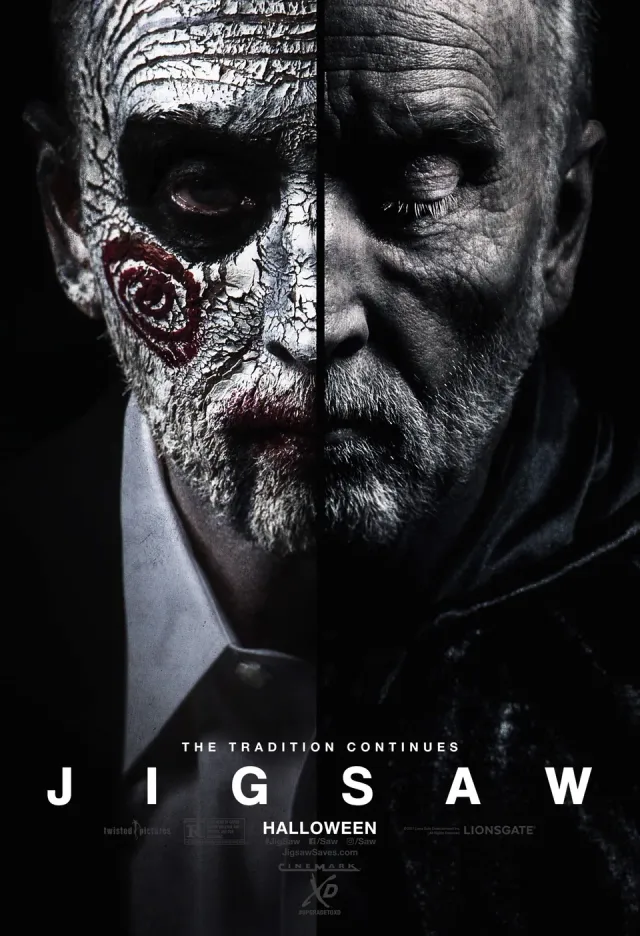
A new series of elaborate murders appears to imitate the methods of John Kramer, the serial killer known as Jigsaw, years after his reported death. As detectives investigate, several captives awaken in a barn and are forced through tests built around their past choices. The film alternates between the police inquiry and the deadly games, using hidden connections and delayed revelations to extend the franchise's puzzle-box structure.
Both share themes of trust, plus a paranoid atmosphere.
Why this matches +
Genres: Horror
Shared film traits
Based on recorded story, mood and style. Your preferences can change the order.
Investigation
What changes Fallen: a detective pursuing a copycat murder pattern learns that the killer can move between human hosts.. The Bye Bye Man: mystery discovery builds toward psychological and physical danger.
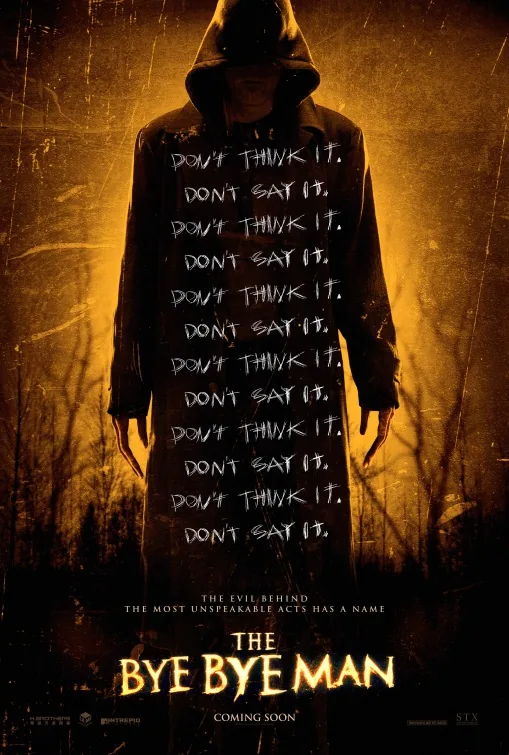
Three college students uncover a supernatural figure connected to a rule about not speaking or thinking his name. Their attempts to understand the legend make the threat harder to escape, while suspicion fractures their relationships. The horror film uses a contagious idea as its central mechanism, combining occult mystery with a story about how fear and doubt can spread through a close group.
Based on recorded story, mood and style. Your preferences can change the order.
Investigation
What changes Fallen: a detective pursuing a copycat murder pattern learns that the killer can move between human hosts.. The Empty Man: a procedural opening gradually broadens into cosmic horror.
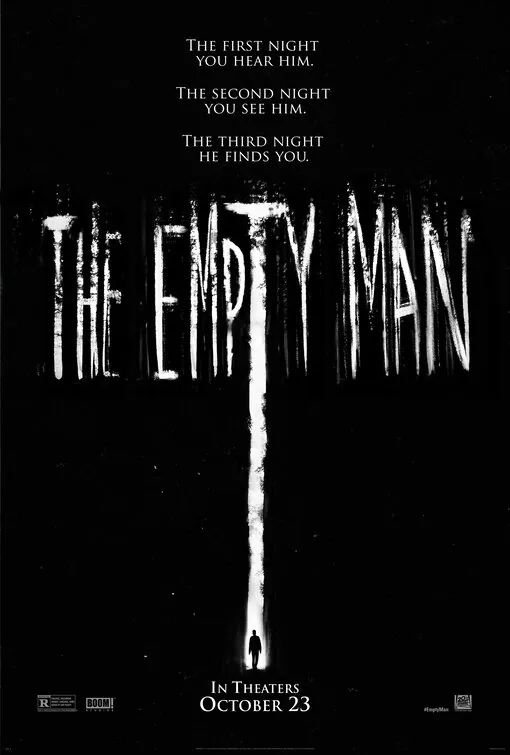
Former police detective James Lasombra investigates the disappearance of a teenager whose friends connect it to an urban legend about a figure called the Empty Man. His search leads from a local ritual to a secretive organization and a broader, increasingly destabilizing presence. The supernatural mystery expands beyond a missing-person case, using investigation and perception to make the boundaries between belief, memory and reality uncertain.
Based on recorded story, mood and style. Your preferences can change the order.
Investigation
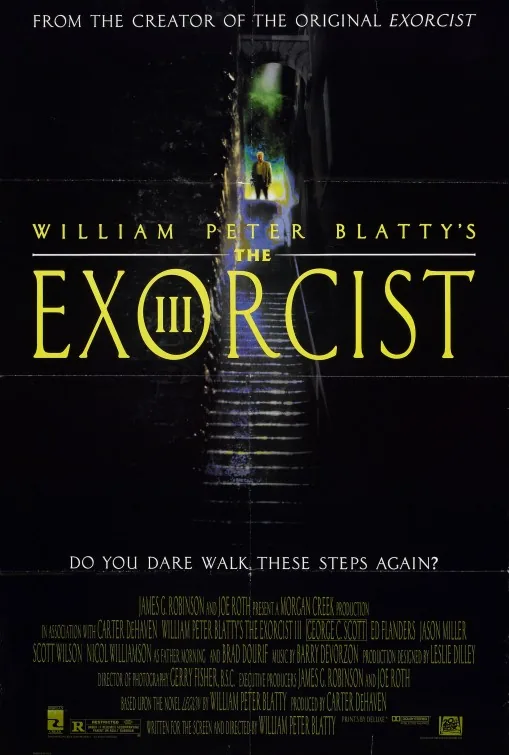
What changes Fallen: a detective pursuing a copycat murder pattern learns that the killer can move between human hosts.. The Exorcist III: slow-burn and dialogue-led.
Detective William Kinderman investigates a series of murders that resemble crimes committed by a dead serial killer. His case leads to a psychiatric ward patient whose identity and connection to the past challenge rational explanation. The horror film gives the investigation room to develop through conversations, clues and quiet dread, treating faith and grief as part of the mystery rather than only spectacle.
Both share themes of trust, plus a paranoid atmosphere.
Why this matches +
Genres: Horror / Thriller
Shared film traits
Based on recorded story, mood and style. Your preferences can change the order.
Investigation
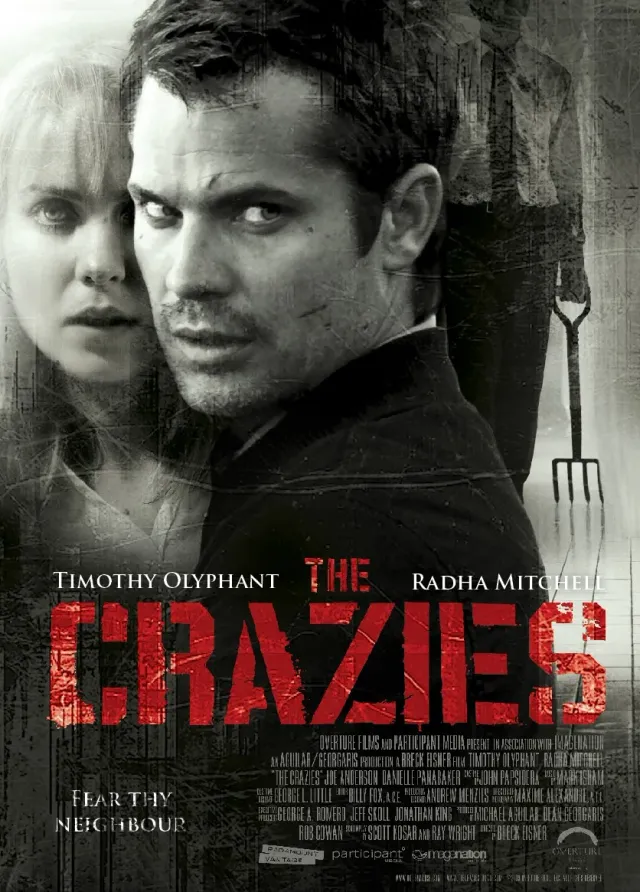
What changes Fallen: a detective pursuing a copycat murder pattern learns that the killer can move between human hosts.. The Crazies: steady escalation into pursuit.
After strange behavior spreads through Ogden Marsh, Sheriff David Dutton and his deputy uncover a connection between the town’s violence and a contaminated water supply. David tries to protect his doctor wife Judy as residents lose trust in authorities and in one another. The horror remake turns a community’s ordinary routines into a survival problem, using quarantine and flight to explore how fear dismantles social bonds.
Based on recorded story, mood and style. Your preferences can change the order.
Investigation
What changes Fallen: a detective pursuing a copycat murder pattern learns that the killer can move between human hosts.. I See You: slow-burn opening, midpoint perspective change and twist-driven suspense.
When a young boy disappears in a small Ohio town, detective Greg Harper leads the investigation while trying to repair his strained family life. His wife Jackie’s affair has left their son Connor angry, and unexplained disturbances begin occurring inside their house. The kidnapping case and the family’s domestic problems gradually intersect as the film revisits events from changing perspectives. Adam Randall’s psychological thriller uses shifting genre expectations and carefully withheld information; it contains child abduction and murder themes.
Both share serial-killer investigation, plus a paranoid atmosphere.
Why this matches +
Genres: Horror
Shared film traits
Based on recorded story, mood and style. Your preferences can change the order.
Investigation
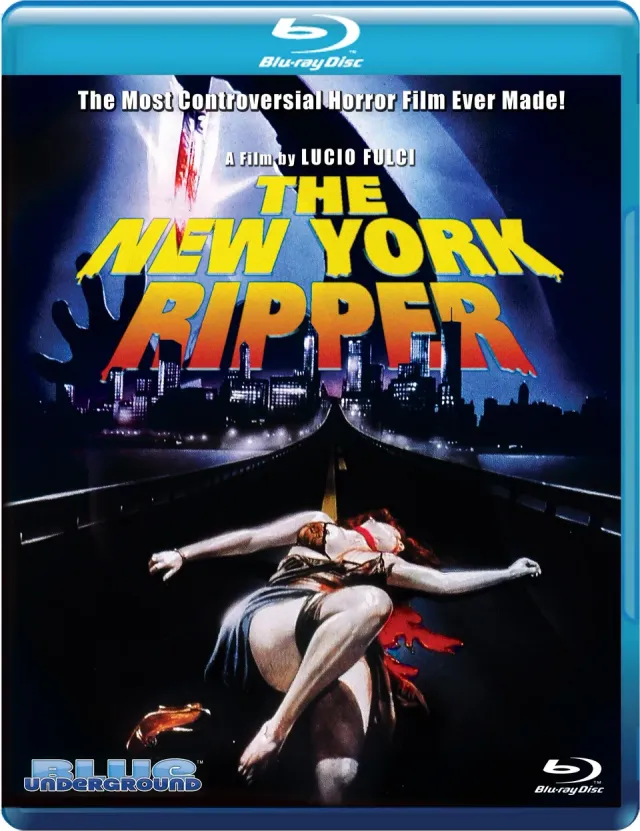
What changes Fallen: a detective pursuing a copycat murder pattern learns that the killer can move between human hosts.. The New York Ripper: procedural clues, fragmented encounters, rising pressure and abrupt violence.
New York detective Fred Williams investigates a series of murders marked by a killer’s strange duck-like voice and shifting methods. With police leadership concerned about public panic, Williams works with psychotherapist Paul Davis and follows clues through ferry terminals, apartments, nightlife and the adult-entertainment district. Witnesses offer fragments rather than a dependable account, and the killer’s taunting calls make the investigation feel personal. The case exposes Williams to a city where violence is both hidden and publicized, while the film’s harsh presentation makes its portrait of misogyny and urban fear central to the experience.
Both share themes of identity, plus a paranoid atmosphere.
Why this matches +
Genres: Thriller / Horror
Shared film traits
Based on recorded story, mood and style. Your preferences can change the order.
Investigation
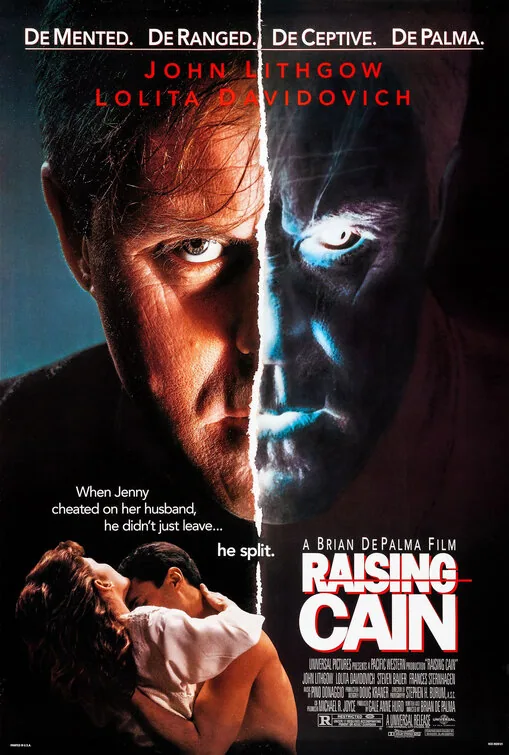
What changes Fallen: a detective pursuing a copycat murder pattern learns that the killer can move between human hosts.. Raising Cain: mystery with sharp subjective reversals.
Child psychologist Carter Nix's wife becomes alarmed by his intense attention to their daughter, while the film reveals fractures in Carter's identity and a trail of abductions tied to his family. Brian De Palma turns domestic unease into a deliberately theatrical psychological thriller, using surveillance, doubles and shifting points of view to keep perception unstable. The story asks how care can become control when professional authority and private pathology overlap.
Based on recorded story, mood and style. Your preferences can change the order.
Investigation
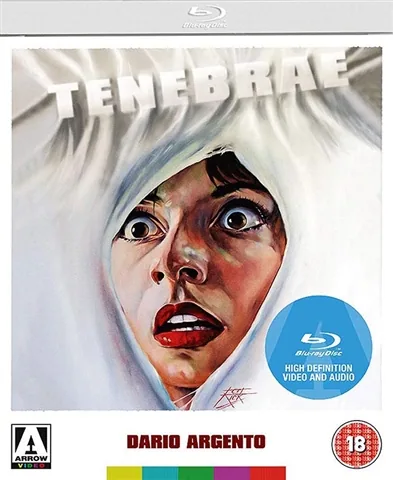
What changes Fallen: a detective pursuing a copycat murder pattern learns that the killer can move between human hosts.. Tenebrae: clue-driven, deliberate camera movement, escalating reversals and sudden violent interruptions.
American horror novelist Peter Neal arrives in Rome to promote his latest book, Tenebrae, and soon receives a message from someone claiming that his fiction has inspired a killing spree. Police captain Germani, an admirer of Neal’s work, asks him to assist as murders unsettle the people around the writer. The investigation draws in Neal’s assistant Anne, agent Bullmer, television interviewer Cristiano Berti and Neal’s former fiancée Jane. Suspects and evidence keep shifting as the crimes appear to borrow details from the novel. The film turns its clue trail into a study of authorship, obsession and how easily a confident explanation can become another form of deception.
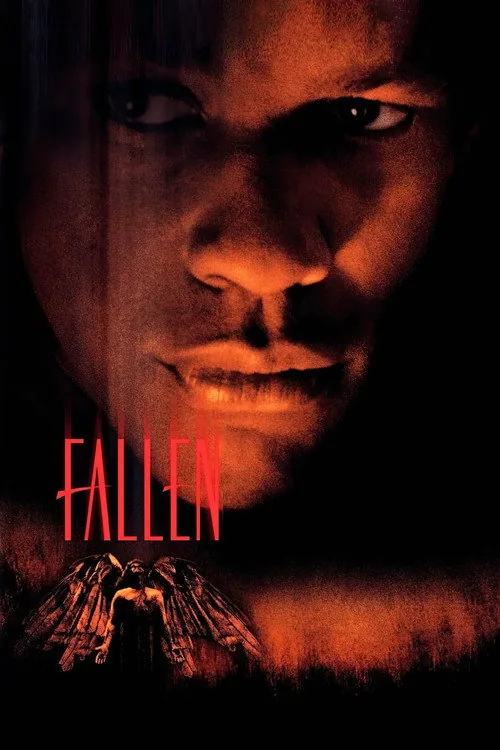
Philadelphia detective John Hobbes visits serial killer Edgar Reese shortly before Reese’s execution. When new murders echo Reese’s crimes, Hobbes investigates with his partner Jonesy and discovers a connection to a fallen angel called Azazel, who can move between human hosts through touch. Azazel begins targeting Hobbes and manipulating the people around him, turning the murder inquiry into a struggle to prove what cannot be explained by ordinary evidence. Gregory Hoblit’s supernatural crime thriller combines police procedure with a possession story built around identity, contagion, and an elusive enemy.
What drives the story
Hobbes follows clues connecting a recent murder spree to an executed killer and an older occult case.
The people at its centre
Azazel’s ability to inhabit different people makes even familiar allies uncertain and dangerous.
What it feels like
The film includes murders, possession, suicide, and peril to a child.
Worth knowing
Its central mystery shifts from identifying a human suspect to tracking a supernatural force across hosts.
IdentityGood and evilTrust
Mood
Eerie · Noir · Paranoid
Pacing
A detective pursuing a copycat murder pattern learns that the killer can move between human hosts.
Visual style
Gritty Philadelphia locations · Procedural framing · Occult details