Explore films connected to Border 2 through duty and sacrifice, leadership under fire, national memory. Choose the qualities you want to carry into your next watch.
What should feel similar?
Find your next favourite
9 films · Closest overall matches
Hide films you’ve seen or don’t want. Saved on this device.
No matches for this combination yet.
Try another option or reset your choices to see more films.
Both share themes of duty and sacrifice, plus a patriotic atmosphere.
Why this matches +
Genres: Action / Drama
Shared film traits
Based on recorded story, mood and style. Your preferences can change the order.
War and civilian life
What changes Border 2: training and command structure establish the group, front-line conflict tests the soldiers and multiple operations build toward a shared outcome. Fighter: team assembly and training, escalating military response and large aerial action climax.
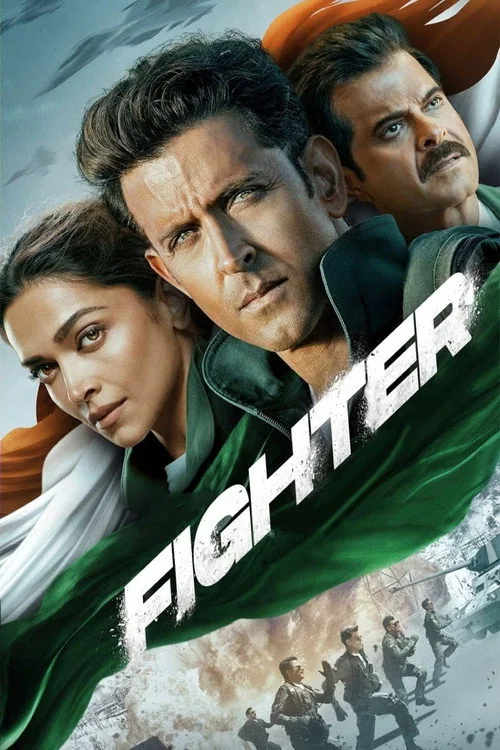
After a terrorist group targets an Indian Air Force base in Kashmir, group captain Rocky Jai Singh forms an elite unit called the Air Dragons. The pilots train and work together under pressure, including Patty Pathania, Minni Rathore, and their close teammates, while personal history and romance complicate the mission. When an attack escalates into cross-border conflict, the unit faces a series of high-risk aerial operations. The Hindi action drama combines patriotic spectacle with an ensemble story about discipline, grief, and trust among fighter pilots.
Based on recorded story, mood and style. Your preferences can change the order.
War and civilian life · Coming of age
What changes Border 2: training and command structure establish the group, front-line conflict tests the soldiers and multiple operations build toward a shared outcome. Ikkis: training forms the young officer, war brings him to the battlefield and memory connects the conflict's opposing sides.
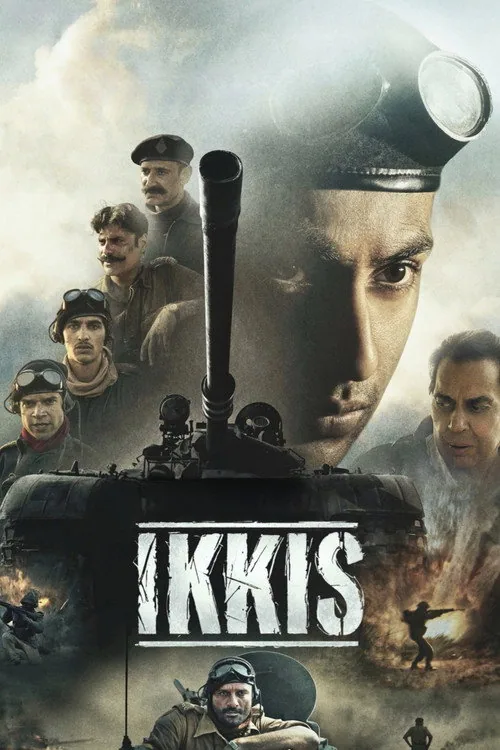
Ikkis portrays Second Lieutenant Arun Khetarpal, a young Indian tank commander whose actions during the 1971 India–Pakistan War made him the youngest recipient of India's Param Vir Chakra. The film follows his military training, friendships, emerging romance, and entry into combat as he wrestles with the fear and purpose of a soldier barely past adolescence. It also frames his story through a later encounter between his father and a former Pakistani officer. The Hindi biographical war drama joins battlefield action with remembrance and a call for human understanding across national lines.
Based on recorded story, mood and style. Your preferences can change the order.
War and civilian life
What changes Border 2: training and command structure establish the group, front-line conflict tests the soldiers and multiple operations build toward a shared outcome. Uri: The Surgical Strike: mission-driven, escalating action and procedural build.
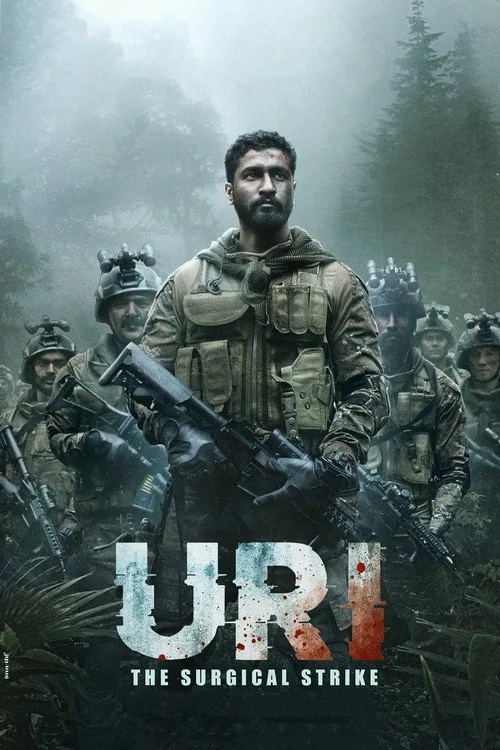
After a deadly attack on an Indian army base, a special forces officer, Major Vihaan Singh Shergill, joins a covert mission across the border to strike militant camps. The operation draws on intelligence, planning, and new military technology, while Vihaan’s personal history gives the mission an emotional dimension. As the team approaches its target, the story follows the pressure on command staff and soldiers coordinating an unusually high-risk response. This Hindi-language action drama dramatizes the 2016 Uri attack and the military operation that followed it.
Based on recorded story, mood and style. Your preferences can change the order.
War and civilian life
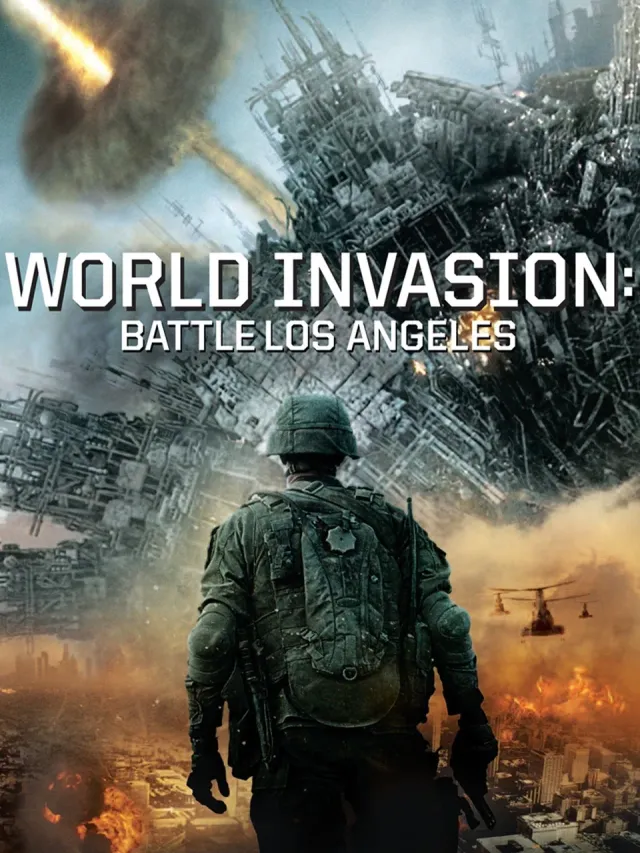
What changes Border 2: training and command structure establish the group, front-line conflict tests the soldiers and multiple operations build toward a shared outcome. Battle: Los Angeles: continuous and combat-driven.
A veteran Marine staff sergeant leads a mixed group of soldiers and civilians through a city under alien attack. The mission begins as an evacuation and narrows into an attempt to reach trapped survivors while an apparently unstoppable enemy controls the streets. The film treats invasion as a ground-level military emergency, focusing on unit cohesion, civilian protection and exhausted people making decisions under fire.
Based on recorded story, mood and style. Your preferences can change the order.
War and civilian life
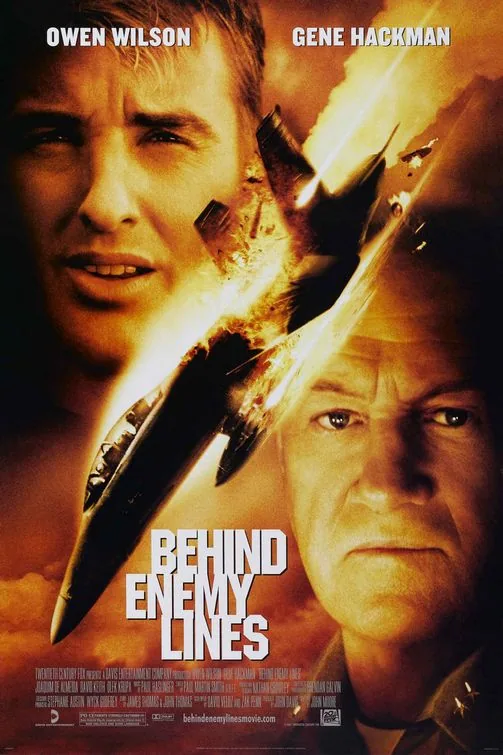
What changes Border 2: training and command structure establish the group, front-line conflict tests the soldiers and multiple operations build toward a shared outcome. Behind Enemy Lines: urgent and alternating viewpoints.
Behind Enemy Lines (2001), directed by John Moore, follows A U.S. Navy pilot is shot down over Bosnia during a reconnaissance flight and finds himself pursued across hostile terrain. His commanding officer must navigate military restrictions and political pressure while trying to bring him home. The film frames a rescue as a collision between individual survival and the procedures governing military intervention, with duty and command judgment under pressure.
Based on recorded story, mood and style. Your preferences can change the order.
War and civilian life
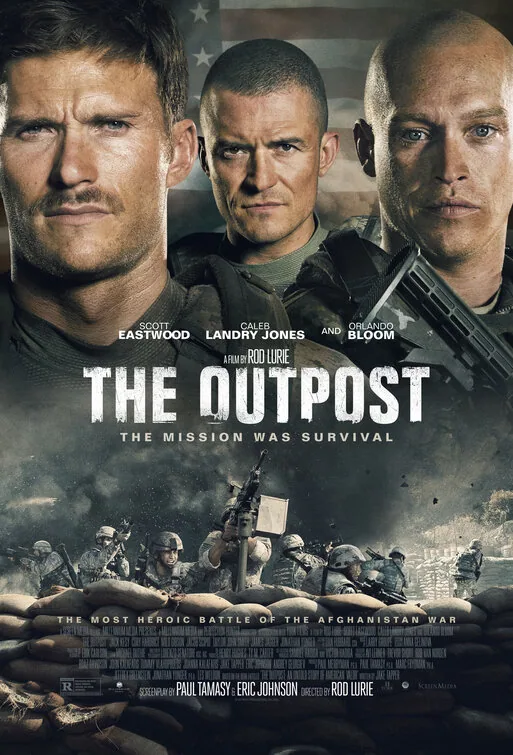
What changes Border 2: training and command structure establish the group, front-line conflict tests the soldiers and multiple operations build toward a shared outcome. The Outpost: base routines and patrols, attacks escalate, battle geography narrows options and collective defense climax.
U.S. soldiers stationed at Combat Outpost Keating in Afghanistan face repeated attacks from Taliban fighters and the dangers of holding an exposed base in a remote mountain valley. Captain Keating and later Staff Sergeant Clint Romesha lead a unit whose daily routines, patrols, and relationships unfold under sustained pressure. When a major assault overwhelms the position, the soldiers must defend one another and find a way to survive. Rod Lurie’s war film adapts Jake Tapper’s account of the Battle of Kamdesh as an ensemble story of isolation, leadership, and combat duty.
Based on recorded story, mood and style. Your preferences can change the order.
War and civilian life
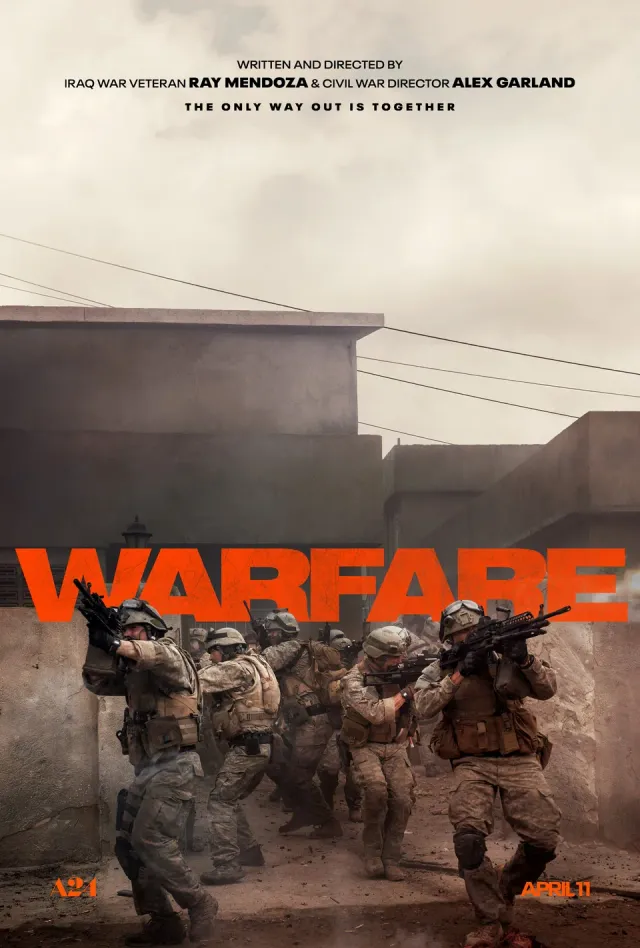
What changes Border 2: training and command structure establish the group, front-line conflict tests the soldiers and multiple operations build toward a shared outcome. Warfare: a near-continuous combat sequence follows a unit’s attempt to evacuate casualties.
During the Iraq War, a Navy SEAL platoon occupies a house in Ramadi to monitor enemy activity and support a larger operation. When an explosion and ambush leave several men wounded, the group must coordinate evacuation under fire. Based on Ray Mendoza’s experience, the film focuses on the immediate confusion of combat, presenting battlefield survival through communication, interdependence, and the physical limits of those trying to protect one another.
Based on recorded story, mood and style. Your preferences can change the order.
War and civilian life
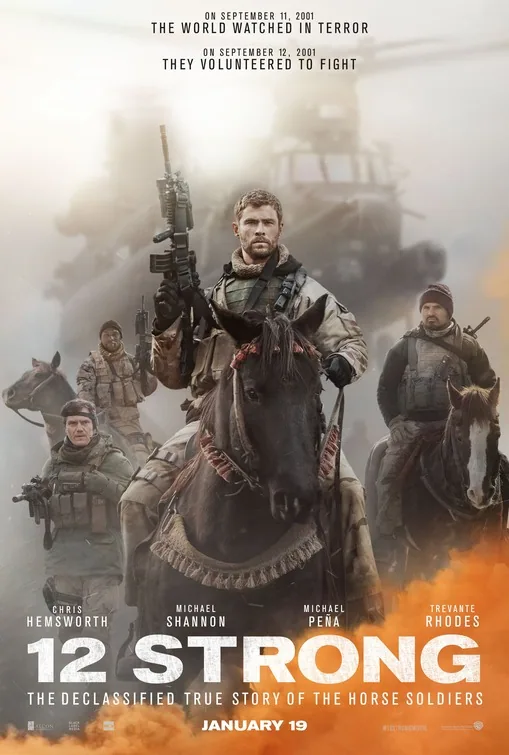
What changes Border 2: training and command structure establish the group, front-line conflict tests the soldiers and multiple operations build toward a shared outcome. 12 Strong: mission-based escalation.
Following the September 11 attacks, a small U.S. Army Special Forces team deploys to Afghanistan and partners with local commander Abdul Rashid Dostum. The soldiers move across difficult terrain on horseback while trying to coordinate against Taliban forces and gain control of strategic locations. The war film frames the operation through unit discipline and alliance, while showing how unfamiliar tactics and trust shape a dangerous early mission.
Based on recorded story, mood and style. Your preferences can change the order.
War and civilian life
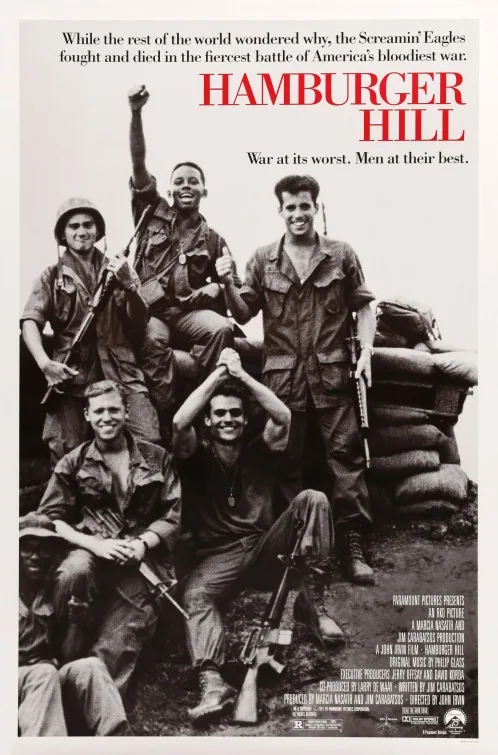
What changes Border 2: training and command structure establish the group, front-line conflict tests the soldiers and multiple operations build toward a shared outcome. Hamburger Hill: attritional battle with periods of preparation.
A platoon of American soldiers arrives in Vietnam in 1969 with inexperienced replacements and a battle-weary leadership. Their mission is to seize Hill 937, a steep and fortified position that becomes the focus of repeated assaults. The film follows the physical cost of attritional combat and the tensions among soldiers, including racial inequities, as the unit struggles to understand what its repeated sacrifices will accomplish.
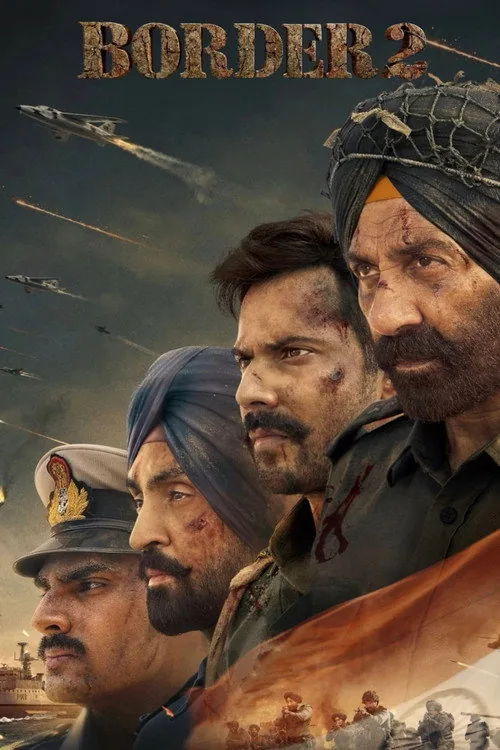
Border 2 revisits the 1971 India–Pakistan War through soldiers serving across multiple fronts. The story follows a new group of officers and military personnel, including Hoshiyar Singh Dahiya, Nirmaljit Singh Sekhon, and Mahendra Rawat, under the mentorship of Fateh Singh. Their training, leadership, and courage are tested as the conflict demands coordination across land and air operations. The Hindi war drama serves as a sequel to the 1997 film Border, expanding the franchise's focus on military sacrifice and the human experience of a national crisis.
What drives the story
Young officers and soldiers face the demands of the 1971 war across multiple fronts under the guidance of Fateh Singh.
The people at its centre
Mentorship and unit solidarity help the younger military figures make decisions amid danger, sacrifice, and competing operational needs.
What it feels like
A Hindi historical war spectacle combines battle sequences with an ensemble account of military courage and service.
Worth knowing
As a sequel to Border, it shifts to a new set of personnel and multiple fronts in the 1971 conflict.
duty and sacrificeleadership under firenational memory
Mood
patriotic · solemn · heroic
Pacing
training and command structure establish the group · front-line conflict tests the soldiers · multiple operations build toward a shared outcome
Visual style
large-scale battlefield scenes · period military equipment · aerial and ground combat imagery
Storytelling
1971 war spans multiple fronts · young officers learn under a mentor · military operations test courage and coordination