Explore films connected to Ikkis through courage and duty, war and remembrance, humanity across conflict. Choose the qualities you want to carry into your next watch.
What should feel similar?
Find your next favourite
9 films · Closest overall matches
Hide films you’ve seen or don’t want. Saved on this device.
No matches for this combination yet.
Try another option or reset your choices to see more films.
Based on recorded story, mood and style. Your preferences can change the order.
War and civilian life
What changes Ikkis: training forms the young officer, war brings him to the battlefield and memory connects the conflict's opposing sides. We Were Soldiers: battle-centered and intercut perspectives.
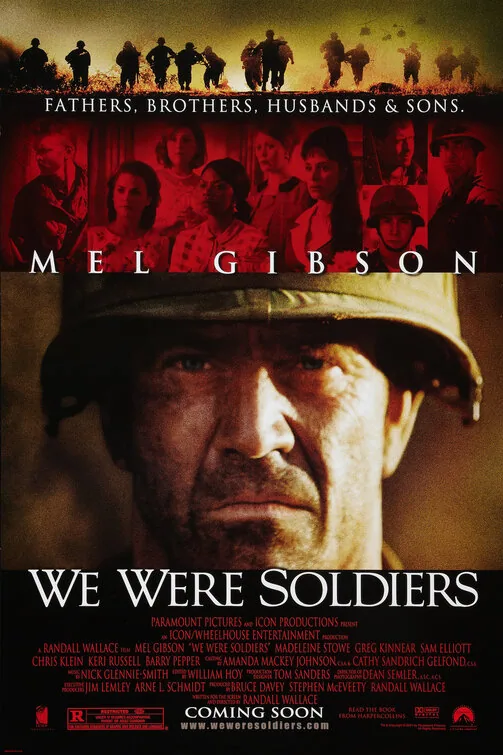
In 1965, Lieutenant Colonel Hal Moore leads a battalion into the Ia Drang Valley, where American forces face a much larger North Vietnamese presence. The film follows the soldiers through a prolonged, difficult battle and also returns to the families waiting at home, especially Moore’s wife Julie as she helps deliver casualty news. Rather than presenting the conflict only through command decisions, it connects battlefield pressure to the people who bear its consequences at a distance. The story is based on Moore and journalist Joseph Galloway’s account of the battle. Casualty letters and the wives' support network create parallel suspense at home. The story moves between orders in the valley and the impact of each notification.
Based on recorded story, mood and style. Your preferences can change the order.
War and civilian life
What changes Ikkis: training forms the young officer, war brings him to the battlefield and memory connects the conflict's opposing sides. Sita Ramam: gradual discovery, romance-led and emotional crescendo.
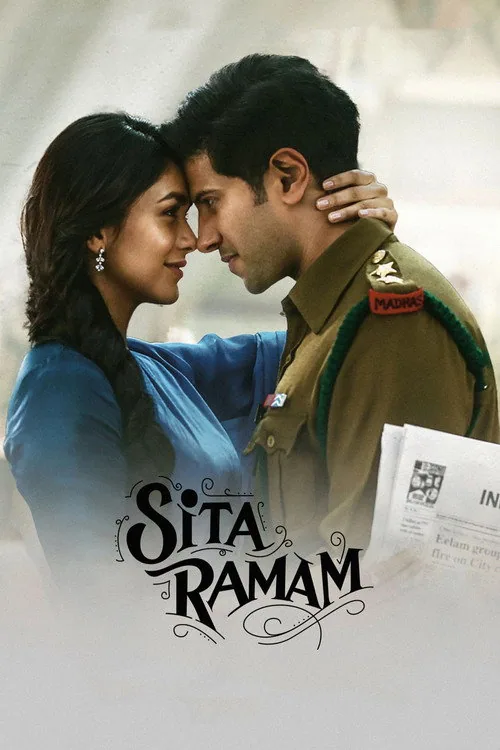
In 1985, Afreen is tasked with delivering a letter that an Indian soldier named Ram wrote to Sita decades earlier but that never reached its destination. Her search takes her from London to Hyderabad and leads her to retired officer Vikas, who can explain Ram’s service in Kashmir and the relationship behind the letter. As Afreen reconstructs the past from testimony and memory, a romance emerges against a backdrop of military conflict and divided loyalties. The film uses a delayed message to connect personal devotion with history.
Based on recorded story, mood and style. Your preferences can change the order.
War and civilian life
What changes Ikkis: training forms the young officer, war brings him to the battlefield and memory connects the conflict's opposing sides. Fighter: team assembly and training, escalating military response and large aerial action climax.
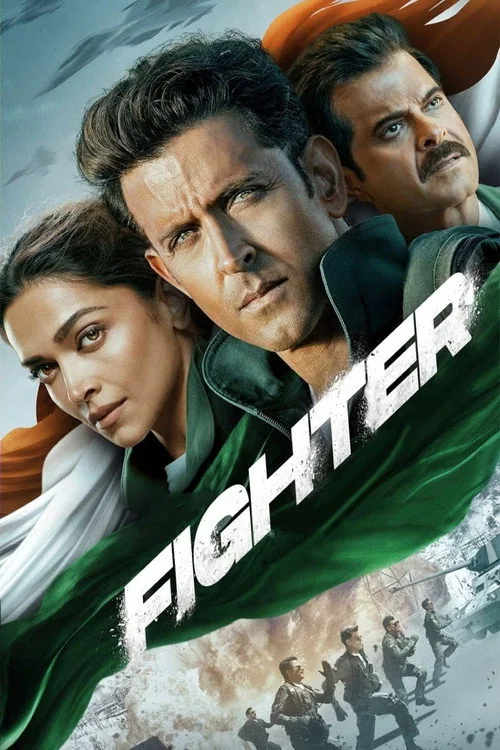
After a terrorist group targets an Indian Air Force base in Kashmir, group captain Rocky Jai Singh forms an elite unit called the Air Dragons. The pilots train and work together under pressure, including Patty Pathania, Minni Rathore, and their close teammates, while personal history and romance complicate the mission. When an attack escalates into cross-border conflict, the unit faces a series of high-risk aerial operations. The Hindi action drama combines patriotic spectacle with an ensemble story about discipline, grief, and trust among fighter pilots.
Based on recorded story, mood and style. Your preferences can change the order.
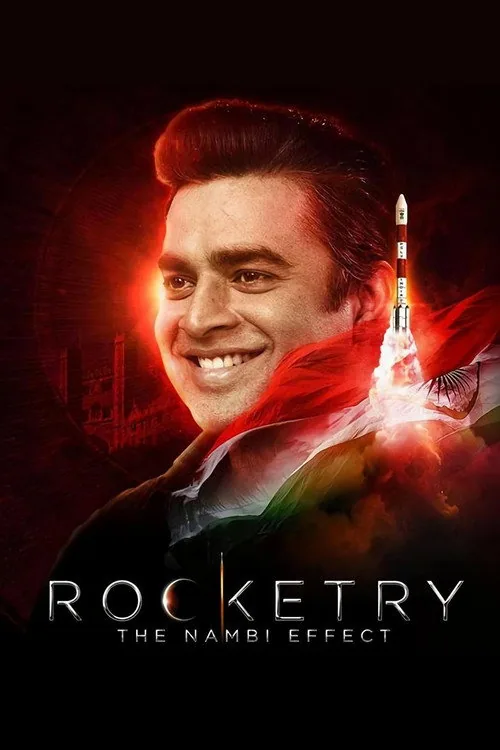
What changes Ikkis: training forms the young officer, war brings him to the battlefield and memory connects the conflict's opposing sides. Rocketry: The Nambi Effect: biographical time jumps, career milestones and legal and institutional setbacks.
This biographical drama follows Indian aerospace engineer Nambi Narayanan from his early work in rocket propulsion to his role in developing cryogenic technology for the national space program. A police investigation and espionage accusations interrupt his career, putting his family and reputation under pressure while his scientific ambitions remain tied to India's future in space. The film follows decades of professional achievement and public controversy through the perspective of a scientist confronting an institution and a case that threaten to define his life.
Based on recorded story, mood and style. Your preferences can change the order.
War and civilian life
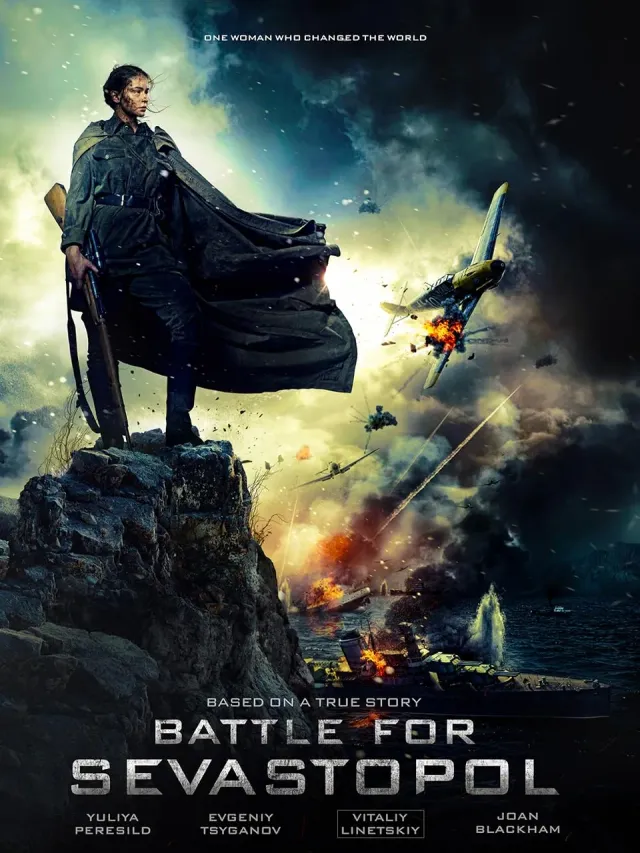
What changes Ikkis: training forms the young officer, war brings him to the battlefield and memory connects the conflict's opposing sides. Battle for Sevastopol: chronological and war-driven.
The film follows Lyudmila Pavlichenko from her studies in Kyiv into the Soviet army, where her skill as a sniper brings her to the Eastern Front. Her wartime service, relationships and later public advocacy take shape amid escalating violence and political pressure. Sergey Mokritsky combines a biographical portrait with large battle scenes, emphasizing both the cost of conflict and the way a woman’s achievements become part of a larger public narrative.
Based on recorded story, mood and style. Your preferences can change the order.
Coming of age · War and civilian life
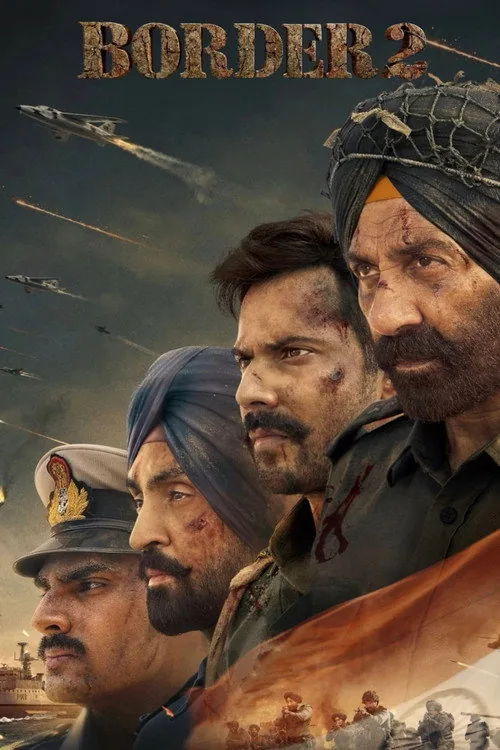
What changes Ikkis: training forms the young officer, war brings him to the battlefield and memory connects the conflict's opposing sides. Border 2: training and command structure establish the group, front-line conflict tests the soldiers and multiple operations build toward a shared outcome.
Border 2 revisits the 1971 India–Pakistan War through soldiers serving across multiple fronts. The story follows a new group of officers and military personnel, including Hoshiyar Singh Dahiya, Nirmaljit Singh Sekhon, and Mahendra Rawat, under the mentorship of Fateh Singh. Their training, leadership, and courage are tested as the conflict demands coordination across land and air operations. The Hindi war drama serves as a sequel to the 1997 film Border, expanding the franchise's focus on military sacrifice and the human experience of a national crisis.
Based on recorded story, mood and style. Your preferences can change the order.
Coming of age · War and civilian life
What changes Ikkis: training forms the young officer, war brings him to the battlefield and memory connects the conflict's opposing sides. Tolkien: childhood and school formation, university romance and fellowship and war experience and return.
The film follows J. R. R. Tolkien from an imaginative childhood through the friendships and hardships that shaped his early adulthood. After his widowed mother dies, he and his brother are taken under the care of a priest and later join a close circle of school friends who share art, languages, and literary ambition. Tolkien also falls in love with Edith Bratt, but separation and the First World War test their relationship and his sense of purpose. The biographical drama connects personal loss, fellowship, and wartime experience to the writer's creative life.
Based on recorded story, mood and style. Your preferences can change the order.
War and civilian life
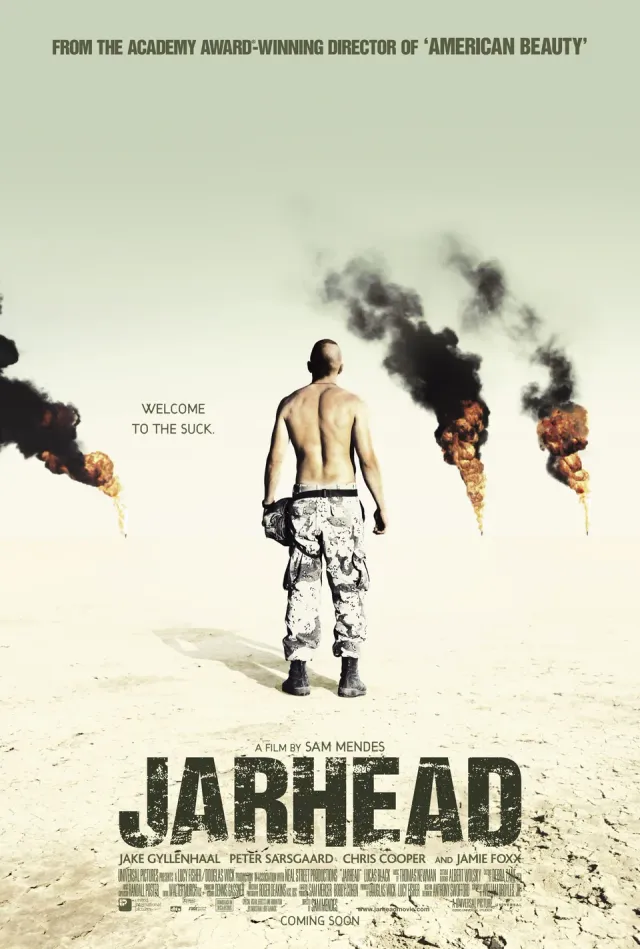
What changes Ikkis: training forms the young officer, war brings him to the battlefield and memory connects the conflict's opposing sides. Jarhead: measured and intermittent surges.
A young Marine enlists during the Gulf War and trains for deployment, only to find that much of military life consists of waiting under severe physical and psychological pressure. The film follows his unit through preparation, boredom and sudden danger, focusing on what conflict does to identity when direct combat is intermittent. It is a war drama about routine, frustration and expectation.
Based on recorded story, mood and style. Your preferences can change the order.
War and civilian life
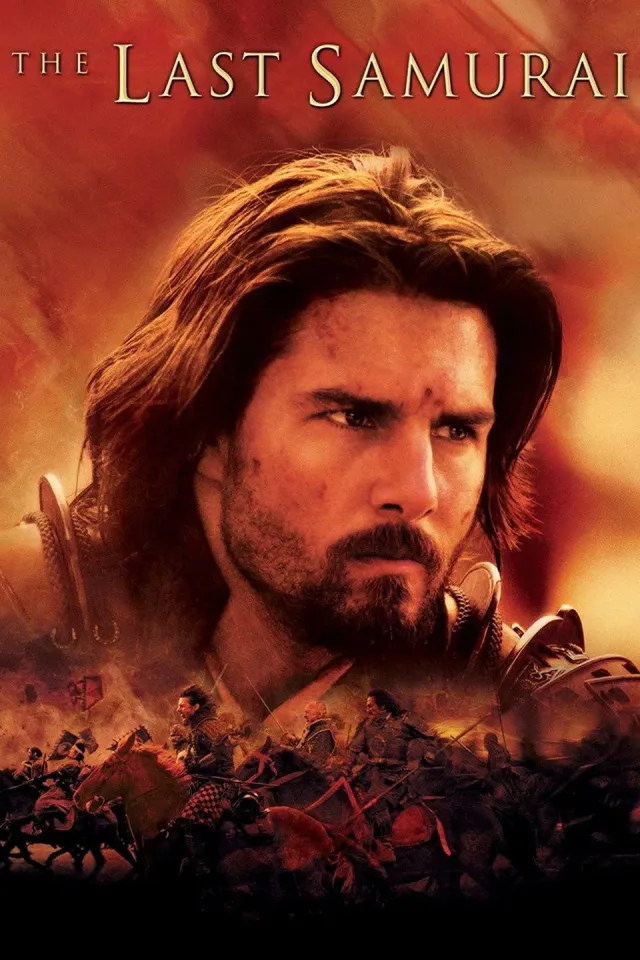
What changes Ikkis: training forms the young officer, war brings him to the battlefield and memory connects the conflict's opposing sides. The Last Samurai: training and cultural adjustment and final battle.
Former U.S. Army captain Nathan Algren is hired to train Japan’s new imperial army, but its recruits are sent into battle before they are ready. Captured by samurai leader Katsumoto, Algren is taken to a village where he gradually learns the language and daily rhythms of the people he was sent to fight. His military past and his experiences in the village change how he understands the conflict, while Katsumoto challenges the government’s rapid modernization. When the imperial army prepares a final attack, Algren must decide where his loyalties lie. The film frames the rebellion through an American outsider’s transformation, making that perspective a major part of its appeal and its limits.
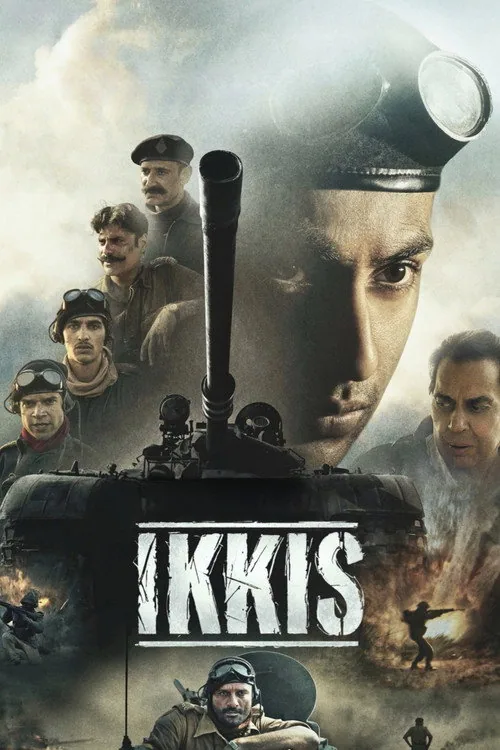
Ikkis portrays Second Lieutenant Arun Khetarpal, a young Indian tank commander whose actions during the 1971 India–Pakistan War made him the youngest recipient of India's Param Vir Chakra. The film follows his military training, friendships, emerging romance, and entry into combat as he wrestles with the fear and purpose of a soldier barely past adolescence. It also frames his story through a later encounter between his father and a former Pakistani officer. The Hindi biographical war drama joins battlefield action with remembrance and a call for human understanding across national lines.
What drives the story
Arun Khetarpal's rapid passage from young officer to battlefield commander anchors a biography of courage in the 1971 war.
The people at its centre
Arun's relationships with fellow soldiers, his romantic interest, and his family give a private dimension to his public military role.
What it feels like
A Hindi war biography alternates between training, combat, and reflective scenes about how a soldier's legacy is remembered.
Worth knowing
The film focuses on the youngest Param Vir Chakra recipient and frames wartime heroism through later cross-border remembrance.
courage and dutywar and remembrancehumanity across conflict
Mood
solemn · patriotic · reflective
Pacing
training forms the young officer · war brings him to the battlefield · memory connects the conflict's opposing sides
Visual style
military training and tank action · period war settings · intimate biographical scenes
Storytelling
biography of tank commander Arun Khetarpal · 1971 war action shapes the story · later generation remembers a fallen soldier