Explore films connected to Tolkien through friendship and creative fellowship, love interrupted by duty, loss transformed into imagination. Choose the qualities you want to carry into your next watch.
What should feel similar?
Find your next favourite
9 films · Closest overall matches
Hide films you’ve seen or don’t want. Saved on this device.
No matches for this combination yet.
Try another option or reset your choices to see more films.
Based on recorded story, mood and style. Your preferences can change the order.
War and civilian life
What changes Tolkien: childhood and school formation, university romance and fellowship and war experience and return. War and Peace: multi-part and long-form.
Across the Napoleonic era, Pierre Bezukhov, Prince Andrei Bolkonsky and Natasha Rostova search for purpose while Russia’s aristocratic society is repeatedly interrupted by war. Private life unfolds through balls, marriages, family conflict and shifting loyalties, but Napoleon’s invasion steadily alters what safety and honor mean. Bondarchuk’s adaptation follows several families across a long historical span, allowing characters who once imagined history from a distance to encounter its consequences directly. The film is often distributed in four parts and is unusually long, so its large battle scenes sit alongside intimate questions of love, ambition, grief and social expectation. It adapts Tolstoy’s novel rather than reducing it to a single hero’s campaign.
Based on recorded story, mood and style. Your preferences can change the order.
War and civilian life · Coming of age
What changes Tolkien: childhood and school formation, university romance and fellowship and war experience and return. Ikkis: training forms the young officer, war brings him to the battlefield and memory connects the conflict's opposing sides.
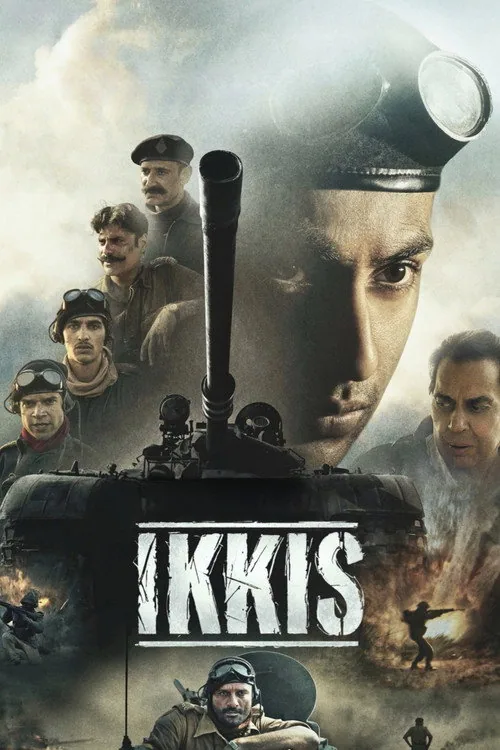
Ikkis portrays Second Lieutenant Arun Khetarpal, a young Indian tank commander whose actions during the 1971 India–Pakistan War made him the youngest recipient of India's Param Vir Chakra. The film follows his military training, friendships, emerging romance, and entry into combat as he wrestles with the fear and purpose of a soldier barely past adolescence. It also frames his story through a later encounter between his father and a former Pakistani officer. The Hindi biographical war drama joins battlefield action with remembrance and a call for human understanding across national lines.
Based on recorded story, mood and style. Your preferences can change the order.
War and civilian life
What changes Tolkien: childhood and school formation, university romance and fellowship and war experience and return. Atonement: measured and epic.
A young girl in an affluent English household misreads encounters between her older sister and the housekeeper's son, then gives testimony that converts private imagination into devastating institutional consequences. The separated couple's attempt to retain a future unfolds against prison, military service and wartime nursing. Later acts of narration revisit what can be known and repaired, exposing a gap between the consolations a story offers and the irreversible lives on which it depends.
Based on recorded story, mood and style. Your preferences can change the order.
War and civilian life · Coming of age
What changes Tolkien: childhood and school formation, university romance and fellowship and war experience and return. The Book Thief: episodic domestic drama and wartime escalation.
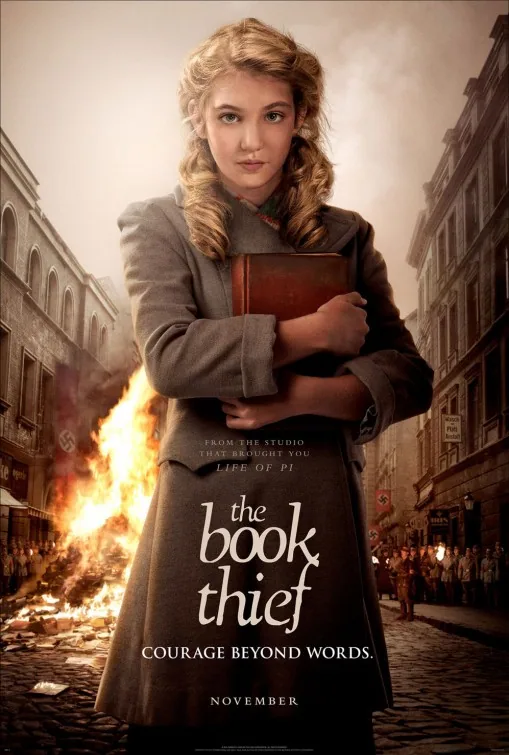
In Nazi Germany, young Liesel Meminger is sent to live with foster parents Hans and Rosa Hubermann. Hans teaches her to read after she takes a book at her brother's funeral, and she shares her new love of words with her friend Rudy. The Hubermanns later hide Max, a Jewish man whose family once helped Hans. As Liesel and Max build a friendship through stories, the danger of discovery shapes daily life in their home. The film is narrated by Death and follows the family through wartime loss toward a reunion after the war.
Based on recorded story, mood and style. Your preferences can change the order.
War and civilian life
What changes Tolkien: childhood and school formation, university romance and fellowship and war experience and return. Lee: episodic, flashback-framed and intensifying.
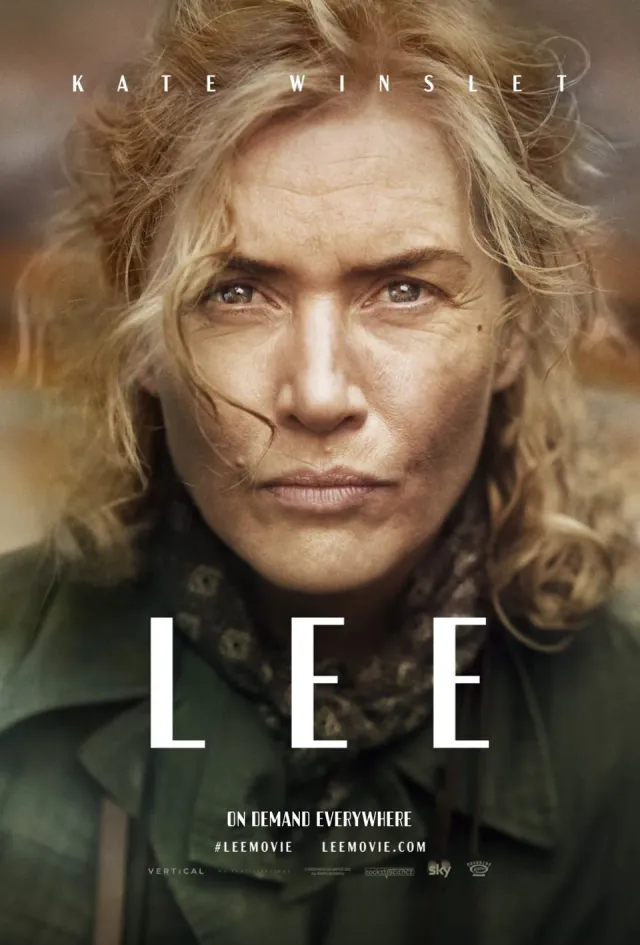
After finding a new purpose in photography, Lee Miller moves from modeling and artistic circles into the work of documenting the Second World War. As a correspondent, she travels with the Allied forces and records the human consequences of combat and liberation, including images that challenge the distance between observer and subject. The film frames this public work through an older Miller recalling her life, giving attention to the choices, relationships and personal cost behind a body of war photography.
Based on recorded story, mood and style. Your preferences can change the order.
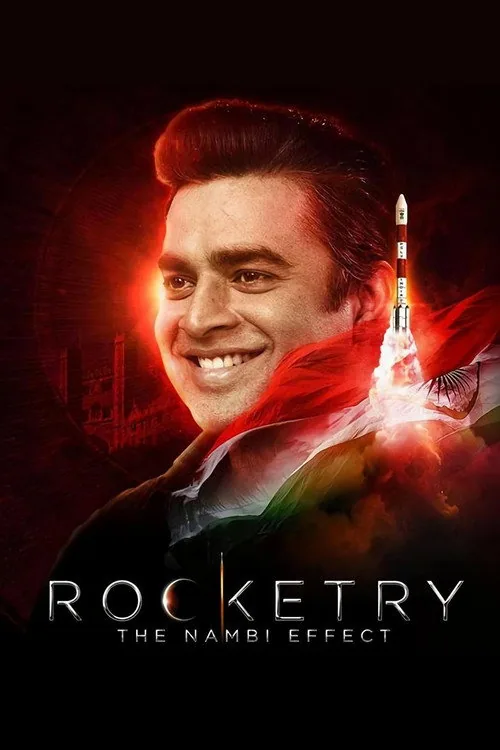
What changes Tolkien: childhood and school formation, university romance and fellowship and war experience and return. Rocketry: The Nambi Effect: biographical time jumps, career milestones and legal and institutional setbacks.
This biographical drama follows Indian aerospace engineer Nambi Narayanan from his early work in rocket propulsion to his role in developing cryogenic technology for the national space program. A police investigation and espionage accusations interrupt his career, putting his family and reputation under pressure while his scientific ambitions remain tied to India's future in space. The film follows decades of professional achievement and public controversy through the perspective of a scientist confronting an institution and a case that threaten to define his life.
Based on recorded story, mood and style. Your preferences can change the order.
War and civilian life
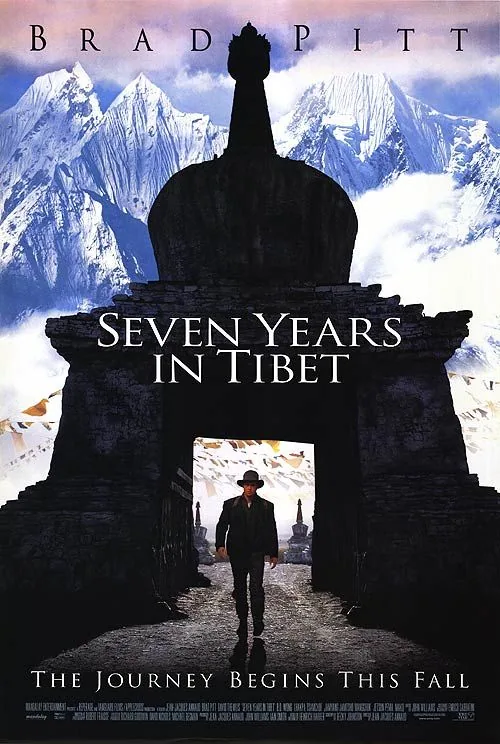
What changes Tolkien: childhood and school formation, university romance and fellowship and war experience and return. Seven Years in Tibet: measured, travelogue-like and historical escalation.
Austrian climber Heinrich Harrer leaves his pregnant wife to join an expedition, then becomes a prisoner of war when World War II begins. He and fellow mountaineer Peter Aufschnaiter escape and reach Lhasa, where Harrer gradually forms a friendship with the young Dalai Lama while the Chinese government advances into Tibet. The film contrasts Harrer’s early vanity and emotional absence with the attention he learns to give another person, then sends him back to face the son he never knew. His personal change unfolds alongside a political history the adaptation compresses into a Western traveler’s perspective.
Based on recorded story, mood and style. Your preferences can change the order.
War and civilian life
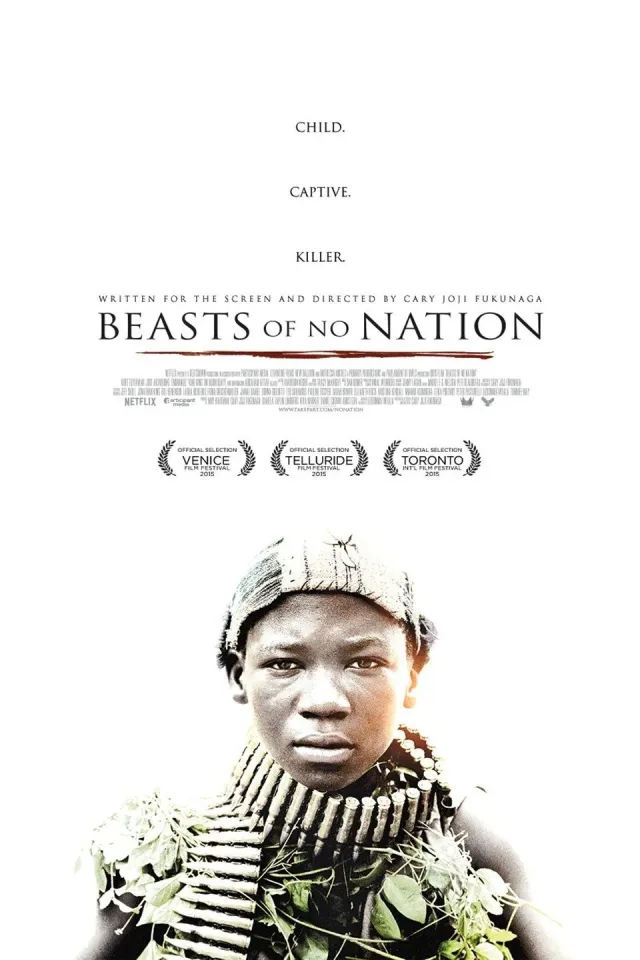
What changes Tolkien: childhood and school formation, university romance and fellowship and war experience and return. Beasts of No Nation: escalating and trauma-focused.
Agu’s life in a West African village is shattered when civil conflict separates him from his family and he is taken in by a rebel commander. He is trained as a child soldier and drawn into acts that reshape how he understands childhood, loyalty and survival. Cary Joji Fukunaga stays close to Agu’s point of view, making the film an intimate and harrowing portrait of war’s effects on a child rather than a conventional battlefield adventure.
Based on recorded story, mood and style. Your preferences can change the order.
War and civilian life
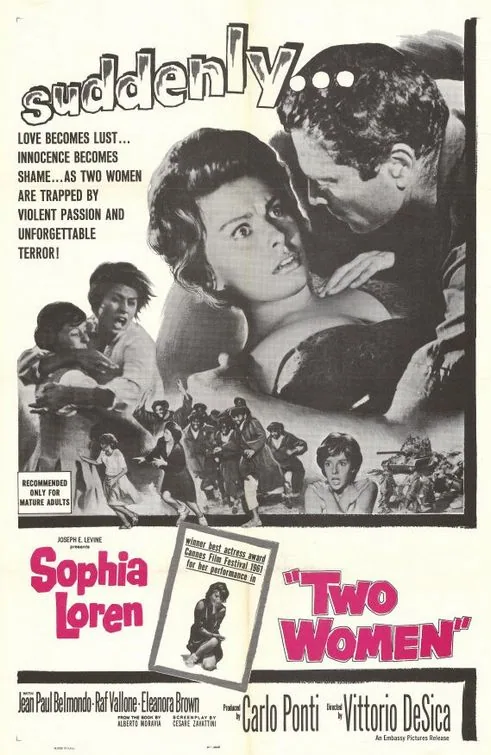
What changes Tolkien: childhood and school formation, university romance and fellowship and war experience and return. Two Women: slow build, abrupt rupture and quiet aftermath.
During the Allied bombing of Rome in 1943, widowed Cesira takes her thirteen-year-old daughter Rosetta toward the countryside she remembers as safer. They find temporary shelter and form a connection with Michele, an idealistic student whose opposition to fascism complicates his own safety. As the front shifts and mother and daughter begin the journey back, an assault by soldiers shatters Rosetta’s trust and changes their bond. The film draws on the historical memory of the 1944 mass rapes in central Italy, often called the Marocchinate, but remains a dramatization rather than a full account of that history. Cesira’s care cannot undo the harm, and survival is not a clean return to normal.
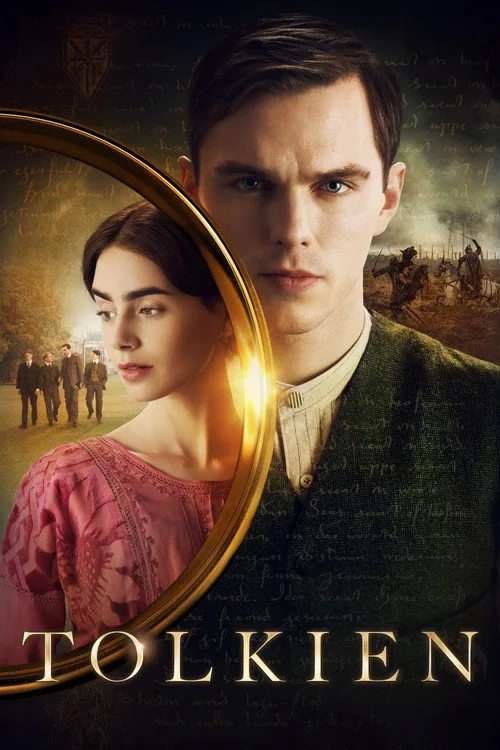
The film follows J. R. R. Tolkien from an imaginative childhood through the friendships and hardships that shaped his early adulthood. After his widowed mother dies, he and his brother are taken under the care of a priest and later join a close circle of school friends who share art, languages, and literary ambition. Tolkien also falls in love with Edith Bratt, but separation and the First World War test their relationship and his sense of purpose. The biographical drama connects personal loss, fellowship, and wartime experience to the writer's creative life.
What drives the story
Tolkien moves through loss, education, love, and war while his friendships and experiences shape the imaginative work he will later create.
The people at its centre
Edith and the members of the Tea Club and Barrovian Society give Tolkien intimate bonds that compete with family duty and the demands of war.
What it feels like
A biographical drama uses memories and visual motifs to connect an author's formative experiences with the worlds he would invent.
Worth knowing
It focuses on Tolkien's early years and the friendships behind his creative identity, not on a detailed adaptation of his fantasy novels.
friendship and creative fellowshiplove interrupted by dutyloss transformed into imagination
Mood
romantic · reflective · wartime melancholy
Pacing
childhood and school formation · university romance and fellowship · war experience and return
Visual style
Edwardian school and university settings · fantasy-like imagery linked to memory · contrasting pastoral scenes and trench warfare
Storytelling
orphaned boy finds mentors and friends · young writers form lifelong society · war tests love and creative ambition