Explore films connected to Breach through trust and deception, institutional vigilance, loyalty and betrayal. Choose the qualities you want to carry into your next watch.
What should feel similar?
Find your next favourite
9 films · Closest overall matches
Hide films you’ve seen or don’t want. Saved on this device.
No matches for this combination yet.
Try another option or reset your choices to see more films.
Based on recorded story, mood and style. Your preferences can change the order.
Investigation
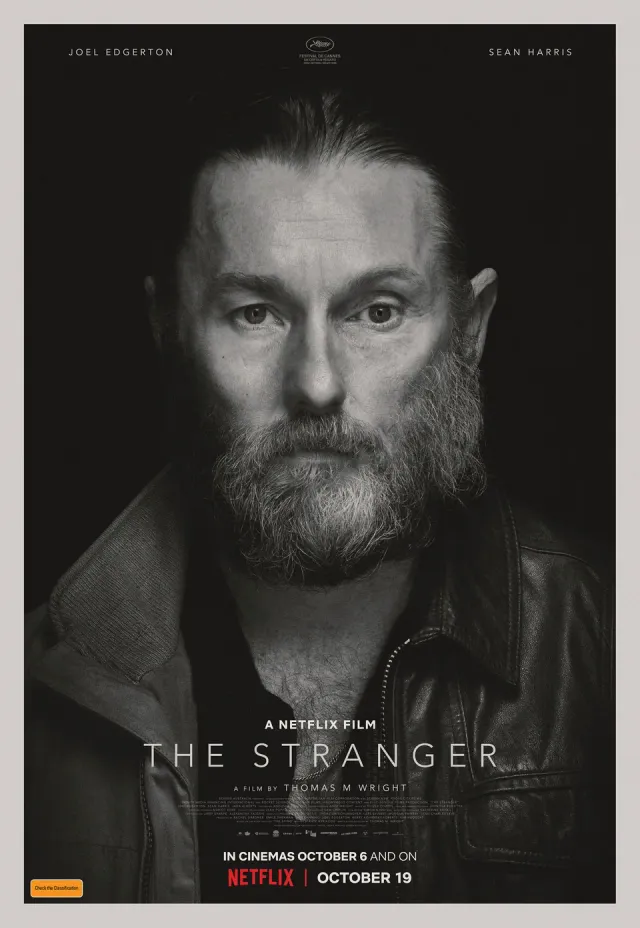
What changes Breach: slow procedural build, contained office tension and careful revelation. The Stranger: deliberate, patient, procedural and cumulative.
Undercover officers in Australia build a relationship with Henry Teague, a suspect in a child’s disappearance, as they work to secure a confession and evidence. Their operation relies on trust, patience and the performance of belonging to a criminal network. Thomas M. Wright’s slow-burn crime drama follows the strain this prolonged deception places on the officers and the suspect, drawing suspense from procedure and close observation.
Based on recorded story, mood and style. Your preferences can change the order.
Investigation
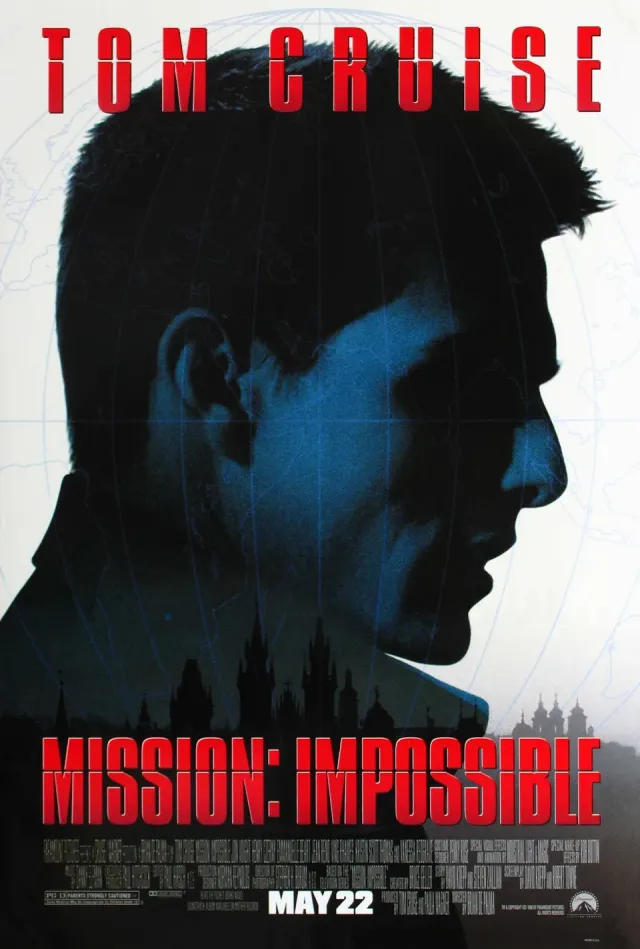
What changes Breach: slow procedural build, contained office tension and careful revelation. Mission: Impossible: steady and escalating.
An intelligence operative survives a mission in which his team is killed and then becomes the principal suspect in a security breach. Cut off from official support, he recruits an improvised group to obtain information that might expose the real betrayal. Deceptions within deceptions make both professional trust and the evidence used to establish it uncertain.
Based on recorded story, mood and style. Your preferences can change the order.
Investigation
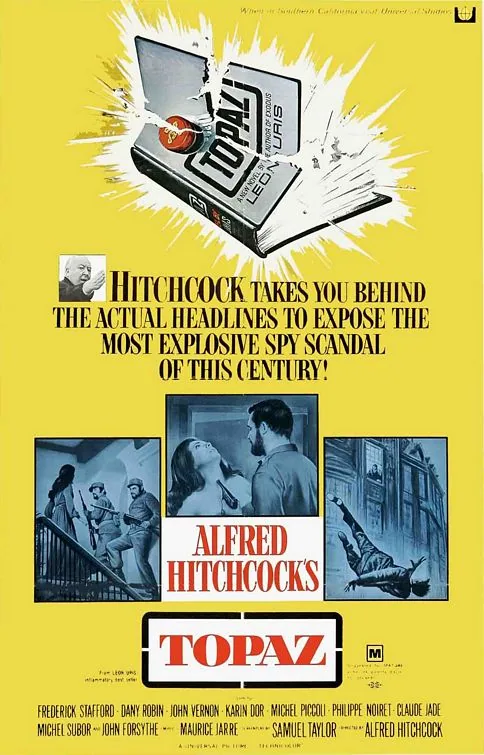
What changes Breach: slow procedural build, contained office tension and careful revelation. Topaz: episodic and international itinerary.
During the Cuban Missile Crisis, French intelligence officer André Devereaux is approached by a defecting Soviet agent and becomes involved in tracing a spy network linked to the crisis. His work takes him from Copenhagen toward Cuba and Washington, while his family and professional relationships are pulled into the consequences of intelligence gathering. An American agent helps direct the inquiry, but political alliances make information unreliable and turn exposure into a personal danger. Hitchcock frames espionage as a chain of compromised trust rather than a single hero’s technical mastery. Different intelligence services and unreliable contacts make the plot less a single spy hunt than a widening systems investigation.
Based on recorded story, mood and style. Your preferences can change the order.
Investigation
What changes Breach: slow procedural build, contained office tension and careful revelation. Sabotage: violent escalation and clue-led pursuit.
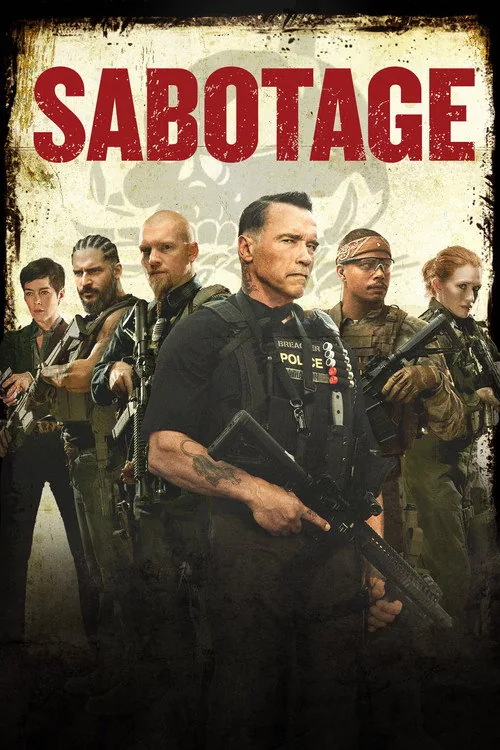
John Wharton leads an elite DEA team that raids a drug cartel safe house and secretly takes millions from its hidden cash. After the money disappears, members of the team are targeted and killed, turning their suspicions inward as investigators try to understand what happened. David Ayer’s action thriller follows a hard-edged group of agents whose loyalty and criminal entanglements are tested by violence, corruption, and a search for the source of the betrayal.
Based on recorded story, mood and style. Your preferences can change the order.
Investigation
What changes Breach: slow procedural build, contained office tension and careful revelation. The Report: document-driven procedure, gradual accumulation of evidence and political release climax.
In 2009, Senate staffer Daniel Jones is asked to review millions of pages of CIA records about the agency's post-9/11 interrogation program. Working with a small team, he documents how officials authorized and described the practices, while facing delays, political pressure, and resistance from the intelligence agency. Senator Dianne Feinstein backs the inquiry, but the report's publication becomes a struggle of its own. The political drama follows the patient work of assembling evidence and making an official record public.
Based on recorded story, mood and style. Your preferences can change the order.
What changes Breach: slow procedural build, contained office tension and careful revelation. The Lives of Others: slow burn.
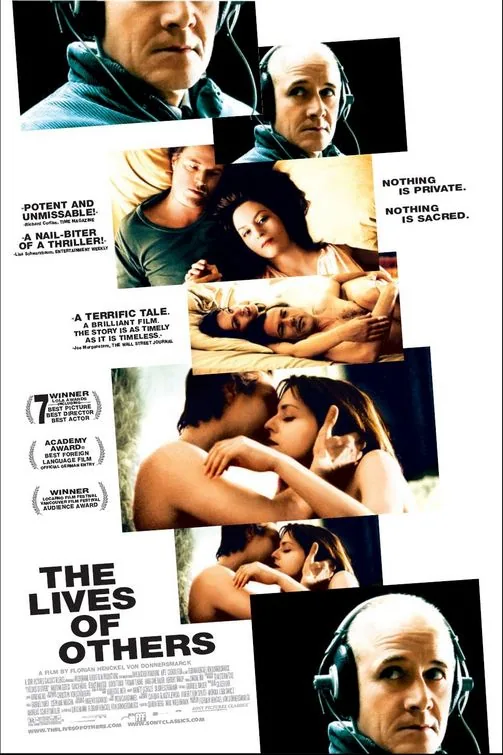
An East German surveillance officer is assigned to monitor a celebrated playwright and his partner, ostensibly for national security. Listening to their private life reveals artistic friendships, fear and a senior official's exploitative motive behind the operation. The officer's identification with people he is meant to expose creates small opportunities to intervene, but every altered report risks his position within an institution that treats conscience as disloyalty.
Based on recorded story, mood and style. Your preferences can change the order.
Investigation
What changes Breach: slow procedural build, contained office tension and careful revelation. Tinker Tailor Soldier Spy: nonlinear and patient.
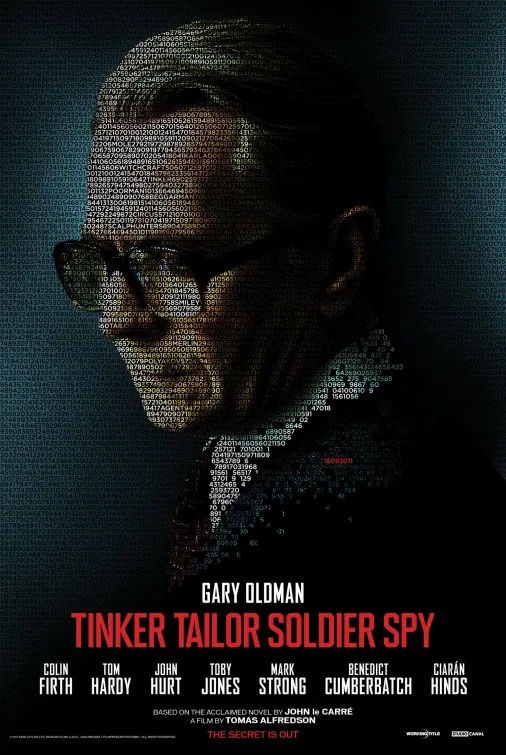
After a failed operation in Budapest, British intelligence suspects that a Soviet mole has reached the highest levels of the service. Retired officer George Smiley is quietly brought back to examine the evidence and identify which senior men can still be trusted. His investigation moves through fragmented memories, interviews and old case files rather than a sequence of action missions. Field agent Jim Prideaux’s experience of the failed operation gives the inquiry an emotional cost, while Smiley’s own history with his rival Karla complicates his return to a world built on concealment. Smiley’s marriage and long rivalry with Karla haunt the investigation, though the mole case remains his immediate problem.
Both share themes of institutional vigilance, plus a methodical atmosphere.
Why this matches +
Genres: Crime / Thriller
Shared film traits
Based on recorded story, mood and style. Your preferences can change the order.
Investigation
What changes Breach: slow procedural build, contained office tension and careful revelation. The Order: procedural build, surveillance and pursuit and rising threat.
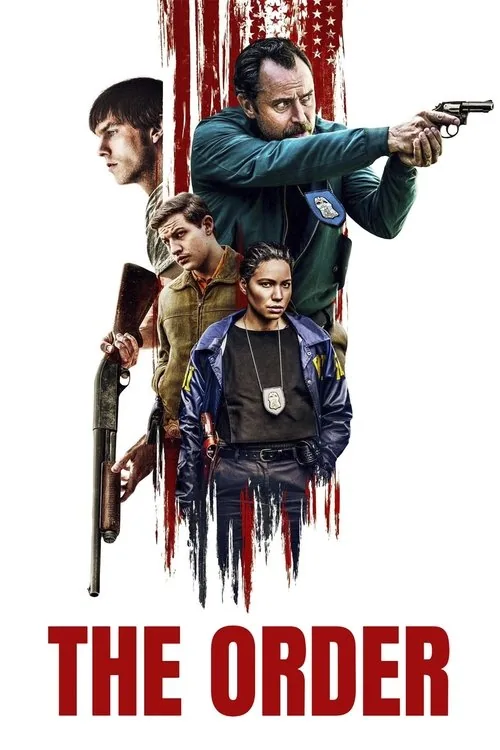
In the early 1980s, FBI agent Terry Husk reopens a field office in Idaho and begins investigating a string of robberies linked to white-supremacist militants. His pursuit of Bob Mathews and the group known as the Order draws him into a network of planned violence and ideological recruitment across the Pacific Northwest. Husk's professional focus is complicated by estrangement from his family and by the difficulty of building a case in a region where local loyalties run deep. The crime thriller is based on a real federal investigation and centers the effort to stop domestic extremist violence.
Based on recorded story, mood and style. Your preferences can change the order.
Investigation
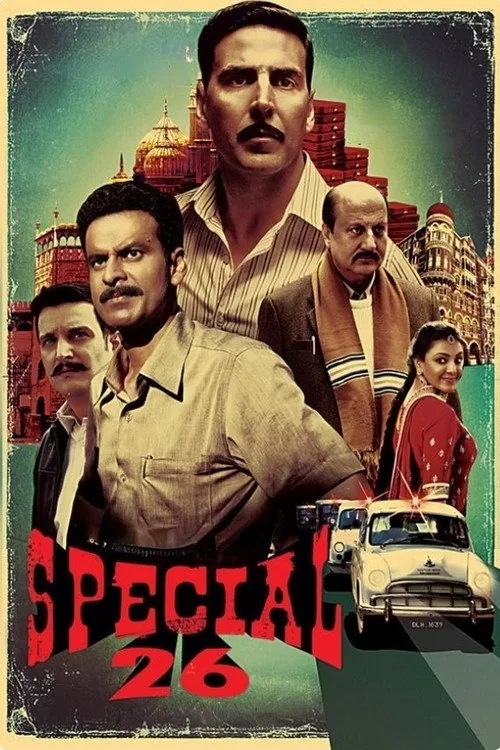
What changes Breach: slow procedural build, contained office tension and careful revelation. Special 26: procedural build, carefully staged heists and cat-and-mouse escalation.
Ajay Singh and his accomplices pose as government investigators, recruit unsuspecting local police to support their raids, and steal black money from powerful targets. They disperse after each operation and return to ordinary lives, while a real CBI officer begins to connect the deceptions. As the crew plans its most ambitious con, the film builds a measured cat-and-mouse contest around disguise, trust, and the practical details of a convincing fake raid.
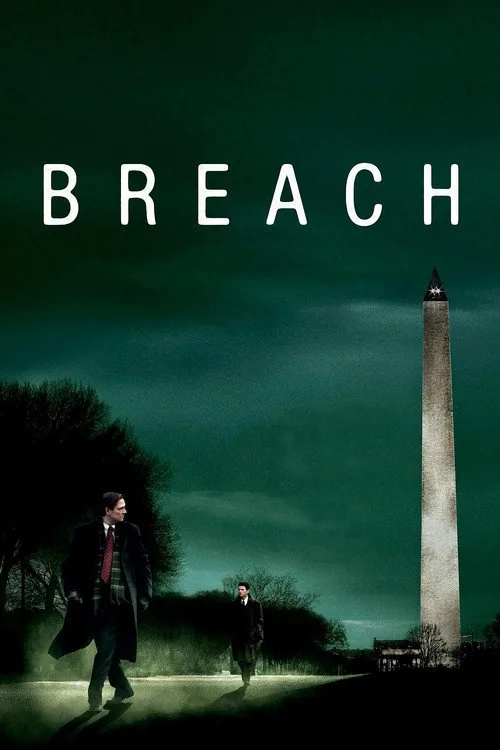
Young FBI employee Eric O'Neill is assigned to work undercover as a clerk for senior agent Robert Hanssen, officially to monitor suspected misconduct. Eric gradually discovers that the real concern is espionage and that Hanssen has been passing secrets to foreign intelligence for years. The assignment becomes a close study of how to gather evidence without alarming a powerful colleague who is both demanding and devout. Based on the investigation of a real FBI mole, the thriller favors psychological pressure and institutional procedure over action-heavy spy spectacle.
What drives the story
O'Neill's clerical assignment becomes an effort to document Hanssen's espionage while maintaining a convincing cover.
The people at its centre
The older agent's mentorship and scrutiny create a tense proximity that O'Neill must use without exposing his real purpose.
What it feels like
A restrained spy thriller derives suspense from conversation, observation, and the discipline of staying in character.
Worth knowing
It focuses on a real FBI counterintelligence investigation, not on glamorous field espionage or elaborate action missions.
trust and deceptioninstitutional vigilanceloyalty and betrayal
young agent placed undercover beside senior colleague · routine office work hides espionage investigation · evidence must be gathered without alerting target