Explore films connected to Brick through confinement and trust, survival through cooperation, fear of the unknown. Choose the qualities you want to carry into your next watch.
What should feel similar?
Find your next favourite
9 films · Closest overall matches
Hide films you’ve seen or don’t want. Saved on this device.
No matches for this combination yet.
Try another option or reset your choices to see more films.
Both share a claustrophobic and suspenseful atmosphere.
Why this matches +
Genres: Mystery / Thriller
Shared film traits
Based on recorded story, mood and style. Your preferences can change the order.
Constructed reality
What changes Brick: overnight discovery establishes confinement, neighbors test the wall and compare clues and escape effort deepens the mystery. The Hidden Face: breakup video and new romance establish unease, mysterious sounds attract investigation and revelation reveals a hidden perspective.
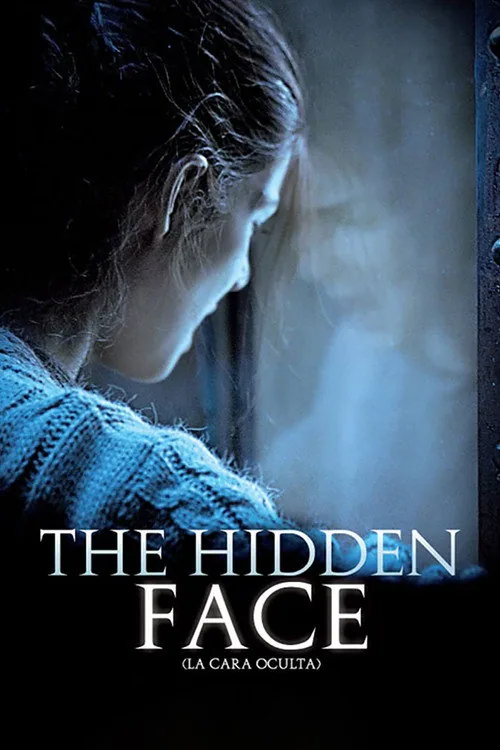
Orchestra conductor Adrián receives a video from his girlfriend Belén saying she has left him, then begins a relationship with Fabiana. When Fabiana moves into the house they once shared, strange sounds and unexplained changes make her suspect that the home contains something hidden. Police also investigate Belén's disappearance, while the audience gradually learns that the mansion's design holds a concealed room. The thriller uses domestic architecture and jealousy to transform an apparent haunting into a tense captivity mystery.
Based on recorded story, mood and style. Your preferences can change the order.
Constructed reality · Survival
What changes Brick: overnight discovery establishes confinement, neighbors test the wall and compare clues and escape effort deepens the mystery. Leave the World Behind: slow accumulation of disruptions.
A family’s rental-house holiday is unsettled when television and internet service fail, a tanker runs aground nearby, and the home’s owners arrive seeking shelter. As more signs suggest a coordinated crisis, the strangers must decide what to believe about one another without reliable news or communication. The psychological thriller keeps the source and scale of the emergency uncertain, using a domestic refuge to examine trust, fear, and social fracture.
Based on recorded story, mood and style. Your preferences can change the order.
What changes Brick: overnight discovery establishes confinement, neighbors test the wall and compare clues and escape effort deepens the mystery. Dream House: gradual unease and reframes information over time.
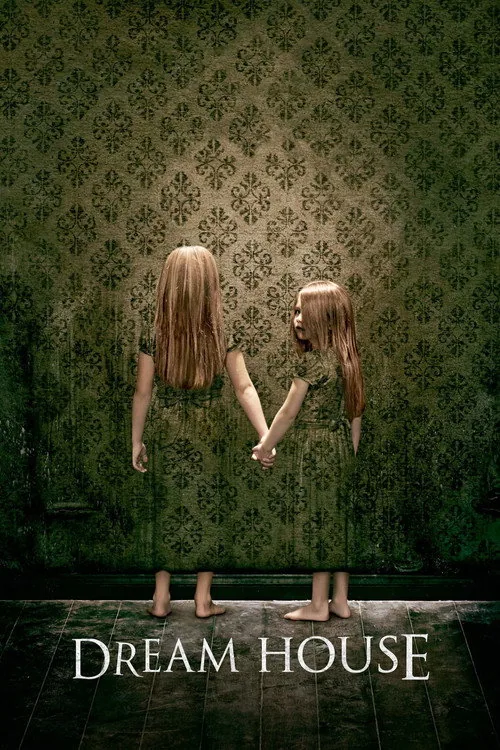
Publisher Will Atenton leaves his New York job and moves his wife and two daughters to a quiet Connecticut home, hoping to give them a calmer life. He learns that the previous residents were killed there and begins investigating the history as unsettling events disrupt the family’s sense of safety. Jim Sheridan’s psychological thriller places domestic comfort beside suspicion, using a father’s search for answers and the apparent boundaries between memory and present danger to shape its tension. The story is best approached without advance knowledge of its turns.
Based on recorded story, mood and style. Your preferences can change the order.
Constructed reality
What changes Brick: overnight discovery establishes confinement, neighbors test the wall and compare clues and escape effort deepens the mystery. Time Lapse: discovery and experimentation, rules and stakes accumulate and causal-loop thriller tightens.
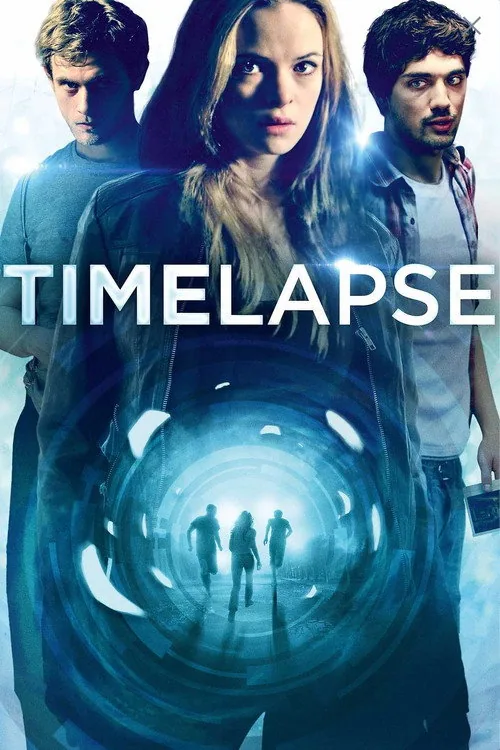
Three friends sharing an apartment discover that their missing neighbor owned a machine that photographs their living-room window twenty-four hours in the future. At first they use the images to improve their prospects, including helping a painter overcome a creative block and a gambler win bets. They then believe the future shown in each photograph must be made to happen, and their attempts to manage the predictions create a tightening cycle of suspicion, coercion, and self-fulfilling events.
Both share a claustrophobic and suspenseful atmosphere.
Why this matches +
Genres: Drama / Mystery
Shared film traits
Based on recorded story, mood and style. Your preferences can change the order.
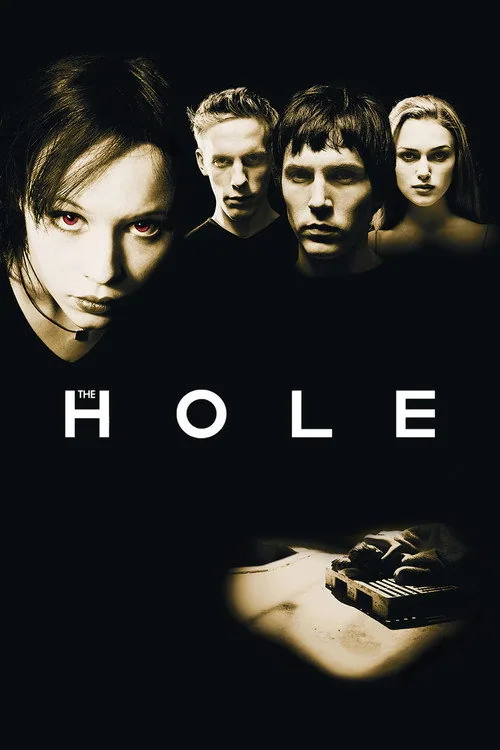
What changes Brick: overnight discovery establishes confinement, neighbors test the wall and compare clues and escape effort deepens the mystery. The Hole: emergence opens a mystery, flashbacks revise the group's history and psychological reveal reframes the story.
After disappearing for eighteen days, British school student Liz emerges from an underground bunker, while three of her classmates remain missing. In interviews with psychiatrist Dr. Horwood, Liz tells a story about being unpopular, joining an exclusive group, and hiding in a disused wartime shelter during a school outing. Her account shifts as details fail to align, turning the rescue into a psychological mystery about adolescent desire, betrayal, and the dangers of trusting a single narrator.
Based on recorded story, mood and style. Your preferences can change the order.
Constructed reality · Survival
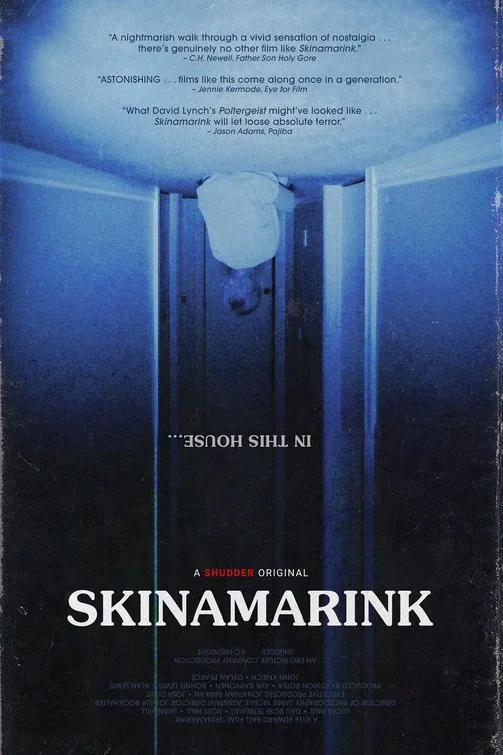
What changes Brick: overnight discovery establishes confinement, neighbors test the wall and compare clues and escape effort deepens the mystery. Skinamarink: extremely slow and fragmented.
One night, young siblings Kevin and Kaylee wake to find their father gone, the doors and windows missing, and ordinary objects vanishing from their home. They try to wait out the darkness together, using cartoons and small routines to make sense of the house, but voices and impossible events begin to separate them. The film offers little explanation for the presence or the children’s situation, keeping the threat at the edge of what can be seen. Its story is deliberately fragmentary and experienced at the children’s low, uncertain scale.
Based on recorded story, mood and style. Your preferences can change the order.
Constructed reality
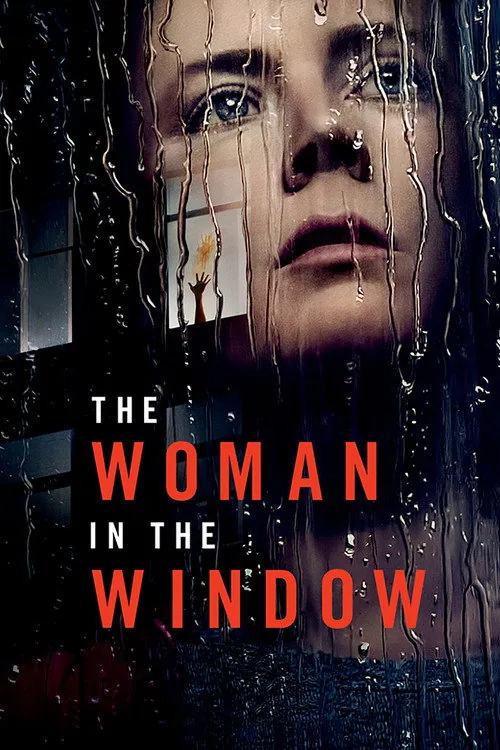
What changes Brick: overnight discovery establishes confinement, neighbors test the wall and compare clues and escape effort deepens the mystery. The Woman in the Window: mystery-led, slow-building and twist-heavy.
Child psychologist Anna Fox lives alone in a Manhattan brownstone and watches her neighbors while agoraphobia keeps her indoors. After befriending members of the Russell family, she believes she witnesses a murder across the street, but police and neighbors challenge her account. Medication, alcohol, grief, and isolation make it difficult to distinguish observation from hallucination as Anna investigates. Joe Wright’s adaptation of A. J. Finn’s novel uses the confined home and unreliable perspective to shape a psychological mystery about trauma and trust.
Based on recorded story, mood and style. Your preferences can change the order.
Constructed reality
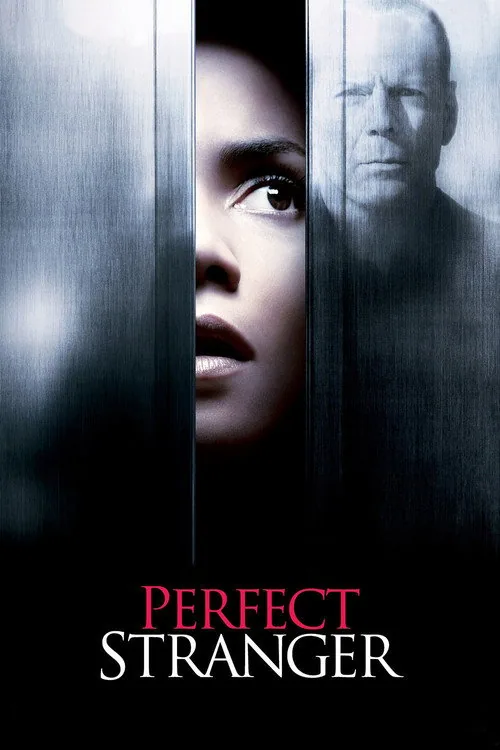
What changes Brick: overnight discovery establishes confinement, neighbors test the wall and compare clues and escape effort deepens the mystery. Perfect Stranger: journalistic setup, covert investigation and reversal-heavy reveal.
Reporter Rowena Price abandons an investigation after an editor blocks her story and then agrees to help a childhood friend expose wealthy advertising executive Harrison Hill. When the friend is found murdered, Rowena goes undercover at Hill's company and uses online identities to learn more about his relationships. Her colleague Miles assists, but the trail of digital messages, false personas, and personal secrets produces multiple suspects. The psychological thriller uses the anonymity of online communication to create a mystery about how well anyone can know the people they encounter.
Based on recorded story, mood and style. Your preferences can change the order.
Constructed reality
What changes Brick: overnight discovery establishes confinement, neighbors test the wall and compare clues and escape effort deepens the mystery. It’s What’s Inside: reunion and device setup, rounds of social deception and twist-driven reveal.
A group of college friends reunites at a mansion before a wedding, where an estranged former friend arrives with a mysterious device. The gadget allows them to swap bodies, turning a party game into a volatile test of identity, envy, and old grievances. As the friends try to determine who occupies which body and what everyone wants, the night spirals into deception and danger. The science-fiction thriller uses a contained social gathering and shifting perspectives to question how well friends know one another—or themselves.
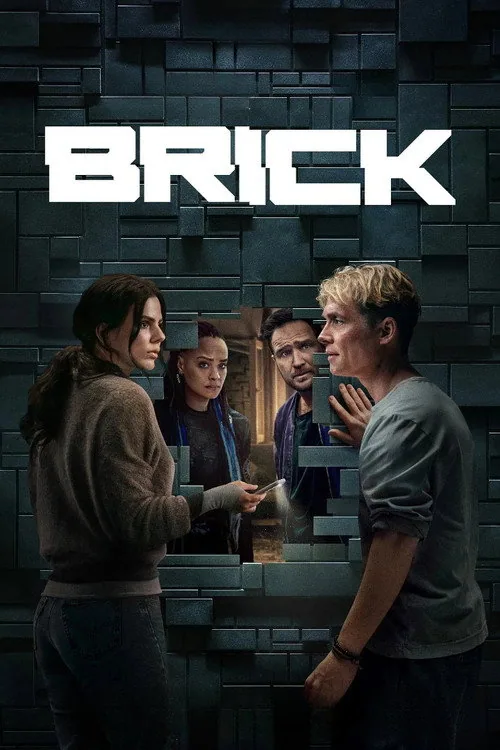
Tim and Olivia wake to find that an apparently impenetrable black wall has sealed their Hamburg apartment building from the outside world. Their neighbors are trapped as well, and the residents must cooperate to understand the barrier and find a way out. The crisis places a strained relationship inside a confined community where fear and scarce information shape every decision. This German mystery thriller builds suspense from an unexplained architectural impossibility, combining survival, puzzle-solving, and interpersonal conflict as the building's occupants search for an exit.
What drives the story
An unexplained black wall appears overnight and seals an apartment building, forcing its residents to find a way out together.
The people at its centre
Tim and Olivia's relationship is already under strain, while cooperation with wary neighbors turns the private crisis into a fragile group effort.
What it feels like
A claustrophobic mystery thriller uses confined architecture, unanswered questions, and the residents' attempts to escape to sustain tension.
Worth knowing
Its puzzle begins with a physical wall enclosing an entire Hamburg apartment building, linking survival suspense to a speculative mystery about the barrier.
confinement and trustsurvival through cooperationfear of the unknown
Mood
claustrophobic · ominous · suspenseful
Pacing
overnight discovery establishes confinement · neighbors test the wall and compare clues · escape effort deepens the mystery
Visual style
dark modern apartment interiors · impenetrable black wall as central image · restricted corridors and enclosed spaces
Storytelling
mysterious wall seals an apartment building overnight · couple and neighbors are trapped together · residents investigate the barrier and seek escape