Both share themes of truth, plus a disturbing atmosphere.
Why this matches +
Genres: Horror
Shared film traits
Based on recorded story, mood and style. Your preferences can change the order.
Investigation
What changes Cannibal Holocaust: variable. The Devil Inside: investigation grows into abrupt horror.
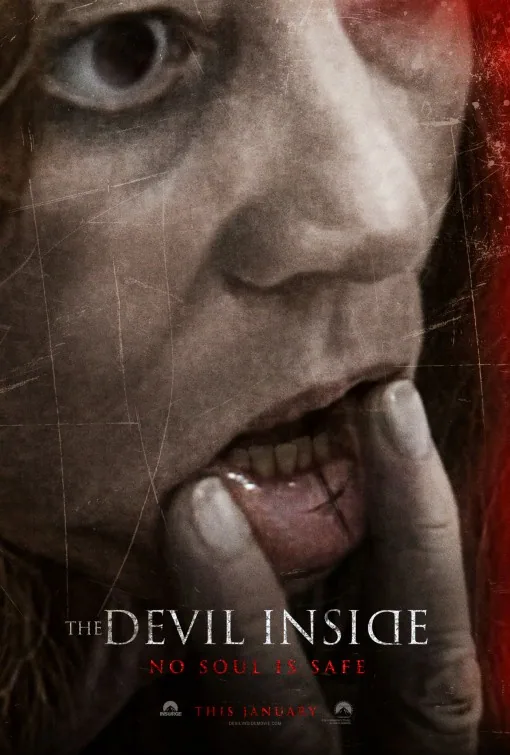
Isabella travels to Rome to learn more about her mother, Maria, who has spent years in a psychiatric hospital after committing murders during an exorcism. Filming the investigation with a documentary crew, Isabella consults priests and witnesses while confronting events that resist clear explanation. The found-footage horror blends family history, religious ritual and investigative uncertainty, letting the camera’s limited access become part of the threat.
Based on recorded story, mood and style. Your preferences can change the order.
What changes Cannibal Holocaust: variable. V/H/S: short-story anthology, uneven bursts of escalation and frame narrative between segments.
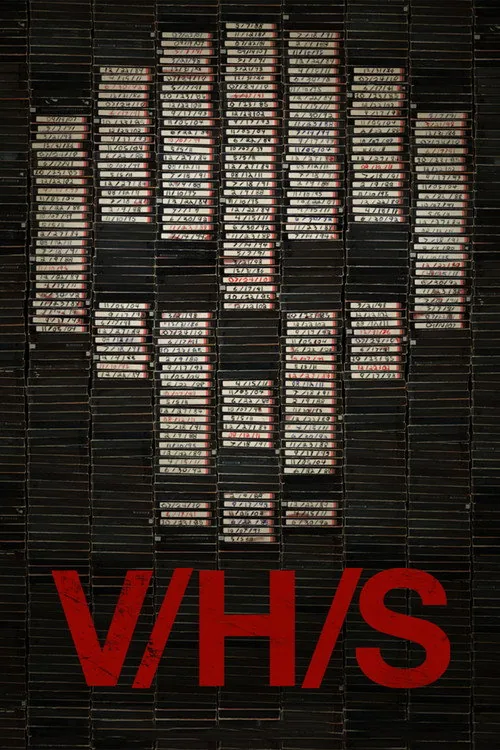
A group of petty criminals are hired to retrieve a specific videotape from a remote house, where they discover a dead body and a stack of unlabeled recordings. As they watch the tapes, a series of short horror stories unfolds through different forms of found footage, including encounters with strange visitors and violent supernatural events. The anthology’s framing narrative and segments were made by several independent filmmakers, creating a deliberately rough collection that uses camcorder images and videotape artifacts to evoke amateur recordings.
Both centre on commercial exploitation and coercive spectacle.
Why this matches +
Genres: Horror
Shared film traits
Based on recorded story, mood and style. Your preferences can change the order.
What changes Cannibal Holocaust: variable. Late Night with the Devil: escalating.
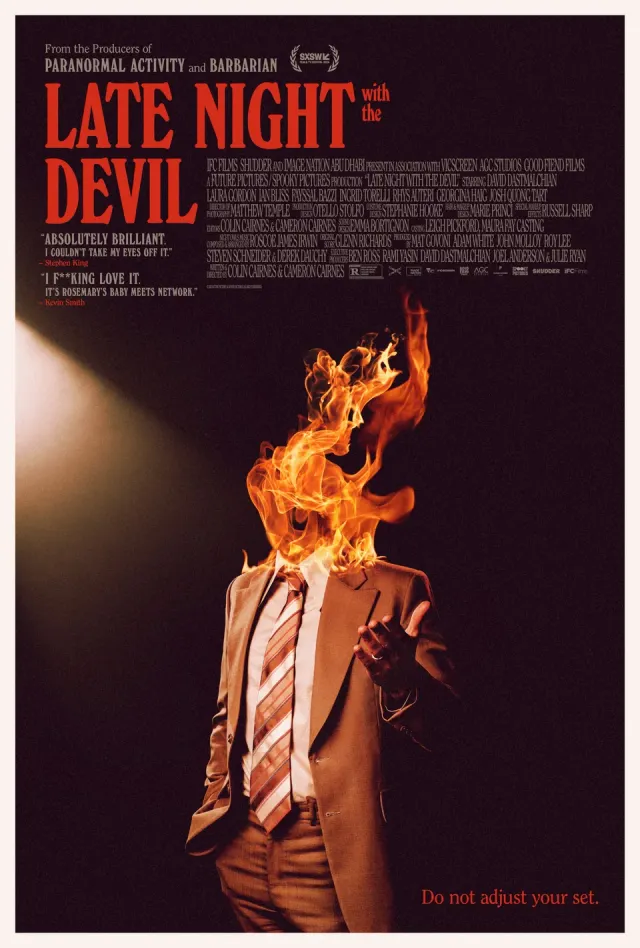
A struggling television host returns after bereavement with a Halloween broadcast designed to recover his audience. Mediumship, skeptical demonstrations and a supposedly possessed teenager make public proof into a competitive entertainment format. Commercial breaks reveal decisions that the on-air performance tries to conceal, while increasingly dangerous phenomena connect the host's ambition to a private history. The mock broadcast turns the machinery of keeping a show moving into a source of complicity, making the next segment more important than the people being exposed to it.
Based on recorded story, mood and style. Your preferences can change the order.
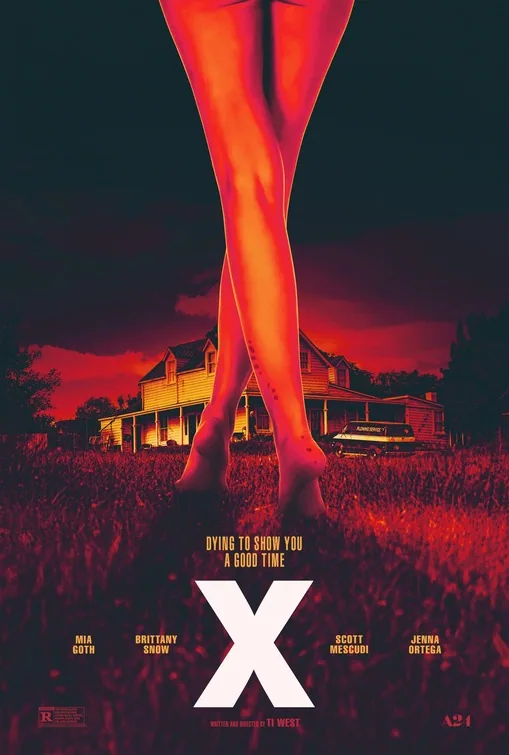
What changes Cannibal Holocaust: variable. X: intense.
A small adult-film crew rents a building on an isolated Texas farm, hoping to turn a modest production into an opportunity for independence and recognition. Their hosts' apparently ordinary domestic life conceals frustration, possessiveness and a painful relationship to ageing. As the shoot unsettles the household, voyeurism and denied desire turn the location's separation from outside help into an increasingly lethal trap.
Based on recorded story, mood and style. Your preferences can change the order.
Investigation
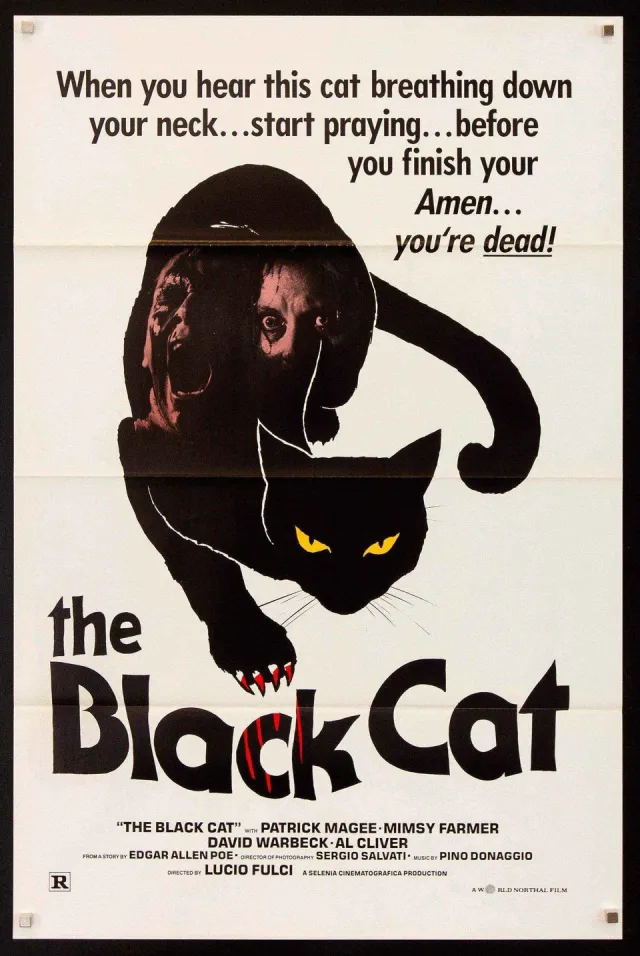
What changes Cannibal Holocaust: variable. The Black Cat: mystery-led, episodic attacks, atmospheric and violent resolution.
In an English village, deaths begin to follow encounters with a black cat owned by Robert Miles, a former professor who studies the supernatural and records the voices of the dead. American photographer Jill Trevers crosses paths with the animal while investigating a crypt and becomes entangled in a series of frightening incidents. Local police attempt to connect the victims, while Miles’s belief in the cat’s power makes him both a source of knowledge and a possible threat. The film shifts between detective work, occult theory, and horror as the animal’s apparent intelligence drives the mystery forward.
Based on recorded story, mood and style. Your preferences can change the order.
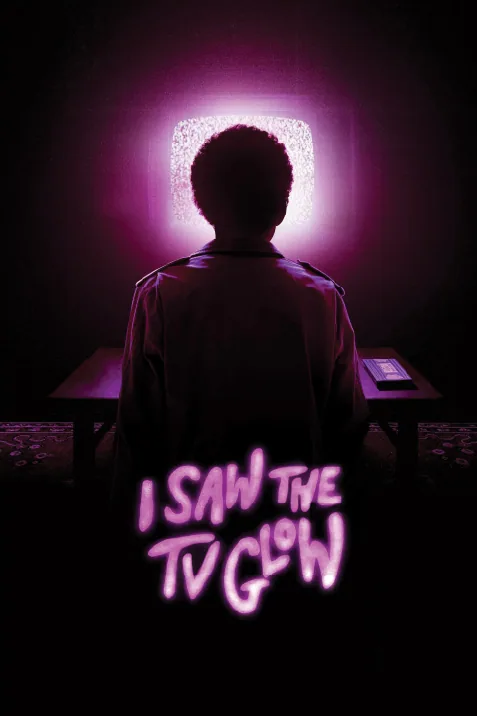
What changes Cannibal Holocaust: variable. I Saw the TV Glow: slow burn and episodic.
Two isolated classmates, Owen and Maddy, bond over a late-night television series that seems to offer a world more meaningful than their suburban routines. Maddy disappears after insisting that the show reveals something true about their identities; years later, she returns with a frightening explanation that Owen cannot bring himself to accept. Their unequal readiness to act turns time, memory and ordinary adulthood into sources of horror. The film’s trans allegory is closely tied to repression and recognition, while its unstable reality resists a tidy supernatural solution. Its ending is disturbing because Owen’s continued deferral has visible costs, not because it offers instructions for a viewer’s safety or identity.
Based on recorded story, mood and style. Your preferences can change the order.
Investigation
What changes Cannibal Holocaust: variable. Rings: mystery clues accumulate before supernatural attacks.
A young woman becomes involved with a mysterious video that appears to predict the death of anyone who watches it unless they pass it on. Her search for the recording’s origin leads into a history of exploitation and supernatural danger. The horror sequel mixes investigation with a curse mechanism, turning curiosity and the circulation of media into risks that are difficult to escape.
Based on recorded story, mood and style. Your preferences can change the order.
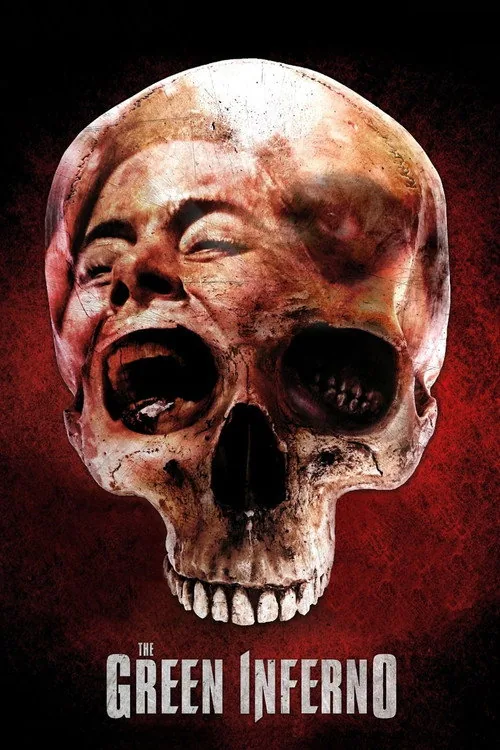
What changes Cannibal Holocaust: variable. The Green Inferno: activist mission setup, crash and capture and survival horror escalation.
College student Justine joins an activist group traveling to the Amazon to protest a corporation's destruction of forest and displacement of Indigenous communities. After the protest is filmed and the students are arrested, their plane crashes in the jungle on the way home. The survivors are captured by the very community they hoped to protect, and must confront the limits of their assumptions about activism and solidarity. Eli Roth's cannibal horror film turns a media-minded protest into a brutal survival story and a satire of performative advocacy.
Based on recorded story, mood and style. Your preferences can change the order.
Investigation
What changes Cannibal Holocaust: variable. Ring: clue-driven, slow-building and supernatural escalation.
Journalist Reiko Asakawa investigates an urban legend about a videotape whose viewers receive a phone call and die seven days later. After watching the tape herself, she enlists her psychic ex-husband Ryūji to identify the images and trace their source. Their inquiry connects the curse to a child named Sadako and a well on a remote island. Hideo Nakata’s Japanese horror film builds dread through investigative clues, domestic danger, and the unsettling idea that recorded images can carry a threat into viewers’ homes.
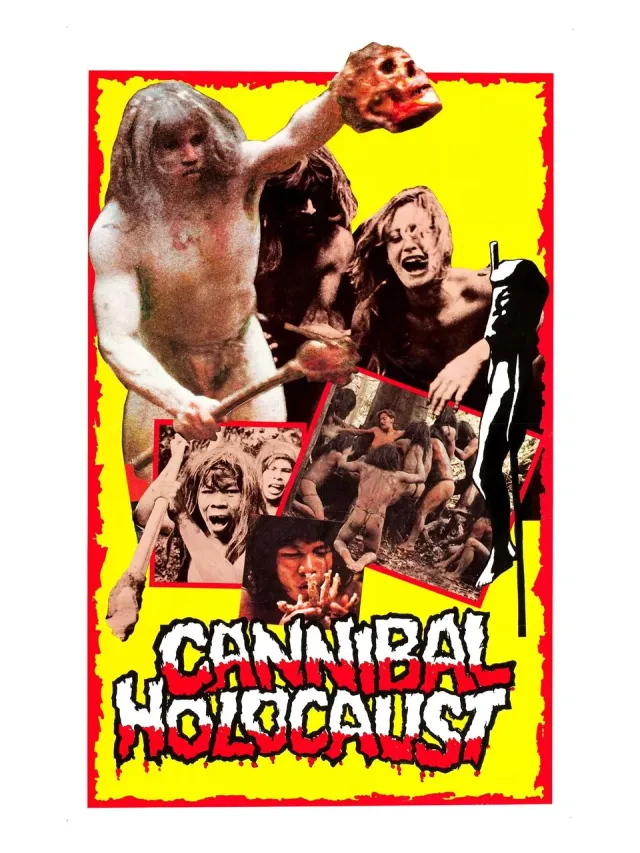
A documentary team disappears in the Amazon, and a professor brings recovered footage to a television executive seeking sensational material. What first appears to confirm a familiar story about an isolated people gradually exposes the filmmakers' own manipulation and violence. The film attacks the appetite for images while reproducing exploitation for its audience, including genuine animal cruelty. Its fictional Indigenous community is not ethnographic evidence, and the documentary frame should not be mistaken for a reliable record of real people.
What drives the story
Recovered footage reverses the audience's assumptions about who is exploiting whom, while the film's own shock tactics complicate its critique of media consumption. The reversal implicates the fictional crew without absolving the production.
The people at its centre
Television executives want saleable sensation, while the filmmakers build authority through a camera. The people they depict have little control over their representation, and the crew's access becomes a form of power.
What it feels like
Graphic sexual and physical violence, found-footage shifts and animal deaths make the viewing experience deliberately confrontational. The documentary conceit repeatedly tests the audience's appetite for supposed authenticity.
Worth knowing
Match on documentary framing and exploitative media, not on authentic ethnography. Distinguish staged human violence from real animal cruelty and do not present the film's fictional Indigenous stereotypes as cultural fact.
ExploitationViolenceTruth
Mood
Abrasive · Disturbing · Accusatory
Pacing
Variable
Visual style
Simulated documentary · Graphic exploitation
Storytelling
Recovered footage · Reversal of documentary authority · Violence staged for consumption