Explore films connected to Casanova through love and reputation, gender expectations, identity and disguise. Choose the qualities you want to carry into your next watch.
What should feel similar?
Find your next favourite
9 films · Closest overall matches
Hide films you’ve seen or don’t want. Saved on this device.
No matches for this combination yet.
Try another option or reset your choices to see more films.
Based on recorded story, mood and style. Your preferences can change the order.
What changes Casanova: romantic comedy setup, farce of disguises and adventure finale. Yesterday, Today and Tomorrow: triptych.
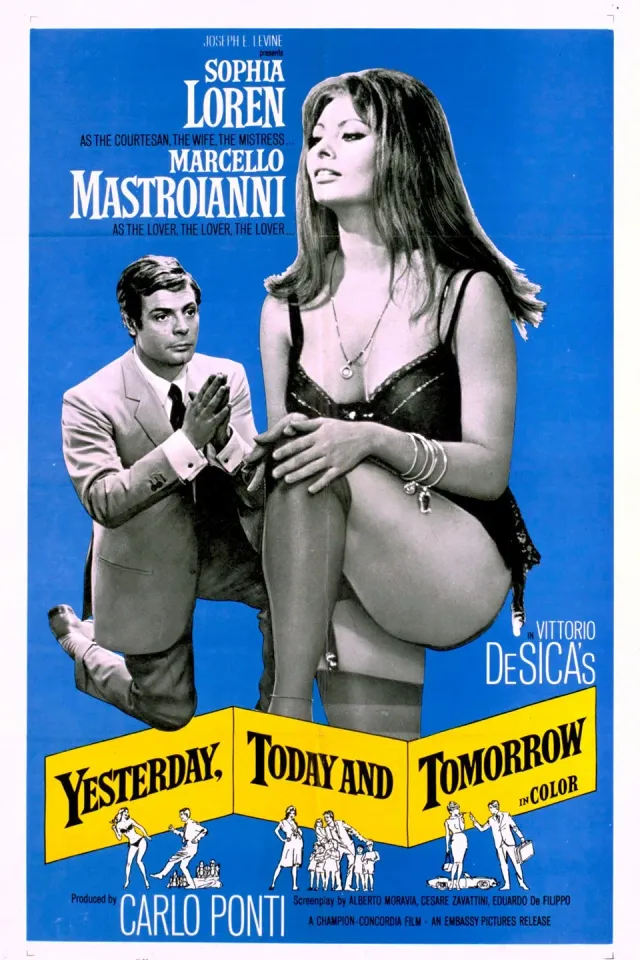
Vittorio De Sica’s comedy follows Sophia Loren and Marcello Mastroianni through three separate stories set in different parts of Italy. In Naples, Adelina’s cigarette smuggling and repeated pregnancies complicate her effort to avoid prison. In Milan, wealthy Anna grows restless during a drive with her lover. In Rome, sex worker Mara’s relationship with a young seminarian is interrupted by a promise that tests her generosity. The recurring performers and contrasting social worlds give the film a triptych structure, moving from street-level survival to wealth, desire and romantic comedy. The recurring stars make the changing roles part of the movie’s comic design.
Both share themes of love and reputation, plus a romantic atmosphere.
Why this matches +
Genres: Comedy / Romance
Shared film traits
Based on recorded story, mood and style. Your preferences can change the order.
Memory and identity
What changes Casanova: romantic comedy setup, farce of disguises and adventure finale. Much Ado About Nothing: ensemble courtship setup, comic deception and wedding crisis and reconciliation.
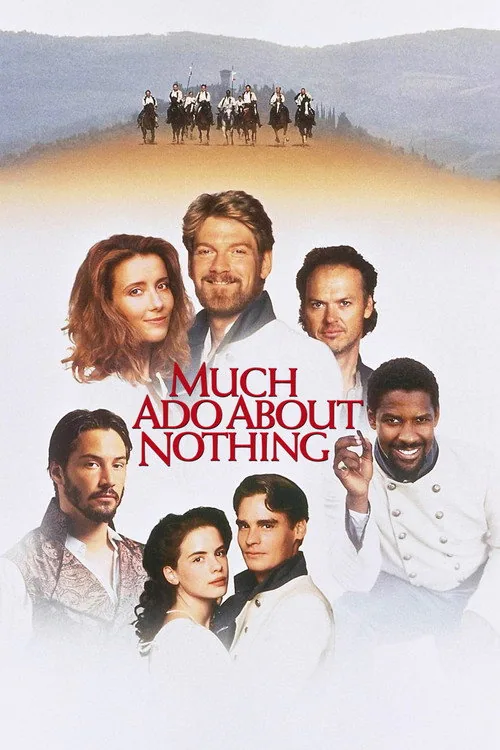
At a country estate in Messina, soldiers return from war and are welcomed by Leonato and his household. Claudio falls for Hero, while his friend Benedick and Hero's cousin Beatrice resume a sharp verbal rivalry that others try to turn into love. A villainous scheme then plants suspicion about Hero and threatens her marriage before the truth can emerge. Kenneth Branagh's film adapts Shakespeare's comedy through lively outdoor settings, ensemble performance, mistaken appearances, and a restoration of trust after public humiliation.
Based on recorded story, mood and style. Your preferences can change the order.
What changes Casanova: romantic comedy setup, farce of disguises and adventure finale. 365 Days: melodramatic and set-piece driven.
Laura’s vacation in Italy takes a disturbing turn when Massimo, the head of a Sicilian crime family, kidnaps her and gives her a year to fall in love with him. Their relationship is framed through luxury, erotic spectacle and criminal power, with the premise drawing a sharp line between fantasy romance conventions and coercion. Barbara Białowąs and Tomasz Mandes make an adult melodrama whose central conflict is inseparable from captivity and unequal control.
Based on recorded story, mood and style. Your preferences can change the order.
Memory and identity
What changes Casanova: romantic comedy setup, farce of disguises and adventure finale. The Other Woman: episodic and scheme-driven.
When a lawyer discovers that her boyfriend is already married, she meets his wife and then another woman he has also deceived. Their shared anger becomes a friendship and a series of comic schemes aimed at exposing his double life. The story changes the usual romantic-rival setup into a female alliance, finding its lightness in collaboration and in each woman reassessing what she wants next.
Based on recorded story, mood and style. Your preferences can change the order.
What changes Casanova: romantic comedy setup, farce of disguises and adventure finale. Mr. Right: fast comic action, romantic beats between fights and escalating pursuit.
After a painful breakup, Martha meets Francis, a charming man who reveals that he is a former hitman who now kills the people who hire him. Their fast-growing romance continues even as old employers and a network of assassins try to reach him. Martha is drawn into Francis's violent world and discovers that she has a more unusual response to danger than he expected. The action comedy sets courtship alongside choreographed confrontations, using the pair's eccentric chemistry to play with the idea of a romantic partner who is also a lethal outlaw.
Based on recorded story, mood and style. Your preferences can change the order.
What changes Casanova: romantic comedy setup, farce of disguises and adventure finale. The Valet: light, romantic, ensemble-driven and episodic.
Antonio is a Los Angeles valet whose ordinary routine changes after he is photographed beside actress Olivia Allan and her married billionaire partner. To quiet the publicity, Olivia and the developer present Antonio as her boyfriend, drawing him into an unfamiliar social world. As Antonio’s family and neighborhood respond to the arrangement, the film follows a staged romance that becomes entangled with class, reputation, gentrification and the people who depend on him.
Based on recorded story, mood and style. Your preferences can change the order.
Memory and identity
What changes Casanova: romantic comedy setup, farce of disguises and adventure finale. Rab Ne Bana Di Jodi: romantic transformation, musical interludes and emotional revelation.
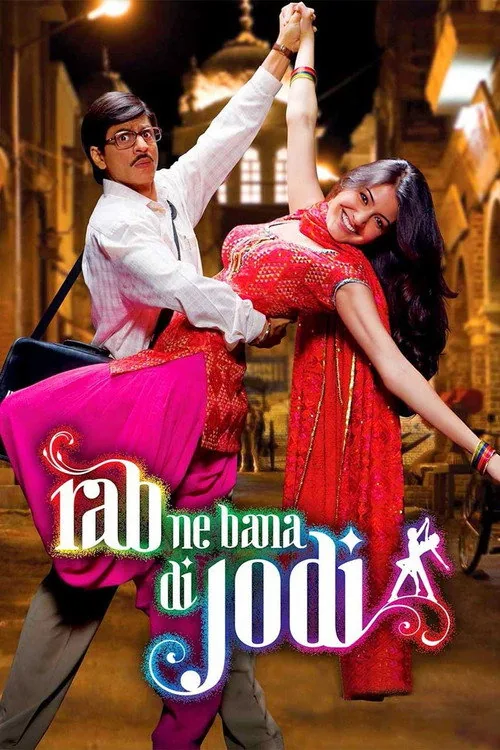
Shy office worker Surinder marries Taani after her fiancé dies, but she tells him she cannot love him. When Taani joins a dance class to bring excitement into her life, Surinder changes his appearance and invents the confident persona Raj, becoming her dance partner without revealing who he is. The Hindi romantic comedy uses this double identity to explore how affection grows through performance, kindness, and everyday attention, while Taani's feelings shift between the husband she knows and the partner she thinks she has just met.
Based on recorded story, mood and style. Your preferences can change the order.
Memory and identity
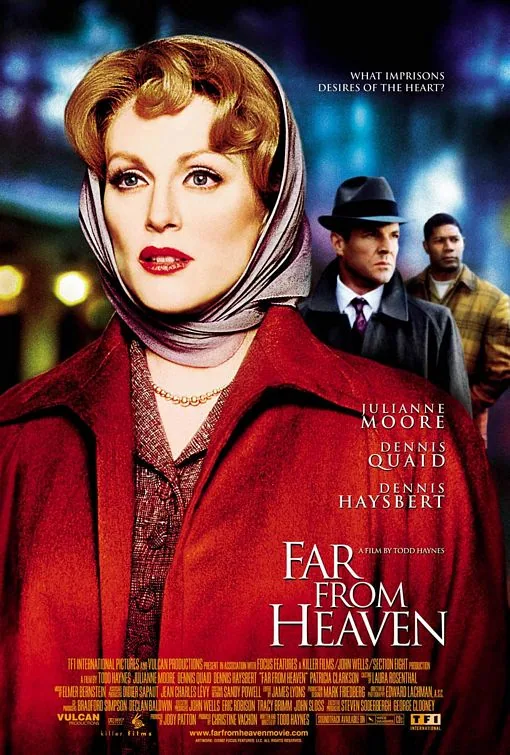
What changes Casanova: romantic comedy setup, farce of disguises and adventure finale. Far from Heaven: deliberate and emotional escalation.
In 1950s Connecticut, a suburban wife discovers that her polished marriage conceals a truth her community is unwilling to accept, while she forms a connection that crosses the era’s racial boundaries. Her husband and their children also face the consequences of a rigid social order. The film uses period melodrama and carefully controlled style to examine desire, respectability and the limits imposed on private life.
Based on recorded story, mood and style. Your preferences can change the order.
Memory and identity
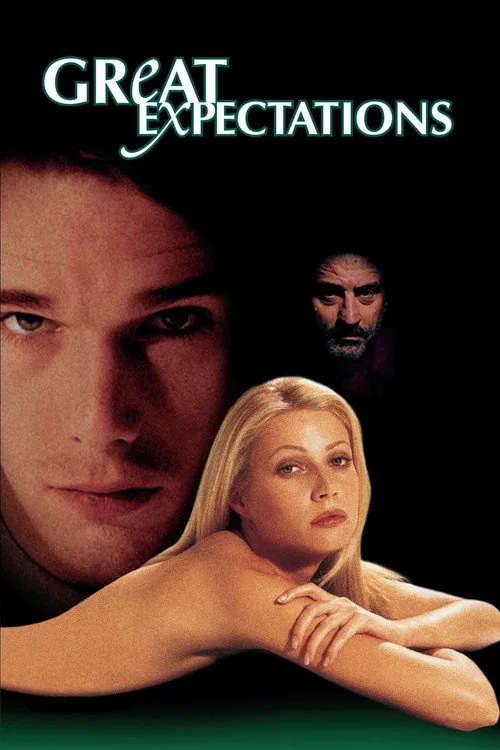
What changes Casanova: romantic comedy setup, farce of disguises and adventure finale. Great Expectations: youth-to-adulthood progression, romantic longing and melodramatic revelations.
Young Florida artist Finn Bell helps an escaped convict and later meets Estella, the guarded niece of a wealthy, reclusive woman who invites him to paint. Years later, Finn unexpectedly receives support from an unknown benefactor and moves to New York, where he hopes to reconnect with Estella. Alfonso Cuarón relocates Dickens's story to contemporary settings and frames it through vivid color, youthful longing, and art, asking how ambition and fantasy can distort a person's memory of love.
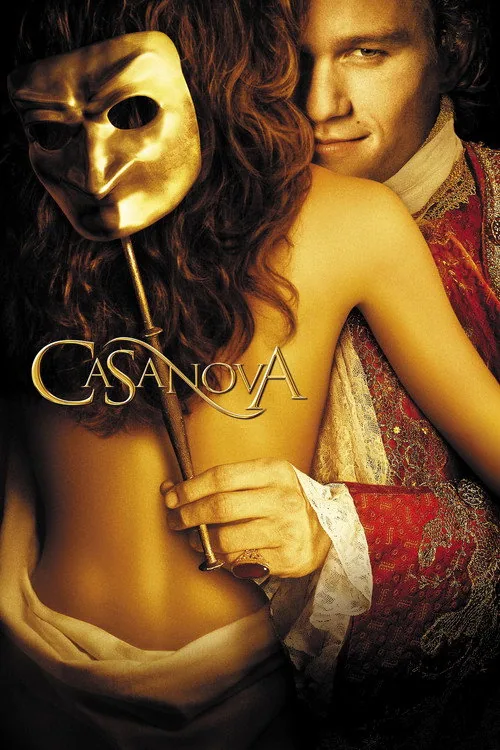
In eighteenth-century Venice, notorious womanizer Casanova must marry or face exile, so he begins a new courtship while disguising parts of his identity. His plans become complicated when he meets Francesca Bruni, an outspoken writer who challenges his reputation and conventions around women. With the Church and local authorities watching, mistaken identities and romantic rivalries gather around the city. The comedy turns the historical adventurer into the center of a playful period romance.
What drives the story
A deadline imposed by Venice's ruler sends Casanova into a courtship that becomes difficult to control.
The people at its centre
Francesca's independence unsettles the famous seducer, while their friends and rivals keep reshaping the romantic contest.
What it feels like
A light period adventure mixes banter, costumes, swordplay, and a more comic portrait of Casanova's legend.
Worth knowing
It loosely borrows from a historical figure's reputation instead of presenting a biographical account of his life.
love and reputationgender expectationsidentity and disguise
Mood
playful · romantic · swashbuckling
Pacing
romantic comedy setup · farce of disguises · adventure finale