Explore films connected to Charlie Bartlett through belonging and popularity, mental health and care, adolescent responsibility. Choose the qualities you want to carry into your next watch.
What should feel similar?
Find your next favourite
9 films · Closest overall matches
Hide films you’ve seen or don’t want. Saved on this device.
No matches for this combination yet.
Try another option or reset your choices to see more films.
Based on recorded story, mood and style. Your preferences can change the order.
Coming of age
What changes Charlie Bartlett: brisk teen-comedy rhythm and gradual character growth. It's Kind of a Funny Story: a short hospital stay provides episodic encounters and gradual change.
Depressed teenager Craig Gilner asks for urgent help and is admitted to an adult psychiatric ward after the adolescent unit closes temporarily. Over several days, he forms relationships with fellow patients, including Bobby, and reconnects with his interests while confronting school pressure, family expectations, and his feelings for his friend Nia. The comedy-drama treats hospitalization as a pause that makes room for honesty and connection, balancing humor with the seriousness of Craig’s crisis.
Based on recorded story, mood and style. Your preferences can change the order.
Coming of age
What changes Charlie Bartlett: brisk teen-comedy rhythm and gradual character growth. Orange County: escalating and episodic.
A high-school senior who wants to become a writer discovers that an administrative error has derailed his college application. He tries to repair the mistake with help from his girlfriend and family, whose unpredictable behavior makes the crisis harder to manage. The comedy treats adolescence as the period when a young person must distinguish an imagined escape from the practical work of building a future.
Based on recorded story, mood and style. Your preferences can change the order.
Coming of age
What changes Charlie Bartlett: brisk teen-comedy rhythm and gradual character growth. Pump Up the Volume: alternates between nighttime radio monologues and daytime school pressures before a public climax.
By day, Mark Hunter is a withdrawn high-school student in a Phoenix suburb; at night he broadcasts from a pirate FM station in his parents’ basement as the provocative Happy Harry Hard-on. Listeners at school begin responding to his candid rants about loneliness, authority and the hypocrisies of their community. After one vulnerable student reaches out and tragedy follows, Mark has to reckon with the influence he has gained and the limits of speaking through an anonymous persona. When school officials move against the station, his private outlet becomes a public fight over who gets to speak and be heard.
Based on recorded story, mood and style. Your preferences can change the order.
Coming of age
What changes Charlie Bartlett: brisk teen-comedy rhythm and gradual character growth. The Perks of Being a Wallflower: letter-framed and gradually intensifying.
After a stay in psychiatric care, freshman Charlie begins high school unsure how to connect with anyone beyond his English teacher. Seniors Patrick and Sam invite him into their circle, giving him friends, music, parties and a first experience of belonging. Charlie also witnesses Patrick's secret relationship with closeted classmate Brad, and the group's closeness does not protect it from family pressures, grief, dating and substance use. The film is told through Charlie's letters to an unnamed recipient, so ordinary teenage events arrive through his earnest but incomplete perspective. As his friends prepare to move on, Charlie's suppressed trauma begins to surface, shifting the story from a warm outsider's coming-of-age toward a serious account of memory and mental health.
Based on recorded story, mood and style. Your preferences can change the order.
Coming of age
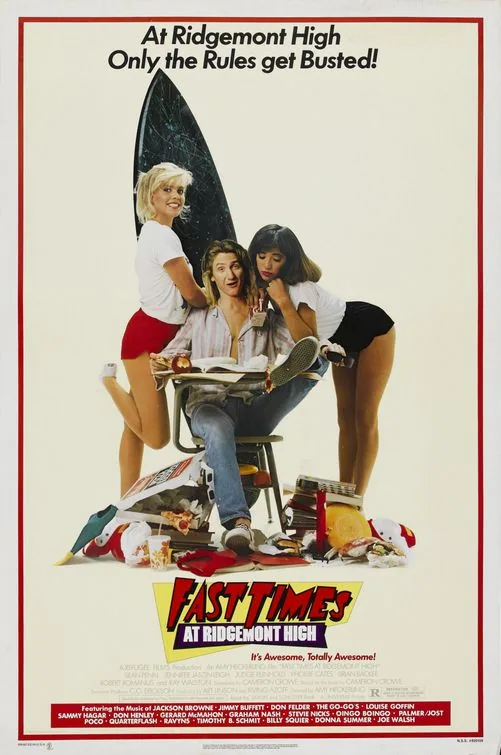
What changes Charlie Bartlett: brisk teen-comedy rhythm and gradual character growth. Fast Times at Ridgemont High: loose and ensemble-paced.
At a Southern California high school, teenagers navigate attraction, awkward sex, early work, friendship, and the uncertainty of becoming adults. Their intersecting experiences range from a confident senior's romantic misjudgments to a younger student's first crush and a fast-food job's daily frustrations. The film treats adolescence as funny and consequential, observing how peer pressure and small choices shape self-understanding.
Based on recorded story, mood and style. Your preferences can change the order.
Coming of age
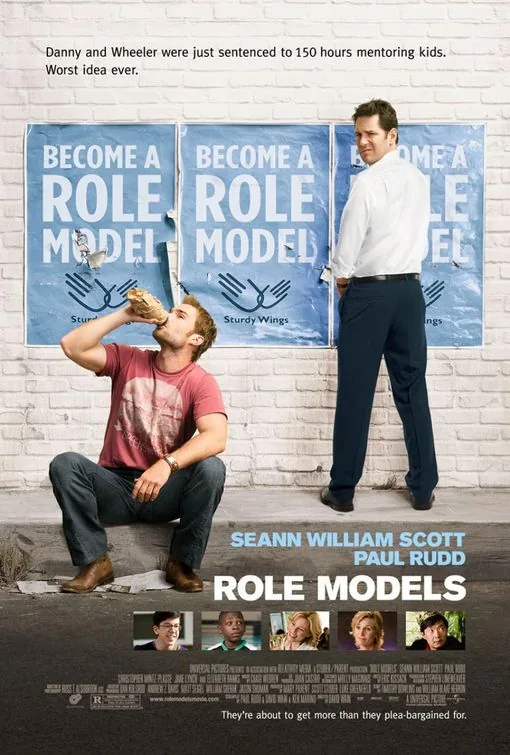
What changes Charlie Bartlett: brisk teen-comedy rhythm and gradual character growth. Role Models: conversational and episodic.
After a public meltdown, two salesmen are sentenced to community service mentoring kids in a youth program. Their mismatched pairings force them to spend time with children whose worlds differ from their own. The comedy lets personal growth emerge through reluctant attention rather than through a polished inspirational speech. Crude humor and offbeat character pairings soften into a sincere ensemble story about responsibility.
Based on recorded story, mood and style. Your preferences can change the order.
Coming of age
What changes Charlie Bartlett: brisk teen-comedy rhythm and gradual character growth. About a Boy: measured and character-led.
Will Freeman has arranged a comfortable life around avoiding obligations, until an invented family connection brings him into contact with isolated schoolboy Marcus. Their reluctant friendship draws Will into the boy’s family difficulties and forces both to reconsider their habits. The comedy balances dry observation with a gradual movement from self-protection toward care and responsibility.
Based on recorded story, mood and style. Your preferences can change the order.
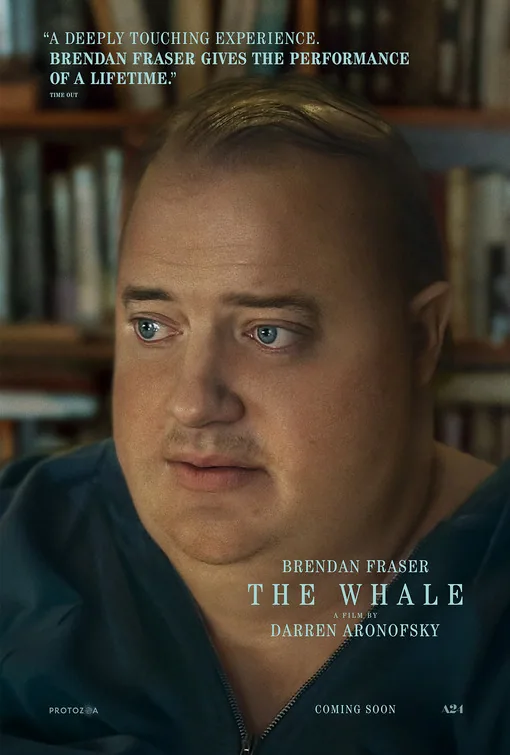
What changes Charlie Bartlett: brisk teen-comedy rhythm and gradual character growth. The Whale: contained and dialogue-driven.
Charlie, an English teacher living with severe illness and rarely leaving his home, teaches online with his camera switched off. When he learns that his estranged teenage daughter Ellie is nearby, he tries to rebuild contact through writing lessons and an offer to help her with schoolwork. His friend and nurse Liz questions whether his attempt will repair their relationship, while missionary Thomas brings another set of beliefs into the apartment. Ellie’s anger, Charlie’s guilt and the visitors’ competing needs make each conversation difficult. The film confines its action to a few days and one home, centering a fraught effort at connection. A requested essay becomes Charlie’s way to maintain contact, but he cannot control what Ellie chooses to reveal.
Based on recorded story, mood and style. Your preferences can change the order.
Coming of age
What changes Charlie Bartlett: brisk teen-comedy rhythm and gradual character growth. Summer School: classroom ensemble, comic episodes, gradual mentor bond and school-year resolution.
Physical-education teacher Freddy Shoop expects to spend the summer in Hawaii, but his vice principal corners him into teaching a remedial English class. The students include a football player, a dyslexic girl, a pregnant teenager, a budding actor and two horror-film obsessives, each carrying a different reason for struggling at school. Shoop initially treats the assignment as an obstacle to his vacation, while the class tests his patience and the school’s low expectations. He gradually finds ways to make the material engaging, and his connection with history teacher Robin Bishop gives him another reason to stay. The comedy turns a disposable summer job into a loose story of teaching, self-respect and students discovering what they can do.
After being expelled from several private schools for schemes that include fake identification, wealthy teenager Charlie Bartlett enrolls at a public high school where he struggles to fit in. He discovers that classmates confide in him about their problems and begins informally advising them, including by distributing medication he obtains from doctors. His growing popularity draws the attention of the school’s troubled principal and complicates Charlie’s relationship with the principal’s daughter. Jon Poll’s comedy-drama uses teen humor to explore loneliness, performance, and the desire to be useful.
What drives the story
Charlie’s informal counseling operation grows as classmates seek advice and adults begin questioning his methods.
The people at its centre
His connection with the principal’s daughter and rivalry with her father challenge Charlie’s desire to be liked.
What it feels like
The movie combines quick teen humor with an earnest story about emotional isolation and the risks of amateur help.
Worth knowing
Its school setting carries a character comedy, not a clinical account of therapy or a conventional high-school romance.
belonging and popularitymental health and careadolescent responsibility
Mood
witty · awkward · earnest
Pacing
brisk teen-comedy rhythm · gradual character growth
Visual style
high-school corridors and offices · bright ensemble comedy framing · close performance-led scenes
Storytelling
wealthy teen enters public school · student becomes an unofficial counselor · romance links him to the principal’s family