Based on recorded story, mood and style. Your preferences can change the order.
What changes Climax: long-take immersion, escalating and unpredictable. The Gallows: short suspense beats escalate through one night.
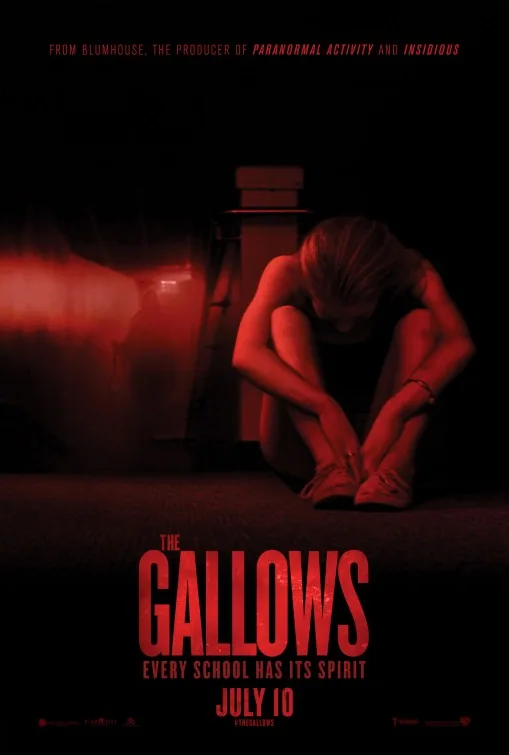
Students preparing a school play revive the name of a production that ended in tragedy decades earlier, only to encounter a presence tied to the old performance. Their backstage choices and attempts to document events turn rehearsal spaces into a found-footage trap. The teen horror film relies on theatrical lore, enclosed corridors and the fear that a performance can invite something beyond the audience.
Based on recorded story, mood and style. Your preferences can change the order.
What changes Climax: long-take immersion, escalating and unpredictable. Suspiria: a dance academy mystery deepens into political and supernatural horror.
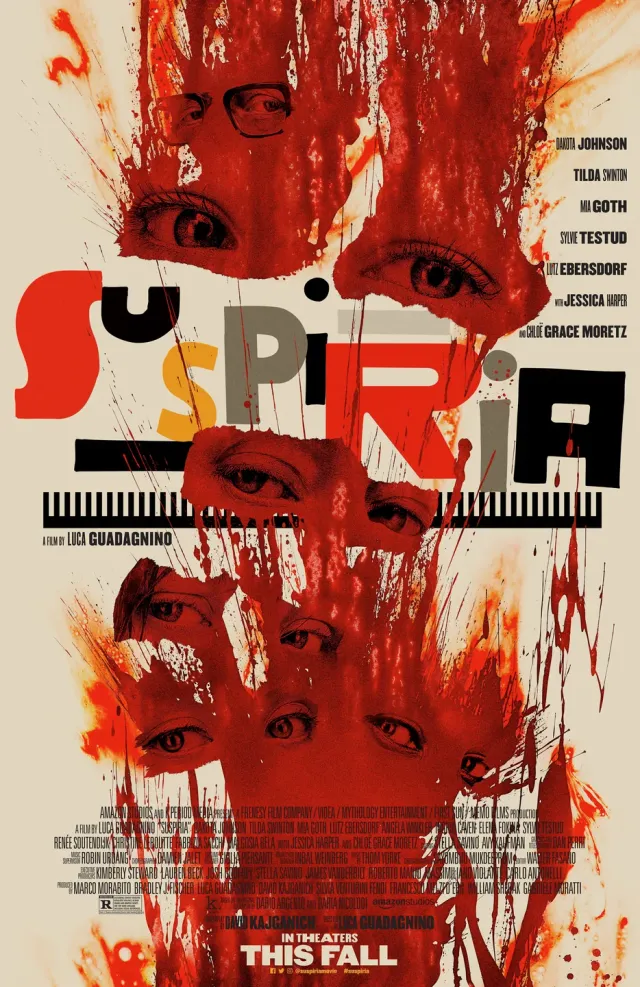
American dancer Susie Bannion joins a prestigious West Berlin dance academy whose artistic director hides the school’s true purpose. Psychotherapist Josef Klemperer investigates the disappearance of a student and uncovers links between the institution, a coven, and the political unrest of 1970s Germany. The horror film reimagines dance as both discipline and ritual, connecting bodily performance to collective memory, power, and historical trauma.
Based on recorded story, mood and style. Your preferences can change the order.
Music and performance
What changes Climax is tagged disorienting and frenzied; Hairspray is tagged exuberant and defiant.
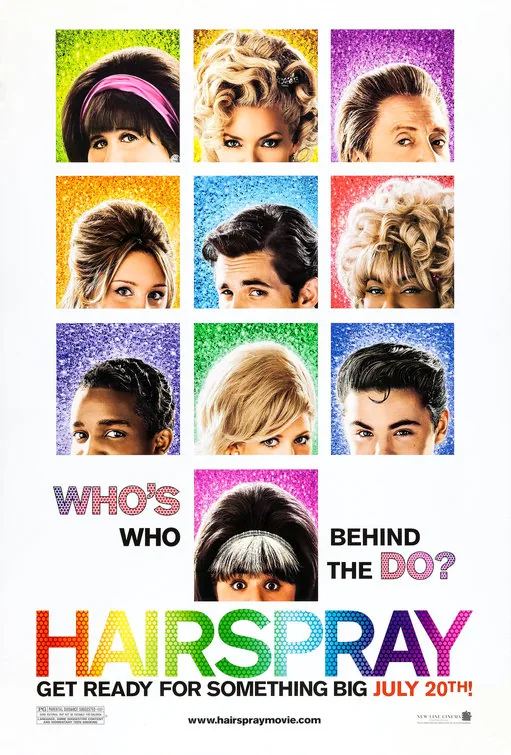
A Baltimore teenager hopes to dance on a local television show that treats her size as disqualifying and segregates its Black performers. Success gives her visibility, but friendship with excluded dancers makes participation alone an insufficient goal. Romance, family confidence and a public protest converge around who gets access to the broadcast stage. The musical uses exuberant performance to connect bodily acceptance with resistance to an institution that presents exclusion as ordinary programming rather than an explicit political choice.
Based on recorded story, mood and style. Your preferences can change the order.
Music and performance
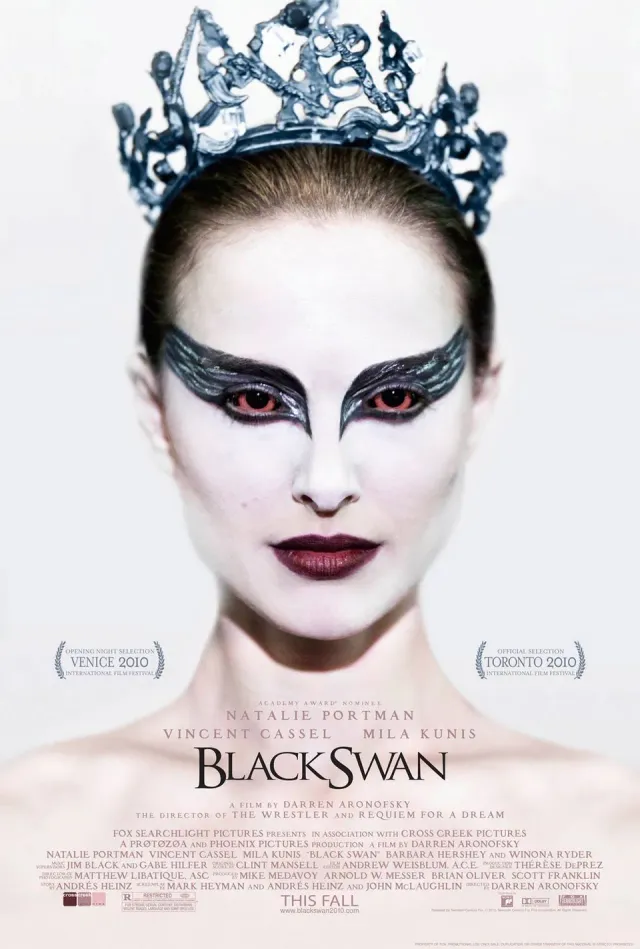
What changes Climax: long-take immersion, escalating and unpredictable. Black Swan: slow burn and intense.
A tightly controlled ballet dancer is chosen to perform a lead role demanding both precision and a sensual spontaneity she struggles to express. Pressure from a manipulative director, a possessive mother and an apparently freer rival intensifies her fear of being replaced. As rehearsal consumes her private life, bodily disturbance and unreliable perception blur the line between artistic transformation and a dangerous collapse of self.
Based on recorded story, mood and style. Your preferences can change the order.
Music and performance
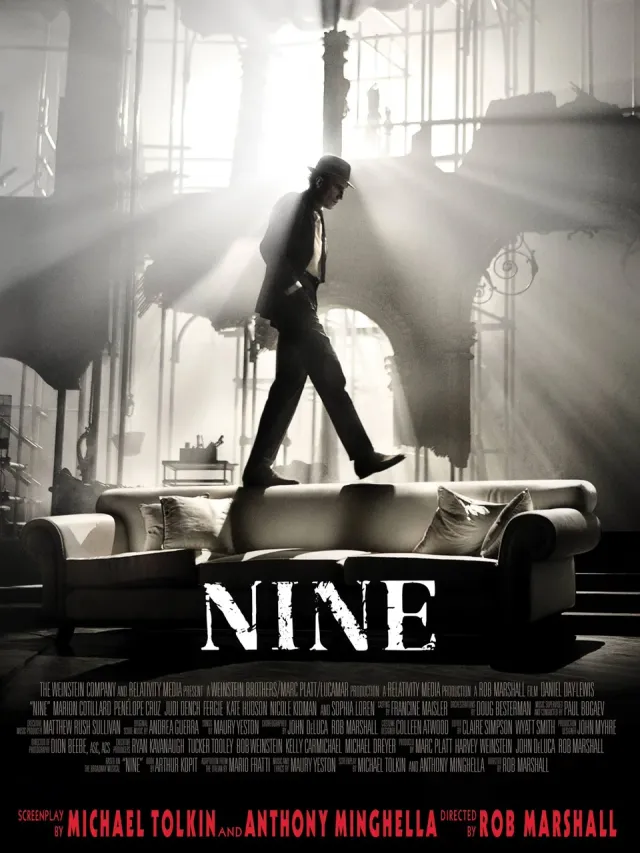
What changes Climax: long-take immersion, escalating and unpredictable. Nine: song-led and fragmented.
Film director Guido Contini tries to make a new movie while facing a creative crisis and reflecting on the women whose affection and expectations shape his life. Rehearsals, memories and fantasy sequences overlap as he struggles to turn experience into art. The musical adapts a stage tradition of inward performance, making artistic ambition and romantic confusion part of the same elaborately staged problem.
Based on recorded story, mood and style. Your preferences can change the order.
Music and performance
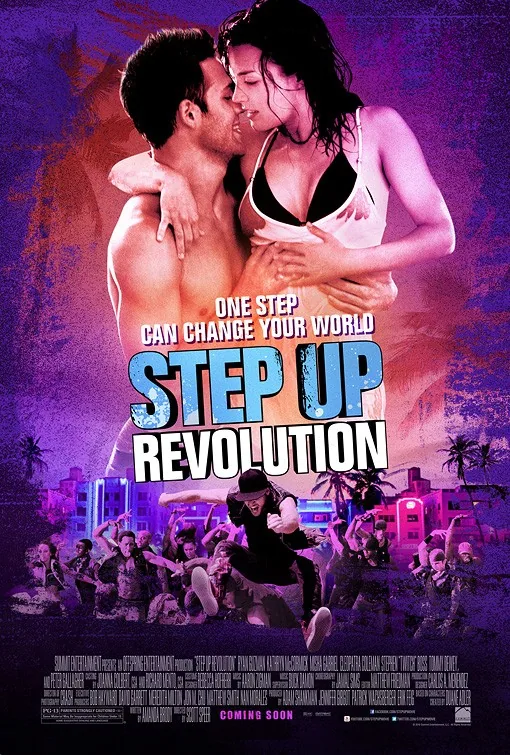
What changes Climax: long-take immersion, escalating and unpredictable. Step Up Revolution: fast musical set pieces with a light romantic arc.
An aspiring dancer joins a Miami flash-mob crew whose elaborate public performances turn into protest against the redevelopment threatening their neighborhood. Her relationship with the developer’s son complicates the group’s activism, while choreography becomes both spectacle and a way to claim public space. The film favors movement, romance and visual set pieces over detailed political debate.
Based on recorded story, mood and style. Your preferences can change the order.
Constructed reality
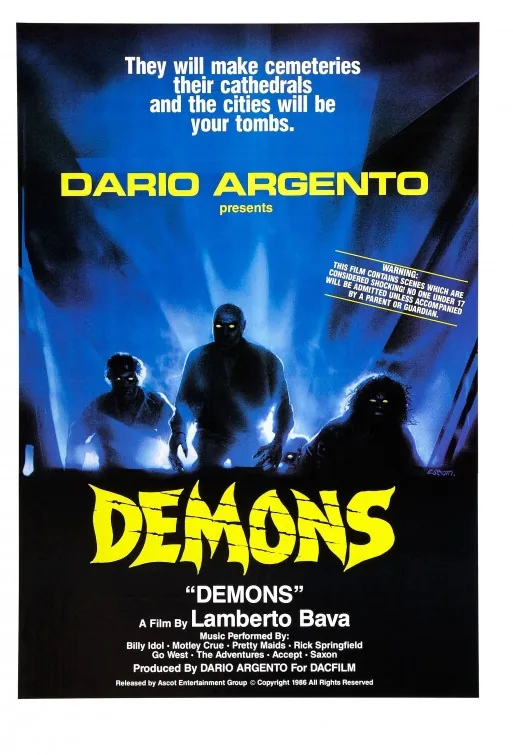
What changes Climax: long-take immersion, escalating and unpredictable. Demons: rapid escalation, relentless attacks, set-piece action and abrupt shifts.
University student Cheryl accepts free cinema tickets from a mysterious masked stranger and persuades her friend Kathy to join her. Inside the newly reopened Metropol, the audience watches a horror film about teenagers who uncover a mask and an old tomb. When one of the movie’s characters is scratched by the mask, Rosemary—who has injured herself on the matching display in the lobby—begins to transform into a demon. The infection spreads through the audience as the cinema exits are sealed, trapping patrons among the creatures. George and Cheryl fight their way through the auditorium and attempt to reach the roof, but the demonic outbreak is already escaping into Berlin. The film within the film and the real attack become difficult to separate as the survivors seek a way out.
Based on recorded story, mood and style. Your preferences can change the order.
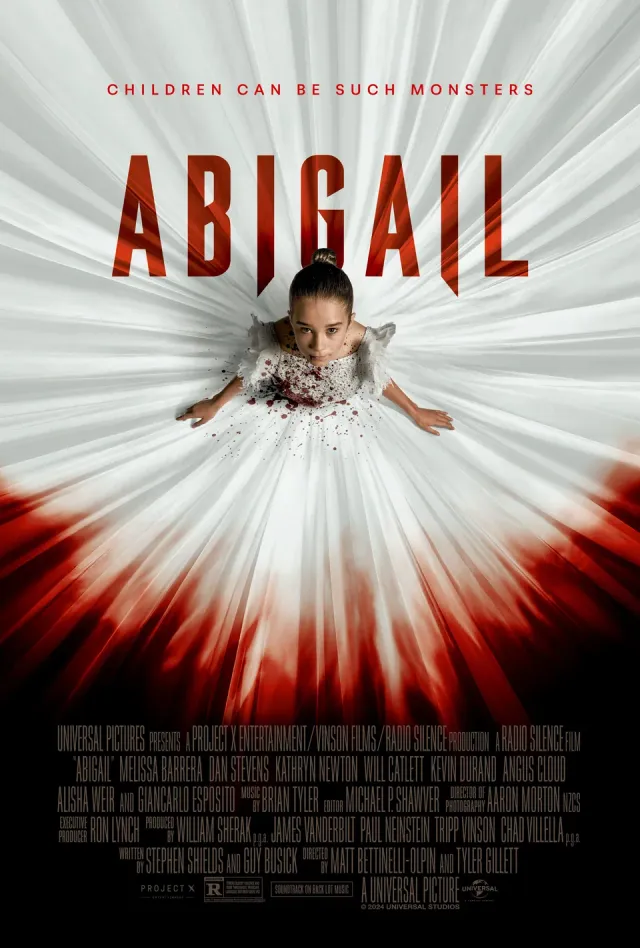
What changes Climax: long-take immersion, escalating and unpredictable. Abigail: a heist setup flips quickly into a contained survival battle.
A group of criminals kidnap a young ballet dancer and bring her to an isolated mansion for a ransom job. The plan changes as their target proves to be far more dangerous than expected, leaving the kidnappers trapped with the person they were meant to control. The horror comedy reverses the familiar hostage premise, turning the crew’s greed and distrust into liabilities inside a closed space.
Based on recorded story, mood and style. Your preferences can change the order.
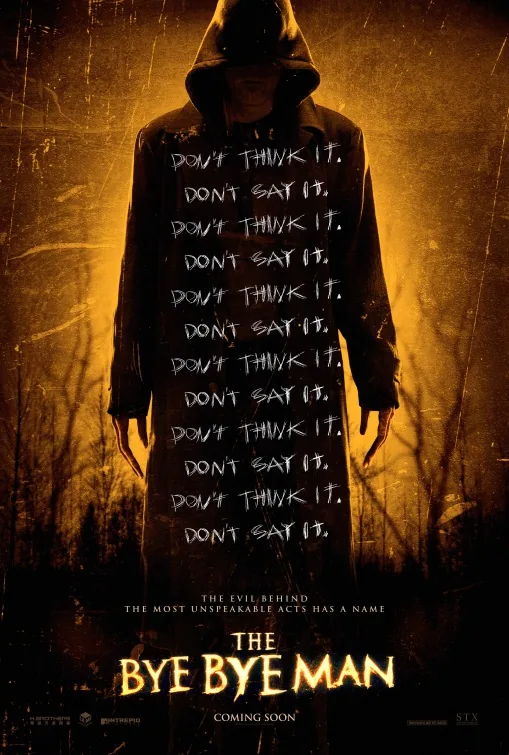
What changes Climax: long-take immersion, escalating and unpredictable. The Bye Bye Man: mystery discovery builds toward psychological and physical danger.
Three college students uncover a supernatural figure connected to a rule about not speaking or thinking his name. Their attempts to understand the legend make the threat harder to escape, while suspicion fractures their relationships. The horror film uses a contagious idea as its central mechanism, combining occult mystery with a story about how fear and doubt can spread through a close group.
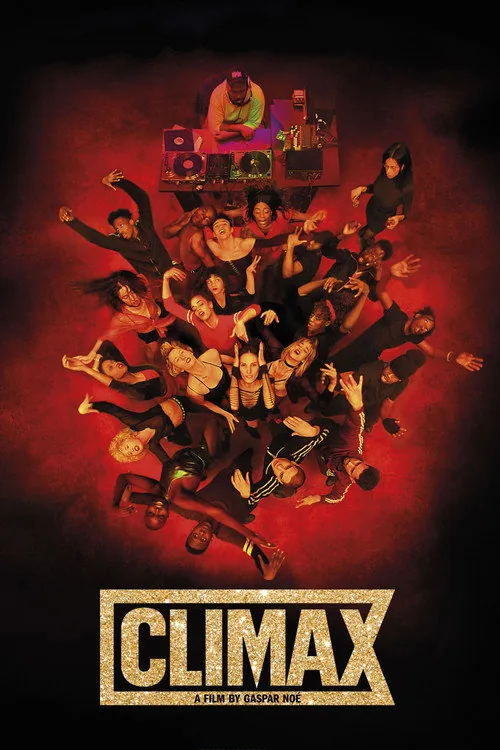
A French dance troupe gathers at an abandoned school in 1996 to rehearse and celebrate a successful performance. After the party’s communal sangria is spiked with a hallucinogen, suspicion spreads and the dancers’ behavior becomes increasingly frightened and volatile. The isolated building turns their celebration into a night of confusion, conflict, and danger. Gaspar Noé’s experimental film combines extended dance performances, improvisation, and long takes to present collective panic through the dancers’ shifting perceptions.
What drives the story
A drugged celebration breaks the troupe’s trust and turns a shared rehearsal space into a panicked social maze.
The people at its centre
Existing jealousy, attraction, and rivalries intensify as group members try to locate a culprit and protect themselves.
What it feels like
Contains drugging, hallucinations, sexual violence, self-harm, and intense depictions of panic and disorientation.
Worth knowing
This experimental dance-horror film relies on physical performance and long takes rather than conventional plot explanation.
Group fearTrustPerformance
Mood
Disorienting · Frenzied · Nightmarish
Pacing
Long-take immersion · Escalating · Unpredictable
Visual style
Extended dance choreography · Rotating camera movement · Saturated nightclub lighting